Jul 28, 2026
Water has the ability to connect and to divide in equal measure. It shapes the way we experience our communities,…
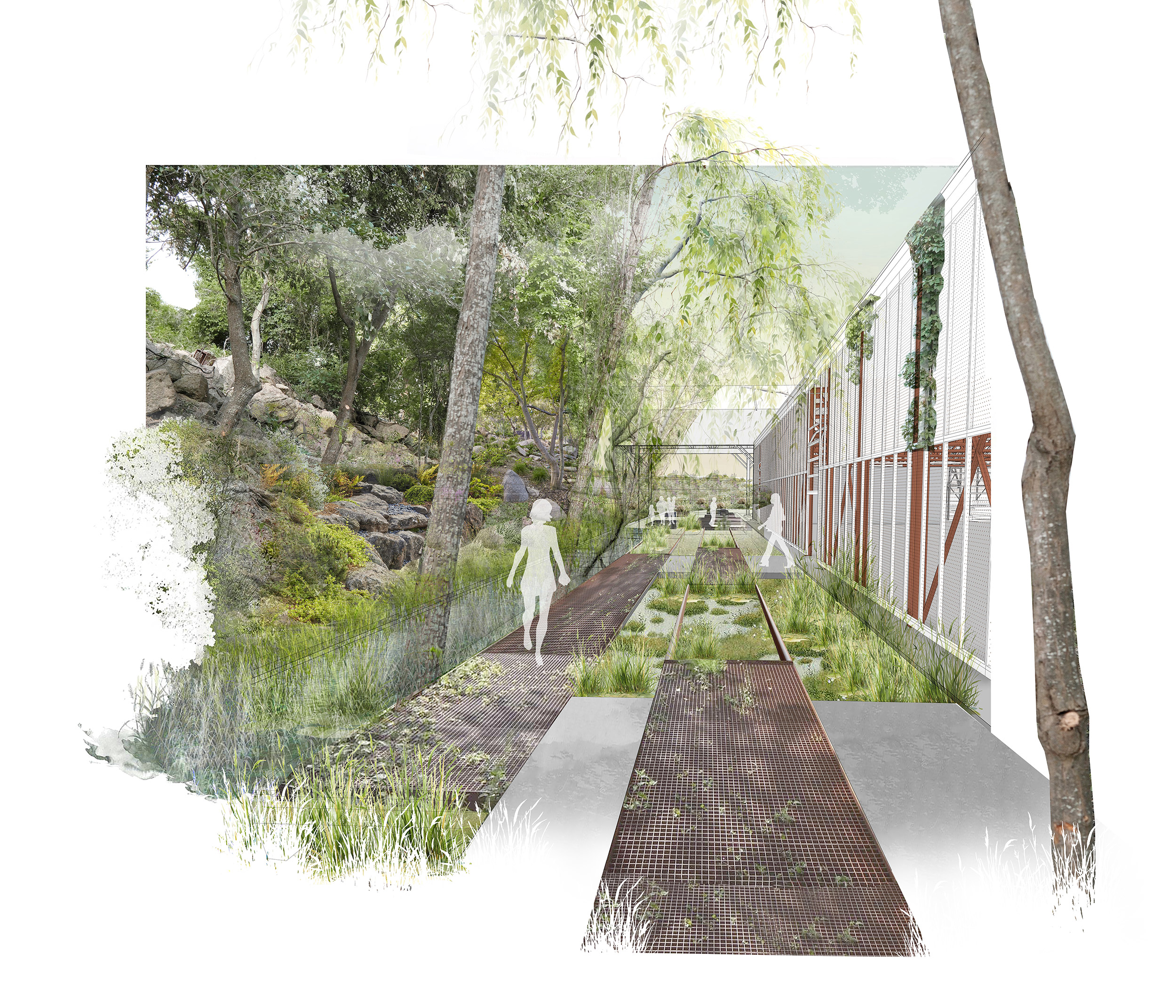
Houston has always negotiated with water—through shipping infrastructure, flood control systems, and the bayous that shaped the city long before highways and warehouses obscured them. Along Buffalo Bayou’s industrial East End, Turkey Bend, a new landscape project by Reed Hilderbrand with NADAAA and Rogers Partners, attempts something more nuanced than restoration: the design of public space that works with water, industrial history, and community memory rather than against them.
Part of Buffalo Bayou Partnership’s eastward expansion efforts, Turkey Bend extends public investment beyond Buffalo Bayou Park toward Houston’s historically industrial waterfront. Located near Navigation Boulevard on a former barge terminal, the project occupies a protected oxbow of Buffalo Bayou where freight once moved inland through warehouses and onto trucks bound for Houston’s broader logistics network.
The site carries decades of industrial residue: timber wharves, gantry cranes, rail infrastructure, graffiti-covered surfaces, and the character of a waterfront built for labor rather than leisure. Rather than clearing away those traces, Reed Hilderbrand, the landscape architecture firm with offices in Cambridge, Massachusetts, and New Haven, Connecticut, made them foundational to the project.
“The goal was to preserve as much of the existing large infrastructure as possible,” says Adrian Nial, principal at Reed Hilderbrand. “We wanted to make sure that the identity of the place as this old industrial relic wasn’t lost and that we brought in these other narratives on top of that about nature [and] community.”
Part of the challenge involved restraint. Nial describes extensive efforts to determine the minimum interventions necessary to stabilize existing structures while retaining their character, even preserving deteriorated paint and weathered surfaces where possible.
“Nothing should ever feel precious because of that industrial character,” he says.

That approach extends adaptive reuse beyond architecture. Existing waterfront infrastructure, reclaimed materials, industrial artifacts, and even graffiti become active design elements rather than remnants to be erased.
Claire Fellman, associate principal and research director at Reed Hilderbrand, describes an approach centered not only on preservation but also on repurposing.
“What do we preserve? What do we remove?” Fellman says. “We also would add to that: What do we repurpose?”
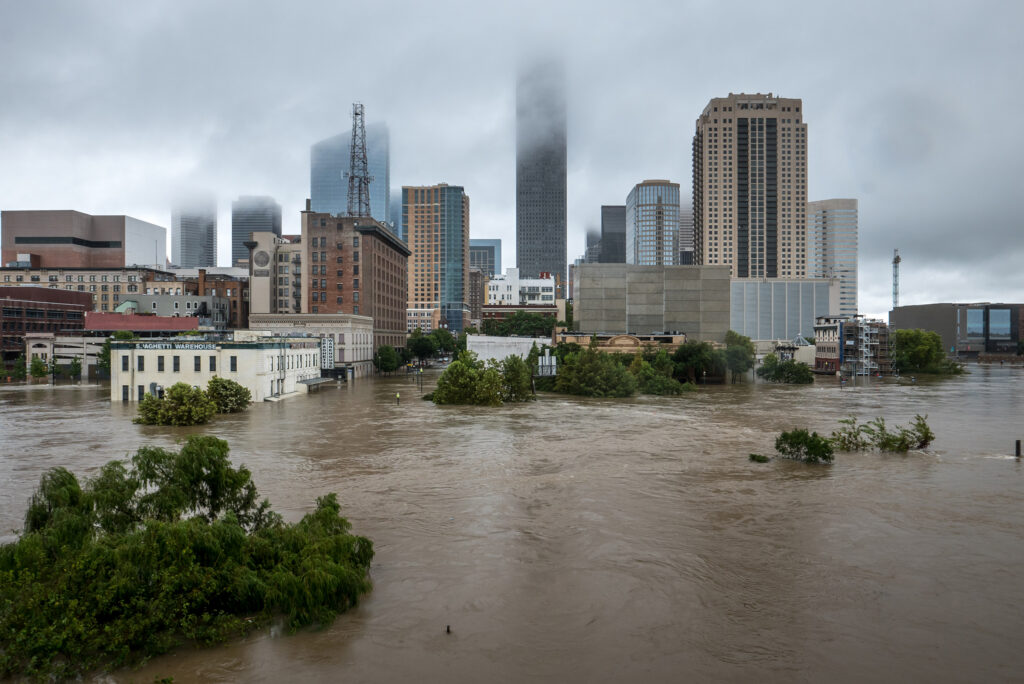
Water proved equally formative. Positioned within an active floodplain, Turkey Bend treats flooding not as failure but as a recurring reality. Materials, circulation systems, and planting strategies accommodate inundation rather than resist it.
“It was never about trying to fortify,” Nial says. “It was always more about: How do you accommodate? And then how do you kind of rebound after?”
That approach shaped more than engineering decisions. Flood elevations informed circulation and the spatial experience, creating multiple ways for visitors to encounter Buffalo Bayou across changing conditions.
Fellman describes designing simultaneously for “low-water [and] high-water scenarios,” creating what she sees as one of the project’s defining experiences: movement between elevated landscapes and direct encounters with the bayou’s edge.
Community engagement revealed another challenge. Many nearby residents had little relationship with Buffalo Bayou despite living only blocks away. Historically, the Greater East End and Fifth Ward have been separated from the bayou by industrial uses and infrastructure that limited both physical access and visibility.
“A lot of people we talked with said, ‘We just never knew the bayou was right behind those buildings,’” Fellman says.
Turkey Bend responds with boating access, trails, gathering spaces, and multiple points of engagement intended to reconnect surrounding communities with both the water and its ecology. Its protected oxbow condition—unusual along Buffalo Bayou—will establish Turkey Bend as a boating hub, creating opportunities to experience Houston’s waterfront from the water rather than solely from its banks.
At Turkey Bend, Houston’s industrial waterfront is not disappearing. Instead, the project proposes another possibility for the city’s edge: a landscape that accommodates water, preserves memory, and creates room for public life alongside both.
Murrye Bernard, AIA, LEED AP BD+C, is a North Texas–based architecture writer and licensed architect.
Desert, sky, and ocean converge at a remote retreat in Mexico.
Plunging into Texas Water Conservation
Where form and atmosphere converge

Designing data centers for a resource-constrained future
A luxury resort is made smaller and greener.
A room for every season
Corpus Christi’s water crisis reveals the challenges of planning for growth.
Reimagining a campus landmark after Harvey
A center for the arts sustains Rockport’s creative community.
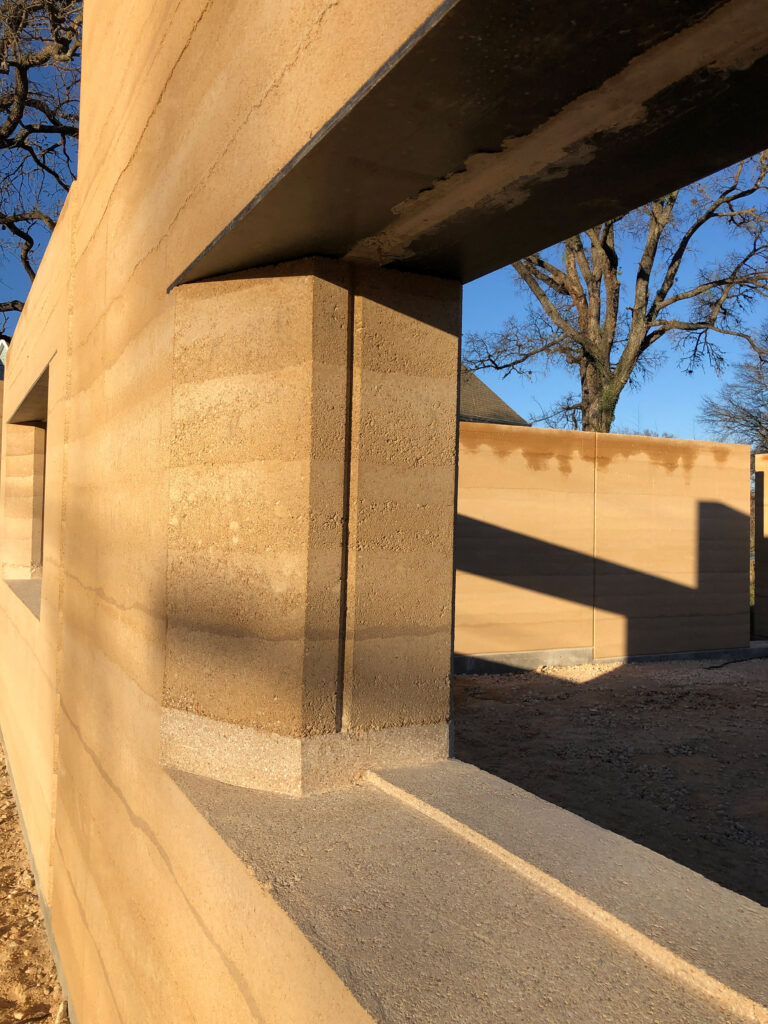
The Why and How of a Rammed Earth Enclosure
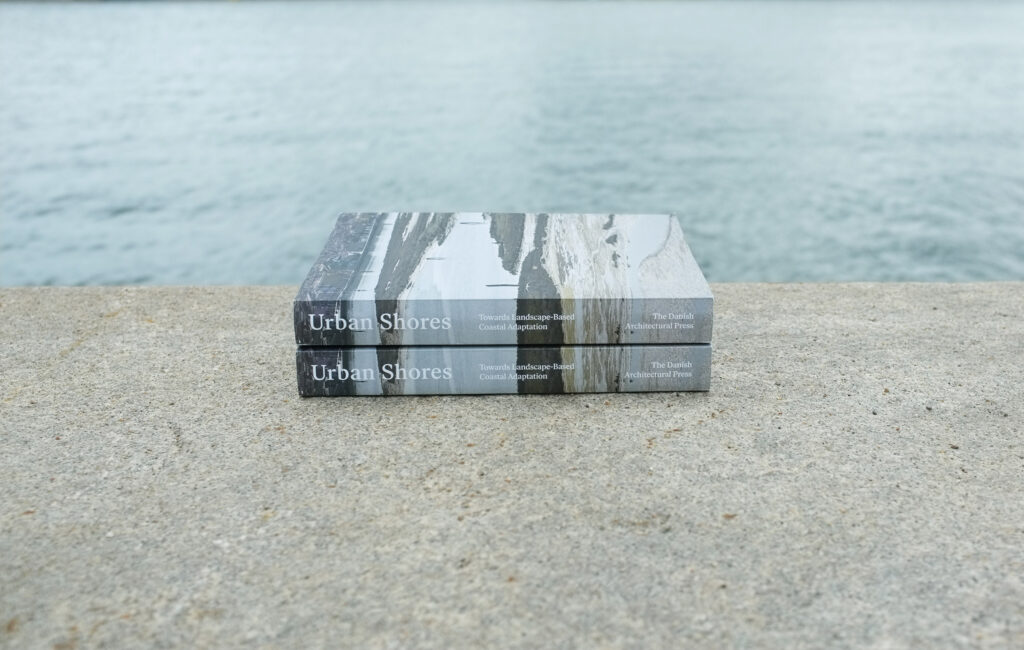
Urban Shores: Towards Landscape-Based Coastal Adaptation
Anna Aslaug Lund, Ole Fryd & Gertrud Jørgensen
Danish Architectural Press 2025
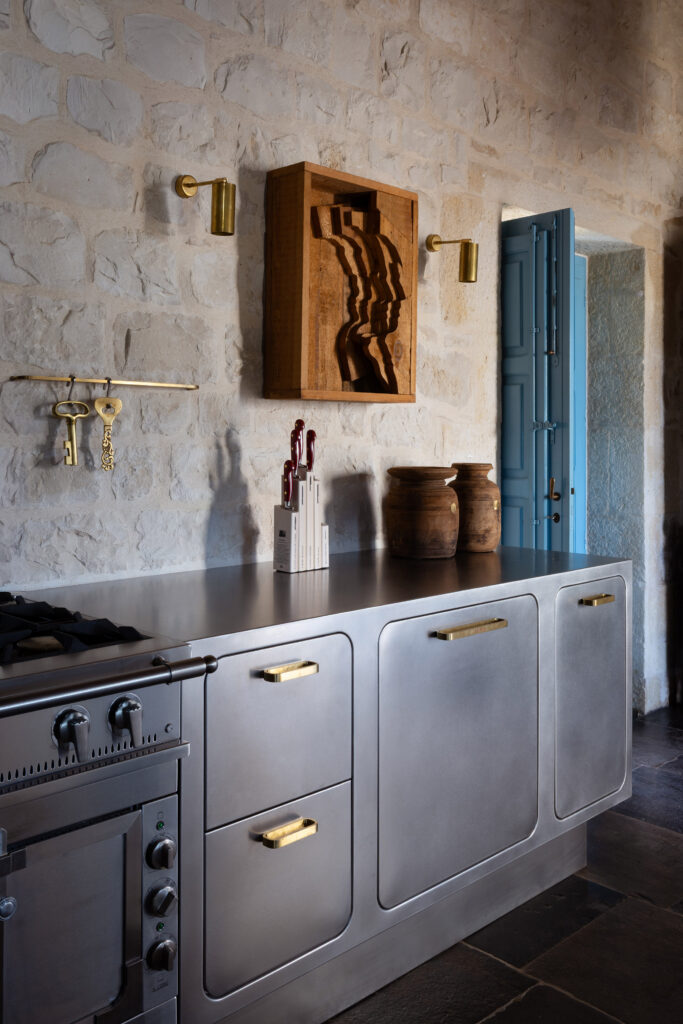
Earthy, warm hues, such as amber, terracotta, and violet, bring a grounding touch to these new kitchen and bath products.