Jul 28, 2026
Houston has always negotiated with water—through shipping infrastructure, flood control systems, and the bayous that shaped the city long before…

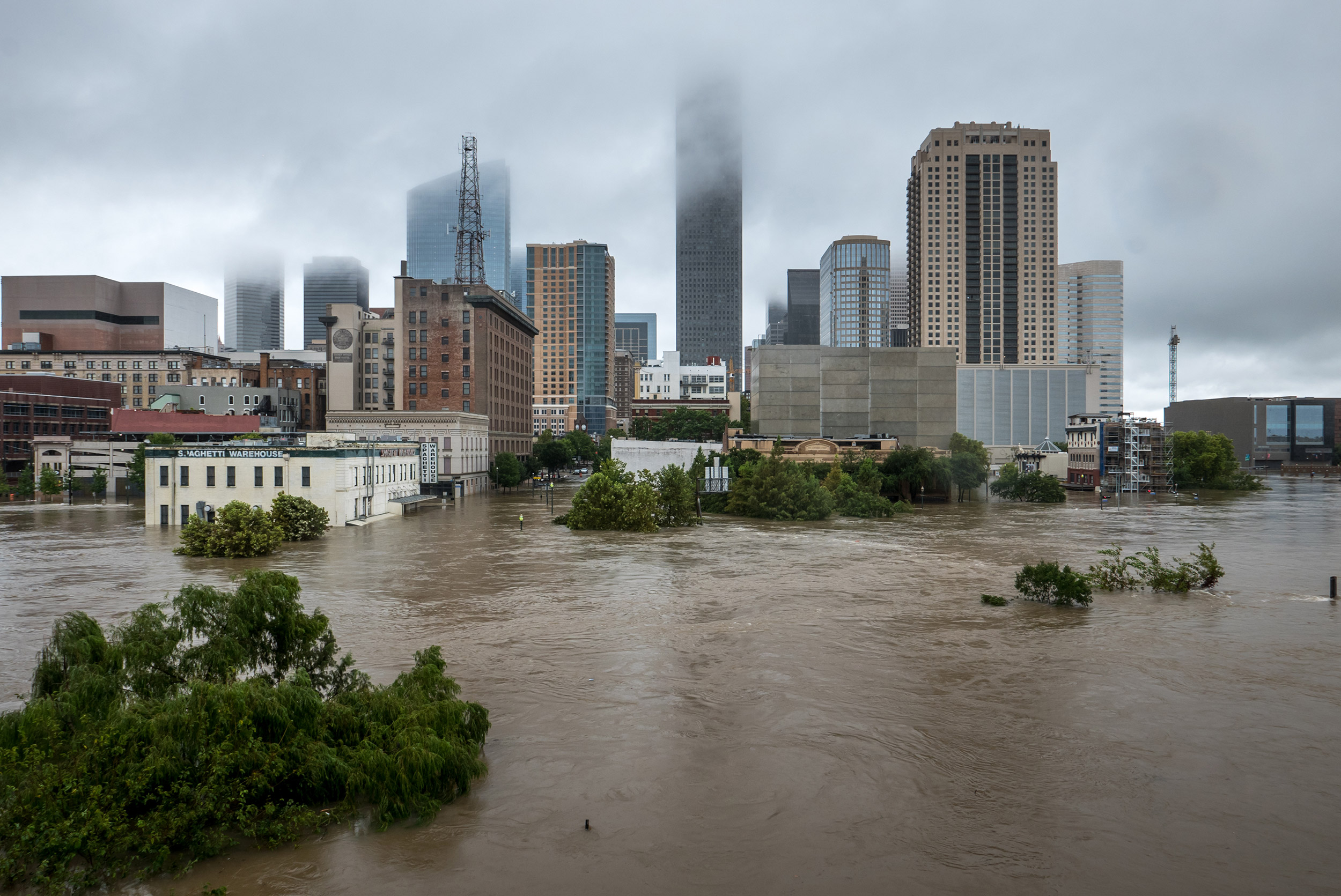
Water has the ability to connect and to divide in equal measure. It shapes the way we experience our communities, sometimes quietly by fostering moments of reflection or gathering, and other times as a force that is impossible to ignore. That force was made clear to me during Hurricane Harvey in 2017. I, like so many of my fellow Houstonians, woke up to find four feet of water surrounding the apartment building where I lived, a road I drove every day transformed into a flowing river. What was once familiar became unrecognizable overnight.
In the days that followed, the water’s impact extended far beyond what I could see from my window. It separated people from their homes, disrupted entire neighborhoods, and exposed vulnerabilities across the city. Communities were fractured in ways that were both immediate and lasting.
Yet, within that disruption, a collective response began to take shape. Images of residents rescuing their neighbors by boat, people clearing debris from loved ones’ and strangers’ homes alike, and families opening their doors to others showed how even in the face of the division caused by disaster, people found ways to come together. Hurricane Harvey was a shared experience, one defined not just by loss but also by resilience and connection.
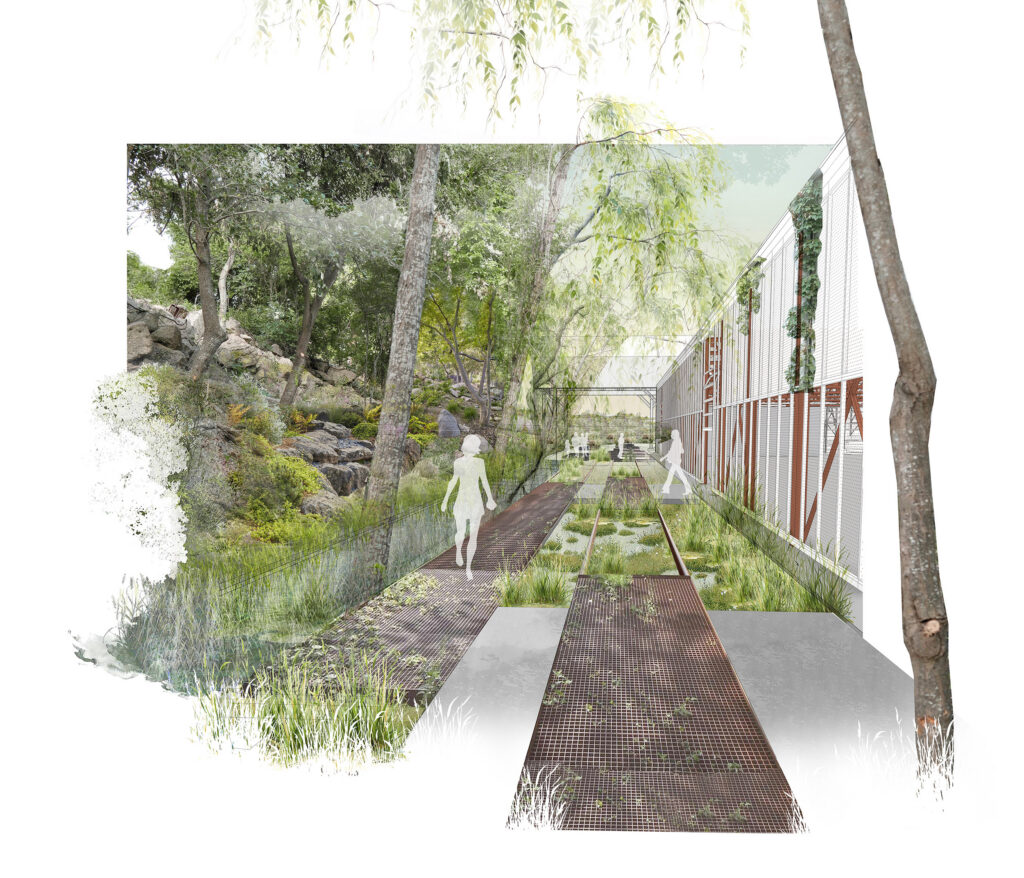
In Houston, water also shapes some of the city’s most meaningful public spaces. Buffalo Bayou is designed with the understanding that it will change over time and with changing conditions. Trails, open space, and gathering areas that are active and full of life one day may sit under water the next, their periodic flooding an intentional part of the design. I spent years walking my dog Moose along those trails, watching the landscape shift with the rhythms of the bayou and the weather. The bayou is not simply infrastructure or a waterway that expands during storms. It is a place where people walk, exercise, spend time with family, gather with friends, and reconnect with nature.
These types of spaces reinforce the responsibility architects carry in shaping environments that can withstand and respond to forces beyond our control. Water is not only a design constraint, but a reality that requires thoughtful consideration. How buildings protect, how communities recover, and how systems support people in moments of disruption all matter. At the same time, water continues to offer opportunities for connection across scales. From civic spaces to neighborhood amenities, places shaped by water can also become settings where shared experiences begin to take hold.
A force that demands respect, water shapes our cities and communities in ways that are both visible and unseen. As architects, our role is not only to protect against it, but to understand and design in harmony with it in ways that support resilience while also creating spaces that foster connection. In doing so, we can help shape environments that respond to change while continuing to bring people together, even in the face of uncertainty.

Krystyn Haecker, AIA, is a principal and partner at Mirador Group in Houston and the 2026 TxA president.

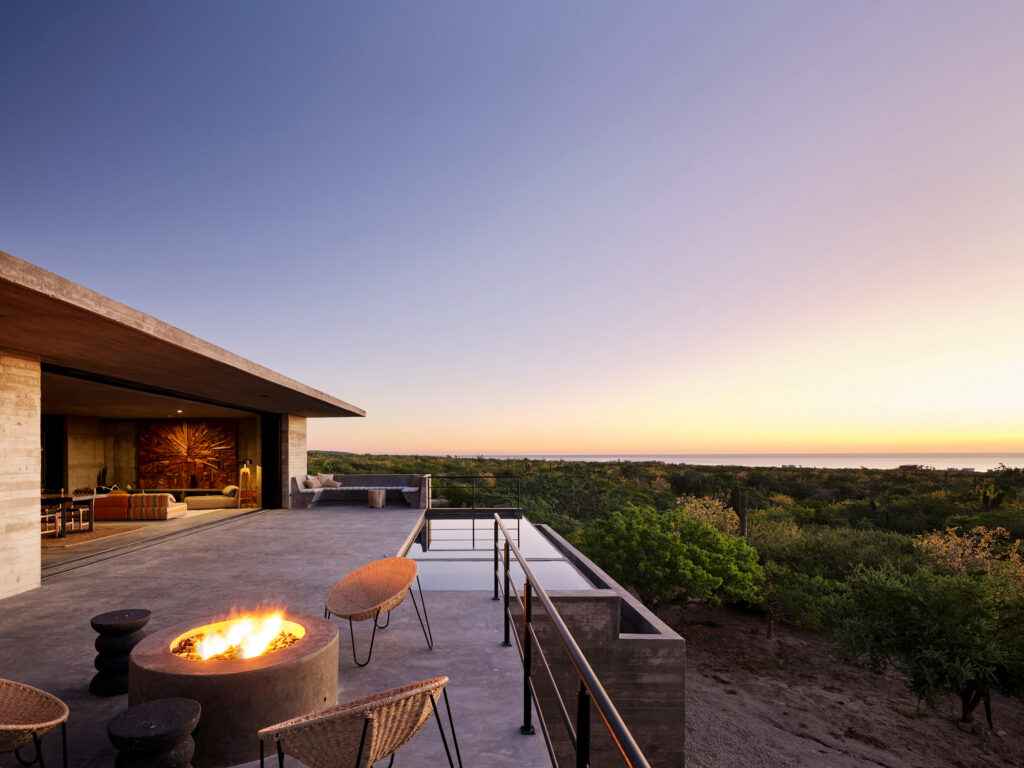
Desert, sky, and ocean converge at a remote retreat in Mexico.
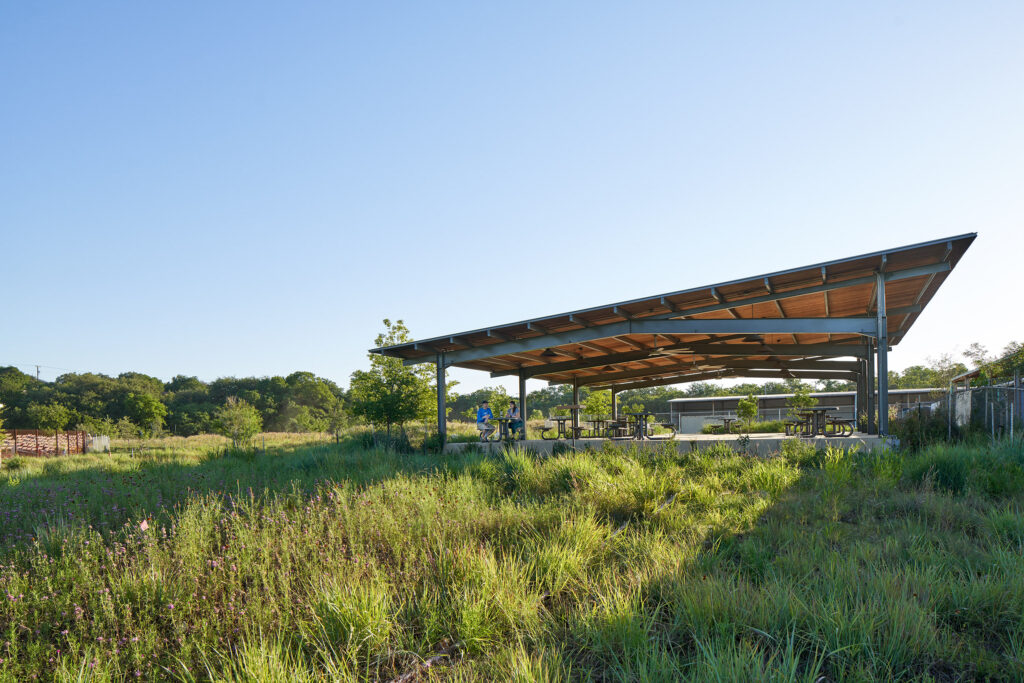
Plunging into Texas Water Conservation
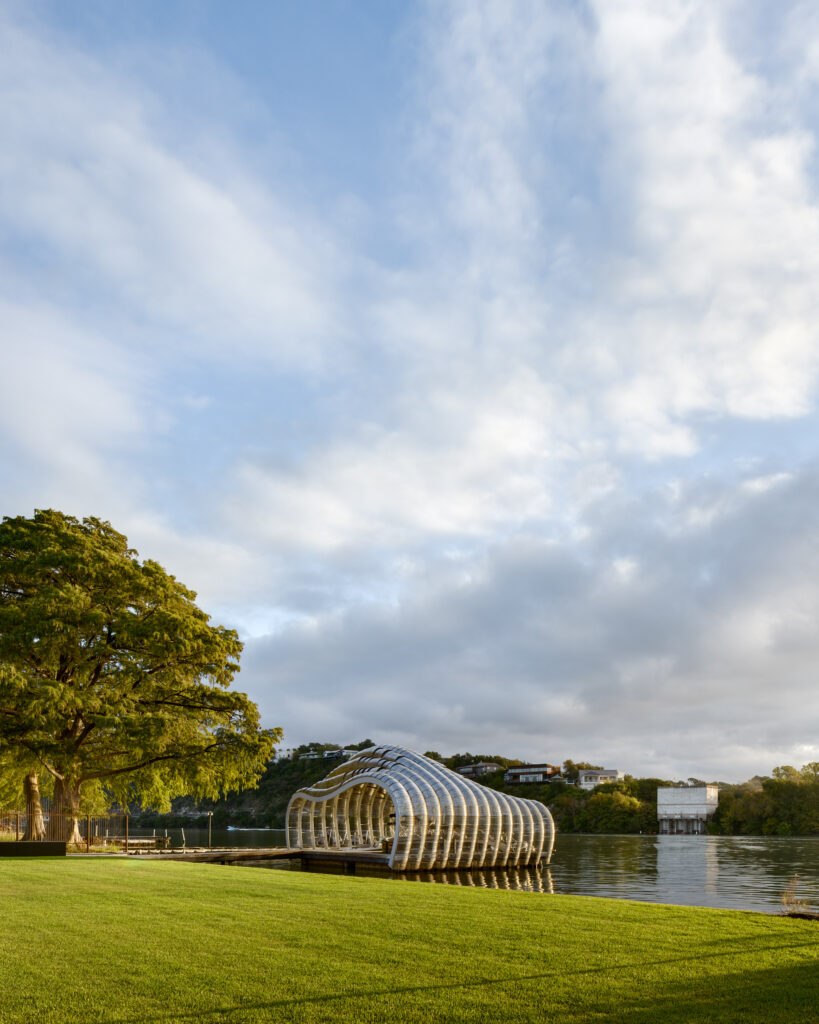
Where form and atmosphere converge

Designing data centers for a resource-constrained future
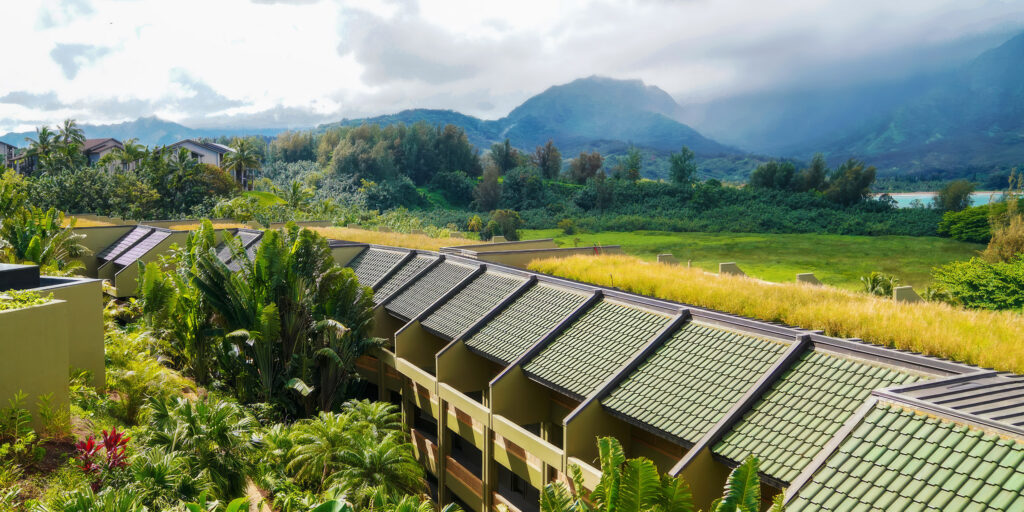
A luxury resort is made smaller and greener.
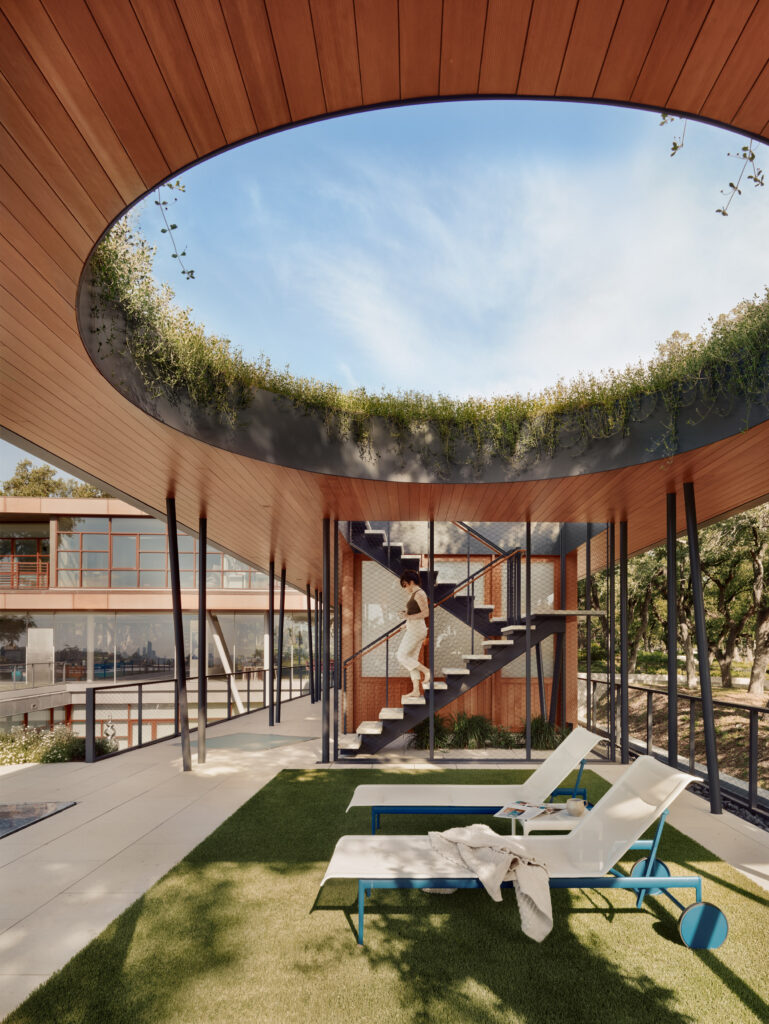
A room for every season
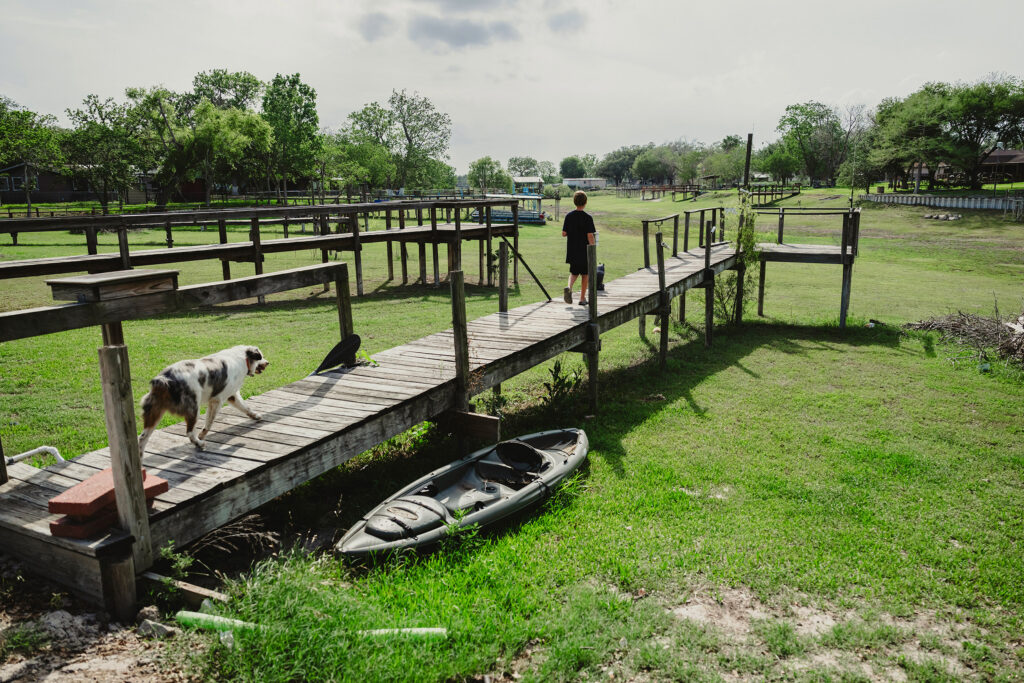
Corpus Christi’s water crisis reveals the challenges of planning for growth.
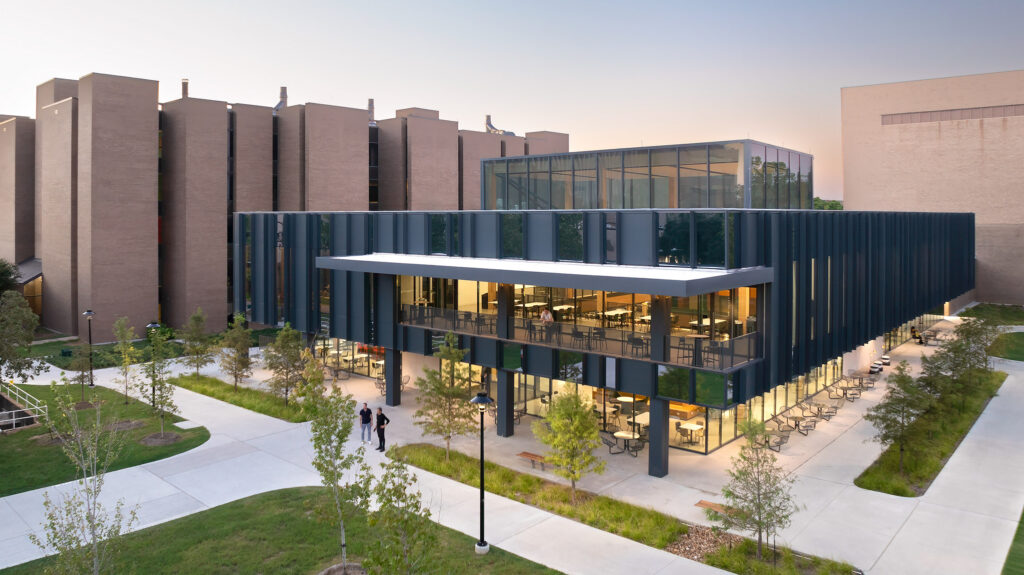
Reimagining a campus landmark after Harvey
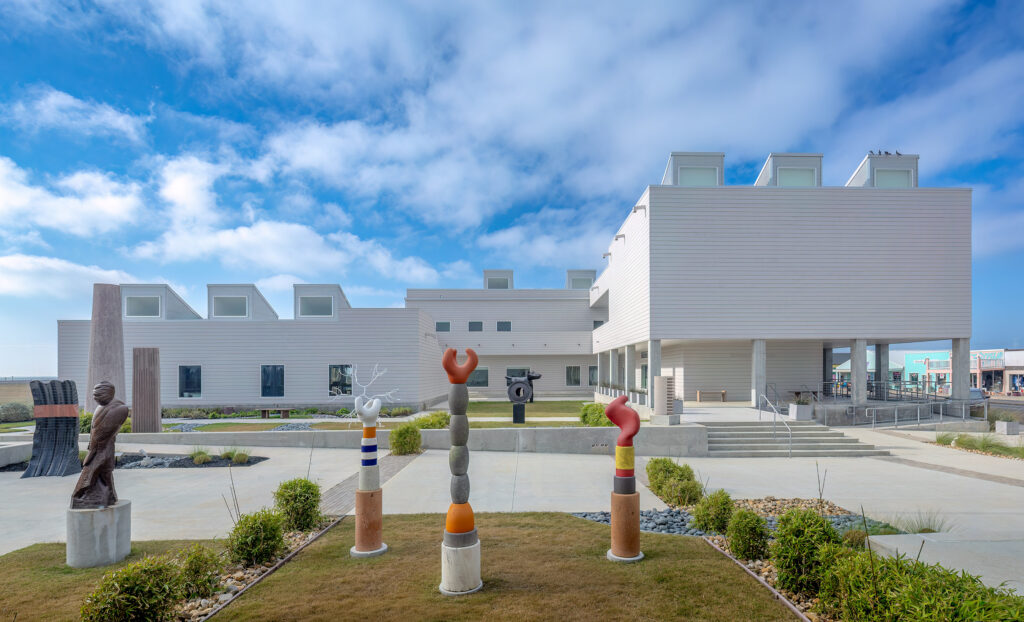
A center for the arts sustains Rockport’s creative community.
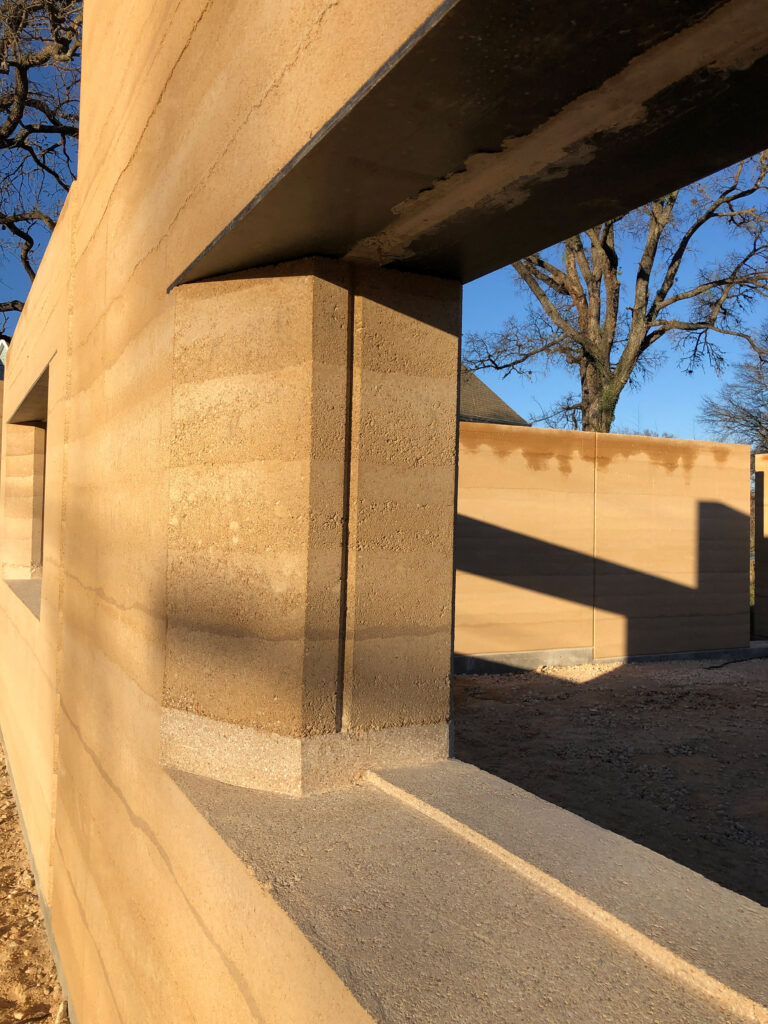
The Why and How of a Rammed Earth Enclosure
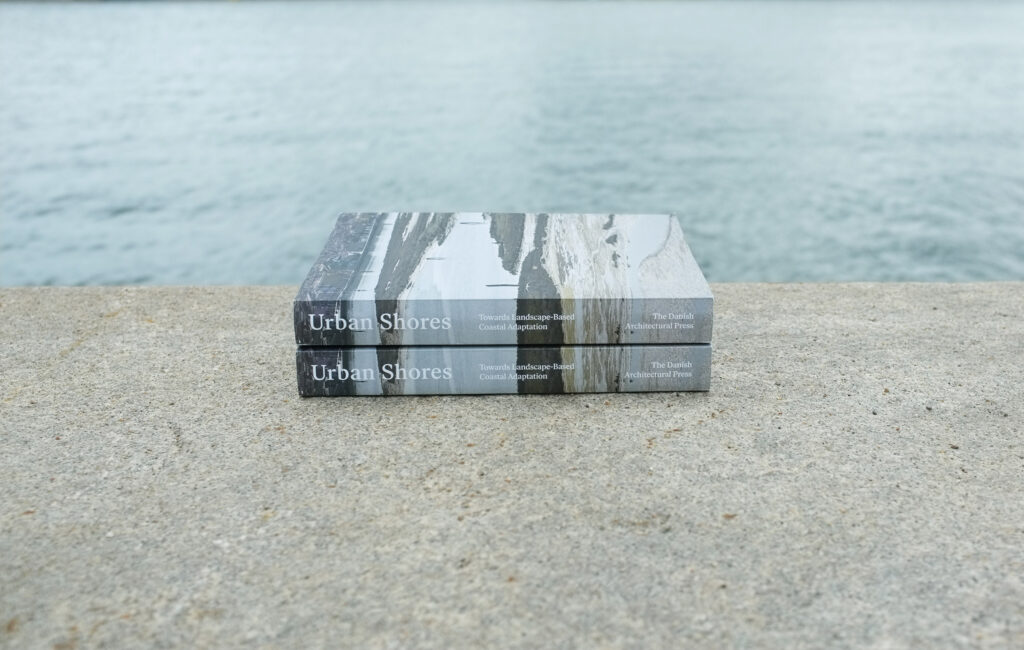
Urban Shores: Towards Landscape-Based Coastal Adaptation
Anna Aslaug Lund, Ole Fryd & Gertrud Jørgensen
Danish Architectural Press 2025

Earthy, warm hues, such as amber, terracotta, and violet, bring a grounding touch to these new kitchen and bath products.