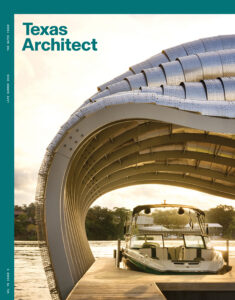
Water
Editor's Note
“If there is magic on the planet, it is contained in water.”
—Loren Eiseley, American anthropologist
Without water, there is no life. This clear, flavorless, amorphous substance fundamentally shapes our bodies, our landscapes, our cities, and our economies. Roughly 60 to 70 percent of the human body is composed of water, a visceral reminder that our dependence on this precious resource is both intimate and absolute. Yet water is also capable of tremendous destruction. When balanced, it nourishes communities and ecosystems, but in great quantities—or when absent—it can just as easily overwhelm through drought, flood, and sea-level rise.
Few places understand this paradox better than Texas.
Across the state, issues surrounding water are becoming some of the defining challenges of our time. Population growth, aging infrastructure, changing climate patterns, and increasing demands on finite resources are forcing communities to reconsider how water is managed, conserved, distributed, and shared. The questions are no longer simply technical or environmental; they are civic, economic, and increasingly moral.
In this issue, we explore the many facets of water and our entangled, sometimes fraught, relationship with it. We look at emerging conservation policies and planning efforts in Texas municipalities, consider the growing demands for water and energy in data centers, and investigate the ongoing water supply challenges facing the Coastal Bend. We also revisit communities rebuilding nearly a decade after Hurricane Harvey, where design has become a tool for recovery and adaptation. Together, these stories reveal how decisions made today will shape the resilience of communities for decades to come.
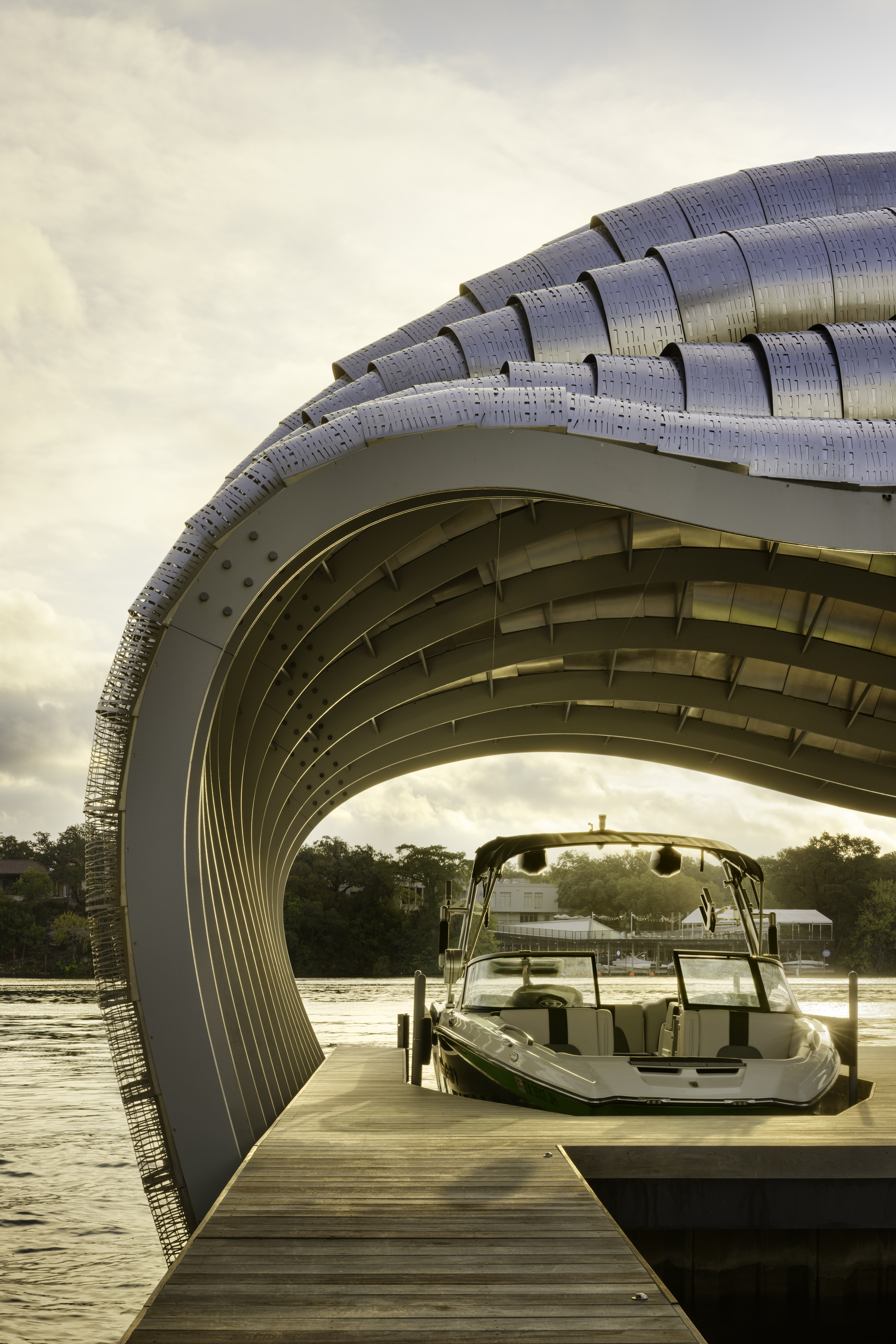
But despite these high-stakes scenarios, the projects featured in these pages—from waterfront retreats and gathering spaces to thoughtful interventions along rivers and coastlines—also demonstrate the myriad ways architects engage with water to nourish the body and lift the human spirit. Whether scarce or abundant, tranquil or destructive, water is never static and remains a source of fierce beauty and inspiration—of magic.
—Anastasia Calhoun, Assoc. AIA, NOMA

More from this Issue
View All Articles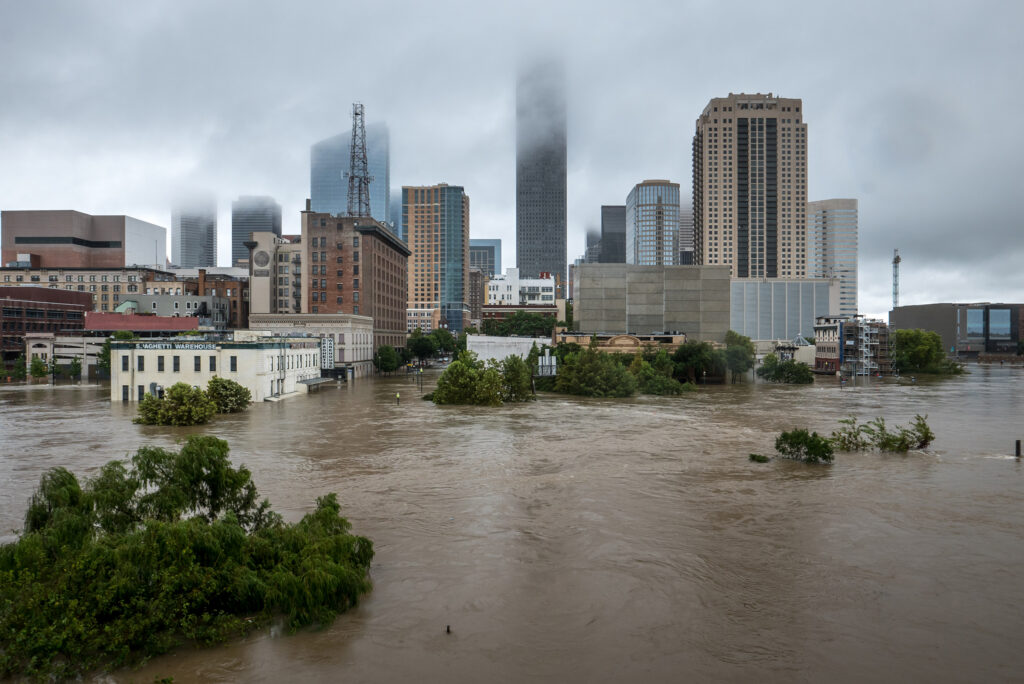
Jul 28, 2026
Water has the ability to connect and to divide in equal measure. It shapes the way we experience our communities,…
Jul 28, 2026
Houston has always negotiated with water—through shipping infrastructure, flood control systems, and the bayous that shaped the city long before…
Jul 28, 2026
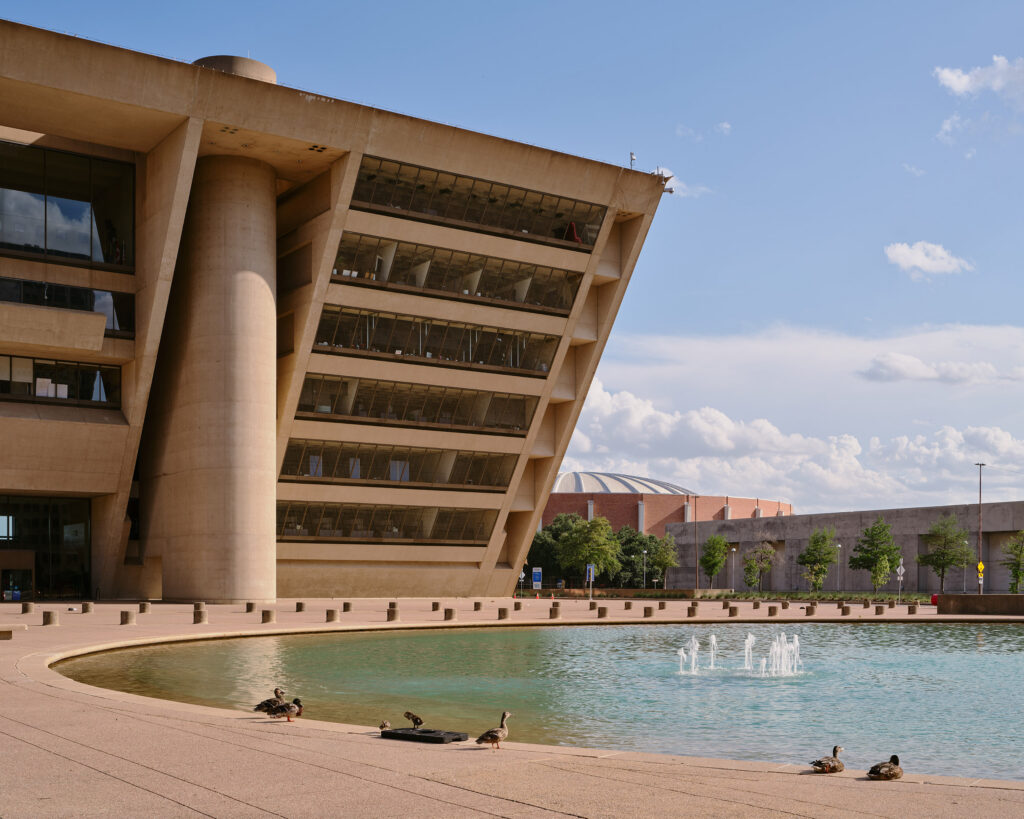
If “deferred maintenance” is the government’s version of the excuse “the dog ate my homework,” then some Texas cities may…
Jul 28, 2026
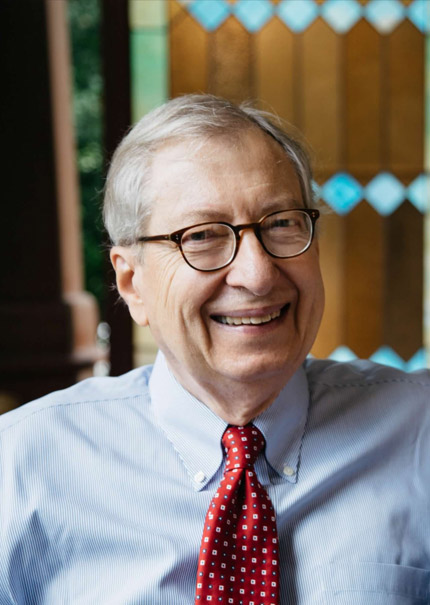
Paul Kinnison Jr., FAIA (June 3, 1938–February 11, 2026), was born in San Antonio, the eldest of three children, and…
Jul 28, 2026
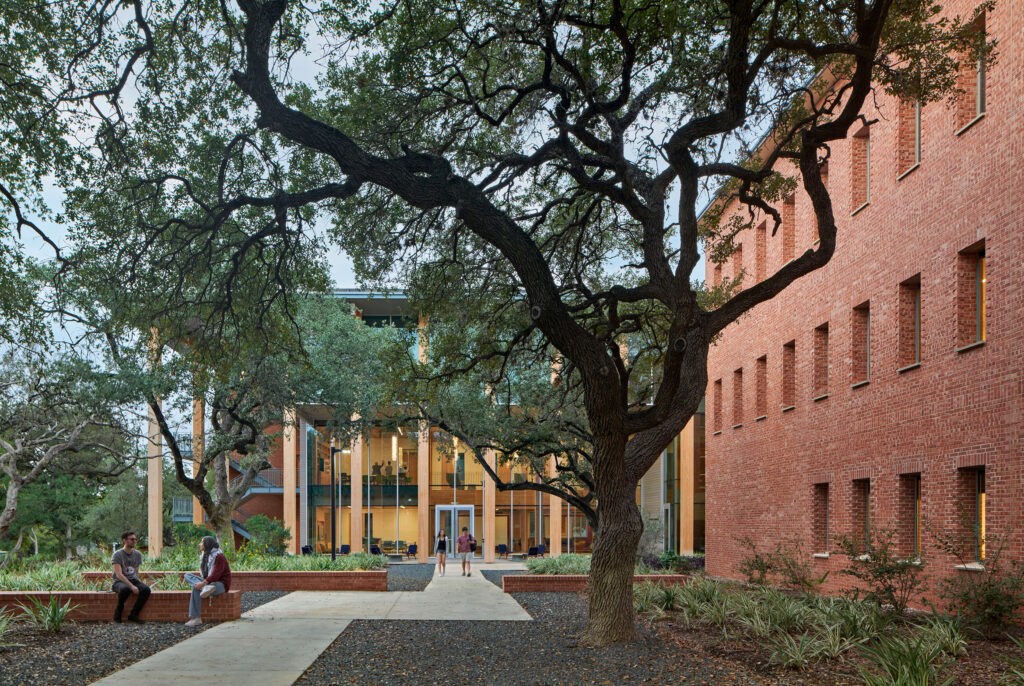
In 1983, I wrote an article for Architecture magazine titled “O’Neil Ford’s Caring Campus,” describing the work done for Trinity…
Jul 28, 2026
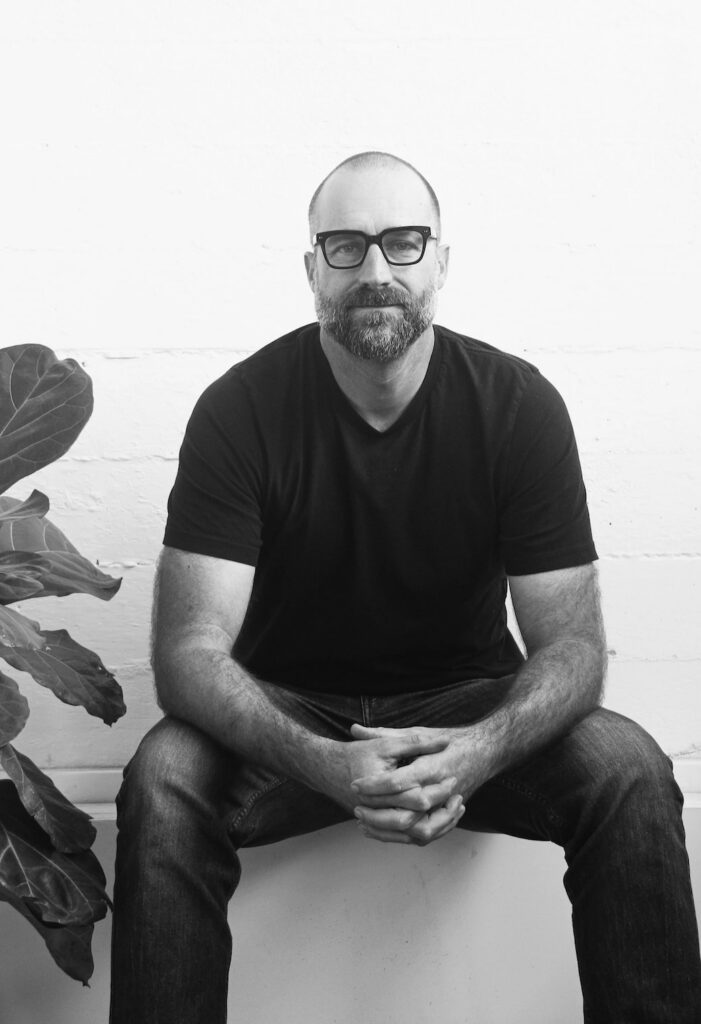
David Sellers, AIA, is the co-founder of Hawaii Off Grid Architecture & Engineering (HIOG) and a leading advocate for sustainable…
Jul 28, 2026
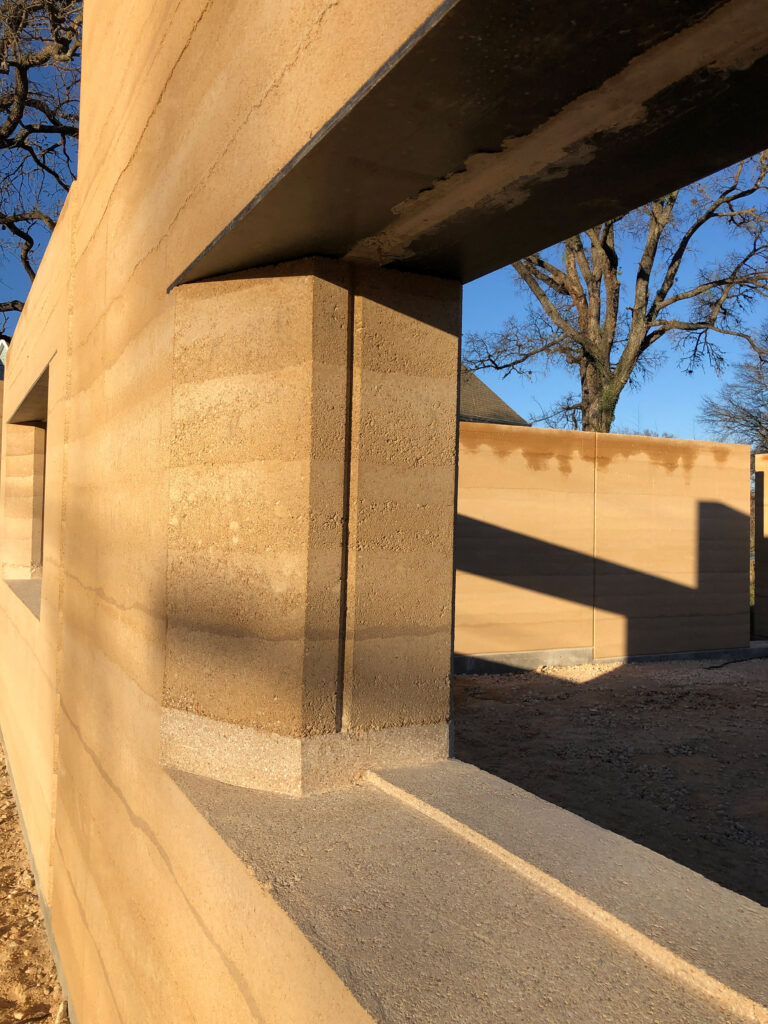
The Why and How of a Rammed Earth Enclosure
Jul 28, 2026
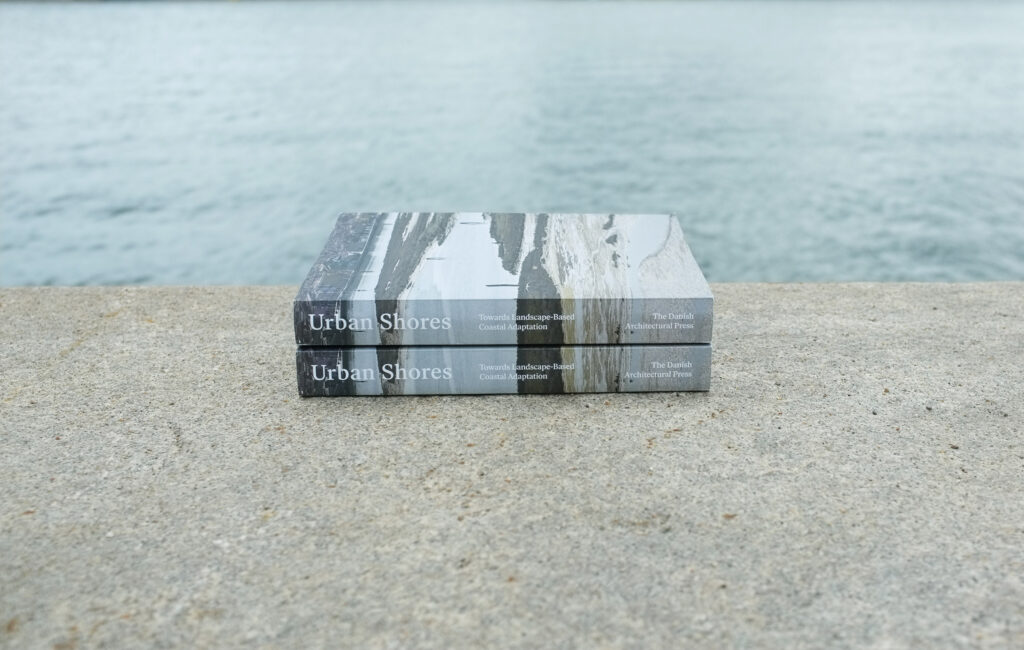
Urban Shores: Towards Landscape-Based Coastal Adaptation
Anna Aslaug Lund, Ole Fryd & Gertrud Jørgensen
Danish Architectural Press 2025

Jul 28, 2026
Earthy, warm hues, such as amber, terracotta, and violet, bring a grounding touch to these new kitchen and bath products.
Jul 28, 2026
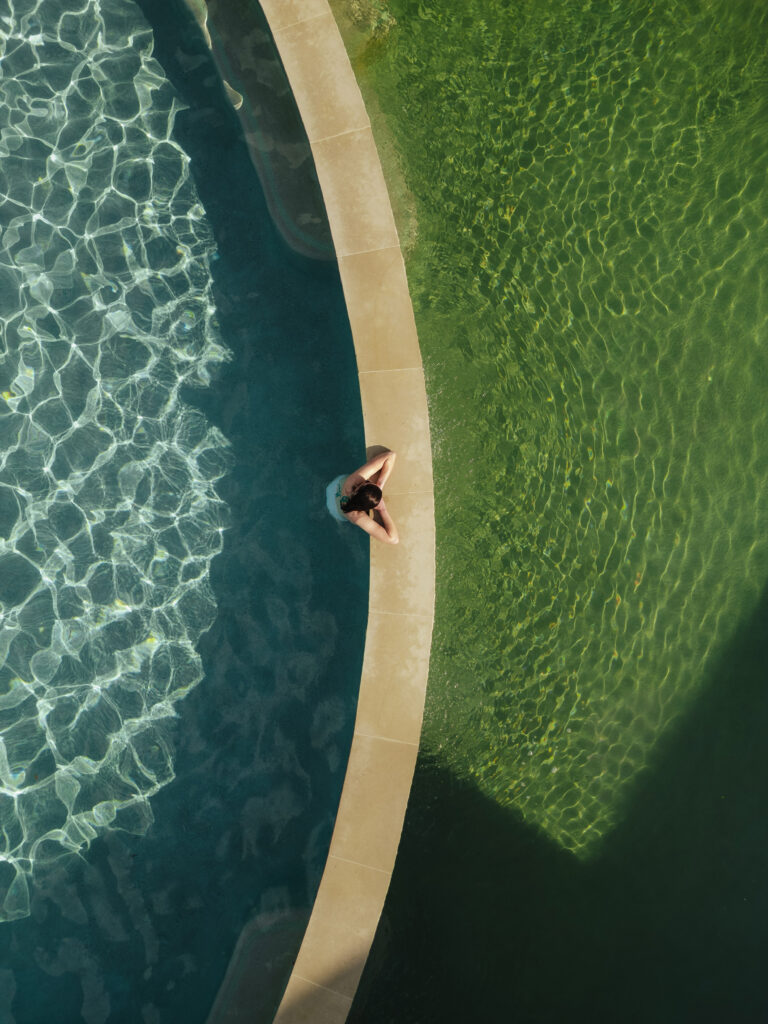
Ottine Mineral Springs is marking its first anniversary with new amenities and expansion plans that continue the transformation of the…