
Jul 28, 2026
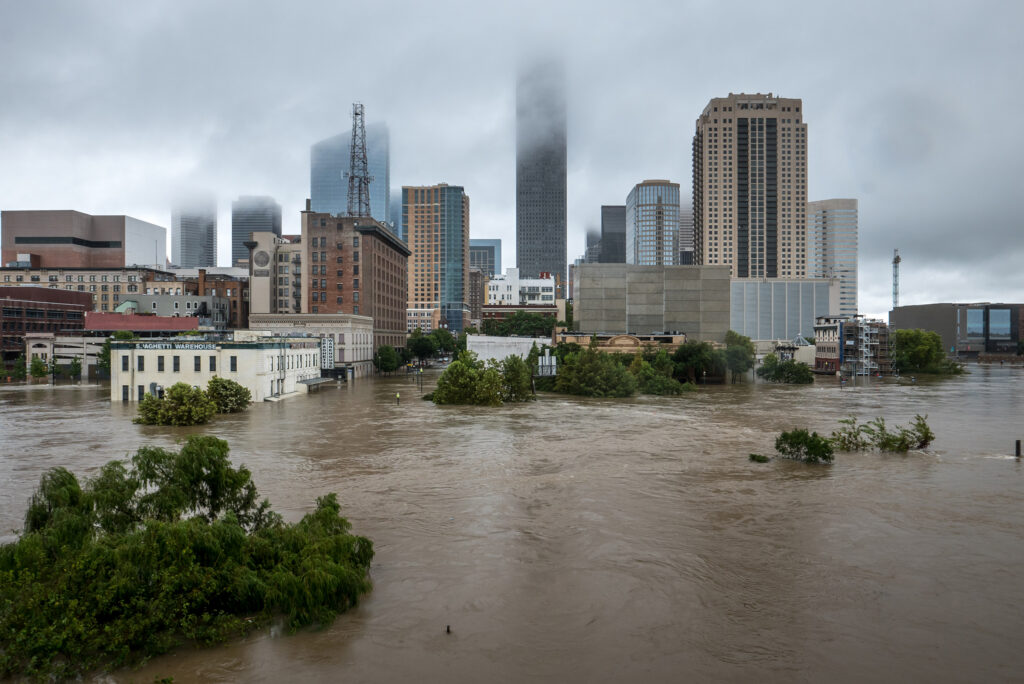
Water has the ability to connect and to divide in equal measure. It shapes the way we experience our communities,…

Plunging into Texas Water Conservation
Millions of years ago, I was a vast, unbound ocean, home to vital waters that provided refuge for multitudes of phylum Brachiopoda, cephalopods, graptolites, and trilobites. My beautiful seabuds, the blastoids. In the Triassic, wild rivers crossed my land, feeding the gaping maw of hungry phytosaurs, desperate Triopticus primus, Postosuchus, and other archosaurs. There are species still hidden in the mysteries of my ancient Capitan Reef that will never be found. Seas rose to meet the peaks of the Hueco Mountains down to the Llano Uplift, and beyond to the ebbing coastline, gifting this place, this land, with an abundance of anemones. Across the fossil record, from the Precambrian to the Pleistocene epoch, I have provided and I have witnessed change. Further down this timeline, cities bulge with life, towns glisten with vapor-thick air, and brilliant discoveries reveal wonders behind every drop. I am as old as my hope is young.
Sip water, and remember what matters. Who matters. We share this space together, partners in the outcome of each choice we make.
—The Voice of Texas
A drop of water falls in a rivulet down the curved spine of a leaf, diving expertly to the thirsty soils of the Edwards Plateau. It disappears in an instant, chasing an invisible river 60 miles east, emerging through a karst limestone crack. Water is a vanishing and complex friend, pulled by gravity and dedicated to its ancient pathways. Beneath Texas’s diverse geology exists a hidden labyrinth of waterways stretched thin by growth and a volatile climate. Two hundred million years since the last archosaur roamed the riparian shores of Texas, blistering days turn to shivering nights with floods, droughts, and too little groundwater, exposing a precarious moment in history. The unglamorous reality of water in 2026 A.D. alludes to tomorrow’s fossils and the stories they will surface.
The Lone Star State contains roughly 191,000 miles of streams and rivers, 196 major reservoirs, 188 major water-supply reservoirs, 8 million acres of wetlands, 1,990 square miles of bays, and 3,879 square miles of Gulf waters along 624 miles of coastline. It boggles the mind. Texas also recognizes nine major aquifers and 22 minor aquifers covering different regions of the state. It’s no secret that, like many parts of the world, our state is getting hotter, drier, and more populated, placing strains on the water systems etched into all aspects of life.
According to the Texas Water Development Board’s (TWDB) 2022 Texas State Water Plan, water supply is projected to decrease by 18 percent by the year 2070, while demand is expected to increase by 9 percent. Municipal water demand is also projected to exceed agricultural irrigation use for the first time by 2060. Today’s third graders will be 42 years old. As withdrawal continues to outpace recharge across most major systems, there is an impending threat to both agricultural viability and long-term water security. Despite this bleak, data-driven outlook, there are solutions that can rewrite the next chapter for Texas water health. Joined by a shared belief in the power of technology, science, design, and storytelling, these methods are buoyed by human ingenuity.
FILTERING
Jennifer Walker is the director of the Texas Coast and Water Program at the National Wildlife Federation. She focuses on statewide water policy issues, with an emphasis on water planning, infrastructure funding, urban water management, and bay and estuary protection. Her passion for sustainable water sources for fish and wildlife led to her professional and volunteer citizen work with the City of Austin’s Water Forward policy.
“It’s one of the things that I’m really proud of,” she states. “It changed the trajectory of how our community is going to meet our water needs in the future. We were at a fork in the road, and we went down the path of living within our available water supply. It’s the more complicated solution, but the more resilient one.”
What began as a drought from 2011 to 2015 exposed water-supply reservoirs at lower levels than ever before and led city leaders to explore emergency supply measures. With only six weeks to propose actions, Walker and the other members of the group worked tirelessly toward reductions and alternatives until, surprisingly, the rains came. Saved from implementing their emergency measures, the group faced the realization revealed by their research: Austin relies on a single source of water, and to become sustainable as the city grows, it would have to diversify its water supply.
The result was Austin’s 100-year water-resource management plan, adopted in 2018, focused on conservation, reuse, and supply diversification. This is Water Forward.
Austin has long recognized the need for emergent innovation in water policy. The purple-pipe system in place since the 1990s allows the city to use reclaimed water from sources like air-conditioning condensate, washing machines, and kitchens for nonpotable uses such as irrigation, toilet flushing, and cooling towers, all flowing through a separate “purple” pipe system. Wastewater piped through purple-colored mains reduces demand on potable water supplies.
Water Forward complements the purple-pipe reclaimed-water structure as an integrated water-resource management system that treats rainwater, stormwater, graywater, and wastewater as resources rather than waste. The plan provides for widespread onsite nonpotable systems in new large-building projects. As Austin updates its plumbing, building, and land-development codes to implement Water Forward, architects must design buildings that physically incorporate dual plumbing, treatment rooms, and space for tanks and mechanical equipment. The plan focuses on aggressive conservation and efficiency, utilizing new developments and public buildings as anchors to the system.
In March 2024, Austin City Council approved Go Purple, a major amendment to the Water Forward package. Go Purple makes water reuse mandatory for most new developments larger than 250,000 square feet. If projects are located within 500 feet of existing purple-pipe infrastructure, they must either connect to the reclaimed system or build an onsite reuse system. Incentives such as reduced fixed charges, expedited permitting, cost-sharing, low-interest financing, and Property Assessed Clean Energy (PACE) assessments are provided by the city to keep projects financially feasible, with certain exemptions for qualifying affordable housing.
Impacts from these measures are invigorating water stewardship in both the built and natural environment. In North Austin, at Apple’s new campus, more than 60 percent of the property is landscaped and includes a 50-acre nature and wildlife preserve open to the public. Apple’s 2026 Environmental Progress Report shares a robust water strategy using “tools like the World Resources Institute (WRI) Aqueduct Water Risk Atlas to gain insights into local watershed health, such as baseline water stress.”
Their recently completed onsite water facility at the Austin office prioritized low-water design while improving local watershed health. The 225,000-gpd system uses condensate recovery and stormwater capture, limiting potable water use to potable purposes only. The 60 million gallons of freshwater saved annually by using wastewater for cooling equates to 28 million kilowatt-hours per year in energy savings.
The report states: “We focus on the critical link between energy and water consumption in cooling systems. Careful analysis of this relationship can present opportunities for dual savings and minimized trade-offs. We investigate ways to improve our cooling systems and evaluate alternative technologies that could replace existing methods.”
The Water Forward plan is the first in Texas with a 100-year timeframe, which could mean incredible shifts if commercial and industrial buildings begin to think about water the way they do energy. “We want to live within our water footprint, upstream and downstream,” Walker explains. This positive vision for an interconnected, water-forward future is blossoming across the state.
RESTORING
Along the banks of the Comal River, 57 miles northeast of San Antonio, the next generation of water conservationists is learning to go beyond resource resilience to celebrate what water means. Headwaters at the Comal is New Braunfels Utilities’ (NBU) conservation legacy project on a 16-acre site in the Edwards Plateau. Located where Comal Springs—the largest artesian springs in the southwestern United States—meets Blieders Creek, archaeological evidence and oral histories reveal the story of more than 500 generations of Tonkawa, Lipan, Waco, and occasionally Karankawa, Kickapoo, Coahuiltecan, and Comanche peoples.
NBU’s foresight in inspiring a deep appreciation for the land, water, and cultural history that make the region special led to a thoughtful, phased approach that favored simplicity and subtraction.
Sixteen years ago, NBU was thinking about what would be needed 20 years into the future. The notion of rewilding and teaching the community how to be smart with water was ahead of its time. Principal Matt Wallace, AIA, co-leads the Lake Flato Eco-Conservation Studio, where he works on projects that honor the complex ecologies of their sites, like Headwaters at the Comal.
Phase 1 began with the large-scale removal of impervious ground cover and the reseeding and propagation of native plants. Alongside Ten Eyck Landscape Architects and the Lady Bird Johnson Wildflower Center Ecosystem Design Team (now the Blackland Collaborative), Wallace and his team at Lake Flato Architects worked to restore ecosystems, establish native plants, and develop smart uses of water.
The multiphase project focused on reusing structures and existing building pads on the property to reduce the carbon footprint while restoring as much of the site as possible to the memory of its natural state.
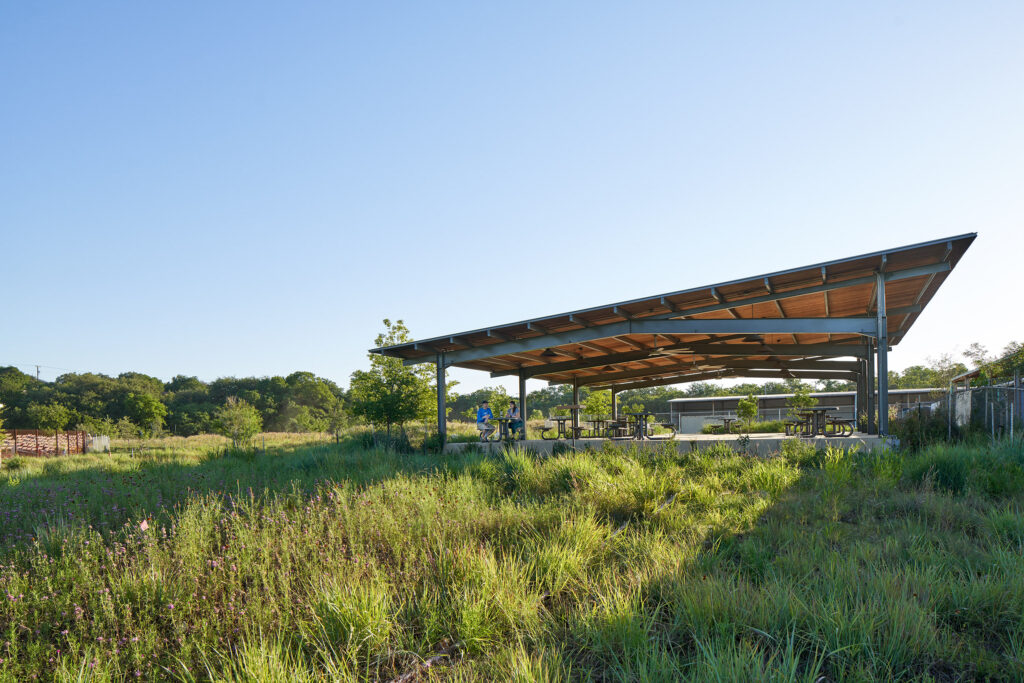
“The story about this project is the whole system of water,” says Wallace. “A building that highlights ecosystems, starting with pillowy clouds above that capture rain and funnel the rain underground. The water filtering into Edwards Aquifer below percolates out, funneling larger step pools that bring you to the entry and speak to the journey of the Comal River all the way down to Corpus Christi and then to the Guadalupe and the Gulf.”
Raised on the shores of the Mississippi River, Wallace learned to listen to the land, asking questions about how buildings heal the landscape and where architects spot sensitivities. At first blush, it seems obvious to look at the historical ecology of a site. What Wallace understands, however, is that human interference in the environment drives restorative solutions. “It’s time architects jumped in the back seat instead of always trying to drive. We aim to build on the worst part of the landscape to preserve what is already there.”
Ecological restoration is a science-driven methodology that intertwines the expertise of ecologists, geologists, and biologists, strengthening the work of designers. Land recovery processes such as reclamation look to make land usable through leveling or neutralizing contaminants. Revitalization is usually seen in urban environments and connects aesthetic and social needs, such as transforming abandoned lots into vital public parks. Ecological restoration rebuilds natural processes. It examines water cycles, plant succession, soil and microbial life, as well as the return of fauna. By uncapping a major springhead at Headwaters at the Comal, riparian zones were cultivated and a struggling habitat revived. This is a profound level of regeneration, which is why it is often the hardest and longest process to realize.
SURFACING
Time is exactly what architects must address. It’s easy for people to lose interest and hope in projects that promise change too far in the future to shape their current lives. Training future architects to master discouragement and strengthen the hope of others is what we need to pull us back to the surface.
Architect María Peñalver Izaguirre, of Estudio Brava in Cartagena, Spain, came to Texas A&M University two years ago as a visiting professor of practice, where she lived very close to one of Texas’s iconic water towers. The super-scale and ubiquity of the structure led her to question how we look at ordinary things and see something extraordinary.
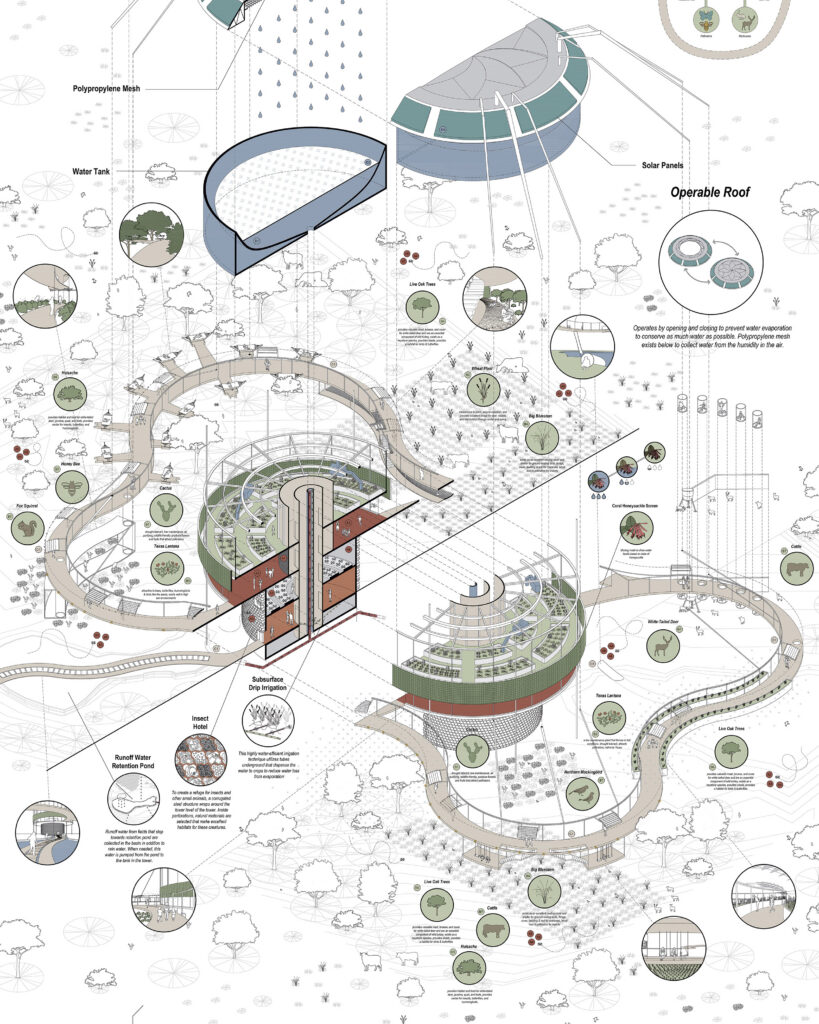
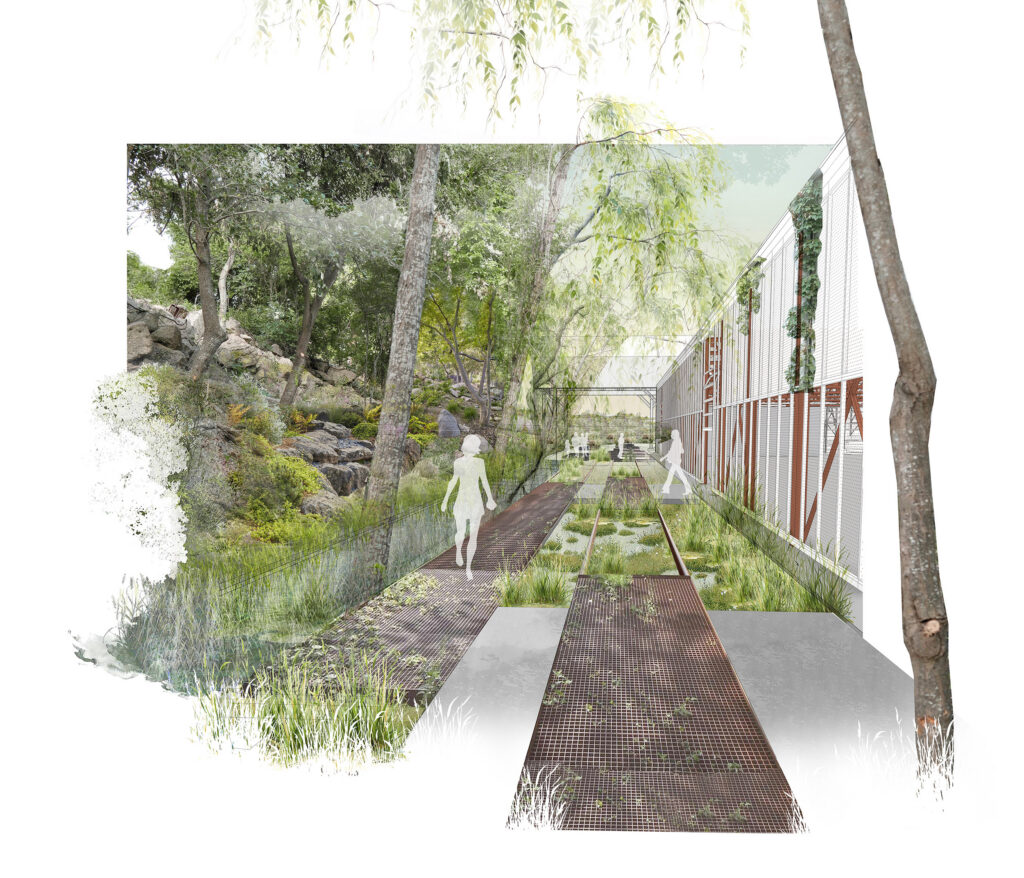
Her studio, Dreamed Water Towers, led students through a process of cataloging, speculative worldbuilding, utopian architectural design, and public dissemination. By focusing students’ attention on existing infrastructure and challenging them to see a catalyst for imagination, the studio asked them to reconcile their perception of water as more than storage and distribution.
Izaguirre explains, “Water towers are a political, cultural, and ecological artifact.”
Phase two of Izaguirre’s studio shifted from observation to strategic foresight, asking each student to imagine a scenario for Texas in the year 2050. They each wrote a short journalistic article from the vantage point of a future present. Students then translated their stories into speculative Texas Monthly magazine covers.
The prompt offered a long view of the future, asking students to describe specific events, policies, or social transformations and trace impacts across humans, landscapes, animals, and plant ecologies. Many of the stories and images were dystopian in response to the “controlled exaggeration” of reality.
From Izaguirre’s recently published paper, “Dreamed Water Towers: Speculative Pedagogies for New Environments”: “Translated to architectural pedagogy, this approach encouraged students to question not only what futures are imagined, but how representational tools shape belief, credibility, and persuasion.”
In other words, what we consume—movies, books, news, media—and what we imagine, interpret, design, discuss, and create shape the world we will all inhabit tomorrow.
The third phase asked students to take their narratives and view them through the lens of utopian architecture, not as a tool for idealism but as something to aspire toward. Each proposal adapted the water tower to one of three concepts: environmental monitoring nodes, multispecies refuges, or playful civic infrastructures.
Among the students’ conclusions was the realization that they could do more than simply design buildings. They also observed how important empathy was in the design process, as opposed to control—a critical component of ecological restoration.
In 2024, economist and Brookings senior fellow Carol Graham studied “a growing body of evidence [that] suggests that the single most consequential component of subjective well-being is hope, as it is critical to future outcomes for individuals and society.” Her work examines ways to prevent the next generation from falling into despair.
The environment—and specifically the very real consequences of climate change and subsequent resource insecurity, amplified by excessive media exposure—is playing a significant role in how humans interpret their worldview.
In her article “Hope, Despair, and Long-Term Outcomes,” Graham writes, “Hope is optimism combined with the belief that one has the agency to make things better.”
So the question becomes: How will architects design with hope to nurture agency in the conversation around water? When businesses, institutions, municipalities, developers, scientists, nonprofits, utility companies, educators, students, and architects focus on addressing even just one drop of water, it turns out the ripples can quench us all.

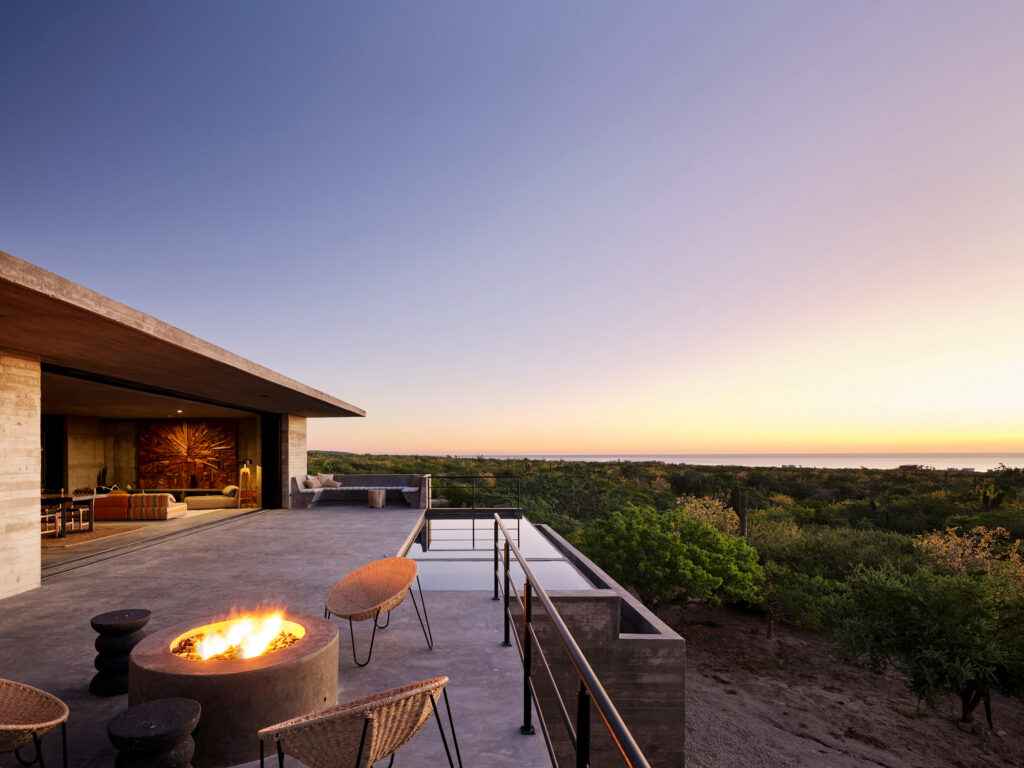
Desert, sky, and ocean converge at a remote retreat in Mexico.
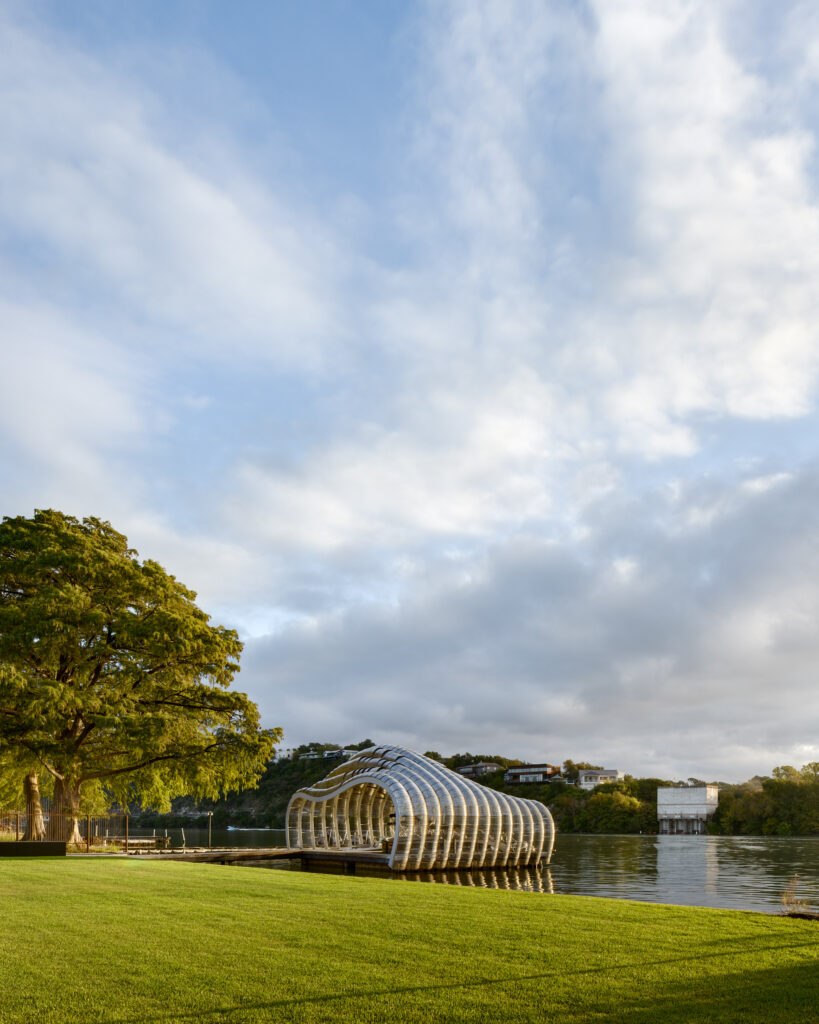
Where form and atmosphere converge

Designing data centers for a resource-constrained future
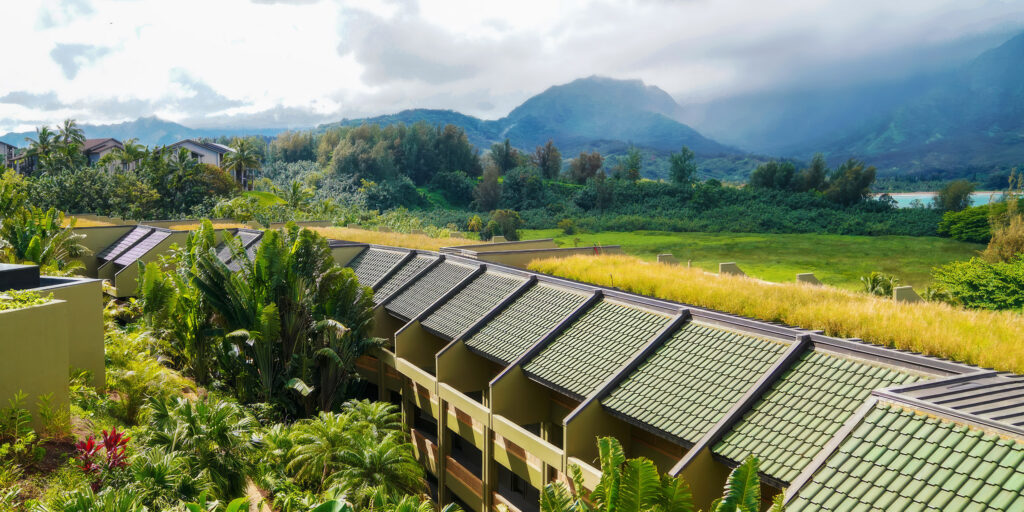
A luxury resort is made smaller and greener.
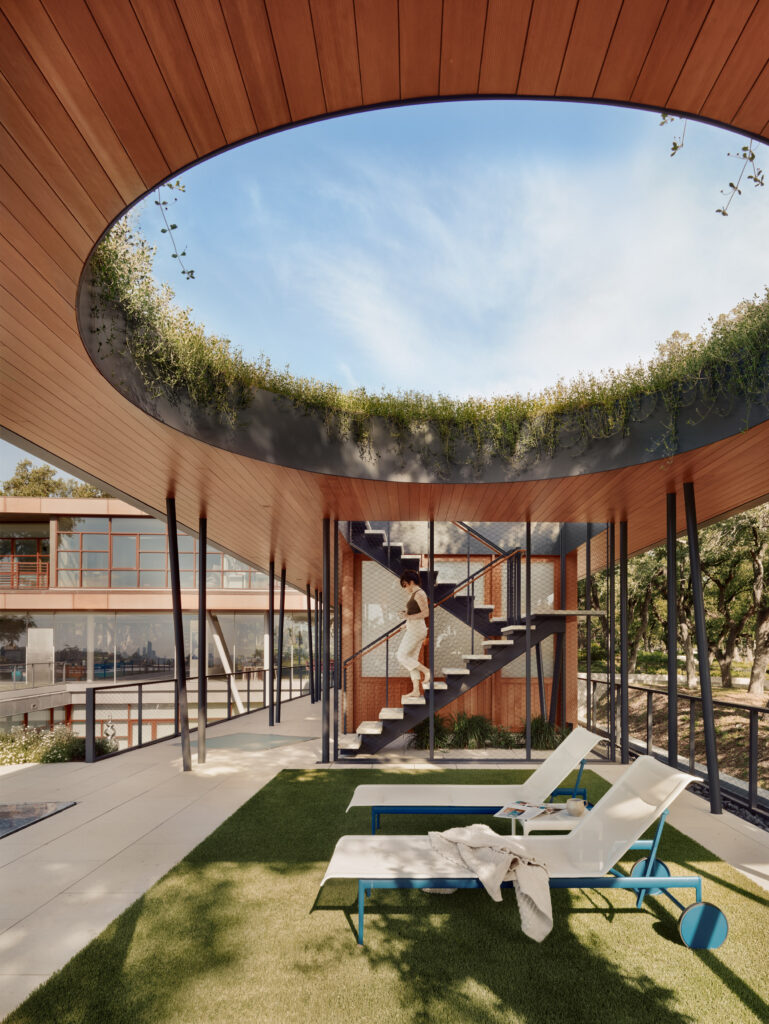
A room for every season
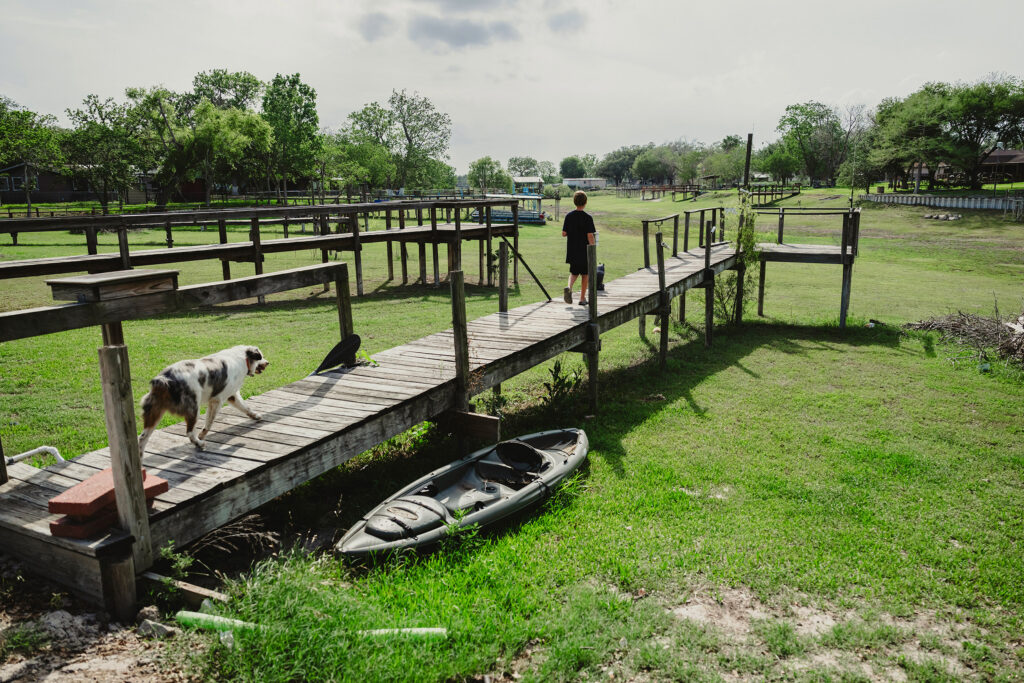
Corpus Christi’s water crisis reveals the challenges of planning for growth.
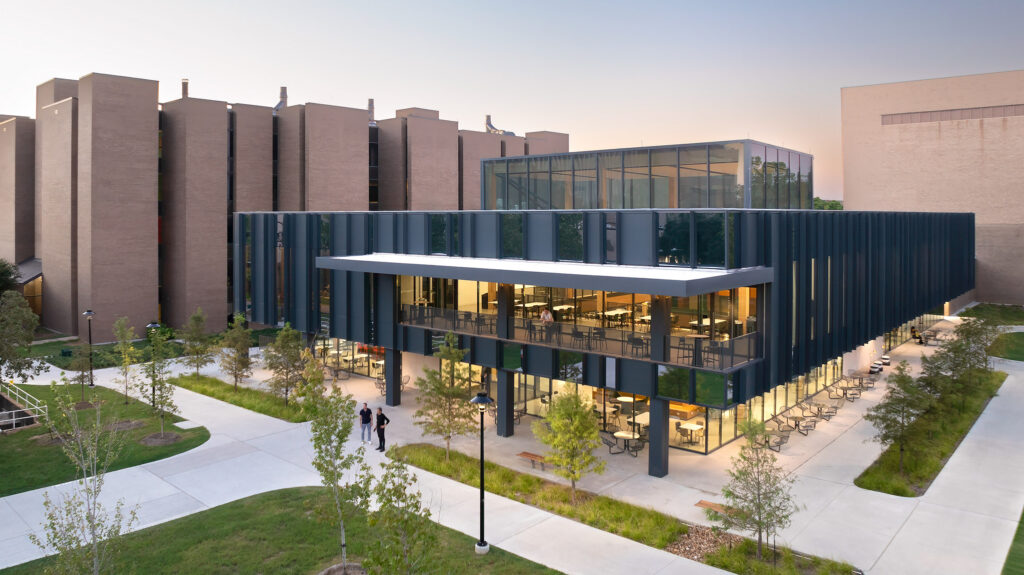
Reimagining a campus landmark after Harvey
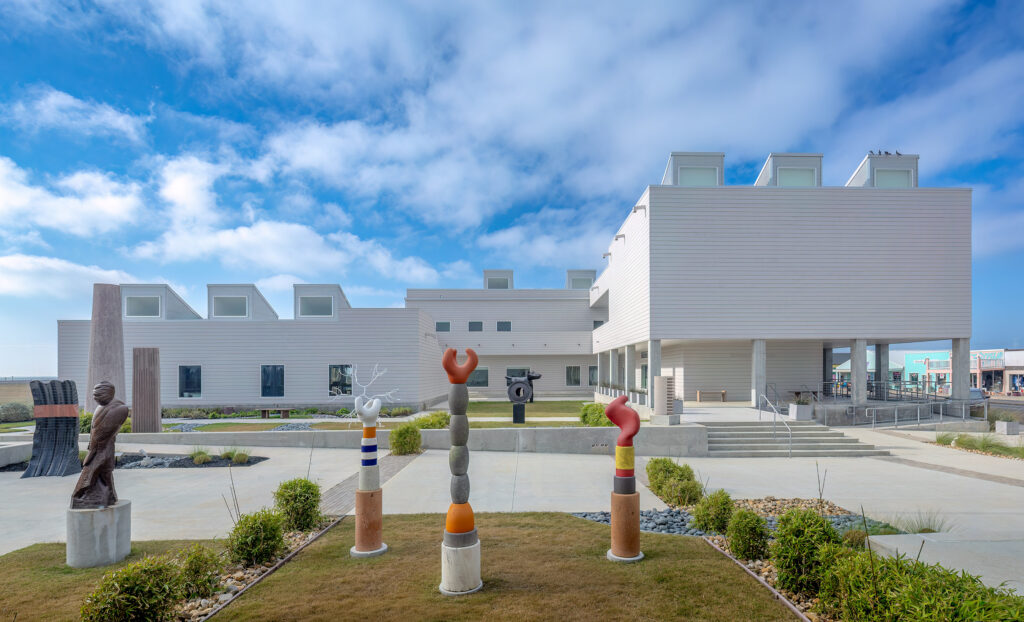
A center for the arts sustains Rockport’s creative community.
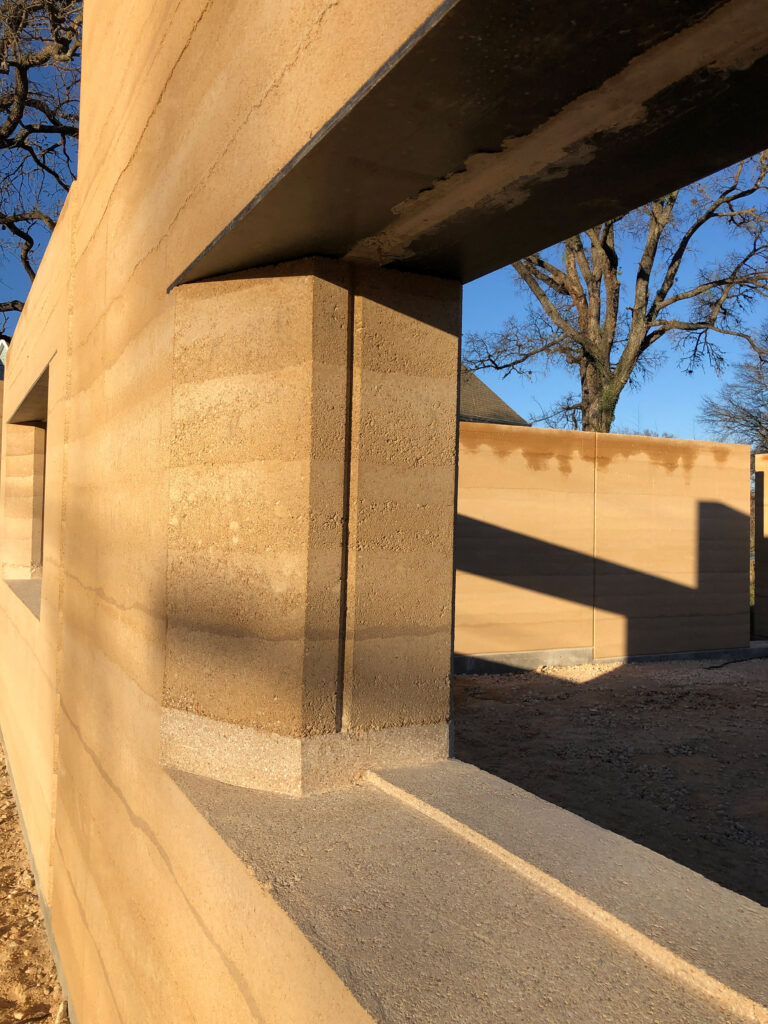
The Why and How of a Rammed Earth Enclosure

Urban Shores: Towards Landscape-Based Coastal Adaptation
Anna Aslaug Lund, Ole Fryd & Gertrud Jørgensen
Danish Architectural Press 2025
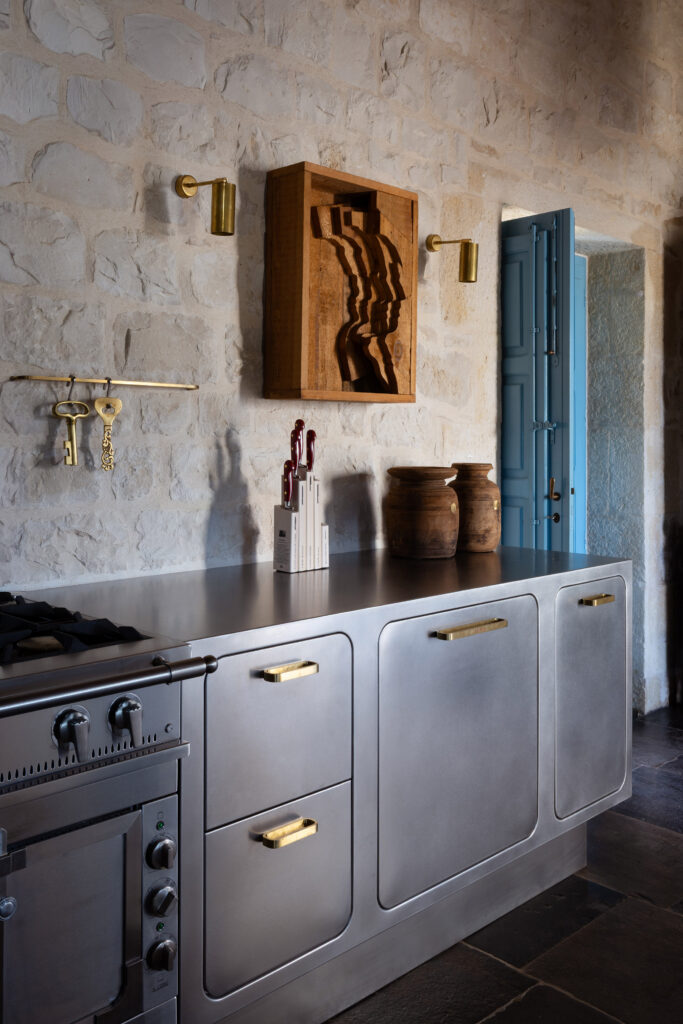
Earthy, warm hues, such as amber, terracotta, and violet, bring a grounding touch to these new kitchen and bath products.

This is a excellent article… The beginning of it is like a poem so it immediately drew me in. The idea of the Water Tower redesign, if I understand it correctly opened my mind to understanding how our survival can be solved with ingenuity and design. It gave me hope. Jessica, thank you for this article. You are a treasure to architecture and to our community.
Lorrie Castellano