Jul 28, 2026
Water has the ability to connect and to divide in equal measure. It shapes the way we experience our communities,…
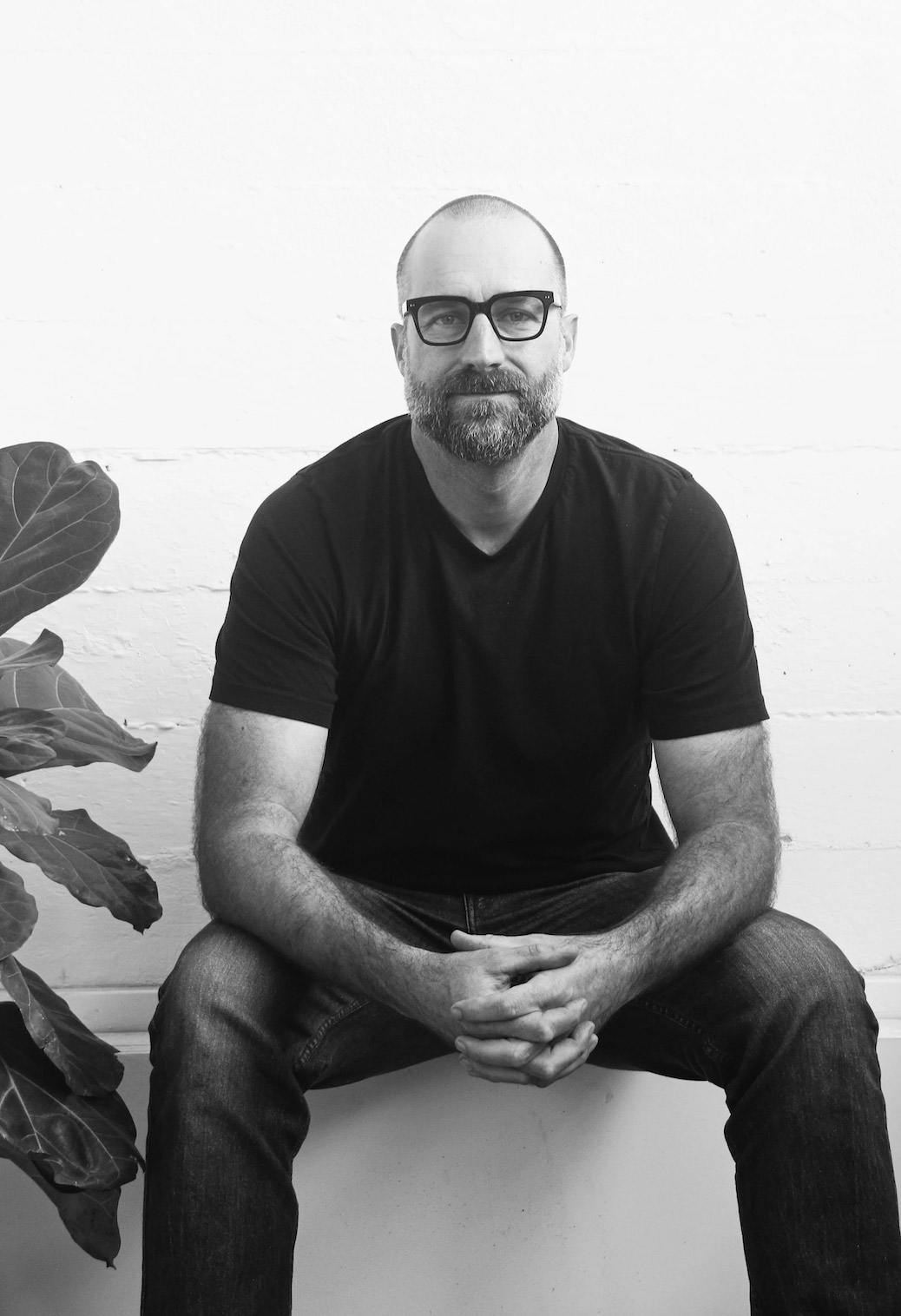
David Sellers, AIA, is the co-founder of Hawaii Off Grid Architecture & Engineering (HIOG) and a leading advocate for sustainable and resilient design in Hawaii. His path to architecture began aboard commercial fishing boats in Alaska, where he worked as a ship’s engineer to finance his studies at Texas A&M University, gaining hands-on expertise in energy, water, and mechanical systems that continues to inform his work today. He later earned a master’s degree in Architecture, Urbanism, and Building Science from the Technical University Delft in the Netherlands before heading to Hawaii to join The Nature Conservancy, where he led the internationally recognized Palmyra Renewable Energy Project, transitioning the Palmyra Atoll research station from diesel power to a renewable microgrid that saves more than $1 million annually.
Since co-founding HIOG in 2015, Sellers has become a prominent voice in resilient architecture and disaster recovery, serving as president of AIA Maui in 2024 and playing a key role in wildfire recovery efforts following the Lahaina fires. He currently serves on the board of directors for Habitat for Humanity Maui and has helped champion the adoption of mass timber construction and other innovative building technologies across the Hawaiian Islands.
This interview has been edited for clarity and length.
Mahnoor Fatima: You have had an interesting career path: studying in the Netherlands, working on a remote Pacific atoll, and building a career in Hawaii. Despite everything, though, you are still a Texas A&M Aggie. What does Texas mean to you, and does it show up in your work? What led you to these other destinations?
David Sellers: It all started in Texas, and the state was a big influence, obviously, on my life. It was a unique opportunity growing up in East Texas in the oil patch, with the revenue from the oil business funding the public school system. I went to Texas A&M University, which is a big land-grant university, and had many opportunities there. I tell people all the time, “We’ve got to do things a little differently, and we should look at Texas as an example.” And people are like, “What?” I’m like, “Well, look at it. They have more wind power than anywhere in the world. This year, they’re going to surpass and have the most photovoltaics deployed in the nation. The last several years consecutively, they’ve had the most housing starts.”
I owe my architecture background to, one, going to school at Texas A&M College of Architecture, and then, two, being able to go see amazing buildings—whether it’s the Kimbell Art Museum in Fort Worth, the Menil Gallery in Houston, or the Lady Bird Johnson Wildflower Center in Austin.
MF Speaking about building and exploring, you’ve spent quite a long time proving that off-grid, net-zero design is a viable way to build instead of a niche experiment. Hawaii is a pretty specific laboratory, with an island geography and limited resources. What has Hawaii taught you about building that you couldn’t have learned anywhere else?
DS Hawaii is unique. It’s the most isolated archipelago in the world, and we have the most microclimates in a small radius anywhere in the world.
When I finished my master’s degree and got licensed in Holland, I took the opportunity to come here and run the Nature Conservancy’s Palmyra Atoll program.
At that time, I thought climate change would be something further in the future. I looked at Hawaii and thought it would be insulated by the ocean, so climate change would not affect it as much. Well, I’m not a climate scientist. It turns out that as sea temperatures and jet streams change, without big landmasses in the way, there is no insulation. We’ve got more shoreline per capita than anywhere in the United States. I’m seeing weather systems shifting, with exacerbating effects.
As I look at data and think about passive design in architecture, I am realizing old standards are not applicable anymore. The buildings we’re designing today, many of them should still be functioning in 100 years. What will our climate look like then?
Best-case scenario would have been to reduce carbon emissions a couple of years ago and get back on track so we’d be at seven degrees warming from our historical average beginning in the pre-Industrial Revolution. Today, seven degrees represents the average temperature swing between day and night in Hawaii. What you had planned on for the daytime temperature is now your nighttime temperature. Passive cooling of a building doesn’t work anymore.
I’m trying to figure out, if I can’t use the historical data and strategies, how do I take the data and apply it to a future that we’re not sure about? It’s been a little bit upsetting, from a philosophical architectural standpoint, but it’s also an amazing challenge and opportunity.
As architects, we’re at the tip of the spear, and we have a chance to help provide solutions—ones that build stronger communities while also improving our personal resilience and businesses.
I’ve found new revenue streams that didn’t exist 10 years ago in architecture. We design, engineer, and install our own energy systems in our buildings. When we started designing the full systems 10 years ago, either people didn’t understand what we were doing and could not perform the work, or they could do the work and their profit was more than what we had charged for the entire design. So, being from Texas, being a can-do person, I was like, “Well, we will just get it done.”
MF You described how sustainability is a necessity and not a luxury. For a lot of people, it is still unattainable. If sustainability becomes the standard, what does that world look like, and how far away are we?
DS I’m a big proponent of, and I don’t mean this in a way that it can be construed incorrectly, capitalism. I admire capitalism because of its power to do things. Sometimes it does very bad things; sometimes it does good things. You have a high propensity for entrepreneurship in architecture. I grew up in a house that was built in 1951 with air conditioning, which at that time was a luxury. Houses that were built 10 or 20 years earlier didn’t have central cooling. If you wanted to retrofit your house that was built in 1935, it was very, very expensive. But in 1951, it was maybe two or three dollars a month on your mortgage to cover the cost of it. Today, we need to be thinking about evolving mechanical systems.
For example, my brother has a golf cart on his ranch that he uses to drive his twin boys around. For his birthday, I bought him a solar panel and a charge controller for the cart. Since then, he hasn’t had to plug it in. Later, I added an inverter, which allowed him to use the golf cart’s battery system to power a small cabin. So even though he has a huge diesel truck and is a rancher, he’s like, “Oh, this stuff actually works.” As architects, we have to sell and show that sustainability isn’t about feelings; it isn’t about political opinions. It is about performance. We always focus on design. It has to be beautiful. We want to make beautiful architecture that is good for the environment and responds to its local context.
MF Considering you witnessed the Lahaina fires in Hawaii, and you’re familiar with the 2021 Texas freeze and the floods last year, how has your experience shaped the way that you design for resilience? When you apply it to the work you’ve done in Hawaii, do you think there are principles that could be similarly applied in Texas, despite the different geographies?
DS Of course, contextual architecture and passive design strategies are applicable to both places.
It’s really unique here because humans haven’t lived in Hawaii for a very long time compared to North America or Asia. Yet the transition in architecture and building practices has been very rapid. Polynesians came to Hawaii a thousand years ago, and then, 200 years ago, we had Western contact, which caused a huge change in design and building. I don’t feel that Hawaii ever got to establish its own vernacular of architecture naturally. It has had a lot of external influences.
In Texas, you see more examples of vernacular architecture developed from years of habitation responding to the environment: thick walls, adobe, masonry, houses that have thermal massing, big overhangs, porches that shade the building and help protect it from solar gain in the summertime, which is important, but are sized appropriately so that in the winter they can get solar gain and they can heat the house.
I consider our Surfblock houses our vernacular architecture. We’re using a local material. We don’t have the same resources here in Hawaii, but what we do have is trash. We have Styrofoam from our surfboard industry. Surfing was invented in Hawaii 1500 years ago, and now it’s what we export to the world. It’s kind of our natural resource: a cultural practice of surfing.
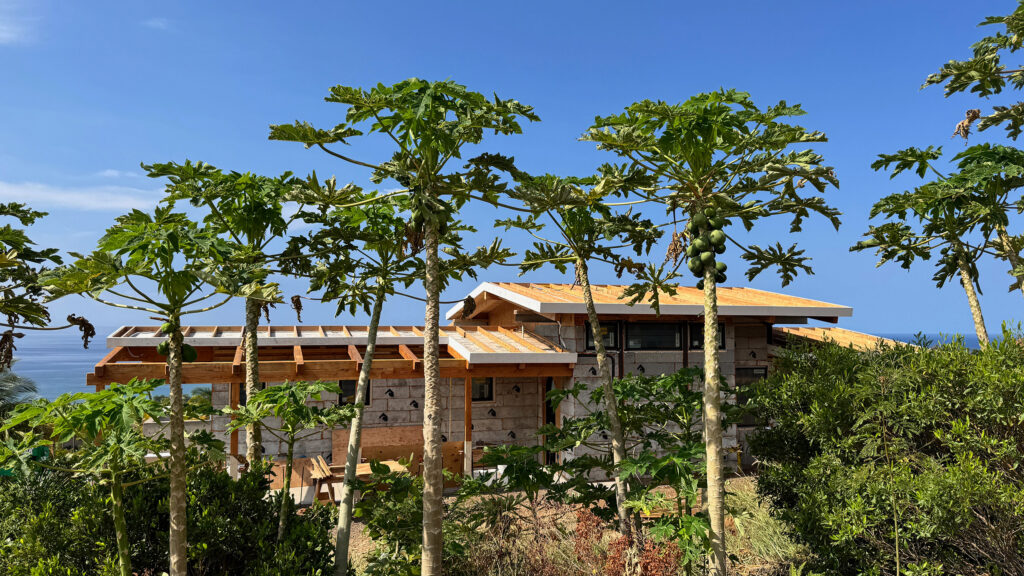
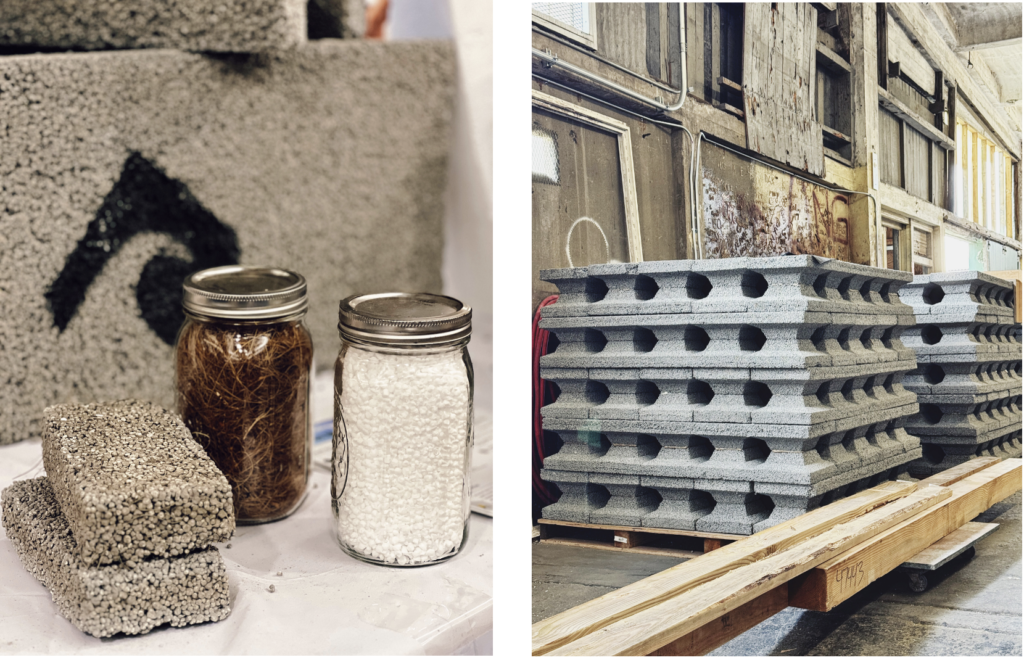
We’re taking the waste from that industry and we’re making houses that are more resilient. They’re highly insulative, so we can get an R-40 wall assembly; it’s double the code requirement. It’s hundreds of times stronger than a wood-framed wall because it’s a concrete-grid shell inside of it. It’s impervious to molds and mildew, which in the tropics can be a problem. And it’s impervious to termites, which we have in Texas as well. It’s a tougher product and is, I believe, a vernacular material, even if it isn’t natural. It is also fire resistant, and its strength helps resist hurricanes and earthquakes.
Texas is so big that generalized climate strategies don’t reflect the reality of the many geographies and ecologies. If you’re in northeast Texas, that’s one climate characterized by its proximity to Oklahoma and Arkansas. But things change dramatically if you’re out west, in the Davis Mountains; in the Panhandle, where it is flat prairie; or down on the coast, where it’s hot, muggy, and more of a tropical temperate climate. You have to both look and know what to look for to see how buildings respond to local climates in different places.
MF You’ve worked on Alaskan fishing boats, and then you ran a research facility on this remote Pacific atoll, and now you’re on an island, and water is such a constant presence in your life. When you work with architects like Shigeru Ban and Olson Kundig, also known for buildings that are contextually responsive, when do you talk about water? In your off-grid designs, how does water factor into the way that you design?
DS Well, first let me say how amazing it is as a small-town Texas kid to get to work with one of my heroes and world-renowned architects. Every day, I kind of pinch myself about it.
Water is the most important thing to humans and to civilization. Most early settlements were on water, but at the same time, water is the nemesis of an architect. A leaky roof is the last thing that you want. Water intrusion into a wall assembly is terrible.
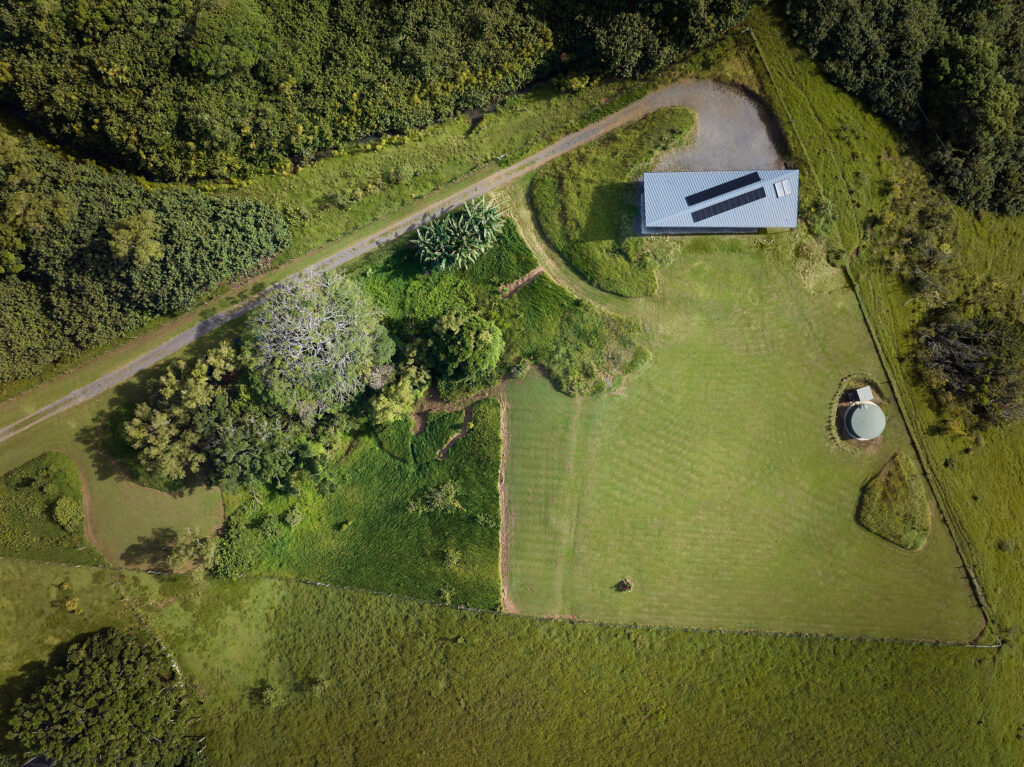
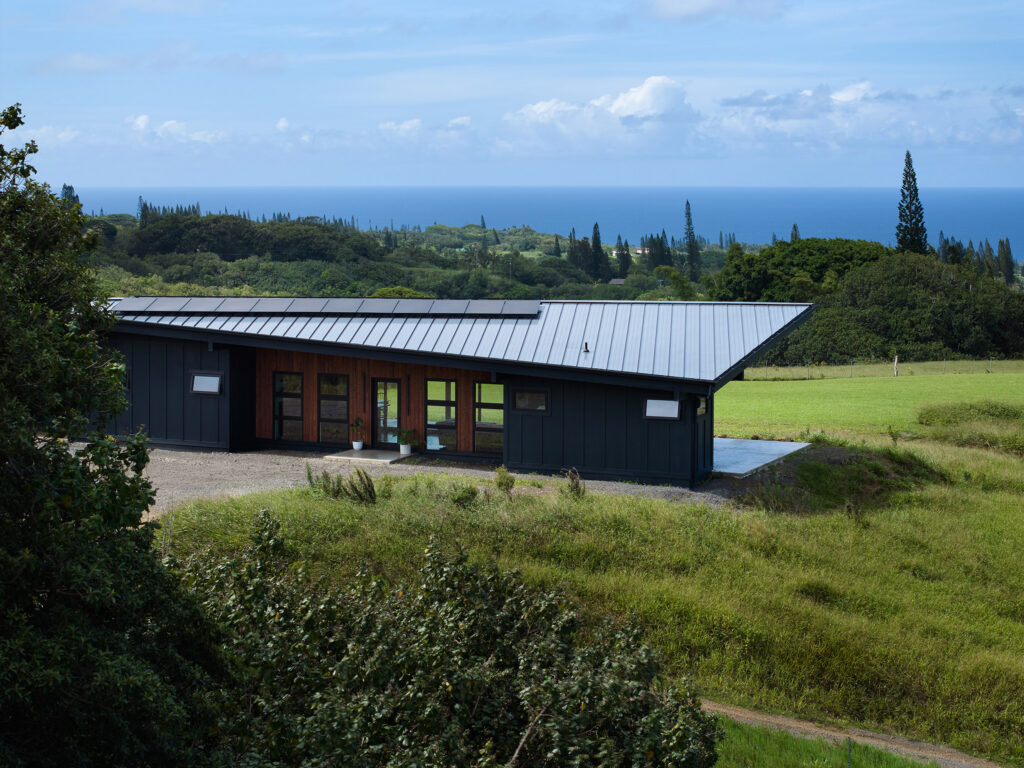
When we start a project, we think about water from the very beginning. Whether it’s an infill in downtown or it’s a greenfield site that’s never been built on, we look at the climatic data—wind, rain. We’ve developed a rainwater calculator based on what I learned at Texas A&M from the agriculture program. When we look at designing an off-grid house, we need to do a couple of different things. We need to make sure that we’re providing the energy that people need to live modern lives. When we’re thinking about water, we’re looking at how big the roof needs to be. The rainwater calculator is a spreadsheet I’ve been building and modifying since my days at Texas A&M. We record monthly historical rainfall data, demand for indoor water, demand for irrigation water, and rate of evapotranspiration based on temperature and humidity. The data informs the design.
There’s been such a big change in the last 15 years in how we can harvest water. It’s amazing. And the things that I’m doing now in architecture, I could not have done 20 years ago. The technology didn’t exist.
With water, for example, if we’re in a very hot, dry, low-rainfall area, that’s going to dramatically influence how we design a building. You want to have big overhangs to keep the sun from coming in, keep the house cool, keep the ground around the house cool so that if you do have passive ventilation, you’re not just sucking in hot air from sun-scorched earth or hardscaping. But I take it one step further and say, well, if we have to provide 300 gallons of water a day because that’s what our water demands are, then we can check what the historical rainfall has been. And now we can calculate what size the roof needs to be in order to capture that much water. Maybe the client says, “Well, we want a two-story house. We’ve always wanted a two-story house.” I’m like, “Okay, but you need a big roof. You typically have half as much roof if you have a two-story house.” So now we’re responding to the environment, and the building that we’re creating is directly influenced by the environmental factors.
MF I feel like I just got a peek inside your brain. It’s also a somewhat different way to think about designing and feels very refreshing.
DS Well, I was in special education when I was in elementary school. I was doing really well until third grade, but when we moved to doing more spelling tests, they figured out that I have a form of dyslexia. I don’t see things in two dimensions. Math is very hard for me because the numbers and the equations are in three dimensions. So in my mind, the equation is totally backwards. Ultimately, I went from special education in elementary school to gifted and talented in high school. In my gifted and talented history class in Longview, Texas, at Longview High School, I met my first architect, Jim Bowie, principal at Allen Bowie Partnership. I didn’t realize that architects were people who lived in your community. I thought they all lived in New York City, and I thought they just did skyscrapers.
MF You were running for AIA National president at a moment when climate resilience and housing affordability are defining issues for the profession. What was the argument you were making to the broader membership?
DS We have a real existential crisis at hand: the affordability and attainability crisis for housing. I was barely able to get a mortgage that I could afford. Of course, I had to build my own house. And then now, 10 years later, it’s even harder for younger emerging professionals. It’s harder for the broader community. Today, we’re sitting here, and gas prices are the highest that they’ve ever been. That’s impacting people. What I want everyone to know and what I want to show from our experience is we can change all of that. And we can deal with, combat, and reverse the other big elephant in the room, the other crisis that is at our doorstep now, which is climate change. We can build our way out of the affordable housing crisis with innovation and creativity. And we can do that while utilizing strategies and systems that combat climate change as we make buildings—it’s completely possible, and we have the tools to do it.
We’re doing it every day in our practice. We can have buildings that sequester more carbon than they will ever release, so they’re carbon positive. And we’ve made money doing that. And we’ve been successful doing that. We’ve been so successful that we were able to donate, either at a reduced fee or pro bono, up to 30 percent of the work that we do.
I call it prosperity through resiliency. We can be prosperous as a profession. We can do good while we’re being prosperous. So that’s why I was running for AIA president, partly. The other part is that I feel that it’s an organization with an amazing group of professionals who come together to donate their time and energy to advance the profession. I also want to see it become more of a community-based organization. After the Lahaina fires, it was the AIA that stepped up, providing support, guidance, and education. That experience also gave me the gravitas to be able to interface and feel confident working with state and local officials to help our community rebuild. AIA has an amazing opportunity to continue to grow and be more relevant than ever. And I wanted to see what I could do to help and assist that progress, to give back for what the AIA’s already given to me.
MF That’s a really good answer. Thank you for your time.
DS Thank you so much. We always keep an open desk in the office. So if you want to come out to Maui, come on by!

Mahnoor Fatima is a writer and multidisciplinary designer from Austin. She currently runs her practice at Studio Mahfa.

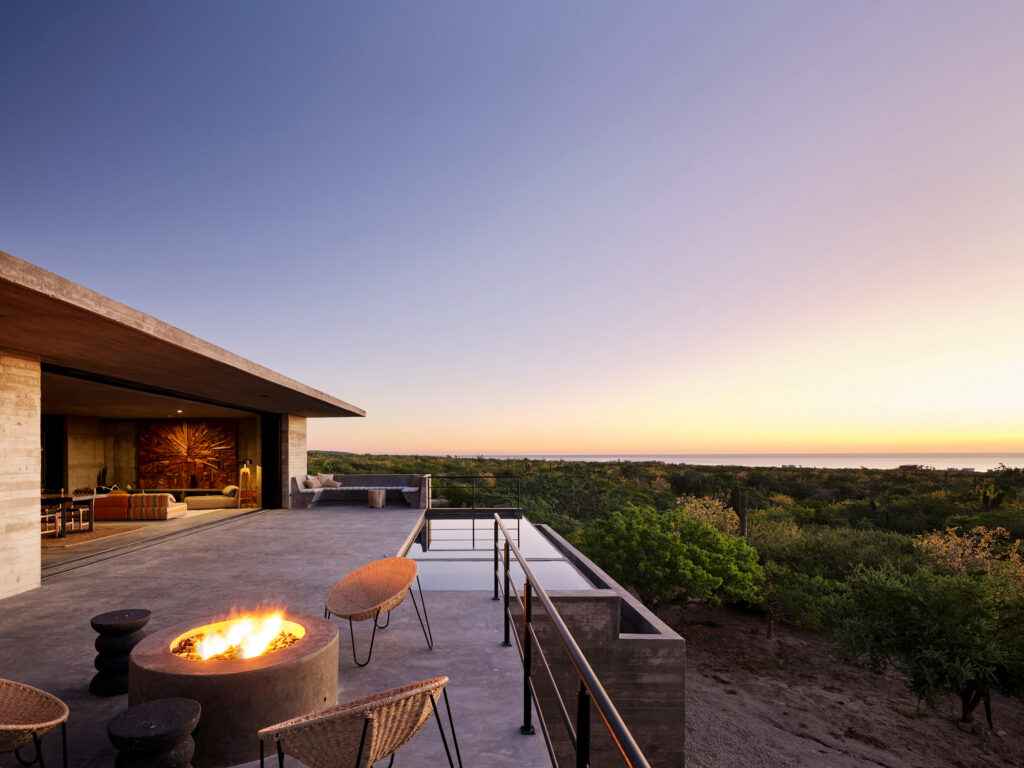
Desert, sky, and ocean converge at a remote retreat in Mexico.
Plunging into Texas Water Conservation
Where form and atmosphere converge

Designing data centers for a resource-constrained future
A luxury resort is made smaller and greener.
A room for every season
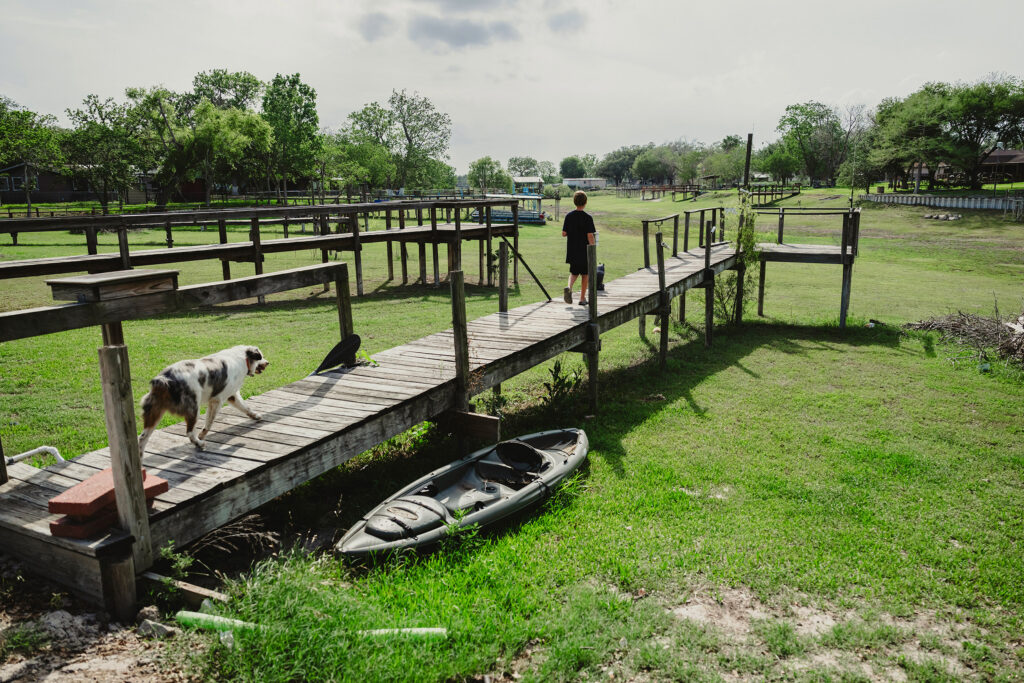
Corpus Christi’s water crisis reveals the challenges of planning for growth.
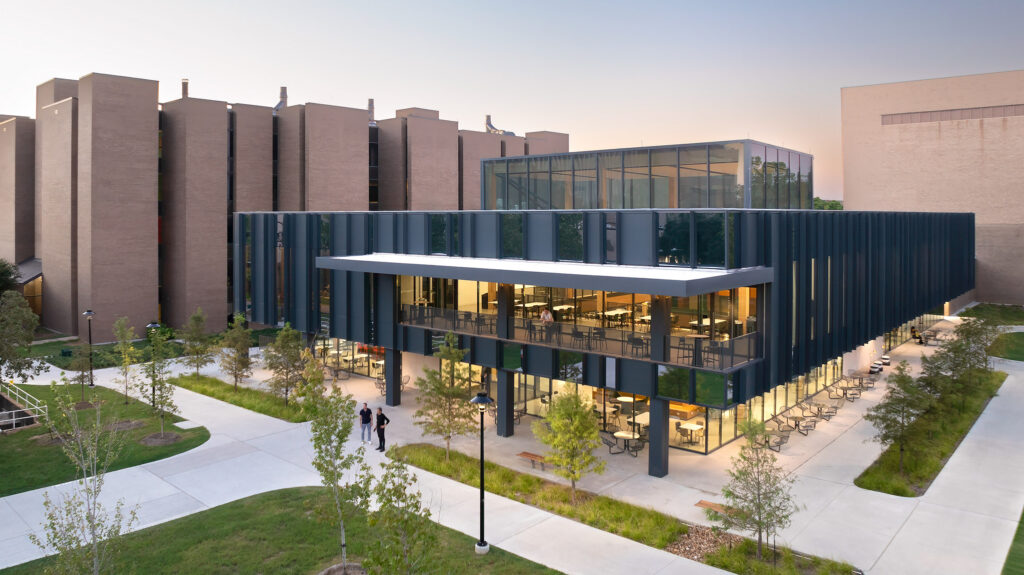
Reimagining a campus landmark after Harvey
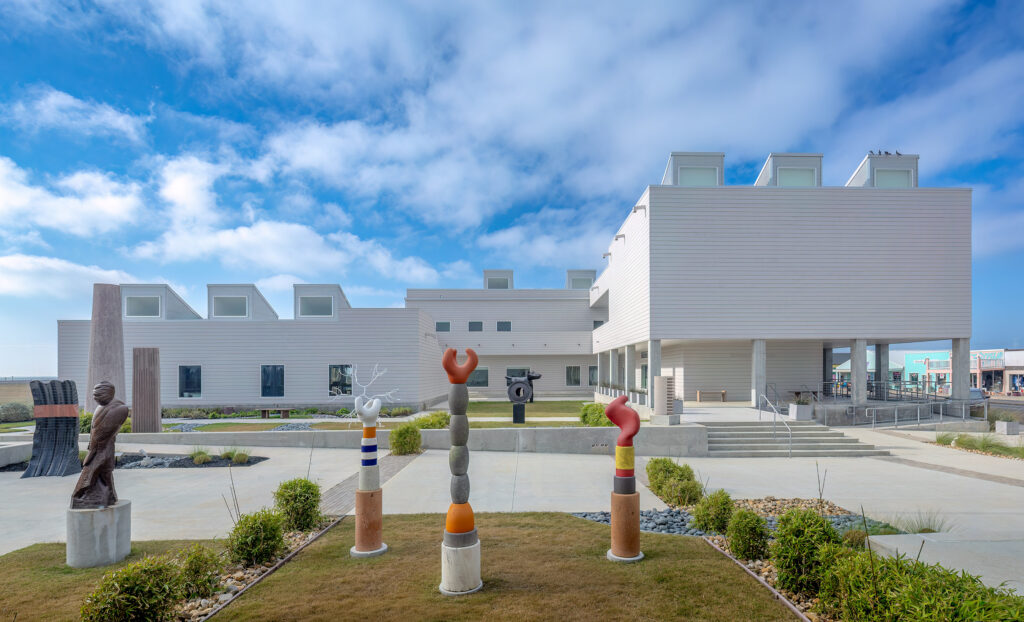
A center for the arts sustains Rockport’s creative community.
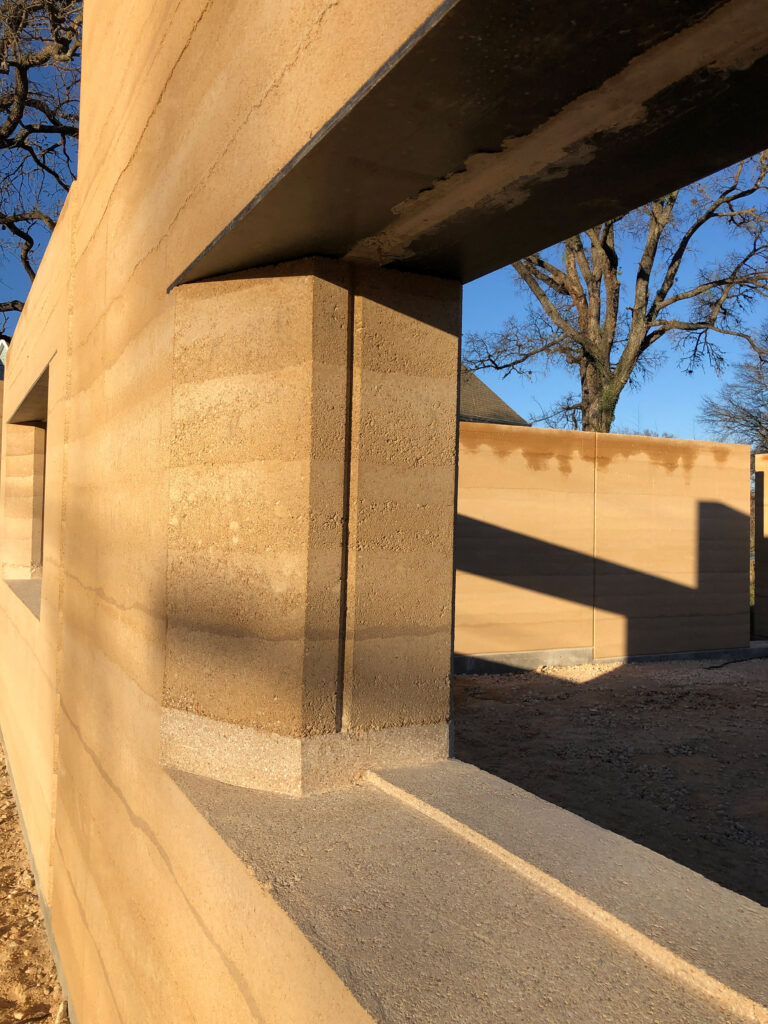
The Why and How of a Rammed Earth Enclosure
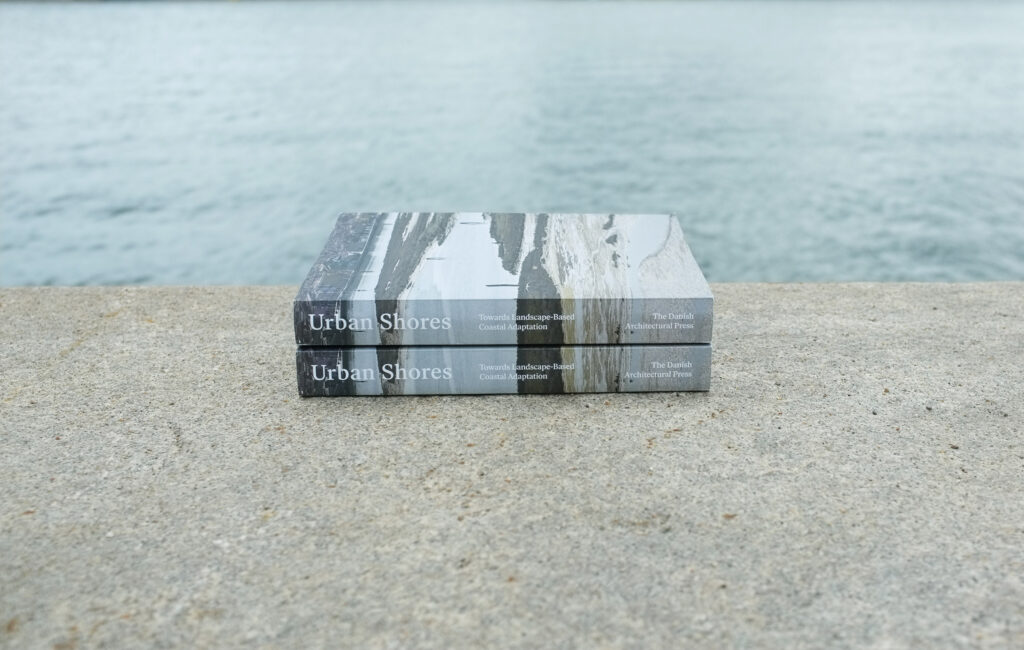
Urban Shores: Towards Landscape-Based Coastal Adaptation
Anna Aslaug Lund, Ole Fryd & Gertrud Jørgensen
Danish Architectural Press 2025
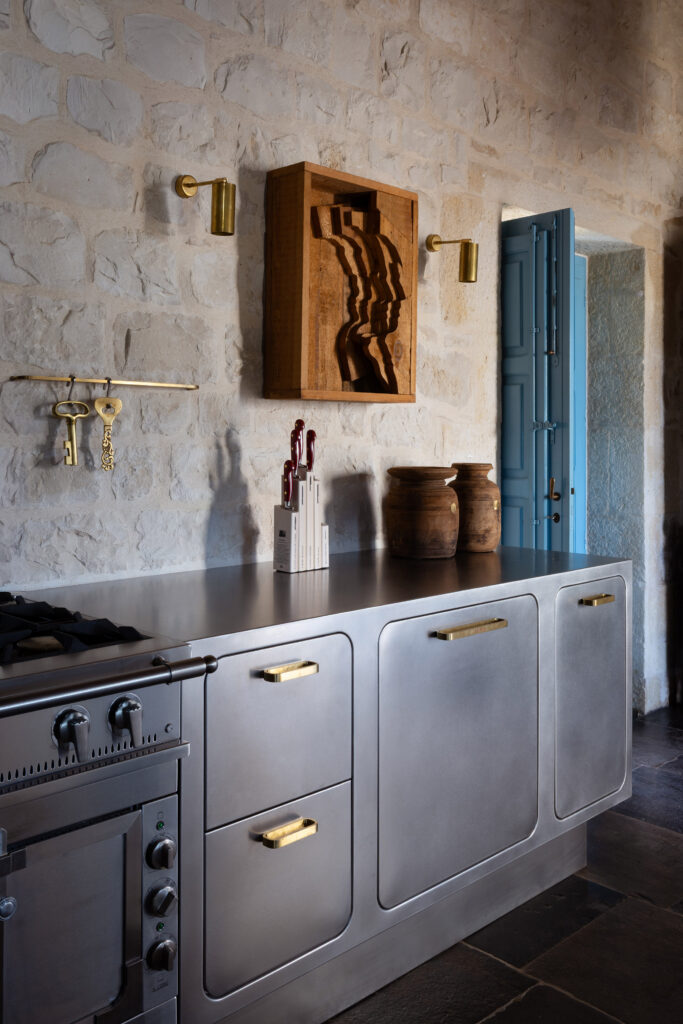
Earthy, warm hues, such as amber, terracotta, and violet, bring a grounding touch to these new kitchen and bath products.