May 22, 2026
Delight often comes from the unexpected. I’m reminded of moments I’ve experienced in places like Siena, Italy, or San Miguel…

When people think about disabilities, the images are often those of people with mobility impairments—wheelchair users, scooters, walkers, and the like. Accordingly, the International Symbol of Accessibility (ISA) is the familiar blue stick figure in a wheelchair seen on signage. And while approximately 70 percent of Americans who qualify under the Americans with Disabilities Act (ADA) have mobility challenges, that statistic reflects an incomplete—albeit understandable—perception of the act’s scope. What other impairments, and what associated architectural responses embedded in the ADA and model codes, affect the remaining 30 percent of people with disabilities?
Professional designers understand that the ADA and model codes also include design considerations for people with a wide range of sensory and neurological disabilities—too many to list comprehensively here. Among these, deafness, being hard of hearing, tinnitus, hyperacusis, deaf-blindness, and related auditory conditions affect approximately 12 million people in the United States and 1.8 million in Canada. Yet the sociological awareness and architectural equity afforded to people with hearing impairments have historically been less prominent than those addressing mobility. Encouragingly, efforts are now underway to address these disparities in a more systematic way.
Enter the International Code Council (ICC) A118 Acoustics for the Built Environment Committee (IS-ABEC). Developed in partnership with Accessibility Standards Canada (ASC), this joint American and Canadian initiative represents the first in a broader suite of accessibility standards intended to harmonize requirements across North America. Although framed under the umbrella of acoustics, the committee’s work is more precisely concerned with how the built environment supports—or hinders—people with hearing impairments.
The committee is advancing a comprehensive approach that considers both site design and architectural features influencing acoustic performance, as well as how individuals navigate and occupy public and residential spaces. Its work targets persistent barriers in the acoustic environment, with an emphasis on improving wayfinding; managing noise and reverberation; and refining the design of specialized environments such as service counters, learning spaces, shared offices, and support areas. The effort also addresses the integration of audio amplification and transmission systems, assistive listening technologies, and public address systems—recognizing that these elements are critical to equitable access but have historically received uneven attention in codes and standards.
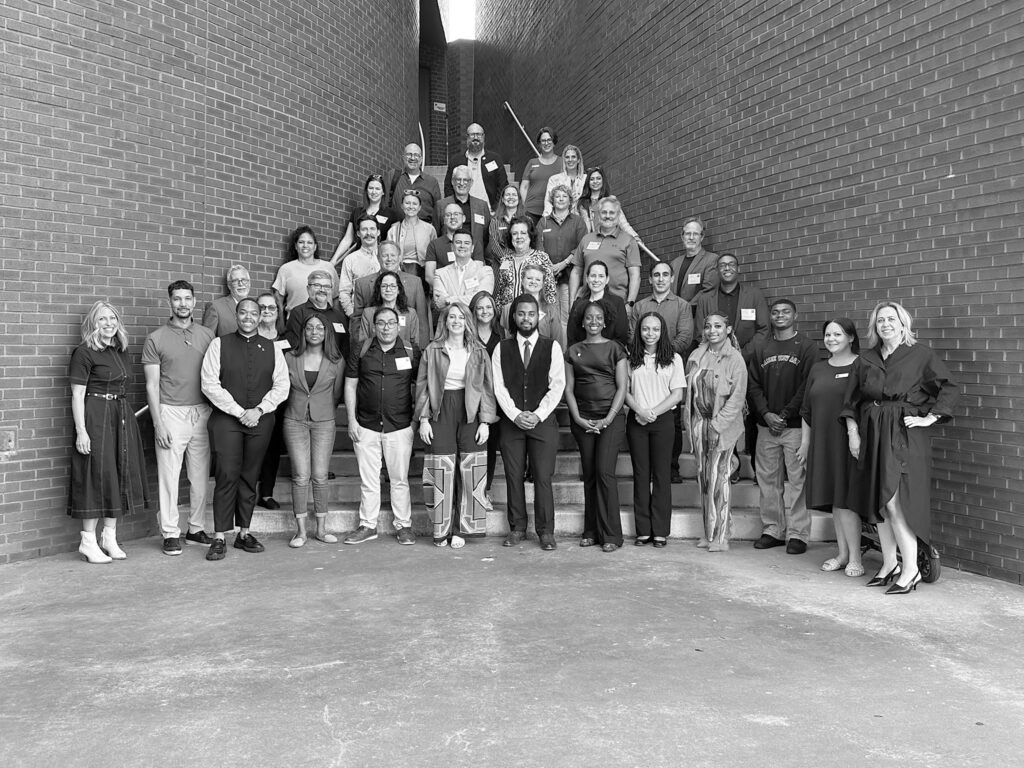
The recently empaneled IS-ABEC A118 Committee comprises 14 members, including builders, code officials, design professionals, government regulators, industry stakeholders, consumers with hearing disorders, and an ICC liaison. Since convening in January 2025, the committee has projected a timeline of two to two and a half years for completion. It has already developed draft code language addressing public address systems and is currently advancing related efforts across several areas. These include coordination with NFPA 72 on visible and audible alarms; UL 1628 on visible signaling devices for fire alarm and signaling systems; and UL 1971 on signaling devices for the hearing impaired. Additional areas of focus include balancing noise levels for both comfort and hearing-damage prevention; incorporating workplace considerations informed by OSHA and Alberta, Canada, provisions; addressing the potential for alarms to trigger PTSD or seizure disorders; and mitigating noise transmission from exterior sources and HVAC systems.
Interested parties are encouraged to participate in the process. The committee meets virtually on the second Wednesday of each month from 3:00 to 5:00 p.m. EST. To receive meeting notices, access minutes, and join the conversation, contact the ICC via its committee application portal and indicate your interest in the IS-ABEC A118 Committee. You may also contact ICC committee liaison Kim Paarlberg directly at kpaarlberg@iccsafe.org. For additional information, visit the ICC website at www.iccsafe.org/committees/is-abec/.
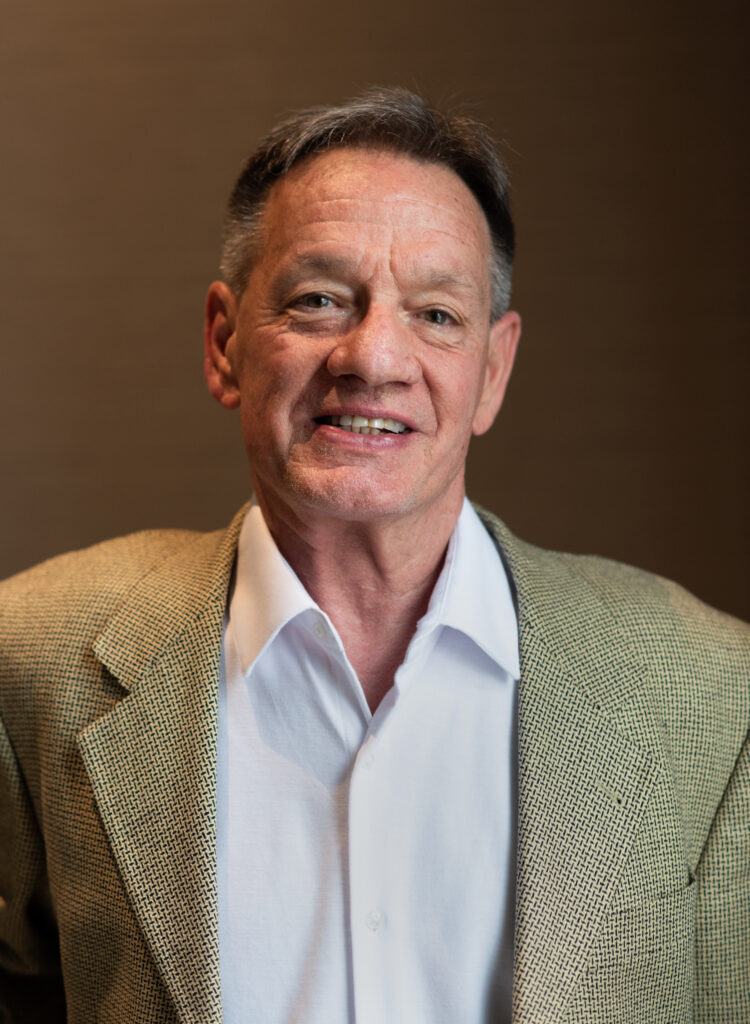
Richard Sternadori, Assoc. AIA, M.A. ARCH, M. ED, CBO, CRC, ACTCP, retired in 2025 as the senior program coordinator, adjunct faculty, and research principal investigator with the University of Missouri Department of Architectural Studies, Great Plains ADA Center. He holds a Master of Arts/Architecture and a Master of Education in psychology with a focus on disability rehabilitation.

On the Invisible Forces and Narrative Logics of Art and Design
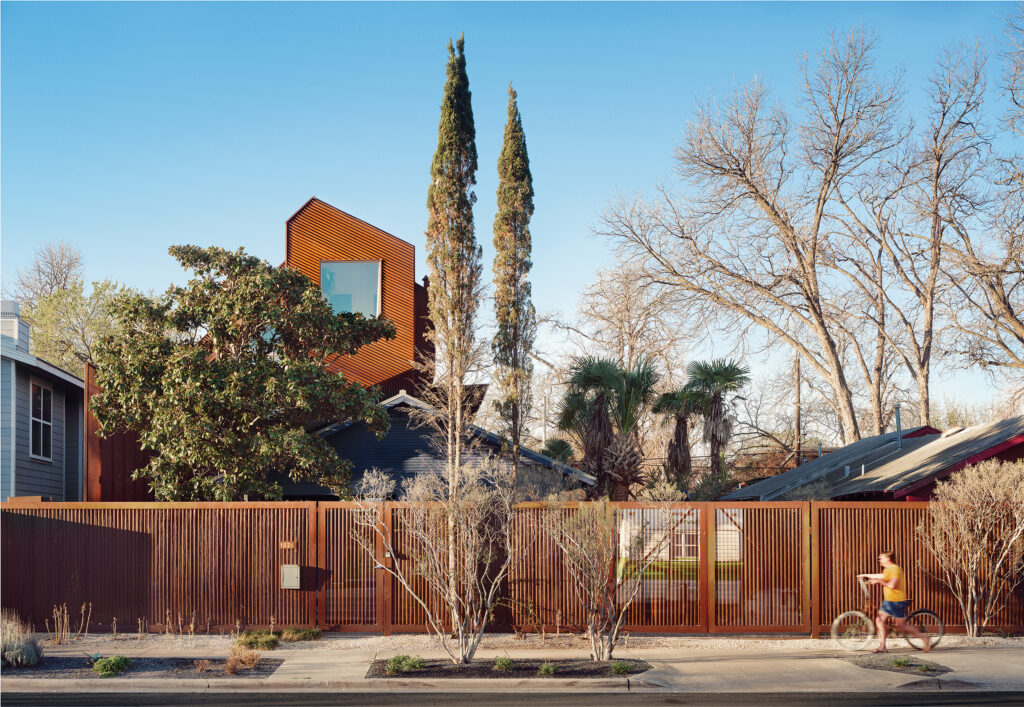
An East Austin studio rises above the rest.
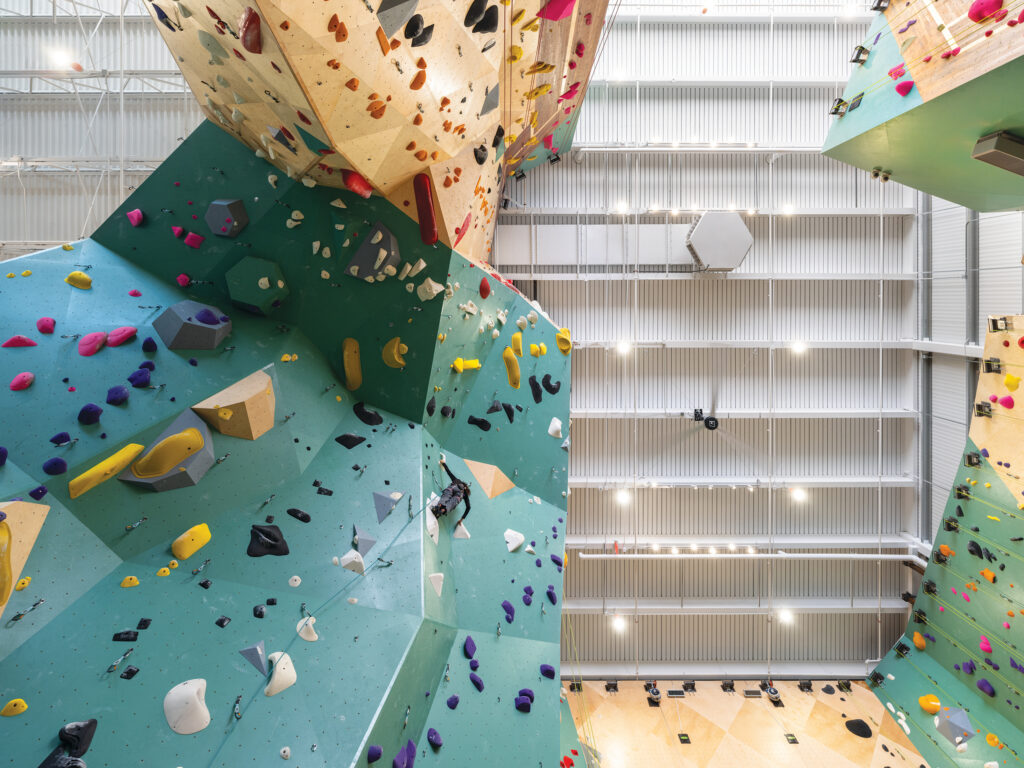
Redefining Suburban Recreational Architecture

Thermal Delight in Architecture and the Continued Work of Lisa Heschong

A Watering Hole for the Ages
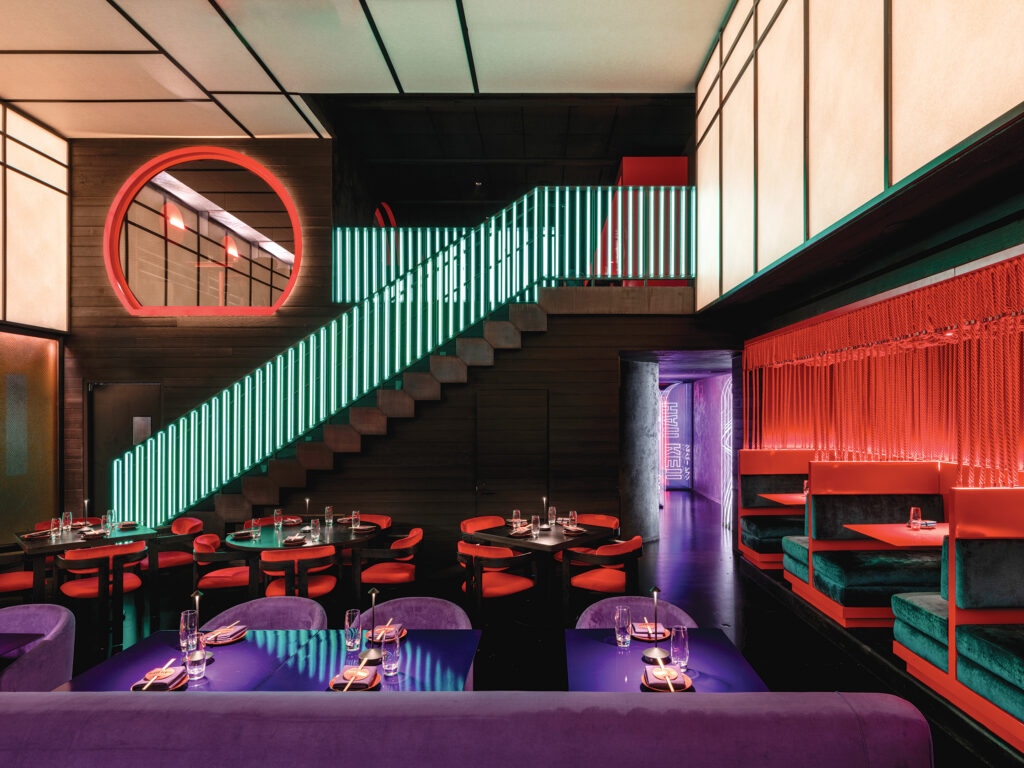
Cinematic drama meets fine cuisine.
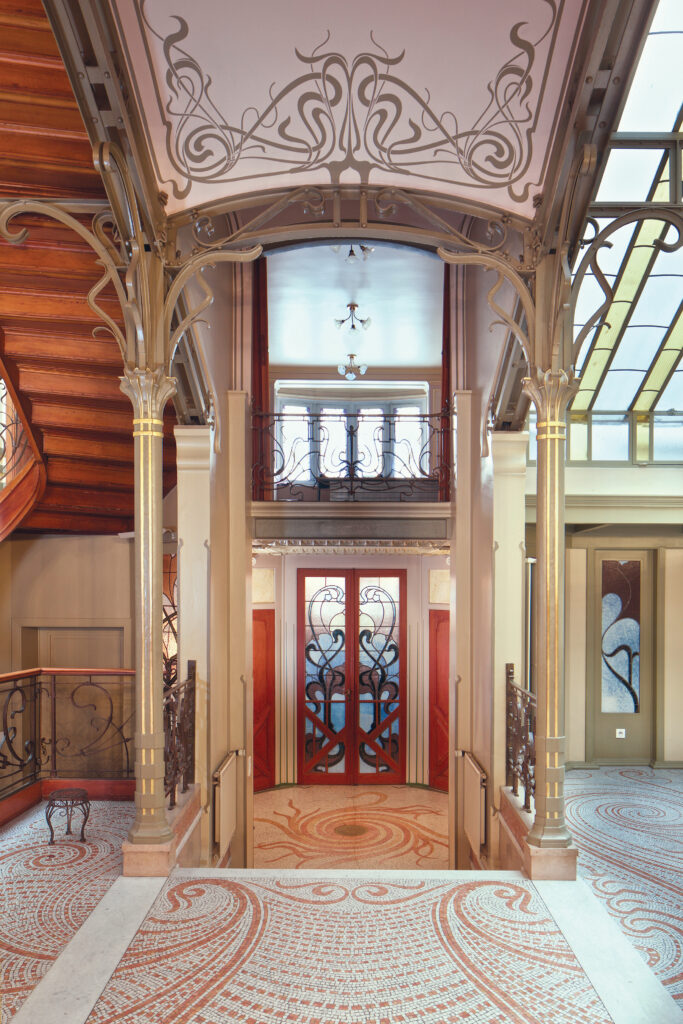
Total Design for a New Era

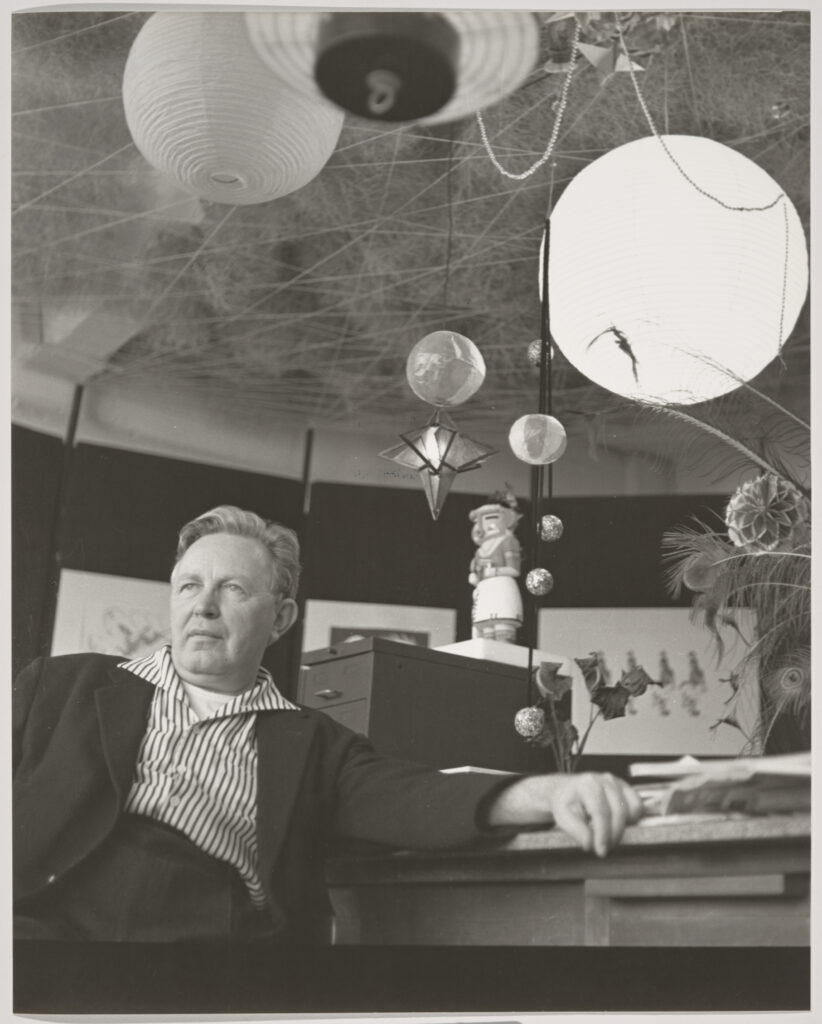
Bruce Goff: Material Worlds
Art Institute of Chicago
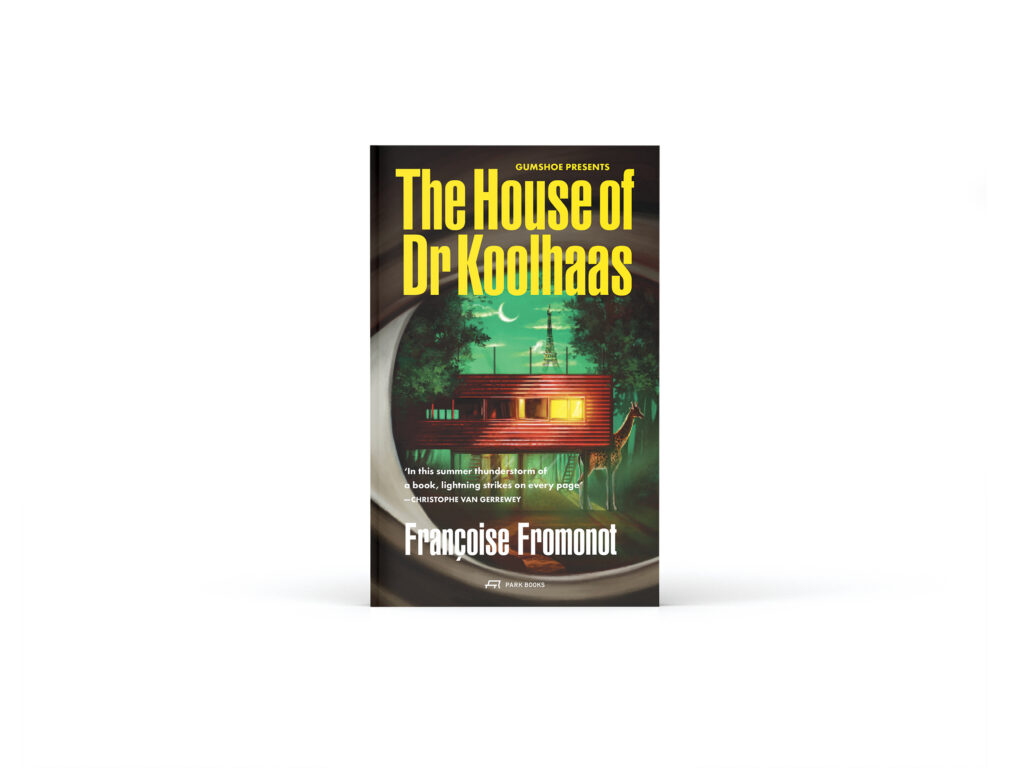
The House of Dr Koolhaas
Françoise Fromonot with editor Thomas Weaver
Park Books, 2025

The rounded edges of these products align with the growing trend toward incorporating more organic, softer shapes and curves into hospitality interiors.