May 22, 2026
Delight often comes from the unexpected. I’m reminded of moments I’ve experienced in places like Siena, Italy, or San Miguel…
South by Southwest has long occupied a memorable and influential position in the cultural landscape of Austin. Since its founding in 1987, it has evolved from a modest music festival into a sprawling convergence of film, technology, design, and media—a place where indie bands might rub shoulders with startup founders, and where emerging ideas could still plausibly take center stage. For decades, under the steady stewardship of longtime leadership, the festival cultivated a reputation for discovery, even as it scaled into a global brand.
SXSW 2026, however, felt decidedly different—understandably so, given both changes in festival leadership and broader shifts in Austin’s urban fabric. With the city’s convention center demolished in preparation for a new one, the event became more decentralized, spreading across a wider array of downtown venues. This shift was not without its merits; it encouraged attendees to explore less familiar parts of the city. I, for one, found myself in buildings I had never entered in years of living in Austin. The festival was also shortened from 10 days to seven, a change that made it noticeably more manageable. At the same time, many international artists reportedly faced visa challenges, further thinning the cultural mix.
The event has clearly entered a new phase—at least for now—one that many experienced as less populated and curiously subdued. The absence of major corporate activations was particularly striking. In previous years, downtown Austin became a kind of urban showroom, with tech giants and media companies staging elaborate takeovers of hotels, parking lots, and entire blocks. This year, many of those spaces sat quiet; others felt like echoes of past iterations—such as the Paramount+ Lodge—or were scaled back into more provisional programming. Amazon’s once-dominant presence at Hotel San José was notably absent. At the same time, corporate behemoths like Walmart maintained a strong presence within the Innovation Conference, and AI dominated the program, with more than 250 sessions devoted to the still-emerging technology.
Meanwhile, the non-tech design track was virtually nonexistent. This absence is especially disappointing given that SXSW Eco—once a robust platform for architecture, urbanism, and sustainability—was folded into the main conference after its final standalone run in 2016. What remains now feels less like a multidisciplinary exchange and more like a consolidated narrative about how big tech proposes to solve global problems, including climate change. The result is not a return to scrappy authenticity so much as a sense of a festival gradually withering on the vine.
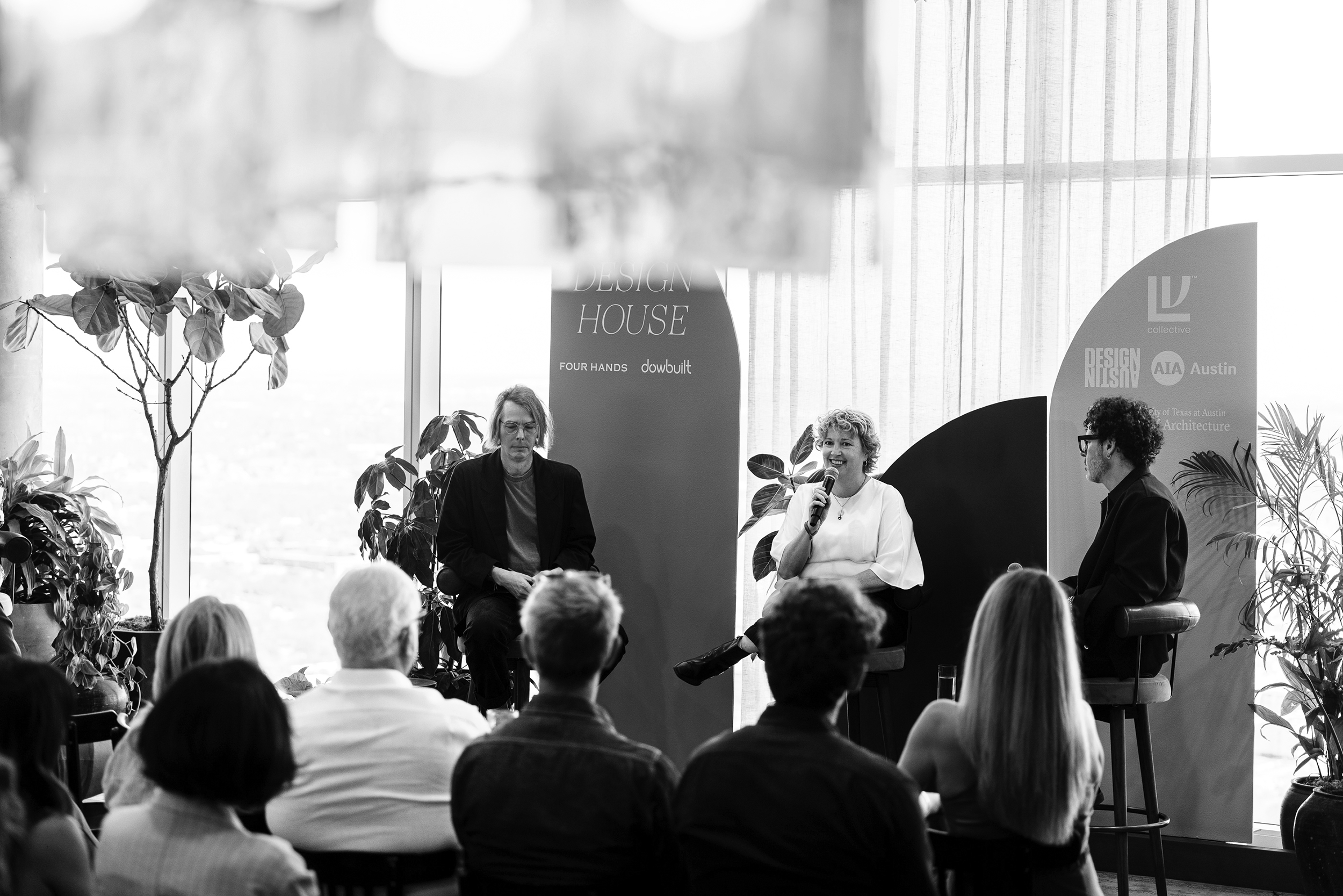
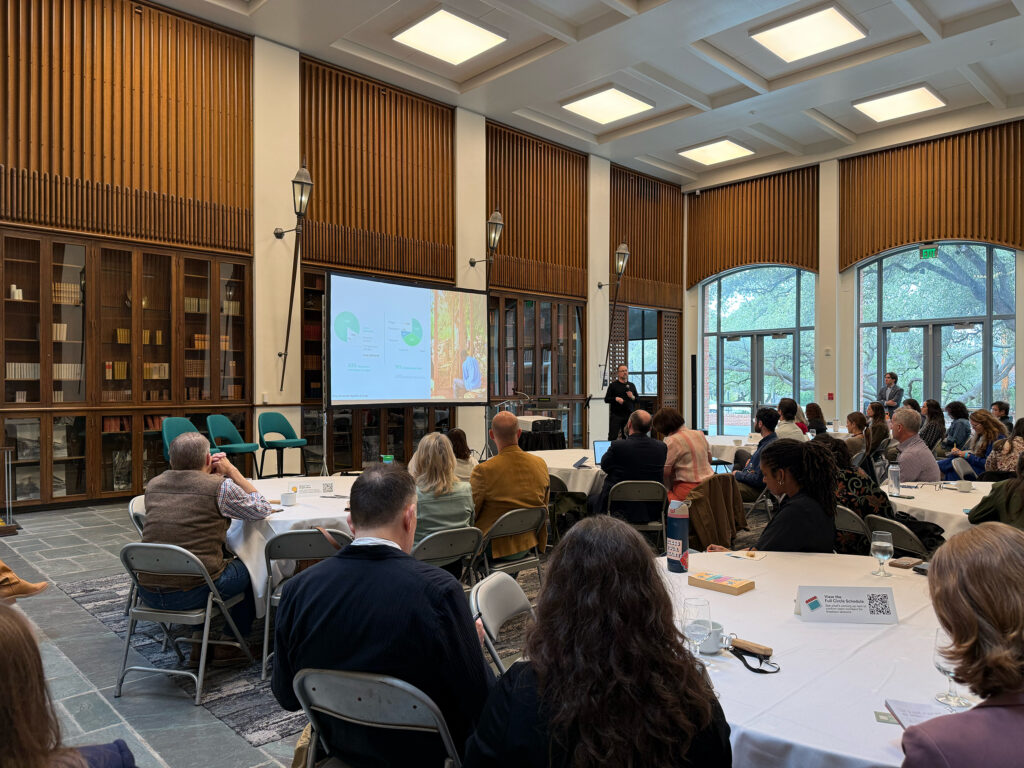
Within this recalibrated landscape, however, smaller collateral gatherings took on heightened importance. One such event was Design House, an inaugural program that offered a more focused and substantive engagement with architecture and design culture. Organized by Austin Home, AIA Austin, and the UT Austin School of Architecture, the event also featured an exhibition of student work, grounding the conversations in both practice and pedagogy.
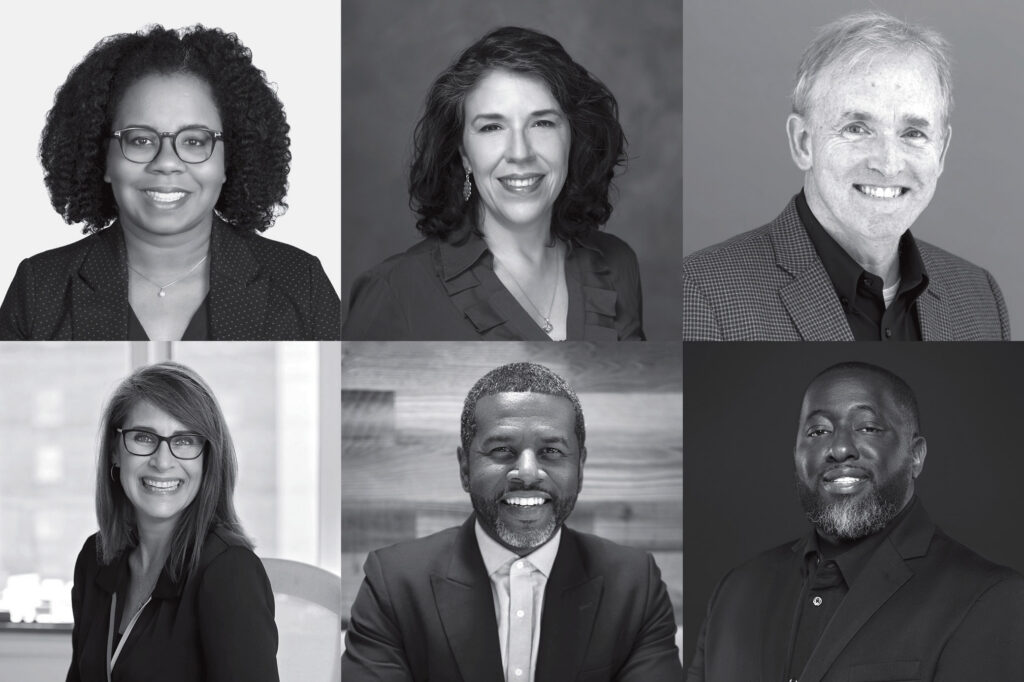
The opening panel, “The New Design Conversation: Media, Influence, and the Platforms Shaping Taste,” set the tone. Moderated by Bill Hanley, editor-in-chief of Dwell, the discussion brought together Aaron Seward, managing editor at Perkins & Will and former editor of Texas Architect, and myself to examine how design discourse is evolving across platforms and audiences. Notably, all three participants represented institutions that operate across both print and digital media, and the conversation reflected on the shifting roles of each, as well as the growing influence of AI in both architectural production and publishing. My take is that we may be heading toward a bifurcation—where increasingly sophisticated digital tools coexist with a renewed interest in analogue media, from print to film-based photography, alongside a turn toward less staged, more photojournalistic approaches to documenting architecture.
Subsequent panels expanded the scope. “Design on Screen” explored filmmaking and spatial storytelling through the lens of production design. A fireside chat on workplace design addressed the shifting boundaries between office and home in a post-pandemic world, while “Upward Downtown” examined Austin’s rapid verticalization and its implications for a city historically defined by its horizontality.
If SXSW 2026 signaled a moment of uncertainty—marked by corporate realignment, leadership transition, and a perceptible dip in momentum—events like Design House suggest a possible path forward. Smaller, more intentional gatherings may not replicate SXSW at its peak, but they offer something arguably more valuable: less spectacle, more exchange, and a vision of the future in which the human hand remains visible and valued.

Anastasia Calhoun, Assoc. AIA, NOMA, is the editor of Texas Architect.

On the Invisible Forces and Narrative Logics of Art and Design
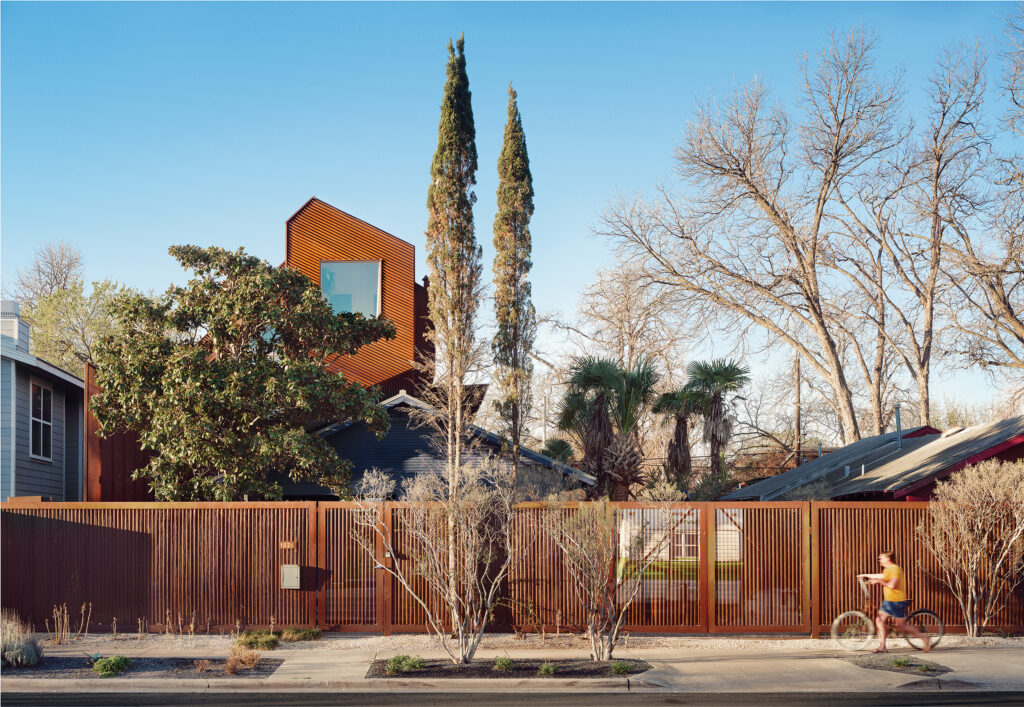
An East Austin studio rises above the rest.
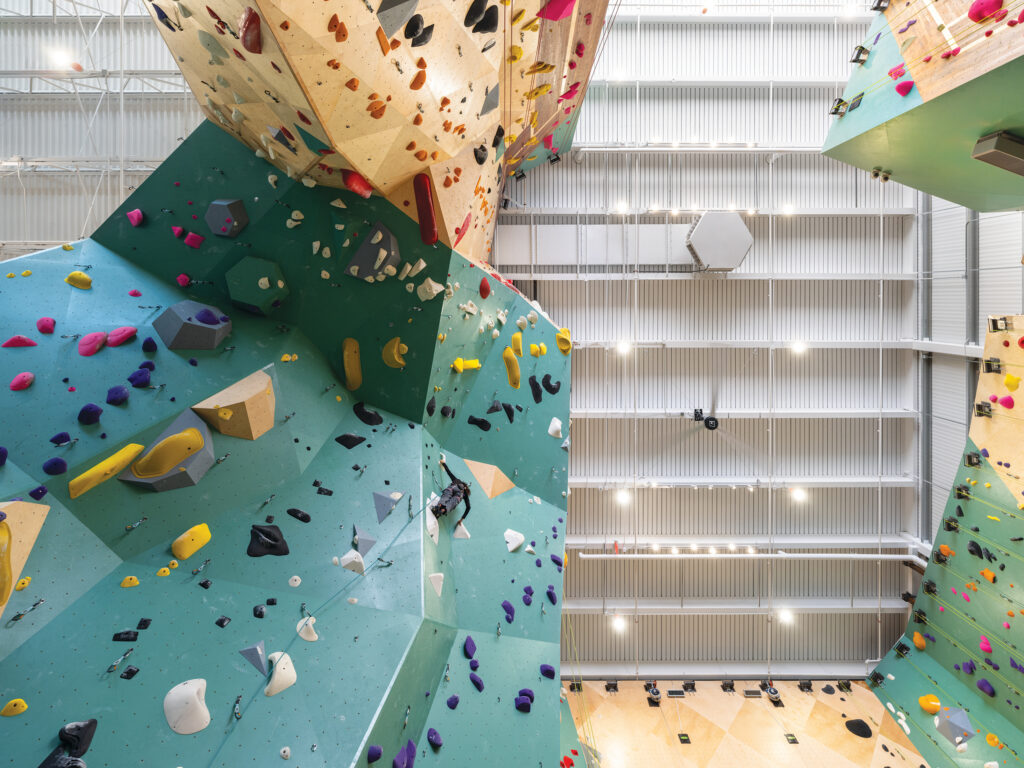
Redefining Suburban Recreational Architecture
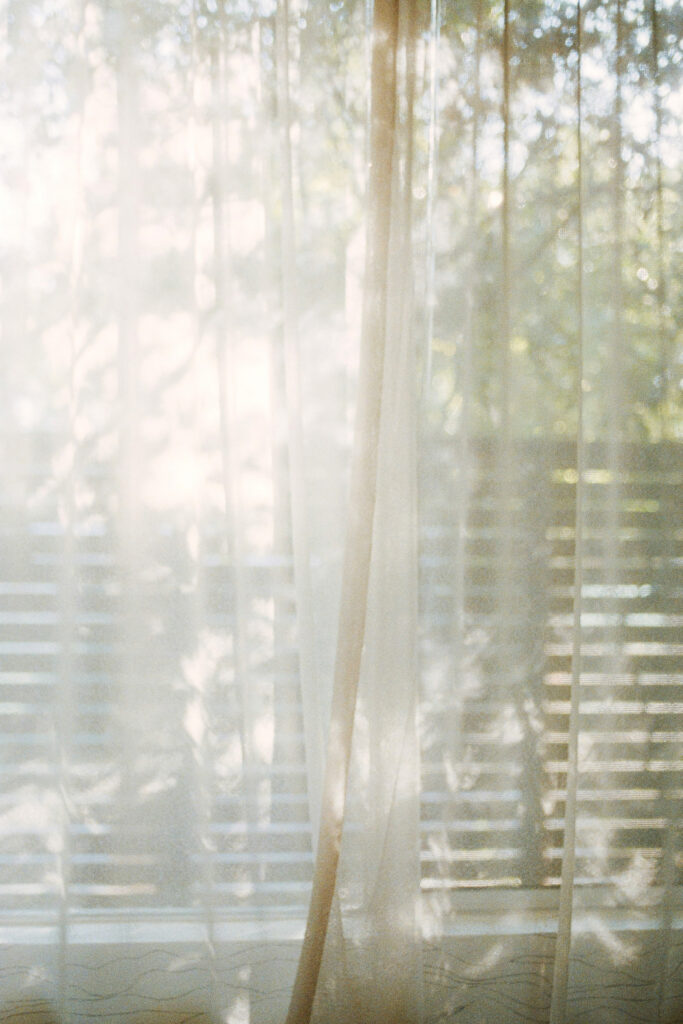
Thermal Delight in Architecture and the Continued Work of Lisa Heschong
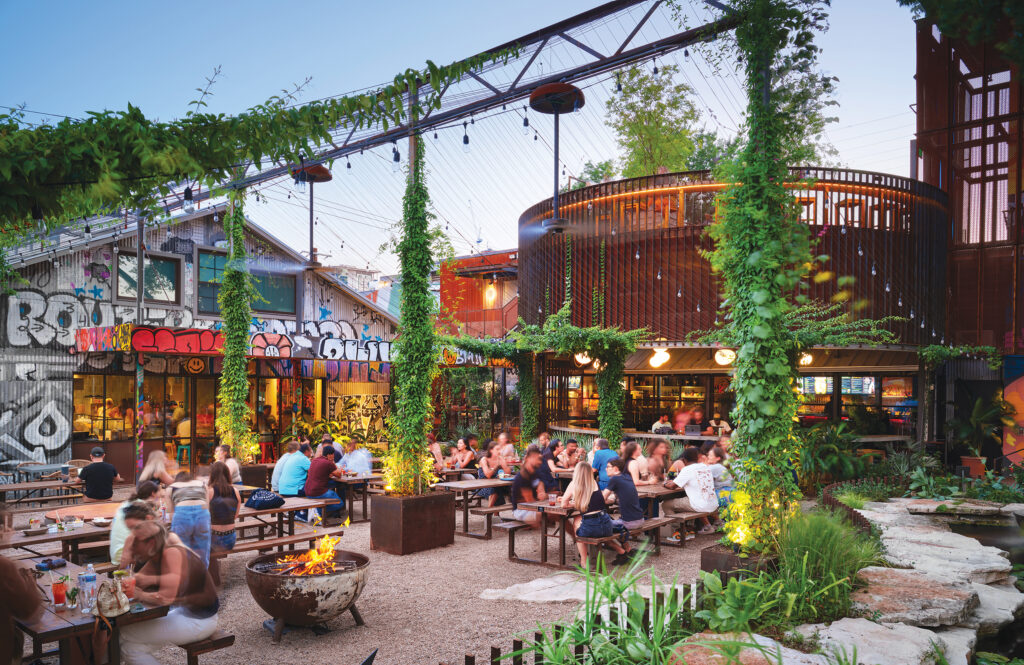
A Watering Hole for the Ages
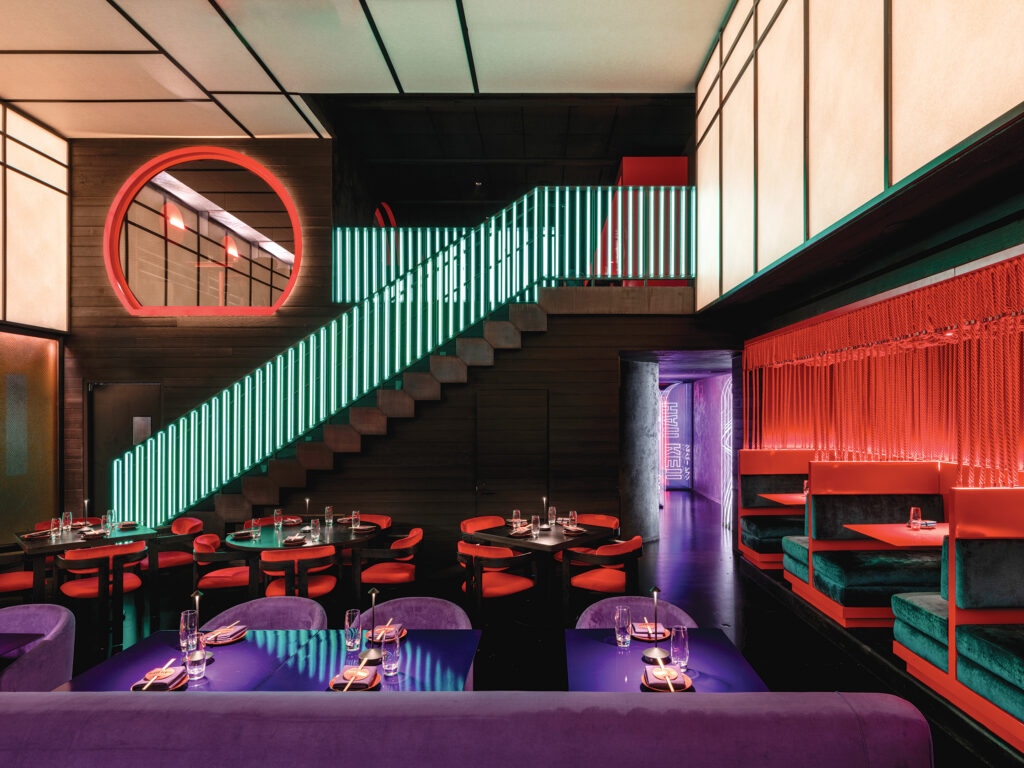
Cinematic drama meets fine cuisine.
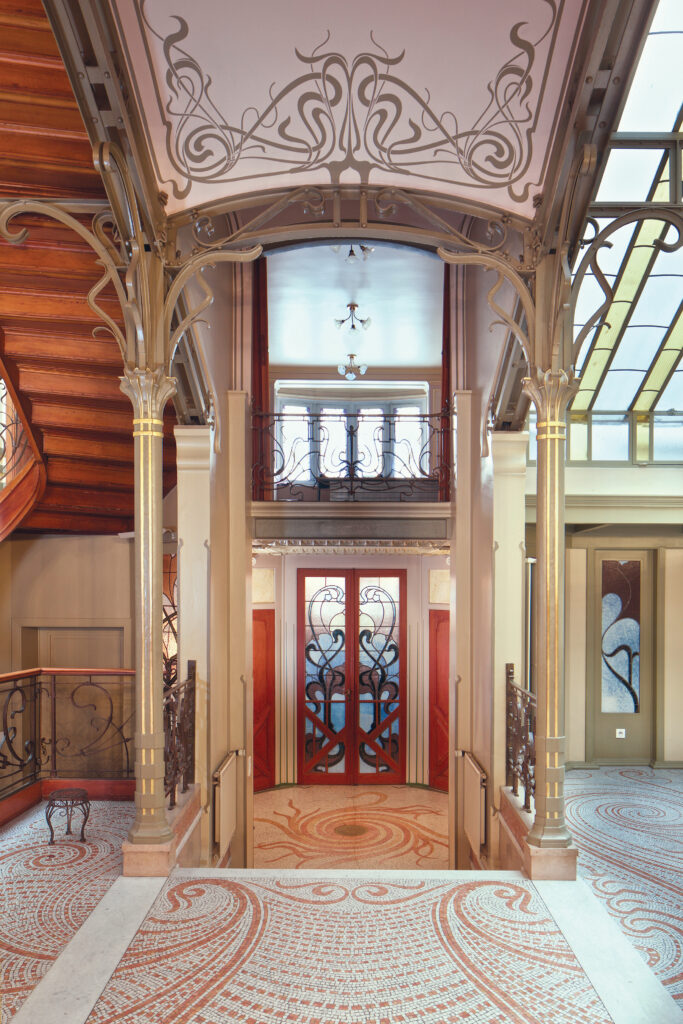
Total Design for a New Era
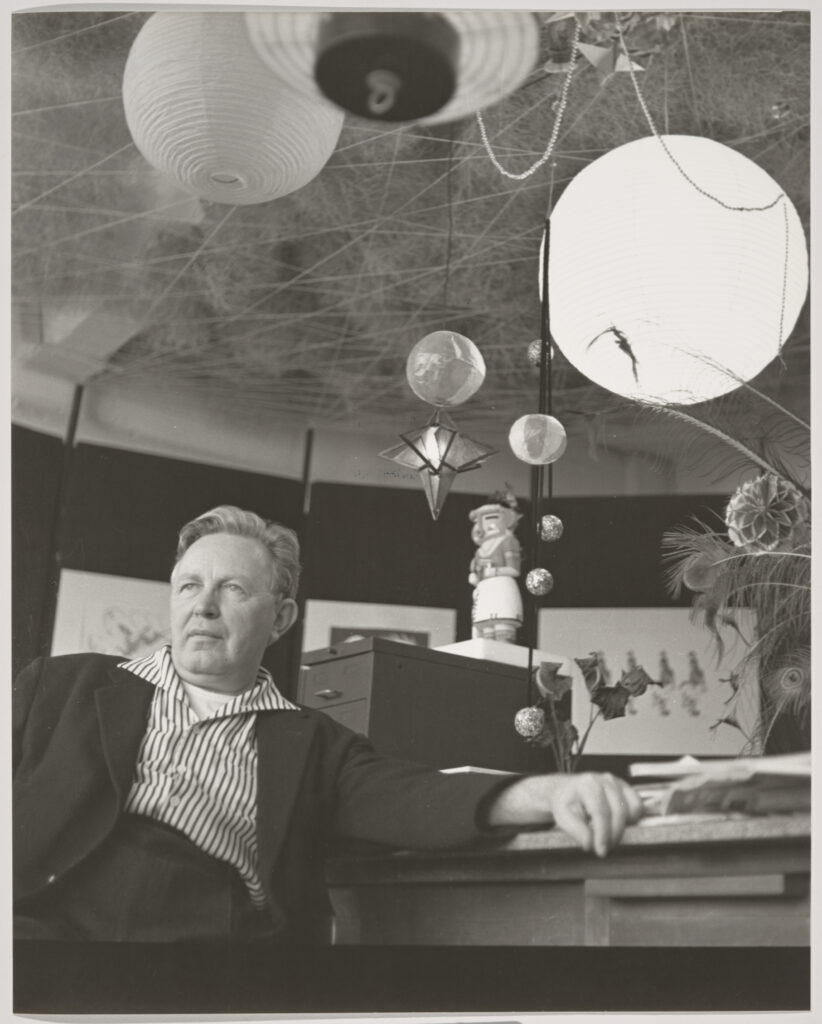
Bruce Goff: Material Worlds
Art Institute of Chicago
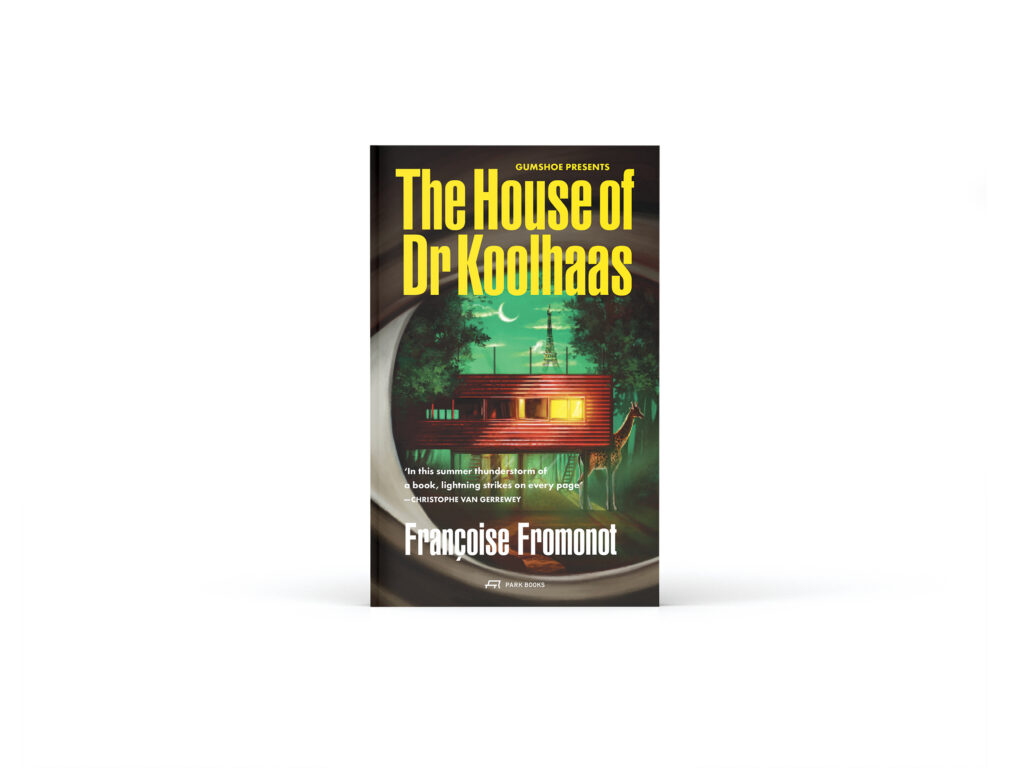
The House of Dr Koolhaas
Françoise Fromonot with editor Thomas Weaver
Park Books, 2025

The rounded edges of these products align with the growing trend toward incorporating more organic, softer shapes and curves into hospitality interiors.