May 22, 2026
Delight often comes from the unexpected. I’m reminded of moments I’ve experienced in places like Siena, Italy, or San Miguel…

“Don’t be ashamed of being human, be proud!
Inside you vault opens behind vault endlessly.
You will never be complete, that’s how it’s meant to be.”
—Tomas Tranströmer, For the Living and the Dead (1989)
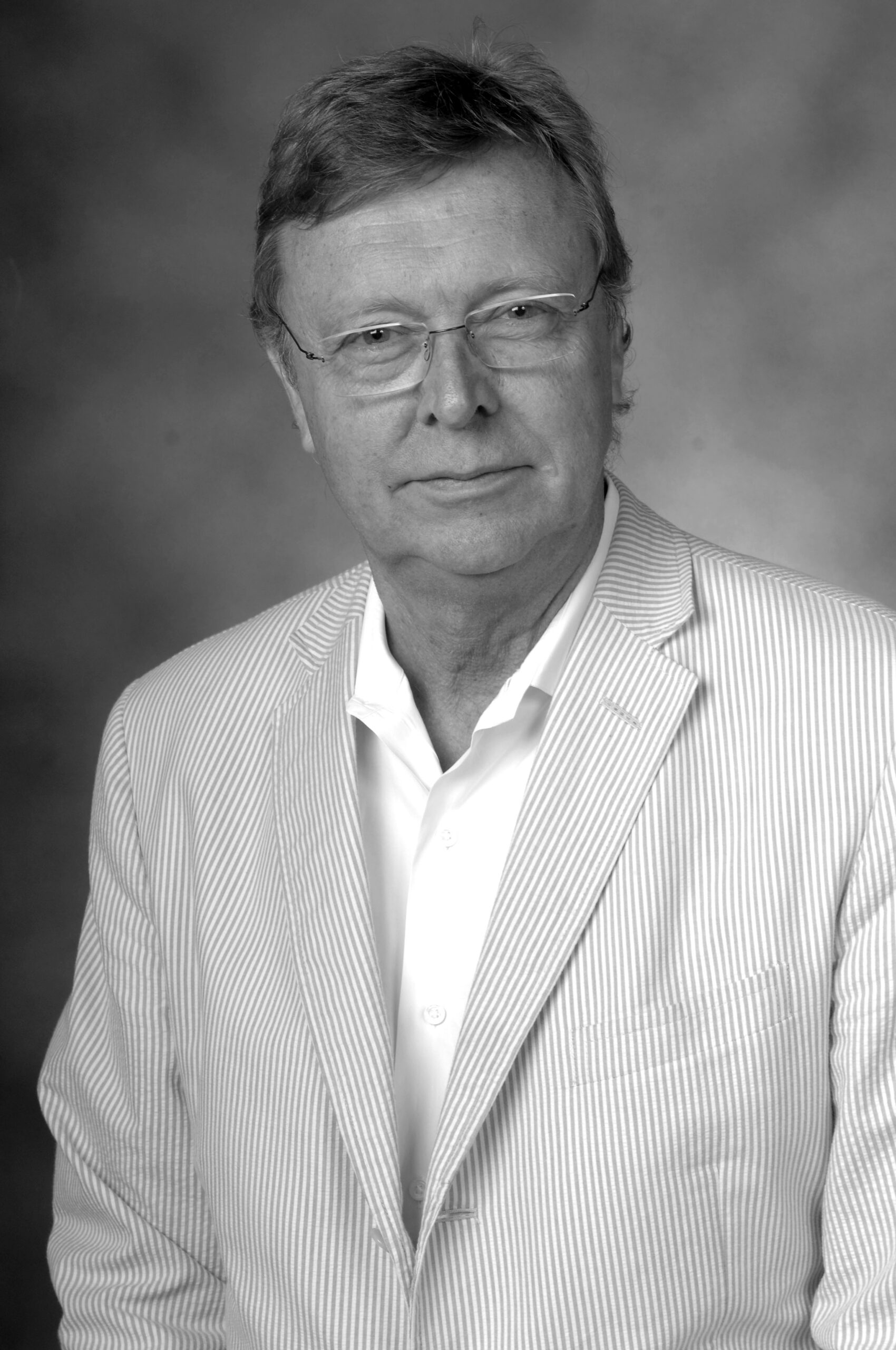
Lars Lerup died on November 5, 2025. It has been difficult for me to grapple with this loss. Lars seemed to go on forever, his quick mind and restless spirit always in motion, drawn to explore any subject that provoked him. I write these lines with a deep sense of gratitude for the loyalty and support that he gave me and many other colleagues.
I first met Lars in 1993. In the mid 1980s Lars occasionally traveled to Houston as a visiting critic at Rice from Berkeley, where he lived and taught. I came close to meeting the elusive and dynamic Lerup in the fall of 1987 when we taught separate halves of a visiting design studio at Texas A&M University. I finally met Lars when he moved to Houston in 1993 to become the dean of the Rice School of Architecture. He came to my studio, and we soon engaged in animated conversation. I felt an instant kinship, as if I had known him for a long time. At that first meeting we talked about literature, particularly about the works of Jorge Luis Borges, a writer we both loved and admired. I mentioned to Lars that I had designed a house for Borges in one of my undergraduate design studios. His interest piqued, he wanted to see the drawings, but I couldn’t find them, so I promised that I would show them to him another time. Just as Lars was about to leave, he stopped, turned, and, on an impulse, asked me to give a talk at the school and teach a visiting studio the next academic year. I recall responding with a hesitant “Well, maybe, perhaps,” as at the time I was quite busy with projects under construction and commitments to teach at two other schools. Sensing my trepidation, Lars admonished me, in his gruff and charming way, noting that I should not be intimidated by his Scandinavian demeanor, for deep inside him dwelled the heart of a Latin. I would learn many times over what he meant by this.
As I think of Lars, I am reminded of a passage from Borges’s short story “The Aleph.” It goes like this: “A man sets out to draw the world. As the years go by, he peoples a space with images of provinces,kingdoms, mountains, bays, ships, islands, fishes, rooms, instruments, stars, horses, and individuals. A short time before he dies, he discovers that the patient labyrinth of lines traces the image of his own face.”
Like the protagonist of Borges’s story, Lars set out to draw the many worlds of Houston with all their perplexing contradictions, terrifying beauty, and visceral willfulness. From his apartment tower along Hermann Drive, where he lived during his deanship, Lars patiently observed the endless horizons, the turbulent and at times toxic clouds, the nurturing trees, the insatiable freeways, the resilient bayous, and the carpet of house after house unrolling across the indomitable Texas plains. Lars would chronicle and name every nuance of what appeared to most people to be an incomprehensible territory whose vastness was not only disorienting but ultimately wasteful. A keen observer of the phenomena that befall our peculiar, ever expansive metropolis, Lars took enormous pleasure in drawing and writing about them all. Gifted with the skills of a poet-engineer who drew like an artist, he could not contain his enthusiasm whenever he discovered something new, unforeseen, or obvious about the city that engulfed him, just as he could not wait to share these findings with his colleagues and students alike.
Recalling Lars’s tenure as dean, I am reminded of so many shared, enriching adventures in academia and life—too many to summarize. Lars was not only essential to my academic upbringing but also to those of many other colleagues. He was a vigilant guardian of the academy’s central mission: Always question the condition of things. Lars loved to live welland fully. Yet he also felt ethically compelled not to sacrifice his skepticism. He yearned for the truths of knowledge and friendship. His appetite for observation was a search for truth itself, as his curiosity was boundless. Fueling his inclination to provoke was the passion that drove Lars to celebrate his own achievements and shortcomings as well as those of others.
Throughout a long productive life, Lars wrote many books and essays, vivid chronicles of the interests that he found in the places that shaped his life, from Sweden and Berkeley to New York and Houston, from San Juan to Miami. Of all his writings, I appreciate most The Life and Death of Objects, which I reviewed when it was published in 2022. The book’s engaging narrative takes the form of an autobiographical travelogue that leaves one wanting more. Concise and anecdotal, the storyline delights the reader with its absorbing and contagious inquisitiveness. Lars interrogates the objects that he appreciates or designs with an honesty and empathy seldom seen in works of recollection. Lars wanted his objects to be the opposite of the countless ignored or discarded products churned out by our volatile consumerist culture. As I wrote in my review, it is quite moving to read Lars’s poignant reflections on his own designs. These insights allowed him to come full circle in understanding how the objects of his life became an all-encompassing mirror—a cherished mirror that, along with his drawings and writings, is the true trace of his life. As he writes: “For those of us still paranoid and critical, there is no redemption in sight, yet there is in the life and death of things a line of thought that outweighs doom. Here, in and around the small, I have found a cohort whose manifestations espouse no evil, bear no harm. They just want us to see them.”
Lars revels in provoking us to look again. His objects might bestow a redeeming and forgiving dispensation on our lives, the opposite of those useless contraptions that weight us down with their monolithic authority. Lars Lerup’s objects deserve our respect, our inquiry, our love, and, ultimately, our shared desire for freedom. How else to pause from, or break away from, a world determined to turn us all into profligate, uncritical consumers?
I treasure Lars’s intrepid, leaping mind and the gentleness of his spirit, just as I will dearly miss our conversations on so many things, from the multifarious cities stretching across the Americas to the insoluble candor of Chavela Vargas’s voice, from the eternal season that lingers in Ingmar Bergman’s Summer with Monika to the pendular allegories of Aldo Rossi. To paraphrase the closing monologue in The Great Beauty by Jep Gambardella: “This is how it always ends, with death, but first there was life…silence and sentiment, emotion and fear…the haggard, inconstant flashes of beauty.”
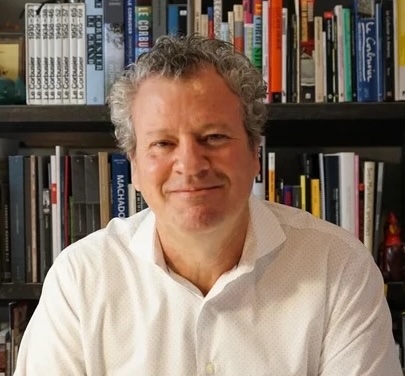
Carlos Jiménez is a professor at Rice School of Architecture and principal of Carlos Jiménez Studio.


On the Invisible Forces and Narrative Logics of Art and Design
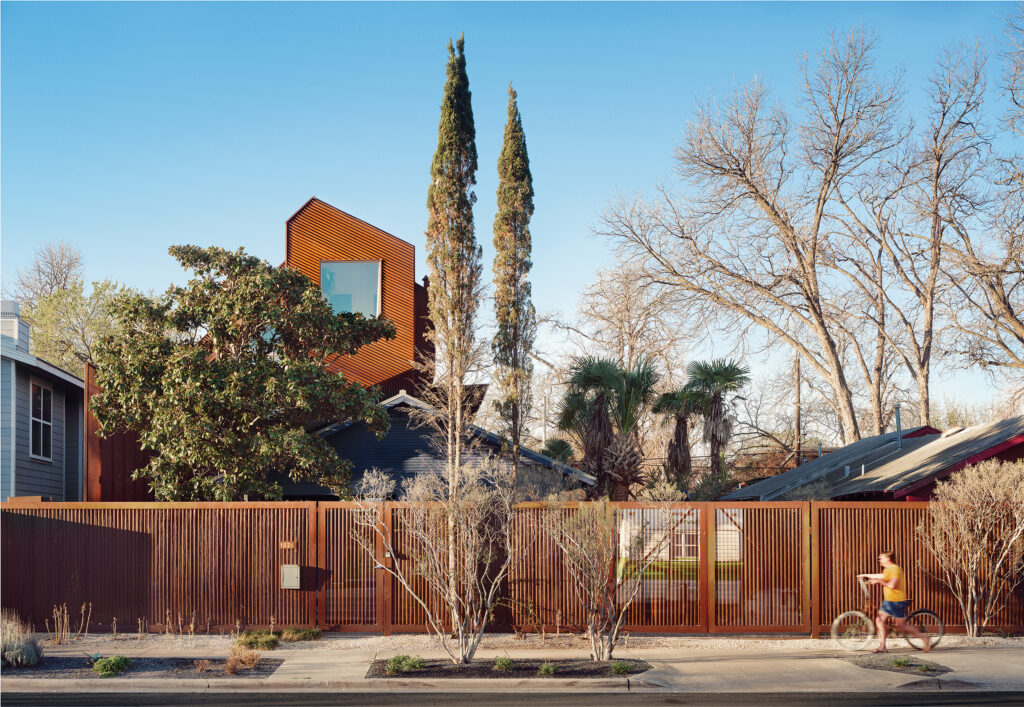
An East Austin studio rises above the rest.
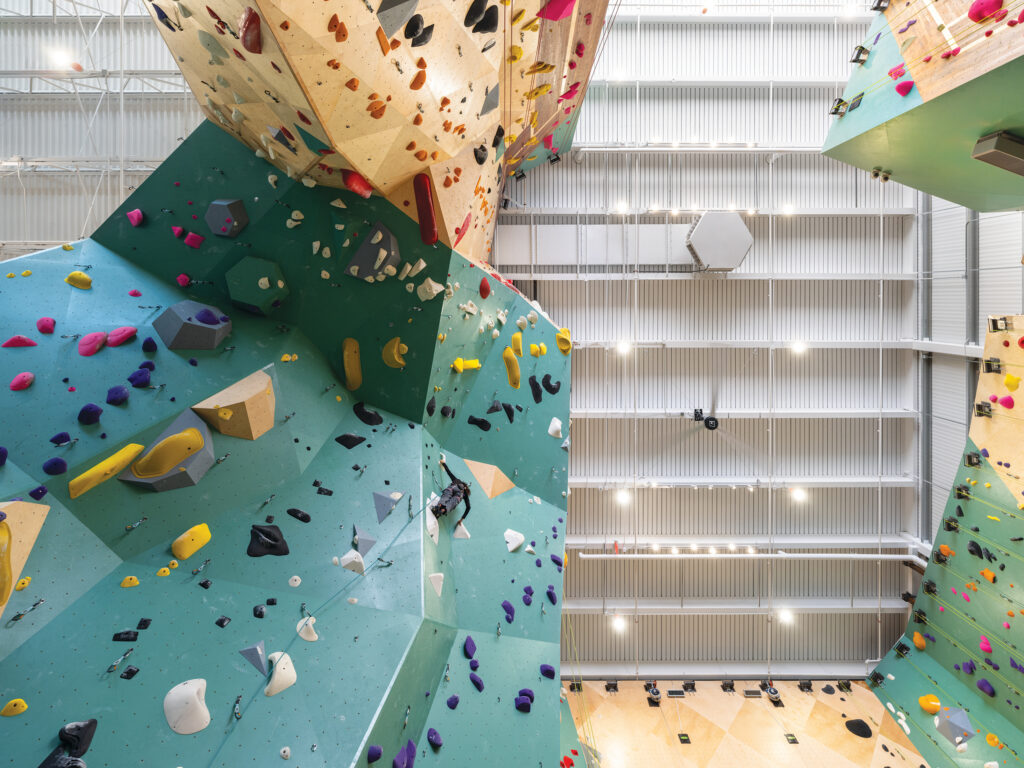
Redefining Suburban Recreational Architecture
Thermal Delight in Architecture and the Continued Work of Lisa Heschong

A Watering Hole for the Ages
Cinematic drama meets fine cuisine.
Total Design for a New Era

Bruce Goff: Material Worlds
Art Institute of Chicago

The House of Dr Koolhaas
Françoise Fromonot with editor Thomas Weaver
Park Books, 2025

The rounded edges of these products align with the growing trend toward incorporating more organic, softer shapes and curves into hospitality interiors.
What a beautiful, moving, and loving tribute to our friend . . . May his memory be as a blessing.