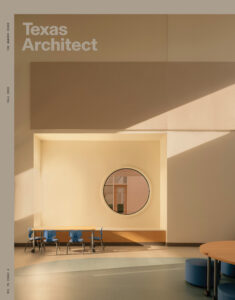
Delight
Editor's Note
Delight in architecture is often perceived as something that arrives once the serious work is done. Once budgets are reconciled and codes satisfied, perhaps then there is a bit of room for delight. But this issue proposes something more fundamental: that delight is not an accessory to architecture but one of its quiet engines, operating at every scale. Vitruvius, in his enduring triad of firmness, commodity, and delight, positioned delight not as surplus but as an essential counterpart to stability and utility. If firmness ensures that a building stands, and commodity that it is useful, delight is what allows it to resonate.
This resonance is not merely aesthetic; it is a form of emotional durability. Buildings that delight are more likely to be remembered, revisited, and cared for. They foster attachment, cultivating a sense of belonging that extends their relevance beyond functional need alone. In this way, delight contributes to longevity—not only through physical endurance, but through the sustained investment of those who inhabit and maintain architecture over time.
Delight is also deeply embodied. It is thermal and visual, tactile and temporal. It lives in the warmth of a sunlit surface, the coolness of shade, the rhythm of structure, and the unexpected color that catches the eye. It is not only perceived but felt, often before it is understood. In this sense, delight completes the Vitruvian triad not by ornament alone, but by shaping how architecture is sensed and remembered.
Importantly, delight is rarely the product of a single authorial gesture. It accumulates through the contributions of many—designers, fabricators, craftspeople—whose attention to detail inflects the built environment with care and specificity. These moments of precision and craft are where architecture often becomes most intimate, inviting close looking and sustained engagement.
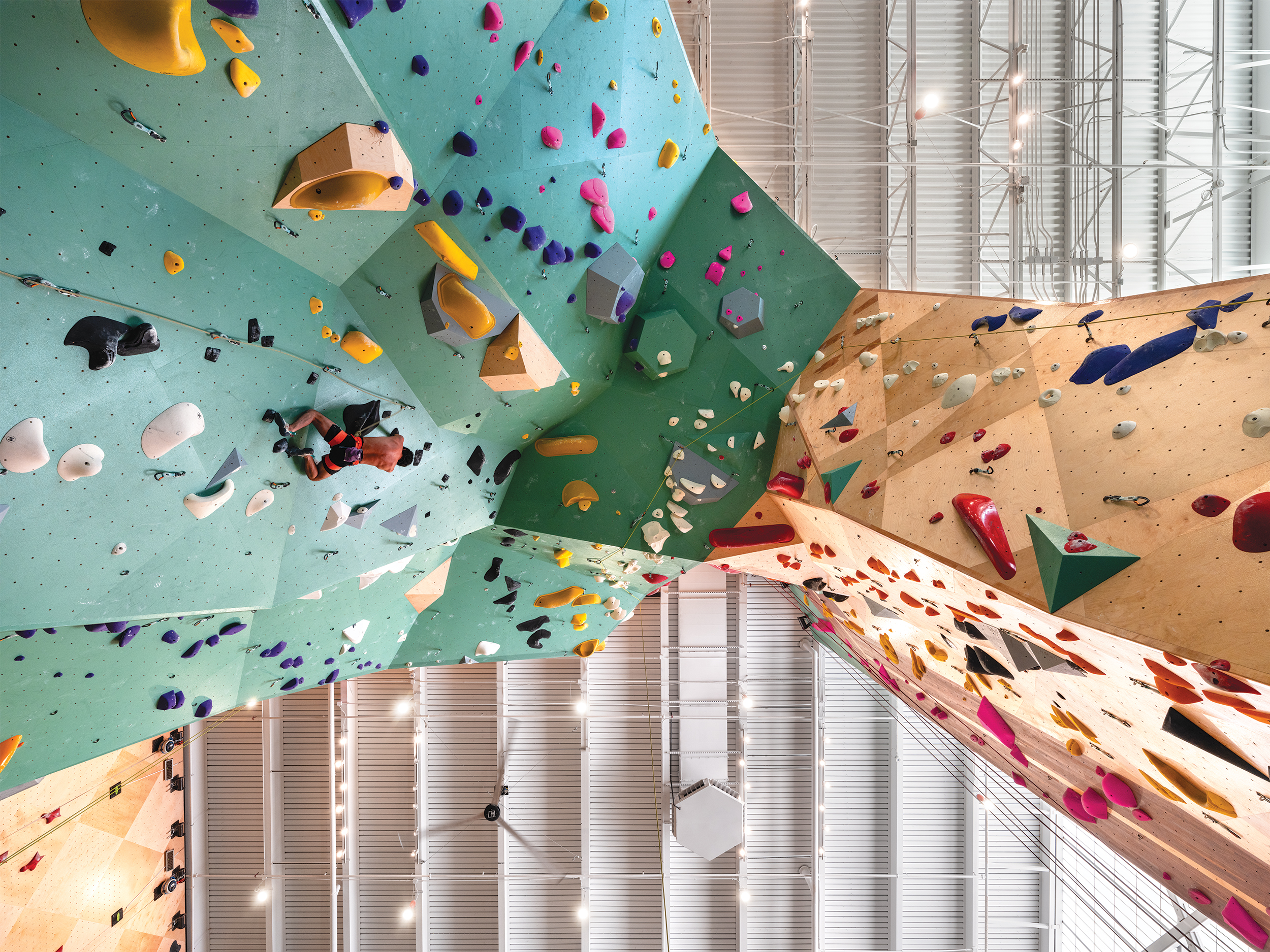
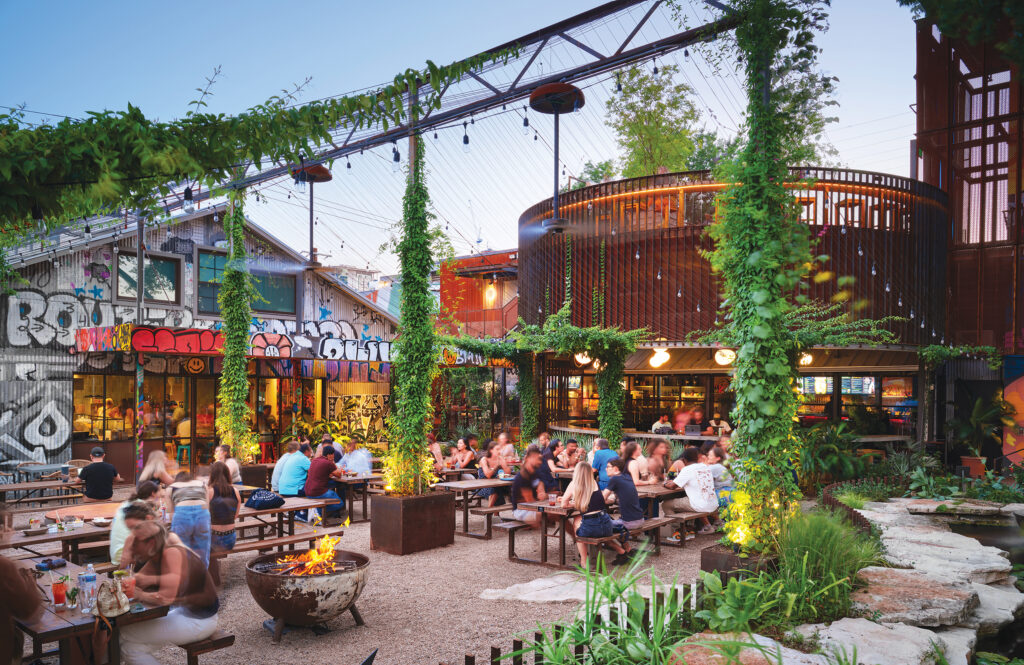
The projects and essays gathered here suggest that delight is not a singular quality but a spectrum of effects—playful, immersive, surprising, and sometimes even disorienting. Taken together, they ask us to reconsider delight not as a luxury, but as an essential dimension of architectural thinking: inseparable from firmness and commodity, and vital to how buildings endure, not only in time, but in memory.
—Anastasia Calhoun, Assoc. AIA, NOMA
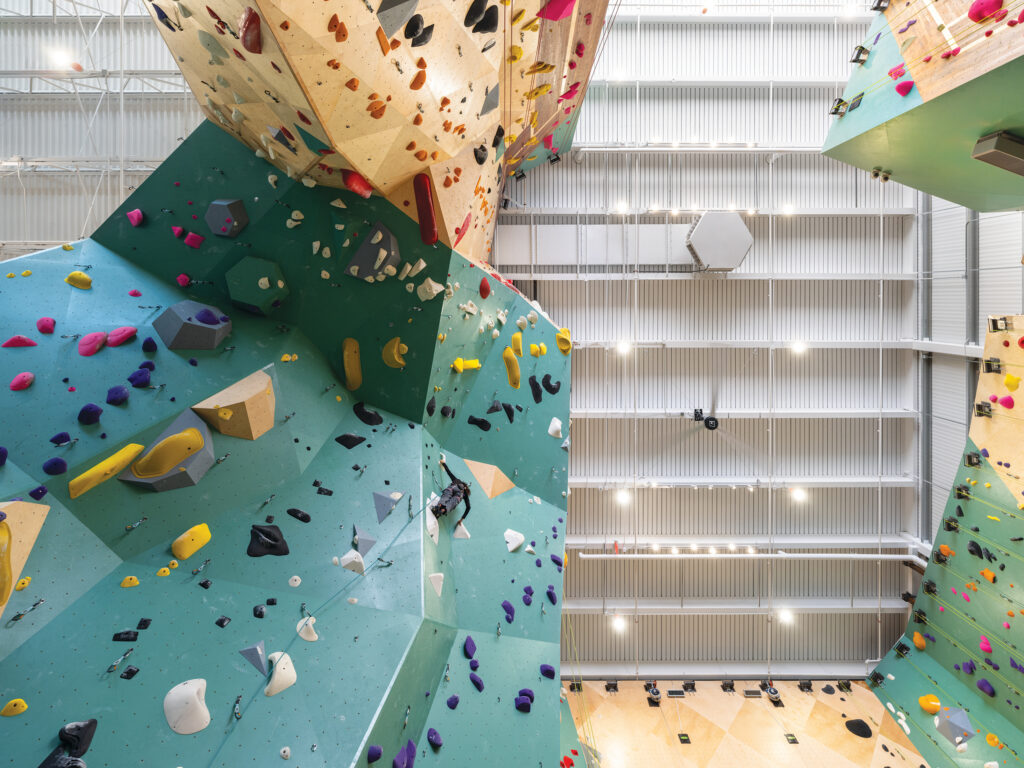
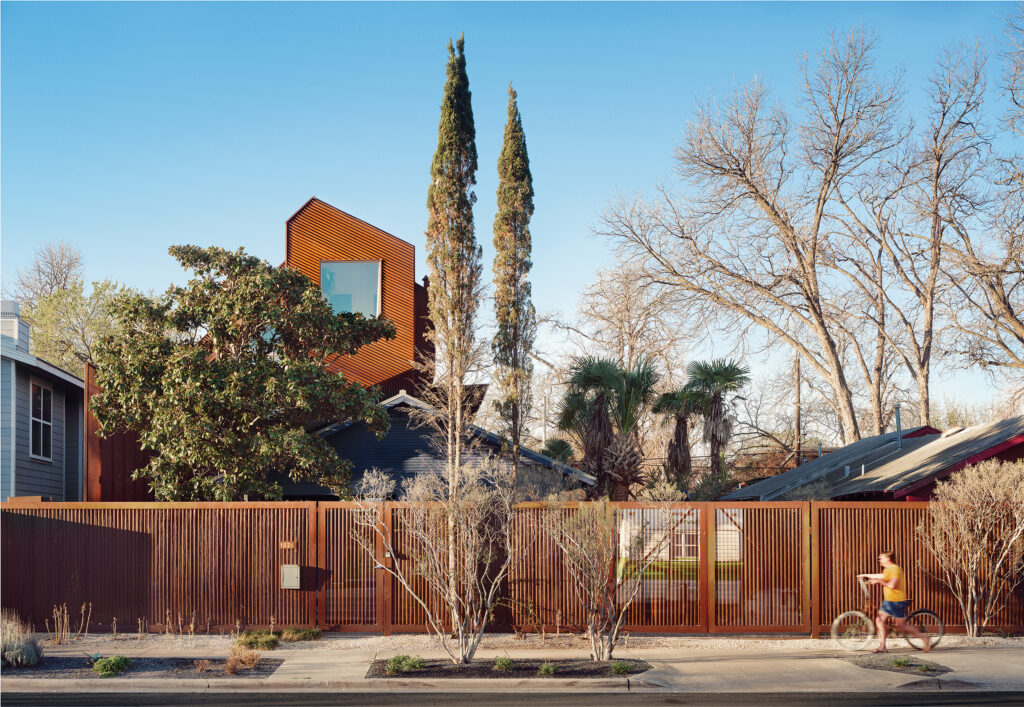
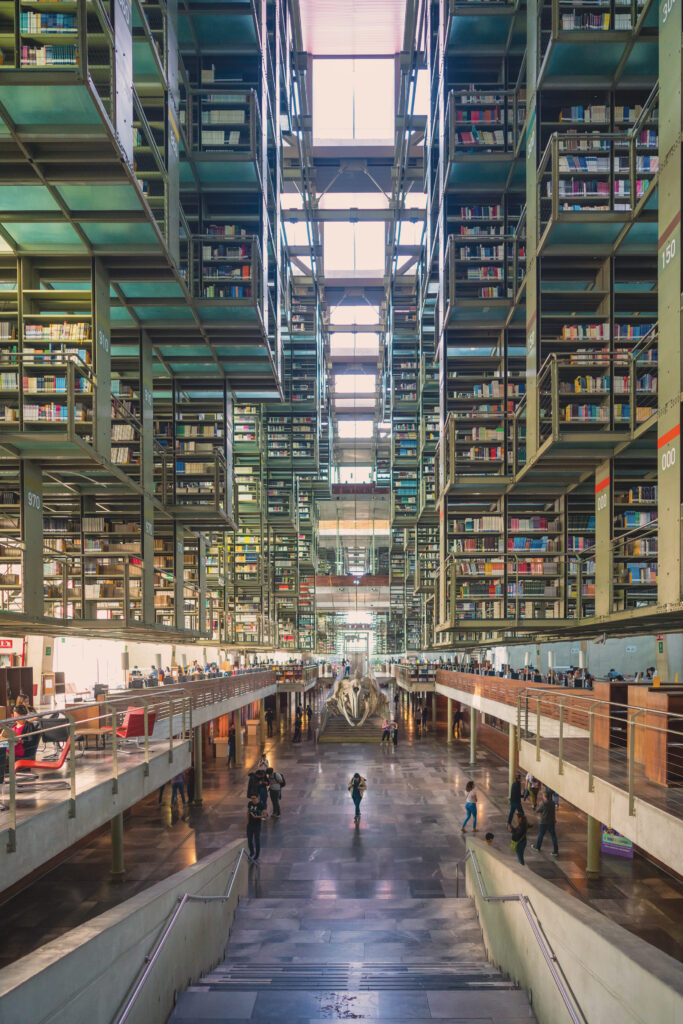
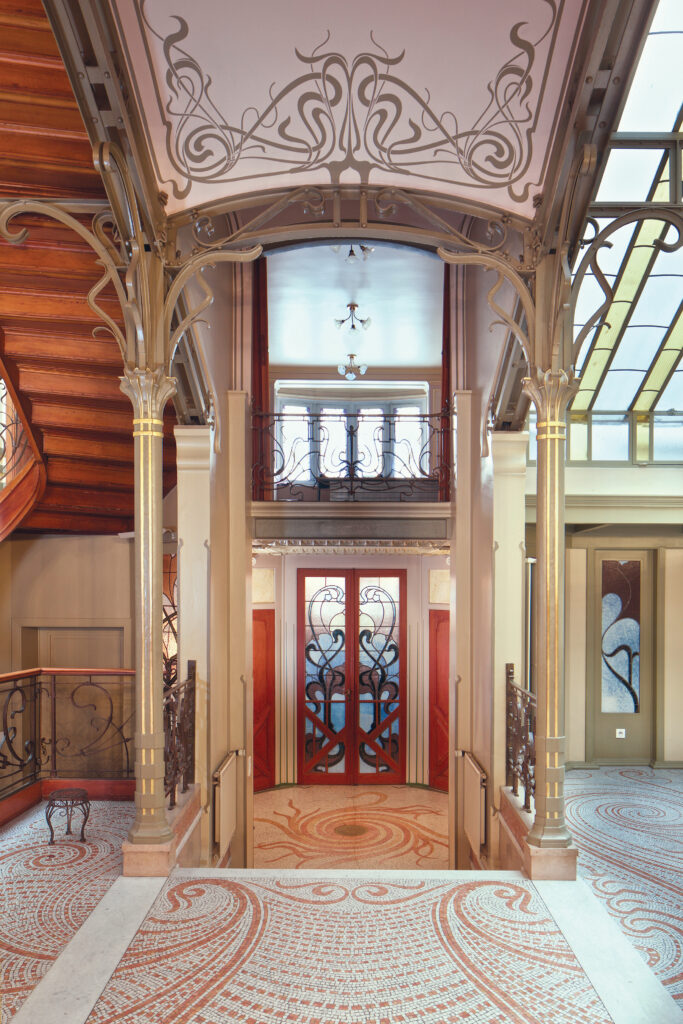
More from this Issue
View All Articles
May 22, 2026
“Don’t be ashamed of being human, be proud! Inside you vault opens behind vault endlessly.You will never be complete, that’s…

May 22, 2026
When people think about disabilities, the images are often those of people with mobility impairments—wheelchair users, scooters, walkers, and the…
May 22, 2026
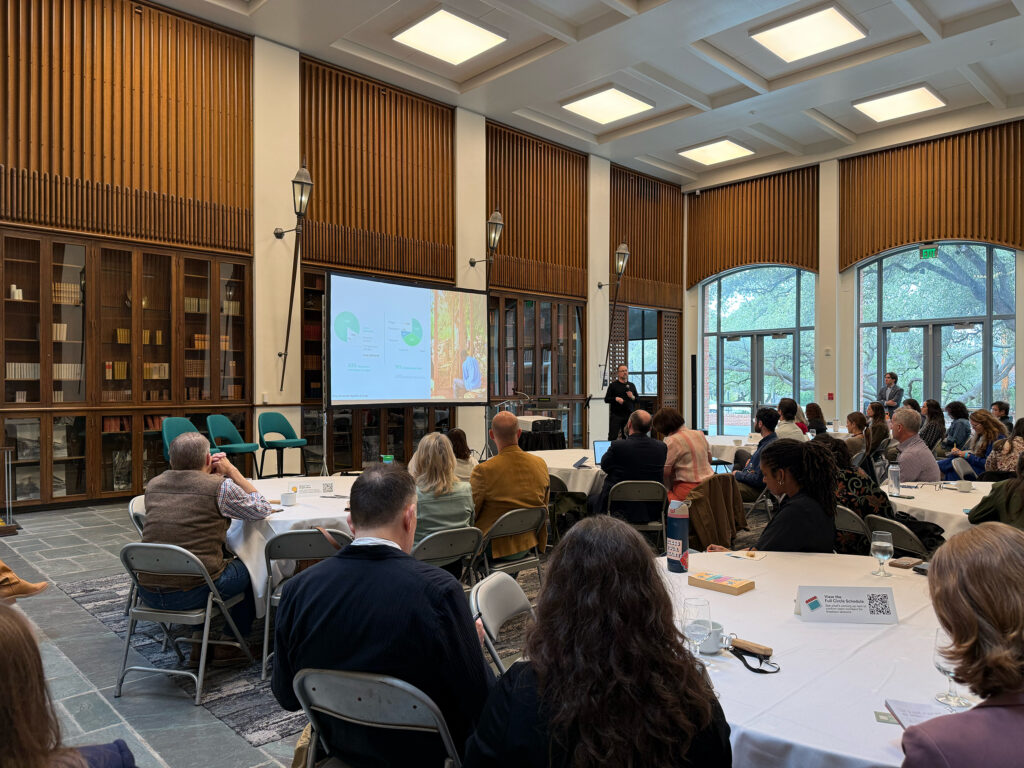
Last February, San Antonio became the epicenter of a growing global movement when experts in circular design and implementation gathered…
May 22, 2026
In November 2025, the Department of Education proposed stripping the professional designation from architecture degrees. This reclassification would limit the…
May 22, 2026
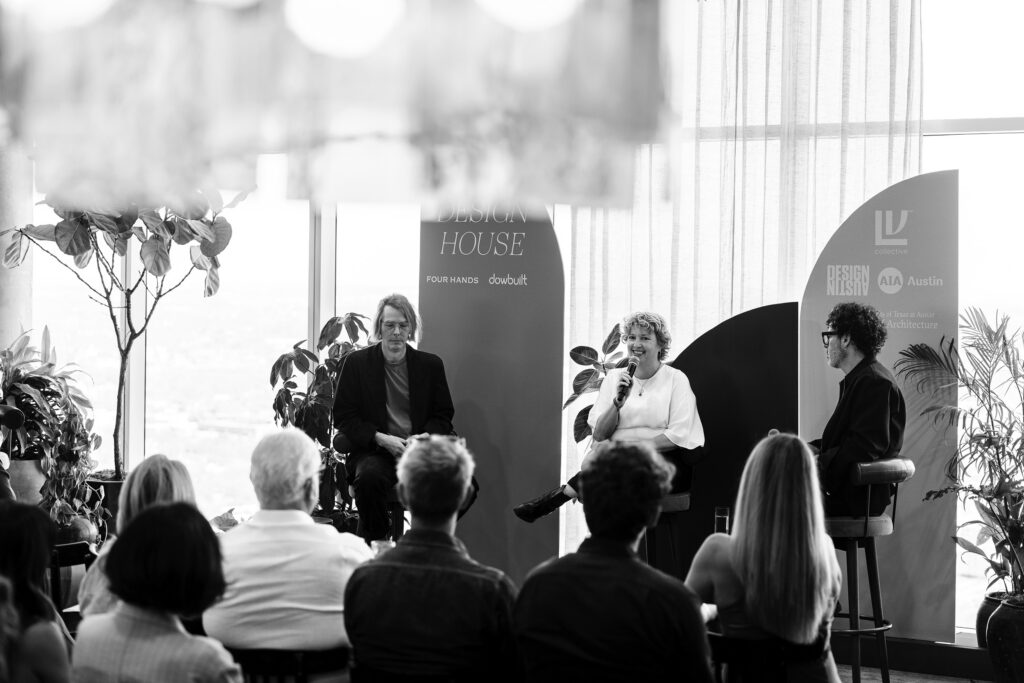
South by Southwest has long occupied a memorable and influential position in the cultural landscape of Austin. Since its founding…
May 22, 2026
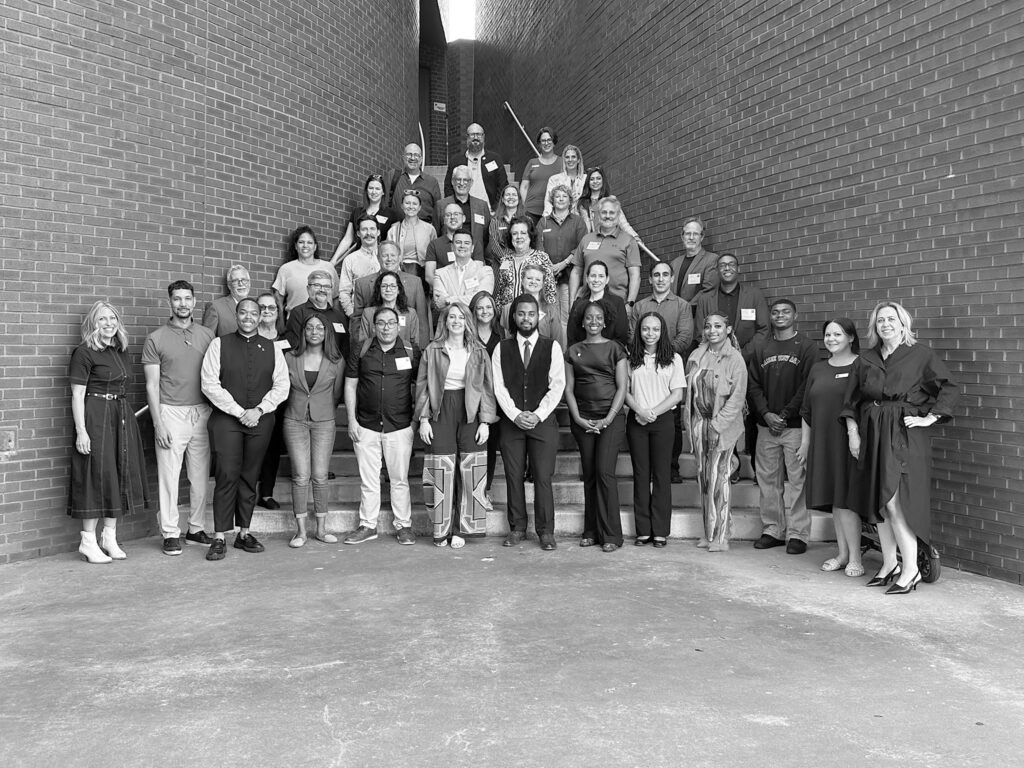
Delight often comes from the unexpected. I’m reminded of moments I’ve experienced in places like Siena, Italy, or San Miguel…
May 22, 2026
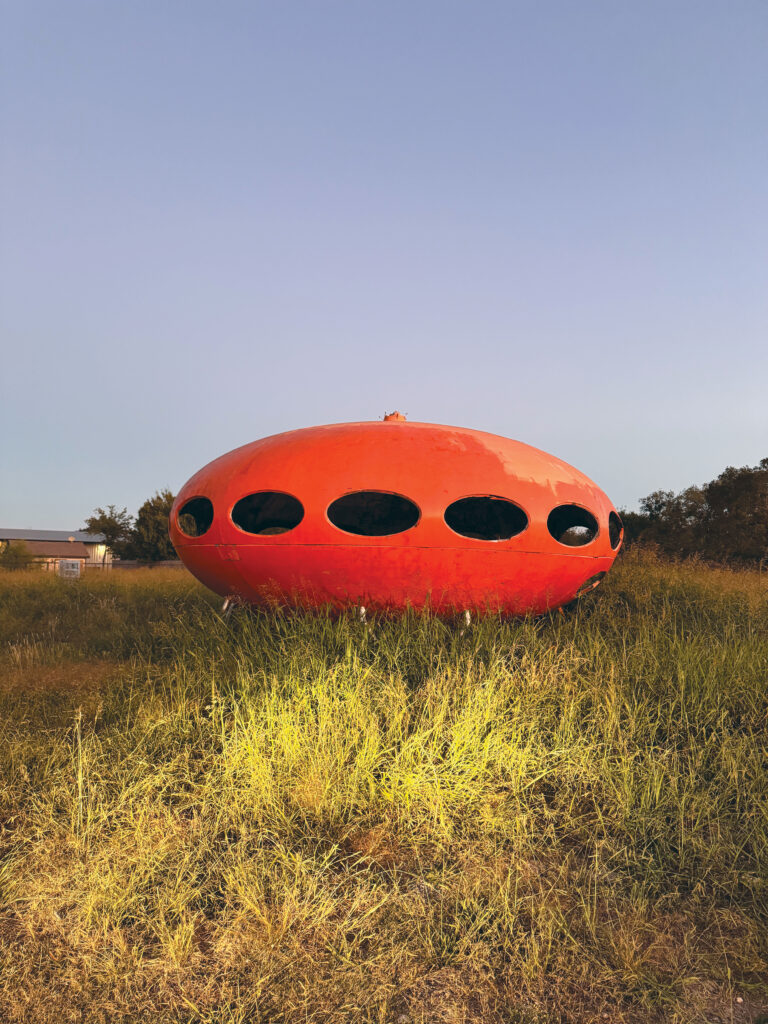
Driving east from Dallas along State Highway 276, the landscape opens into the Blackland Prairie. Fields stretch out from the…

May 22, 2026
The rounded edges of these products align with the growing trend toward incorporating more organic, softer shapes and curves into hospitality interiors.
May 22, 2026
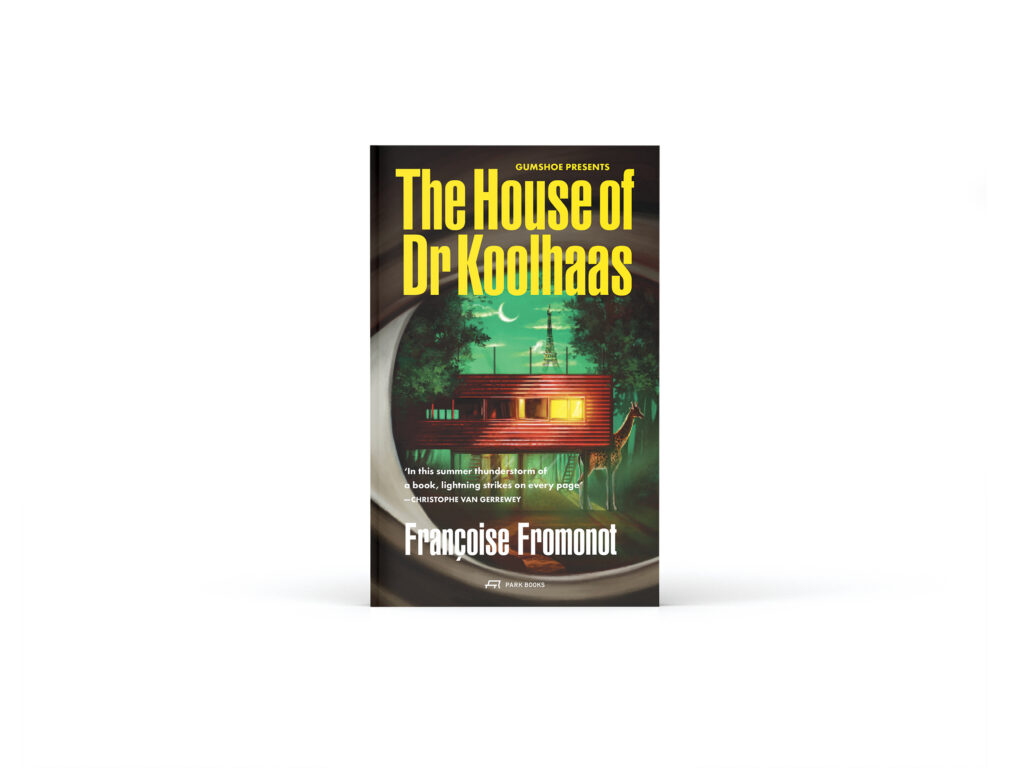
The House of Dr Koolhaas
Françoise Fromonot with editor Thomas Weaver
Park Books, 2025
May 22, 2026
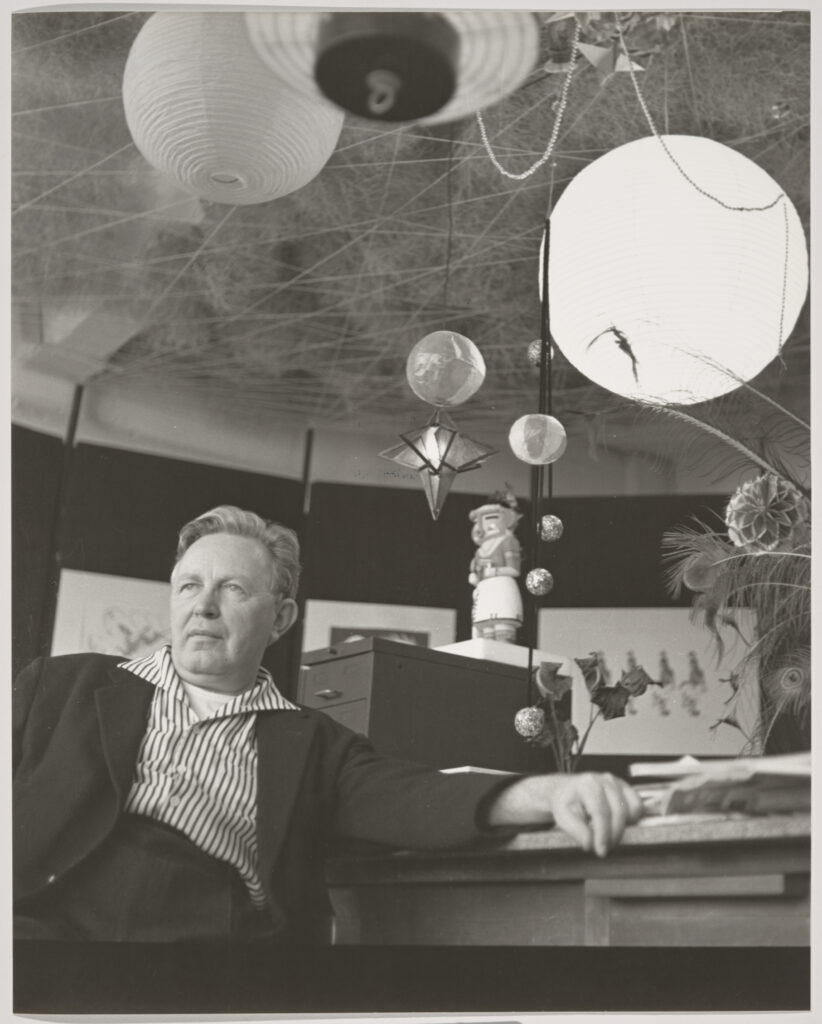
Bruce Goff: Material Worlds
Art Institute of Chicago

May 22, 2026
While things are moving—albeit slowly—in the right direction, AIA continues to struggle with diversity, a problem that is particularly visible…