May 22, 2026
A Watering Hole for the Ages

While things are moving—albeit slowly—in the right direction, AIA continues to struggle with diversity, a problem that is particularly visible in one of its highest membership awards: Fellowship. Seventy-one percent of the 66 new AIA Fellows are white, and 61 percent are men, according to the AIA’s statistics. These numbers align directly with the racial and gender identities of the entire class of submissions. In other words, most people who applied for Fellowship continue to be male and white.
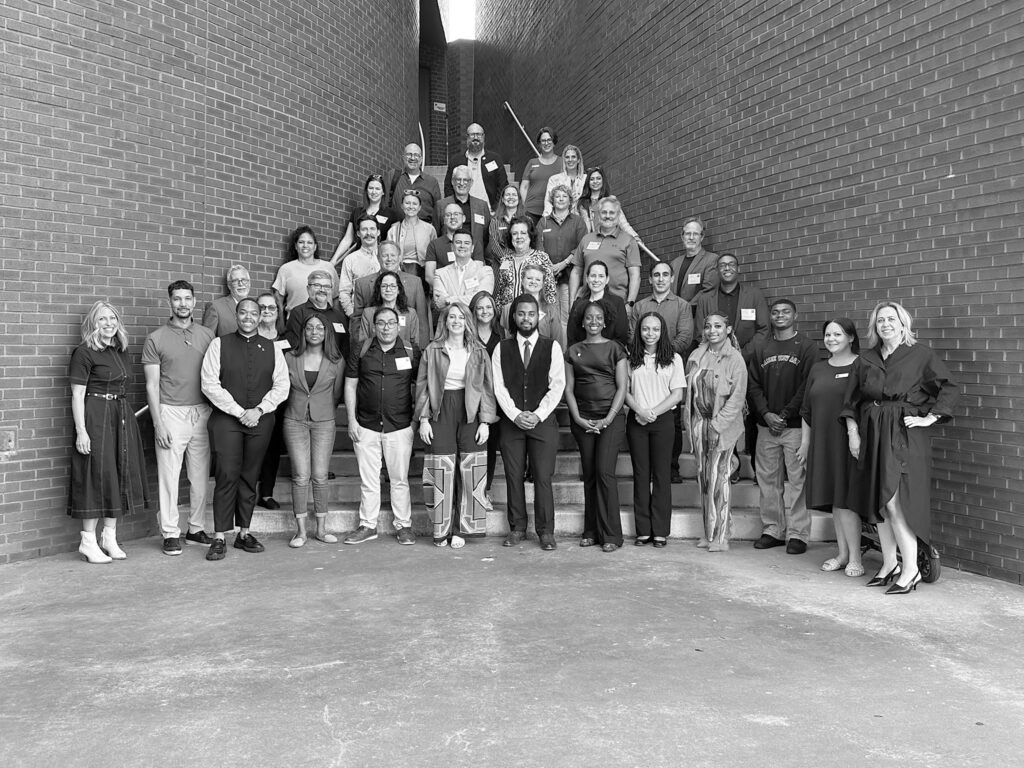
That’s the discouraging news. The better news is that Texas led the way in diversifying this group of leaders. The six-person Texas cohort—8 percent of this year’s class—is the most diverse in the country. The group is evenly divided by gender and includes all three Black architects elevated nationwide this year, along with one of the two Hispanic architects. It also embodies a wide range of experiences and achievements.
This shift reflects a broader national trend: Over the past decade, Fellowship has evolved from a late-career capstone recognition into one that often comes in mid-career, celebrating architects who are actively reshaping the profession and their communities. This alone offers a more representative picture of the profession and lays the groundwork for continued progress.
Eligibility for Fellowship requires that a candidate be an AIA member in good standing and have completed 10 cumulative years of AIA Architect membership by the date of the submission deadline. The nomination process has two paths: One is nomination by the candidate’s chapter or state component, the other is nomination by peers, which requires the signatures of either 10 AIA architect members or five Fellows. The type of nomination has no bearing on the jury’s evaluation of the submission.
Here, the new Texas Fellows share their individual journeys and their experiences with the sometimes mystifying process. Collectively, their contributions represent four of the six Fellowship categories, or Objects of Nomination, and demonstrate advancement in innovative sustainability and empathetic healthcare design, inclusive AIA leadership, culturally significant design excellence, and service focused on expanding diversity and inclusion. Michael Ford, FAIA, NOMA, the recipient of the 2025 Whitney M. Young Jr. Award honoring exemplary social responsibility in the profession at the national level, was automatically elevated to Fellowship this year for his inspiring engagement with underserved youth.
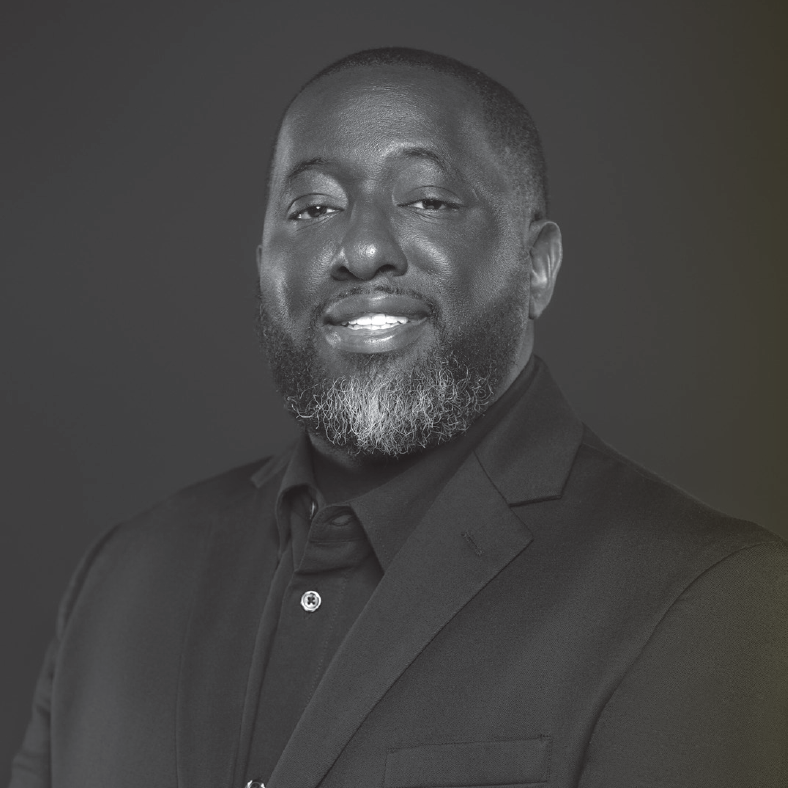
Michael Ford, FAIA, NOMA
Dallas
Recipient of the 2025 Whitney M. Young Jr. Award
Ford was awarded the Whitney M. Young Jr. Award for his visionary work merging hip-hop culture with architecture to inspire underrepresented youth and create pathways into the design profession.
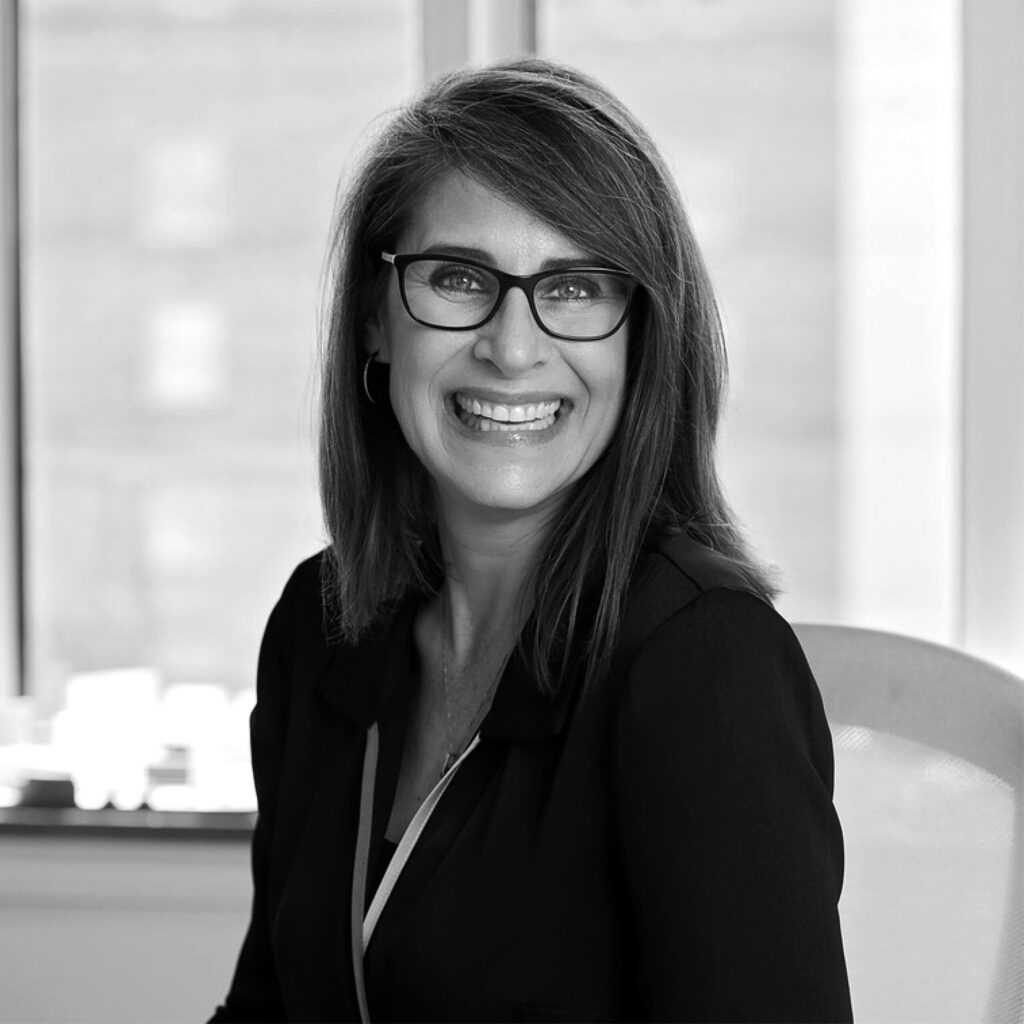
Whitney Fuessel, FAIA
Houston
Object Two: Practice/Technical Advancement
As a healthcare architect, Whitney Fuessel leads with empathy. She creates deeply intentional and compassionate buildings, empowers peers and future leaders, and embraces every opportunity to employ supportive architecture to uplift and transform vulnerable communities.
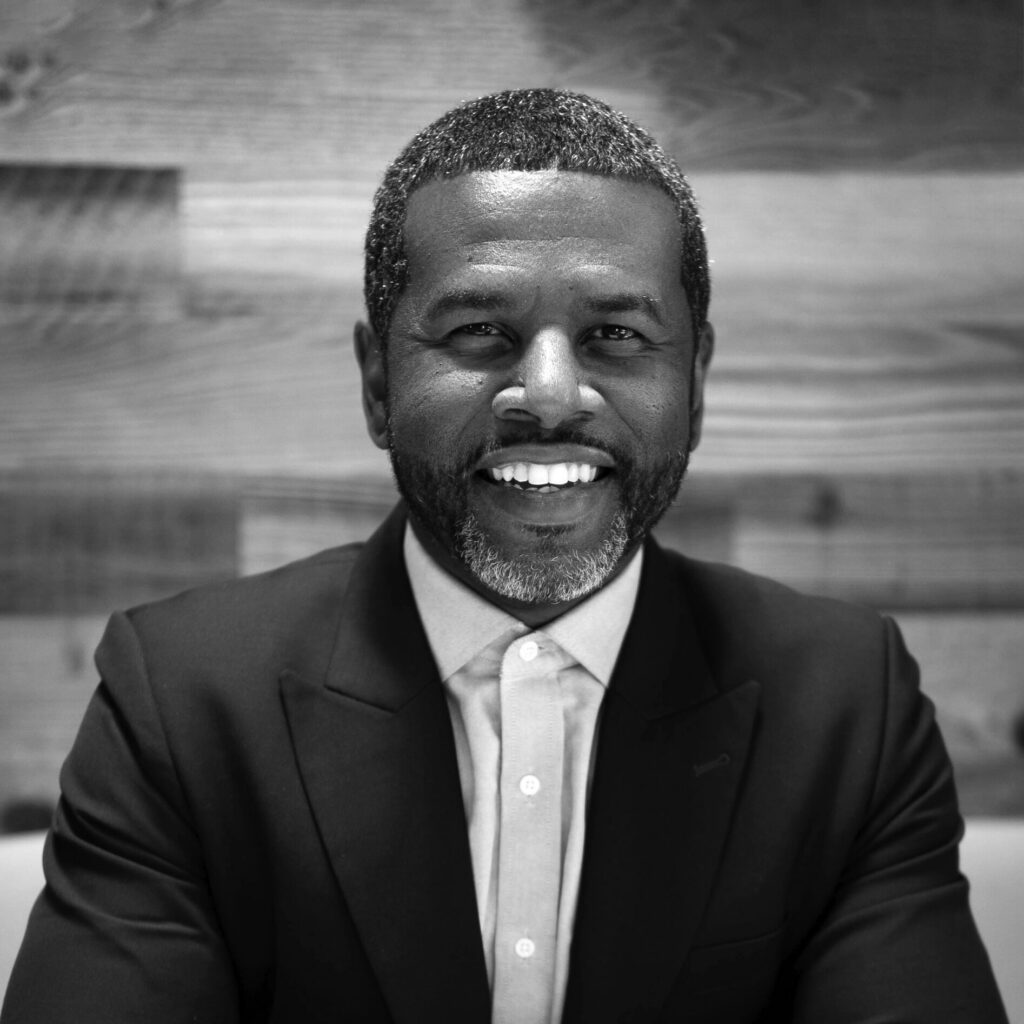
Daimian Hines, FAIA, NOMA
Houston
Object One: Design
Daimian Hines pursues design excellence as professional practice and civic responsibility, creating architecture that achieves its highest potential by uniting technical rigor and cultural meaning, and expanding representation in the profession and its work.
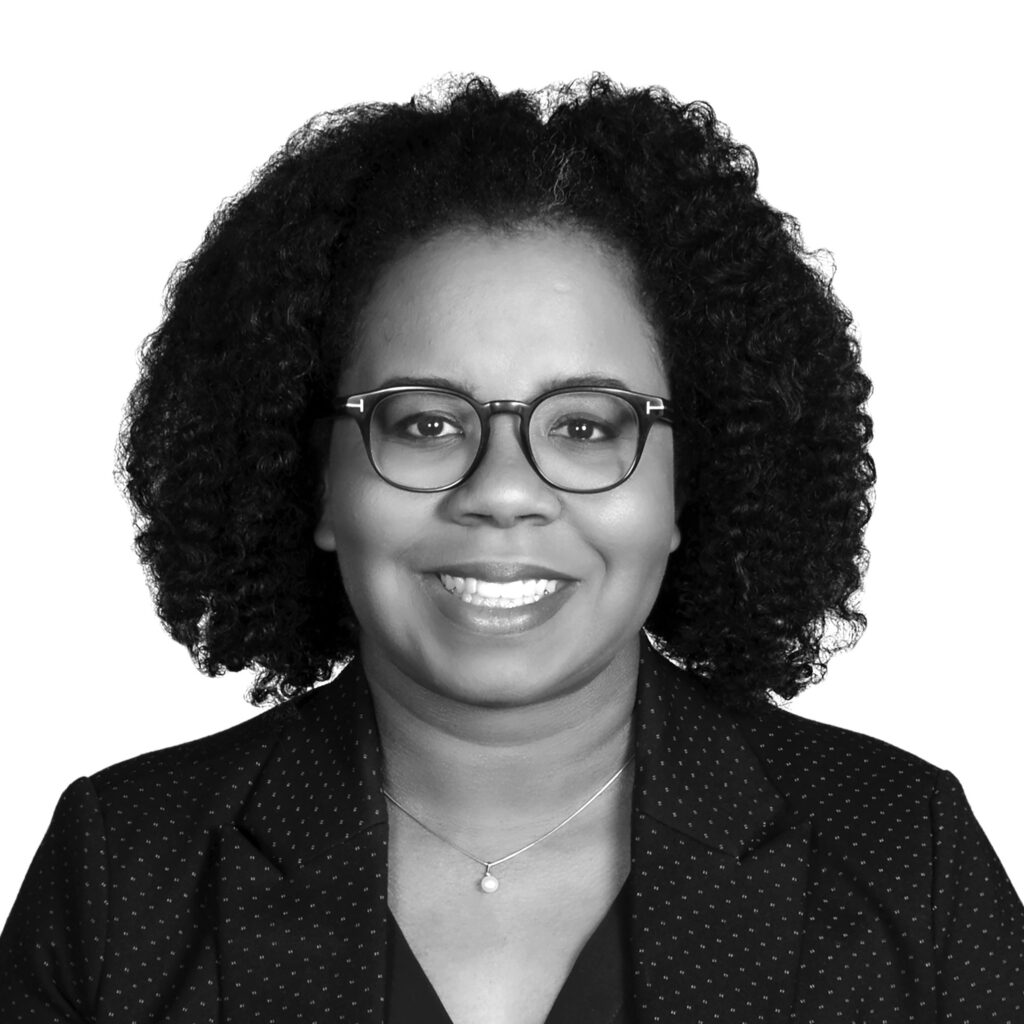
Gianna Pigford, FAIA, NOMA
Dallas
Object Five: Service to Society
Gianna Pigford changes the face of architecture by founding enduring mentorship pipelines, advancing equity policy, building thriving organizations, and inspiring underrepresented youth and professionals—leaving a measurable, sustainable legacy of inclusion, leadership, and community transformation.
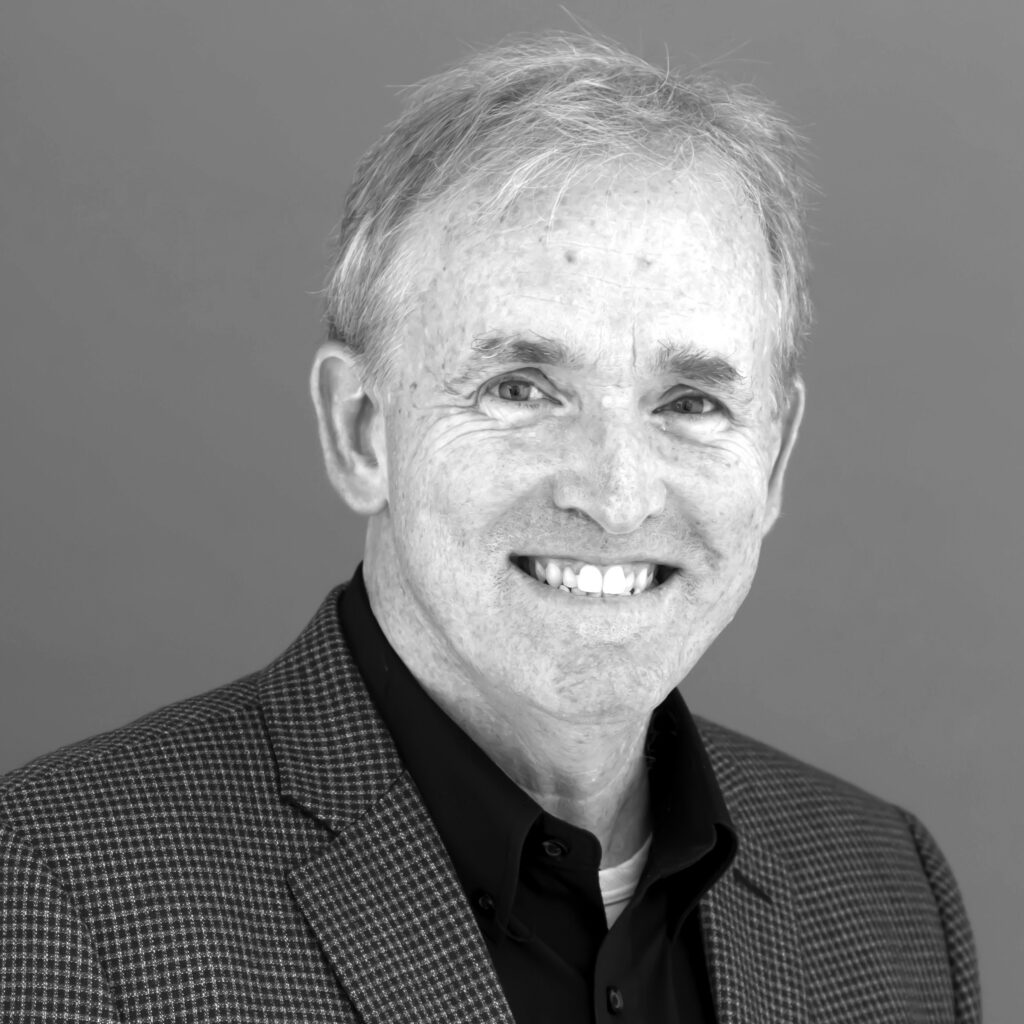
Thom Powell, FAIA
Dallas
Object 2: Practice/Technical Advancement
A pioneer in sustainable design, Thom Powell elevates architectural practice, integrating cutting-edge sustainable technical excellence with relentless innovation, empowering teams and transforming communities by making sustainable design the standard, not the exception.
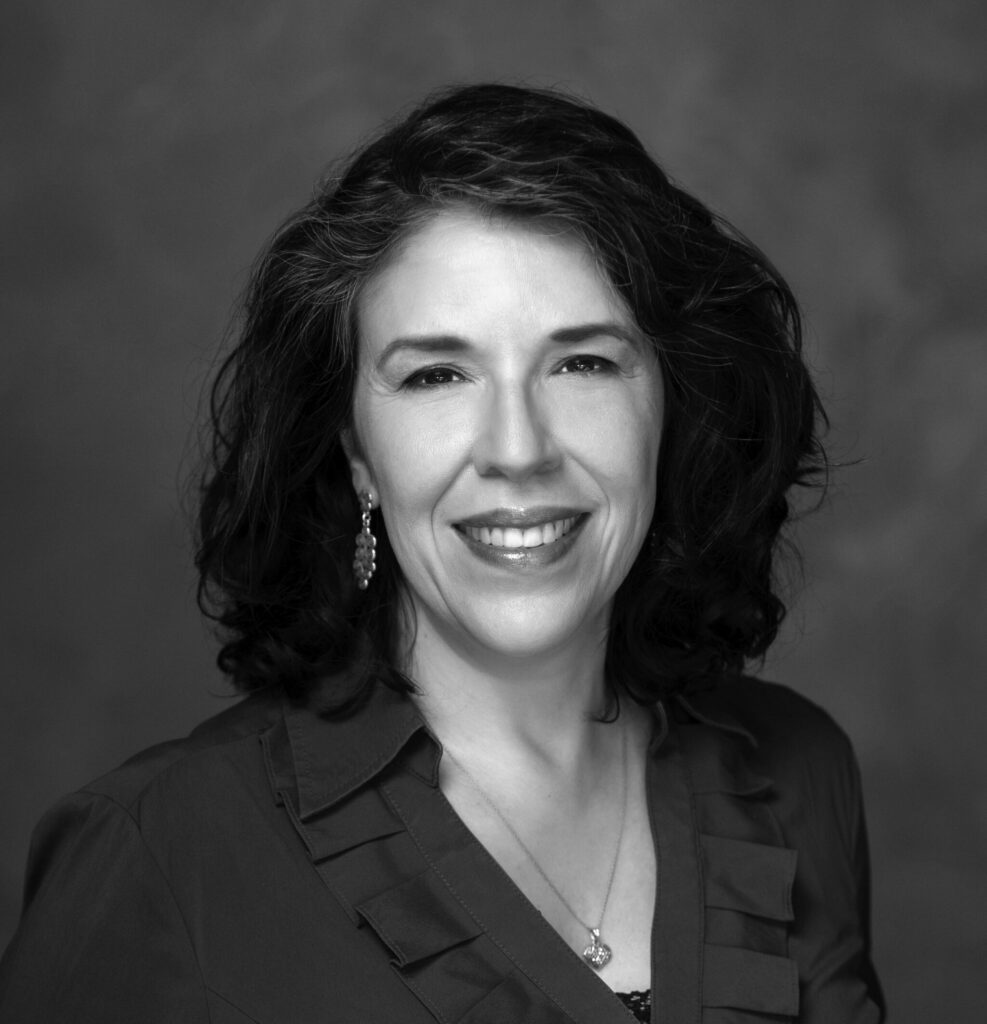
Connie Rivera, FAIA
Corpus Christi
Object Three: Led the Institute
Connie Rivera’s commitment to AIA has ensured equitable service for members, acted as a catalyst for advancement in the face of disruption, and expanded engagement and inclusion, both within the Institute and the broader community.
Let’s start at the beginning. What did your journey to Fellowship look like?
Gianna Pigford: I didn’t conceive that it would even be possible for me to achieve Fellowship. I didn’t think about it. I just did what I thought I should do to support architecture and the profession, and what I saw as a way for me to help champion, cheer, mentor, and coach others in their endeavors. I never really thought beyond what was in front of me. It took someone tapping me on the shoulder and saying, “Hey, you’re ready.”
Thom Powell: I was at the AIA national conference in 1998 in New Orleans and ended up at a Fellows party. All of the people I met were fascinating. I thought, I want to be a part of that. I knew that there was a process. Fast forward to 2016 at the Philadelphia conference, I attended the ceremony to see a friend inducted into Fellowship. Around that time, people mentioned that I should pursue it. I looked at the process and didn’t feel ready. So I put it on the back burner for a while. I focused on my LEED Fellow submittal, and when I achieved that, it was reaffirming.
Connie Rivera: I became executive director for AIA Corpus Christi in late 2008 and was licensed about six months later. I was going to my first CACE [Council of Architectural Component Executives] annual meeting, and Jeff Potter [FAIA] was there. He was president-elect for AIA national. I had met him years before when he was president-elect for TxA. We were riding an elevator to a meeting, and he looks over at me and says, “You know you’re going to be a Fellow, right?” It was crazy. And I was like, “Well, one, I just got licensed, and two, I am not in a traditional firm role—I’m not doing any of that stuff. Where is this coming from?’” He says, “No, it’s going to happen.”
Whitney Fuessel: This was not on my radar. I grew up with the idea that you need to do what’s good for people—you elevate, mentor, and be kind to others. That’s how I led my career. I’ve only worked in healthcare, so it’s been easy to live that out. I went from pediatrics and women’s services to county hospitals and projects in Africa, serving those who need it most. It’s fed me more than I could have imagined. Then I got a random call from AIA Houston saying, “We’ve nominated you.” I was like, “That’s fantastic. What do I do now?”
Daimian Hines: For most of my career, I really just focused on designing objects while working at large firms in Detroit, Chicago, and Houston. Then I decided to work overseas and pursue projects that aligned more closely with my ethos and my values—to really dive in. I did that for close to three years. When I came back, I hung my shingle and said, “I’m just going to pursue those kinds of projects.” I think for the past three years, AIA Houston nudged me to pursue Fellowship. I was a bit cynical and frankly didn’t feel I had the time [to put the nomination packet together]. I was too busy doing the work, but it was actually the work that drove me to make the decision. With the culmination of a project we had been working on, I saw how the community reacted to that project and how other communities responded looking for ways to bring their own similar projects to life.
Michael Ford: It was not something that was on my radar early in my career. I would say that the speech that Whitney Young gave to AIA, when he talked about architects’ “thunderous silence” and the profession’s irrelevance to the civil rights movement—it stayed with me so early in my career.
But I wasn’t thinking about awards or Fellowship—that wasn’t my focus. It was more about trying to make architecture more approachable, more relevant to people who normally don’t see themselves in the profession. I was trying to figure out how architecture could connect to culture, music, and everyday life. I wanted to make people feel like architecture was something that they could participate in, as opposed to something that simply impacts their lives without their voices being part of it. I can remember early in my career, I wore a T-shirt to an AIA lecture that said “Not my AIA” on it. I was very critical of AIA and some of the decisions they were making back before I was licensed as a young professional.
One of the more challenging aspects of the Fellowship and the Whitney M. Young award submissions is the way candidates are expected to make a case for their work as an individual achievement rather than a collective one. How did you work your way to making peace with that approach?
Hines: It was very uncomfortable in the beginning. It was just unnatural to talk about myself, and I tried to avoid it. But once I told myself, this can impact the work because this work needs to be elevated, it gave me the courage to actually say, “You know what, I have to stop under-claiming this narrative, lean into it, and embrace it.” I’m involved in a lot of organizations. It’s a choice. For me, it was okay to acknowledge what I was doing. Often for the first 30 minutes in a room I have to justify being in the room, and I wanted a more efficient way of getting to the meat of discussions. I thought Fellowship could be a bit of a wind in our sails.
Fuessel: You were taught it’s we—even if no one is there all night with you, whenever we present the project, we did it. Changing that mindset to “I did this; this was my impact,” was tough for me at first. My sponsor was great about saying, “Imagine this is a pearl necklace and you’re weaving the story together.” It was the best advice because I was able to see how one project or one activity bled into the next. It really evolved into a great story.
Powell: Gianna [Pigford] and Connie [Rivera] and I went through the same process. Norm Alston [FAIA]—I’ll give him all the credit—led our Dallas group, and he would say that we cannot be shy. He said to not talk about the we and be forceful. He really coached us through it. Having someone else push me to do that was helpful because it’s not in my nature to focus on just me. The work is a group effort always. But Norm really helped.
Another challenge for applicants is turning your CV from a list of achievements into a narrative that gives the work bigger meaning within the context of the profession and society at large. It’s not the usual marketing; it’s persuasion, to get people to come to an understanding of your contributions. How did you work with that part of the process?
Pigford: The first step, putting together the CV to be accepted into the AIA Dallas [Fellows Network] workshop , was eye opening for me—what about the work was meaningful? Having conversations with people was helpful. You meander through one thing after another—leadership, organizations, tasks, committees, and community engagement—doing the things that you think are right for the profession, rather than thinking about getting rewarded for it. The first submission was a struggle, not just the we versus I thing, but the challenge of pulling it together with words that made sense. My advice for people going through this process is: Get different points of view; get colleagues or acquaintances who may not know much about you to look at your submission. Does it resonate with them? Do they understand it? Do they get it?
Powell: It was a great six months of getting together with the people who’ve gone through it. The process, although long and arduous, was rewarding. The monthly get-togethers [for the AIA Dallas Fellows Network], talking through everything as a group, I found really rewarding. In the end, it felt as though whether I made it or not, the process itself was worthwhile.
Hines: We started deconstructing my achievements, because what I’d put forward as a first draft looked like a brochure or project proposal. But it’s not a mission statement. It’s a series of choices you make over and over and over again, and no firm’s mission statement could align with your actions.
Ford: Oftentimes we’re in a room, and we’re selling an idea. We’re trying to show how we can create an object, a singular thing, to a client. We’re used to drilling into the details when selling the idea. This required something different. I had to step back and tell the story of the impact. I love that it forced me to move away from what I did in a singular instance to focus on the systematic impact. I saw a full ecosystem of the work: the camps, students I worked with, the programs I developed, the partnerships with brands, the projects, and even scholarships I’ve given away to young people while still paying off my own damn student loans. It’s tough to talk about yourself. You instantly want to step back and say, “Okay, it seems like I’m gloating. I’m saying too much. I’m overstating. Did I really do all of this?” You have this moment to reflect.
Rivera: You should have seen my office as I was putting this thing together—papers, souvenirs, and all that sort of stuff. I was like, “Okay, I have this pile from several different roles.” I mean, I have done just about everything, from executive director to president of TxA. It was about finding the common theme. Because I wasn’t pursuing recognition. I was just finding my passion and following it, depending on where I was in my career. As executive director, I was advocating on behalf of small chapters. In leadership at TxA, I was advocating for those who’ve gone through disasters and for those who don’t have as much access to the profession or leadership. We boiled it down to one thing: I’m always fighting for the underdog.
Now that you’ve been elevated and reflected on that, what’s been your experience? How do you see your role in the profession evolving?
Pigford: An amazing thing that’s happened—I’m sure others here have had this happen since we’ve been announced and elevated as Fellows—is that someone’s hit you in your DMs or LinkedIn messages and said, “Congratulations. How did you do it?” Or “I’m interested. Could we talk about it?’” Or “Here’s my submission, this is my third go at it, and I can’t seem to get past this hurdle. What can I do?” I say to people you have a story you need to craft. You also may need to invest in someone to help you tell the story. Tap into your local Fellows. Ask them how they did it. What was their path? How were they able to achieve it? Everybody’s going to have a different story.
I’m seeing the hurdles. There are people who are capable of doing this. They have the story and have quite a bit of it pulled together. They just don’t have the support of their chapter or can’t find seven people to write letters for them. They don’t have the funds to submit and pay $450, or they don’t have the software to pull the package together. There are access barriers. As a new Fellow, I want to support those who also can achieve this but don’t have the means or the level of access that I found.
Fuessel: I’ve already been asked to write a couple letters and to review a package. I don’t know that we emphasize enough how important it is for the letter writers to tie into the larger stories. Creating relationships when you’re younger and continuing them is so important so that people are able to write authentically about you.
What are your thoughts on Fellowship as an aspirational goal, given that it wasn’t on your radar initially. What would you tell someone who might not see themselves as Fellowship material?
Hines: I would say Fellowship is not a trophy. It’s a marker. It’s a marker, for me at least, of responsibility. There are so many architects out there whose practice and purpose just need to be amplified. So that’s why I would say everyone has a story.
Rivera: There were many times I had to remind myself that I believed I was enough. I don’t think I could have finished it if I didn’t think I had what it took to cross the finish line. You have to believe that you’re that and that you have what it takes to be there.
Powell: The letter writers’ support really helped drive me to what Connie [Rivera] is talking about, to get to the finish line. If I had any self-doubt, it was certainly helpful when the group from AIA Dallas chimed in to say, “You deserve to be there.”
Ford: I would tell young professionals, don’t aim to become a Fellow. Aim to change the profession. If your goal is recognition, you’re always going to be chasing validation from others. That can’t be the motivation for work. Motivation should be to make architecture better, make it more relevant, make it more connected to the communities that we serve. Go out there and see what it is that you want to change. Create programs or join up with individuals or existing programs to help scale them. It’s not a cookie-cutter process; you’re not going to follow what someone else has done exactly. And then, I would say, apply. Don’t think that you haven’t done enough. Submit to awards as often as you possibly can when you have found your true purpose. Make your driver be changing the profession. When you feel that you’ve hit it, don’t be afraid.
A Watering Hole for the Ages

Thermal Delight in Architecture and the Continued Work of Lisa Heschong
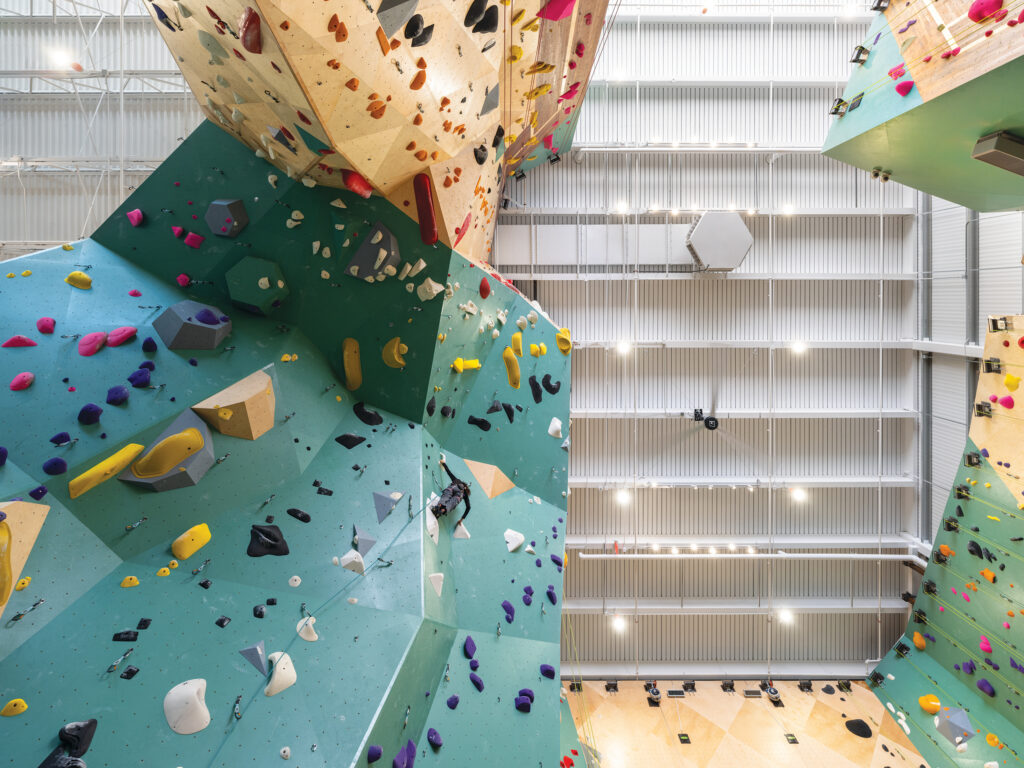
Redefining Suburban Recreational Architecture
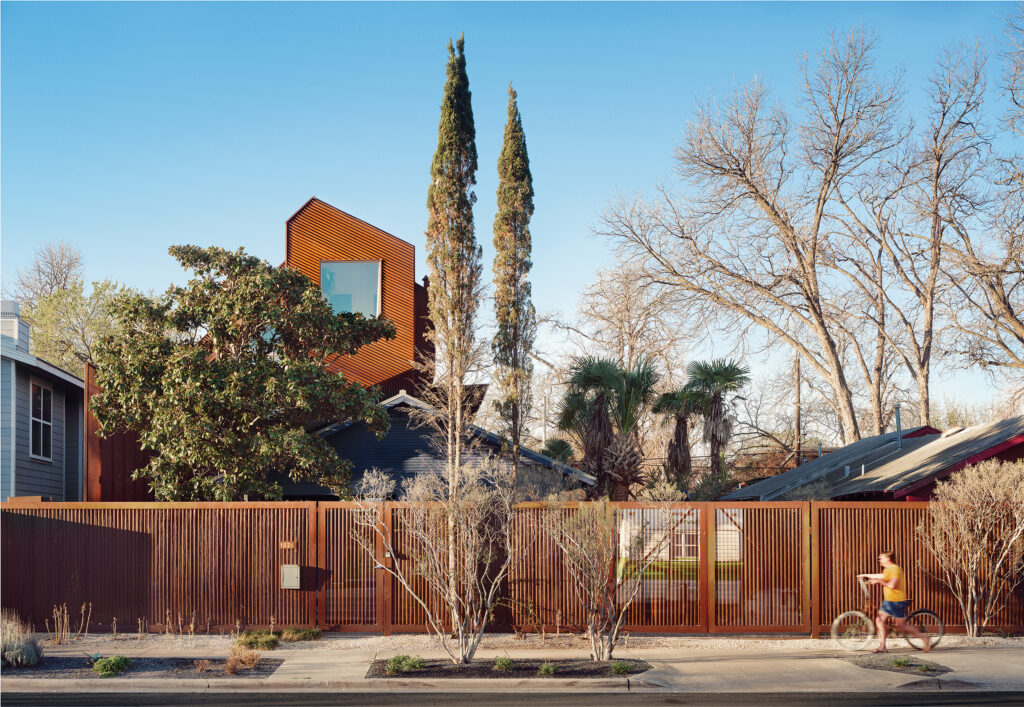
An East Austin studio rises above the rest.

On the Invisible Forces and Narrative Logics of Art and Design


The rounded edges of these products align with the growing trend toward incorporating more organic, softer shapes and curves into hospitality interiors.
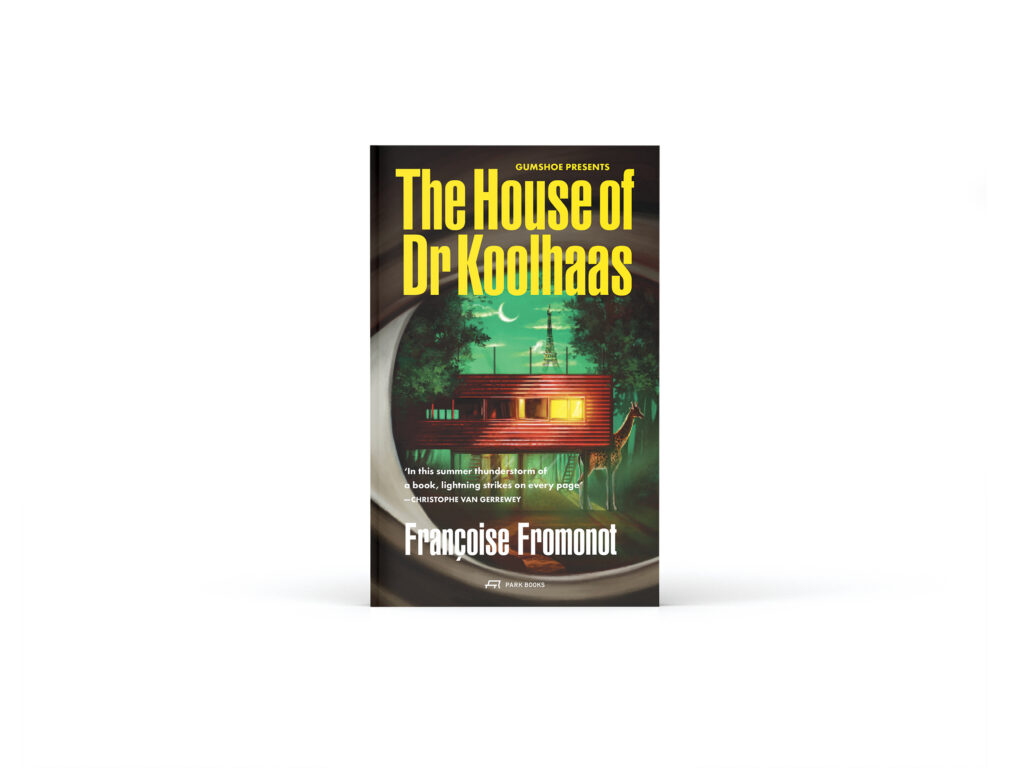
The House of Dr Koolhaas
Françoise Fromonot with editor Thomas Weaver
Park Books, 2025
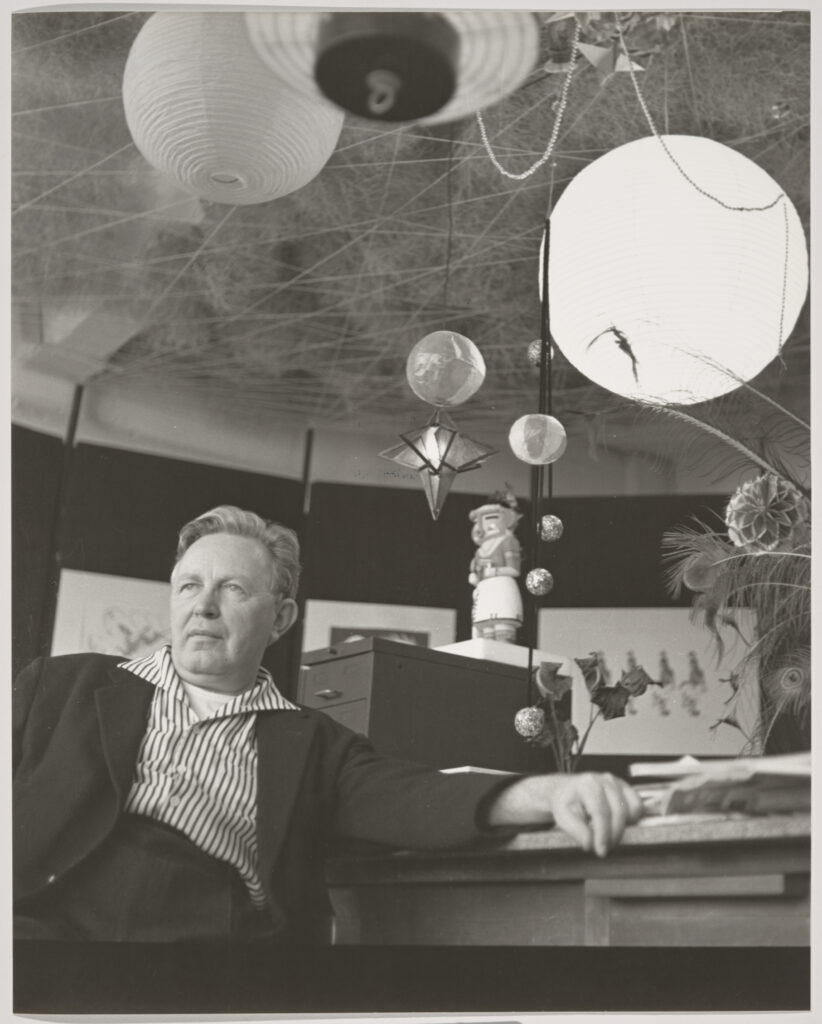
Bruce Goff: Material Worlds
Art Institute of Chicago
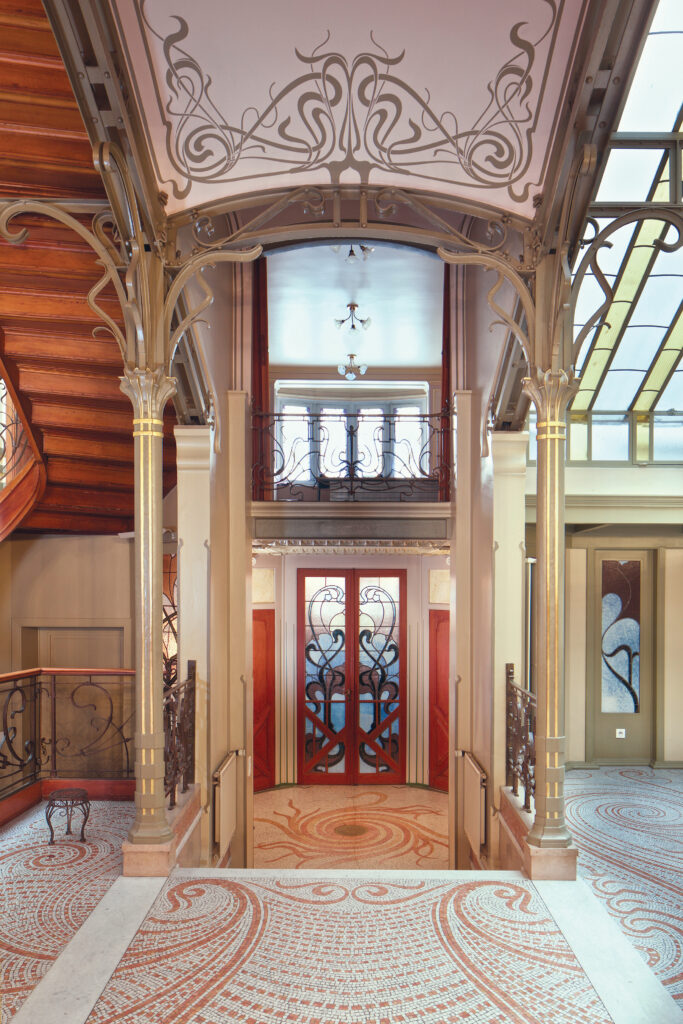
Total Design for a New Era
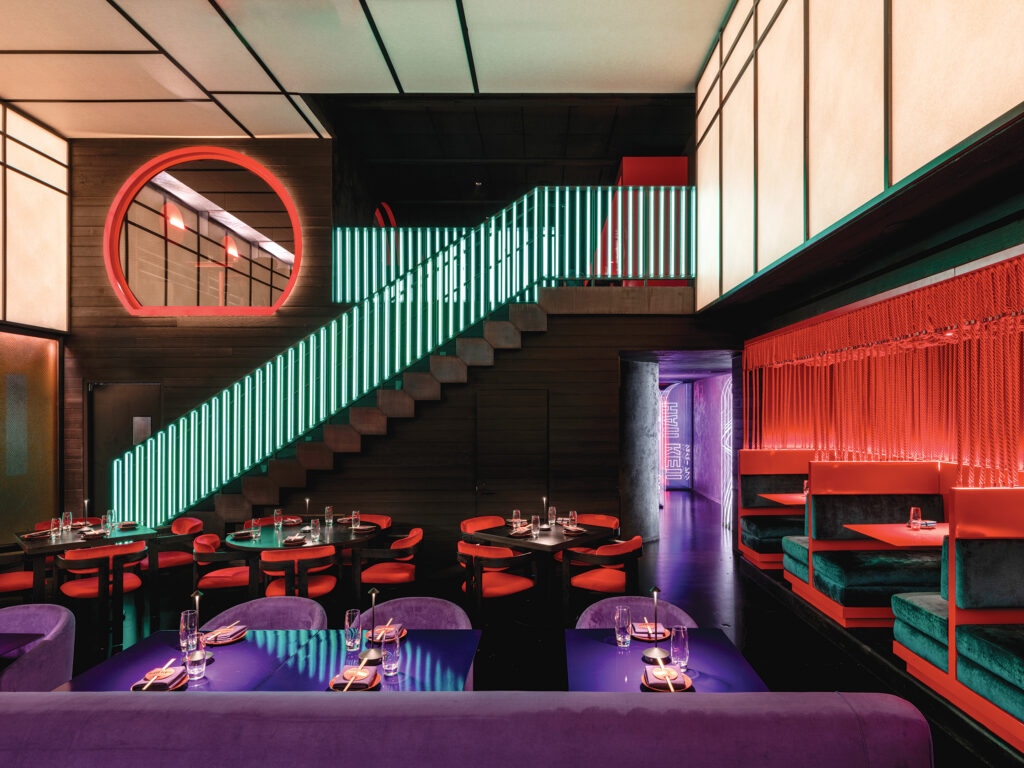
Cinematic drama meets fine cuisine.