May 22, 2026
Delight often comes from the unexpected. I’m reminded of moments I’ve experienced in places like Siena, Italy, or San Miguel…

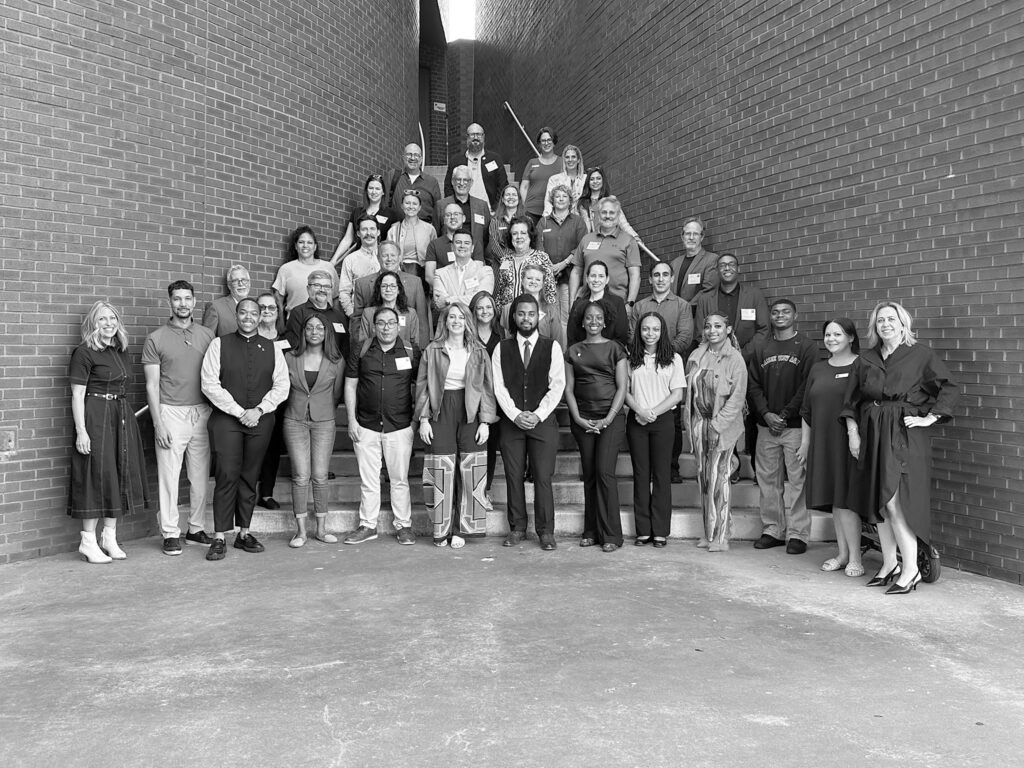
Last February, San Antonio became the epicenter of a growing global movement when experts in circular design and implementation gathered for the inaugural Circular Economy Summit—the first event of its kind in Texas. Organized through a partnership between local nonprofit Circular San Antonio and the City of San Antonio Office of Historic Preservation, the conference brought together leaders from across industries to explore how circular strategies can dramatically reduce waste and to rethink how resources are used.
With the built environment responsible for nearly 40 percent of solid waste generated worldwide, the summit placed particular emphasis on construction and demolition practices, while also highlighting innovations in textile reuse, food recovery, and technology-driven solutions that minimize waste across daily life. Together, these conversations underscored a powerful idea: Waste is not inevitable—it is a design flaw.
A circular economy offers a compelling alternative to the traditional linear model of “take, make, waste,” in which products are purchased, briefly used, and ultimately landfilled. Often described as the next generation of sustainability, circularity focuses on maximizing resource efficiency and extending product life cycles. More important, it addresses the root cause of waste: the overconsumption of virgin, nonrenewable materials in single-use applications.
Interest in circular economy principles has surged, with media coverage and industry discussion nearly tripling over the last five years. That momentum was clearly reflected at the summit. Tickets sold out, and attendees traveled hundreds—sometimes thousands—of miles to participate. Designers, educators, policymakers, contractors, researchers, business leaders, and nonprofit professionals filled the rooms, creating a rare crossdisciplinary exchange. “The high number of people attending from out of state was a testament to the quality and curation of our program as a multidisciplinary, action-oriented conference,” said Stephanie Phillips, co-founder of Circular San Antonio.
The summit featured keynote presentations from Jo-Anne St. Godard, chief executive officer of Canada’s Circular Innovation Council, and Amy Aussieker, executive director of the Envision Charlotte Innovation Barn, an organization widely regarded as a national model for municipal circularity initiatives. Sessions ranged from large-scale commercial deconstruction case studies to food waste diversion pilots, circular supply chain development, and emerging circular science research.
Christopher Moken, also co-founder of Circular San Antonio, shared, “I was blown away by the level of engagement—presentation rooms were packed, and there were so many questions following each presentation. There was such a clear hunger to learn and engage.”
San Antonio’s leadership in this space is no accident. In 2022, the city implemented a residential deconstruction ordinance requiring many older homes to be carefully dismantled rather than demolished, allowing valuable materials to be salvaged and reused. One of only a handful of cities nationwide with such a policy, San Antonio’s ordinance is among the most stringent in the country. The Circular Economy Summit further solidified the city’s role as a regional—and increasingly national—leader. “San Antonio has a deep-rooted culture of repairing, preserving, and stewarding assets,” Phillips noted. “That cultural fabric makes circular thinking feel natural here—it’s already embedded in many of our communities.”
With plans to host future summits, Circular San Antonio is building a platform that invites the design community to lead. As material scarcity, climate pressure, and regulatory change accelerate, San Antonio’s circular moment offers a clear invitation: to design buildings that endure, adapt, and give more than they take.
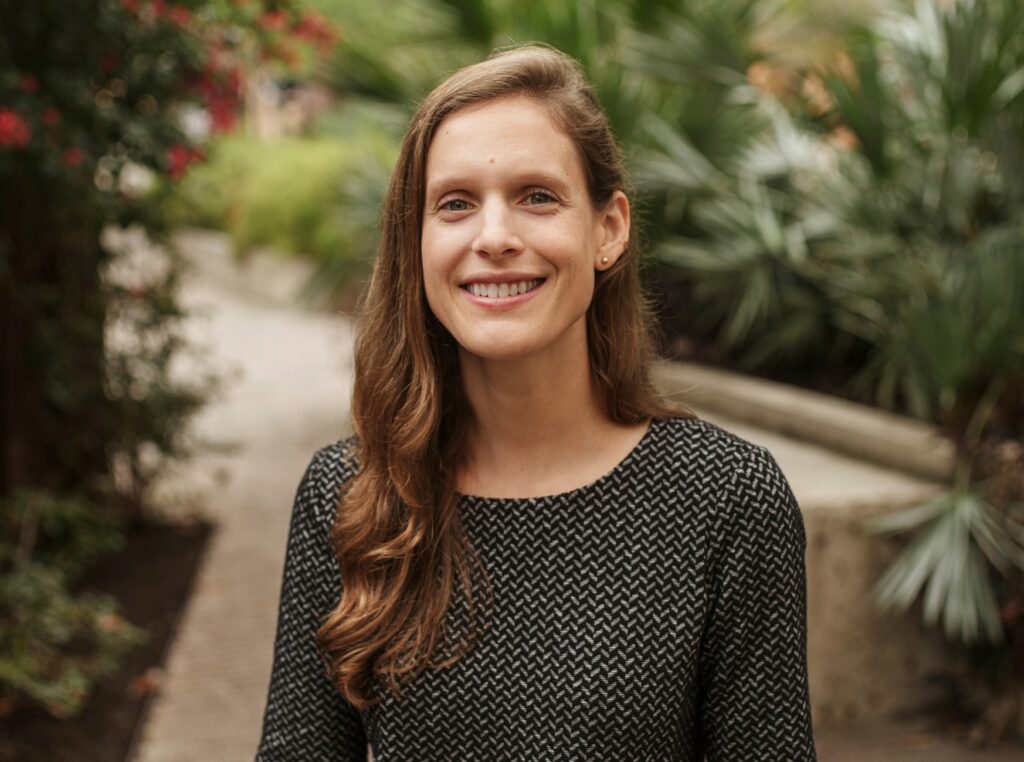
Allison Peitz, AIA, is an architect at Lake Flato Architects in San Antonio.



On the Invisible Forces and Narrative Logics of Art and Design
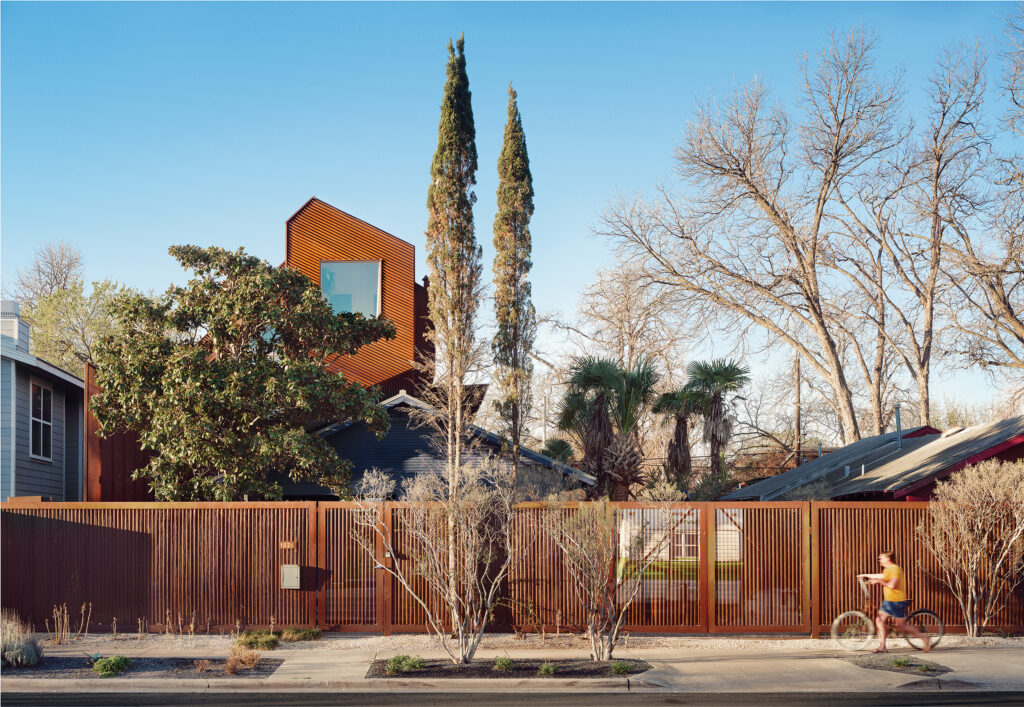
An East Austin studio rises above the rest.
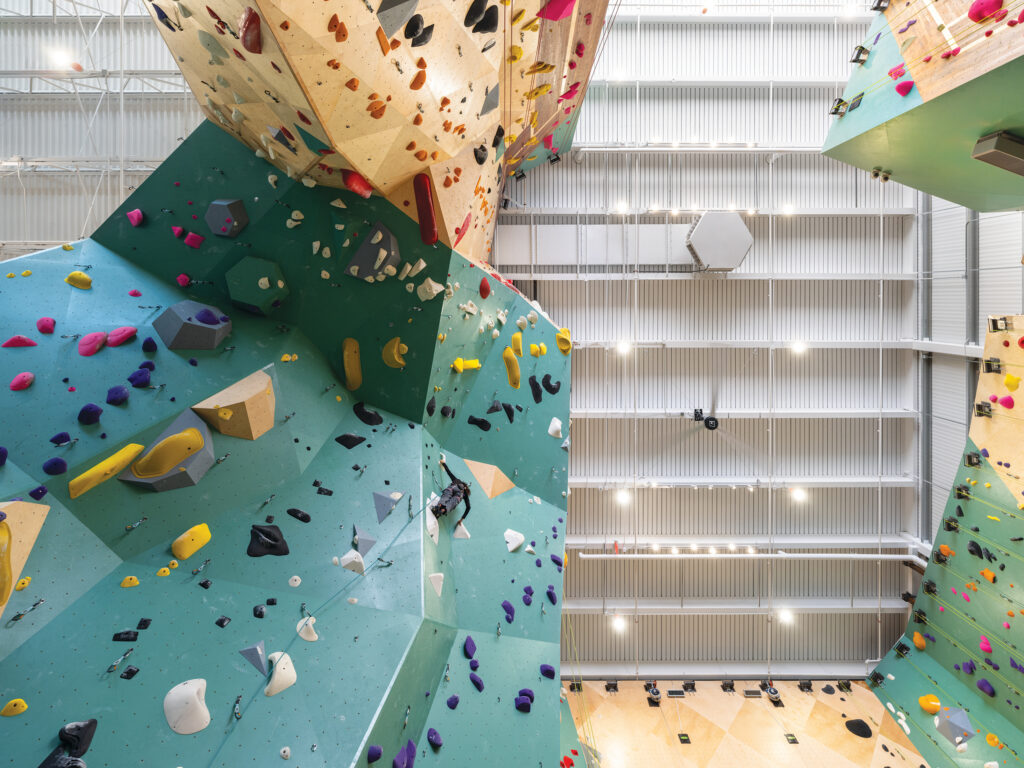
Redefining Suburban Recreational Architecture

Thermal Delight in Architecture and the Continued Work of Lisa Heschong
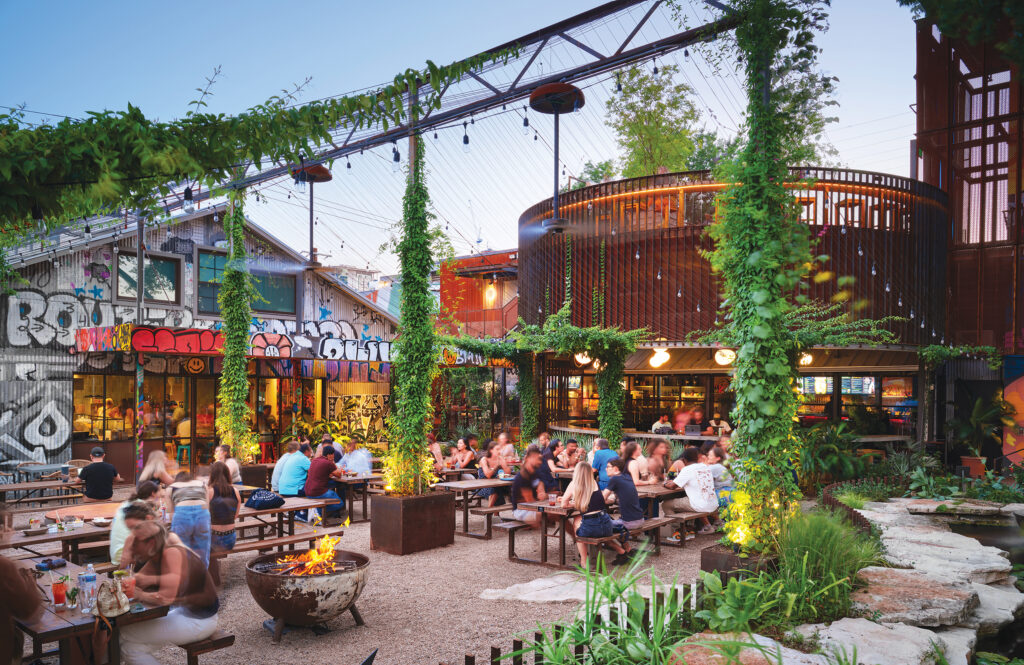
A Watering Hole for the Ages
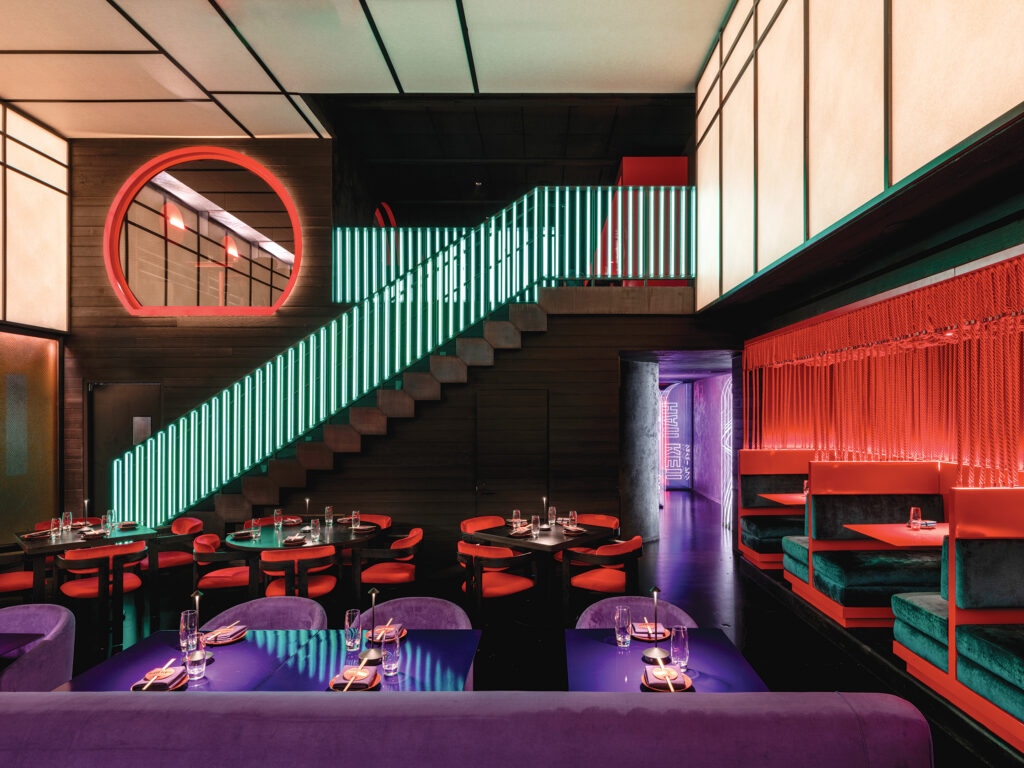
Cinematic drama meets fine cuisine.
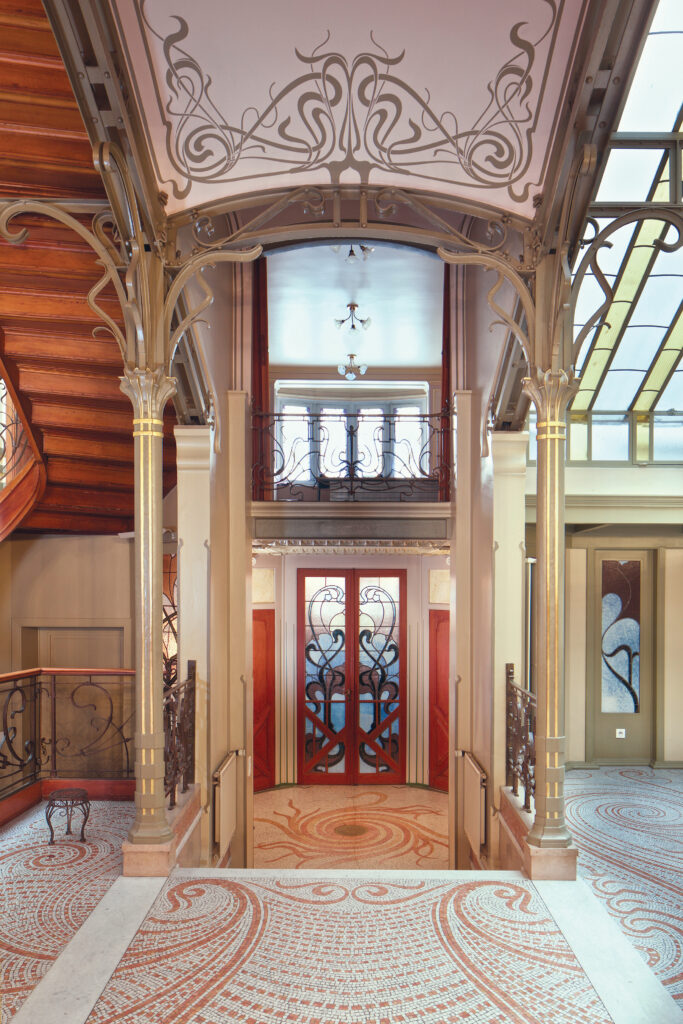
Total Design for a New Era
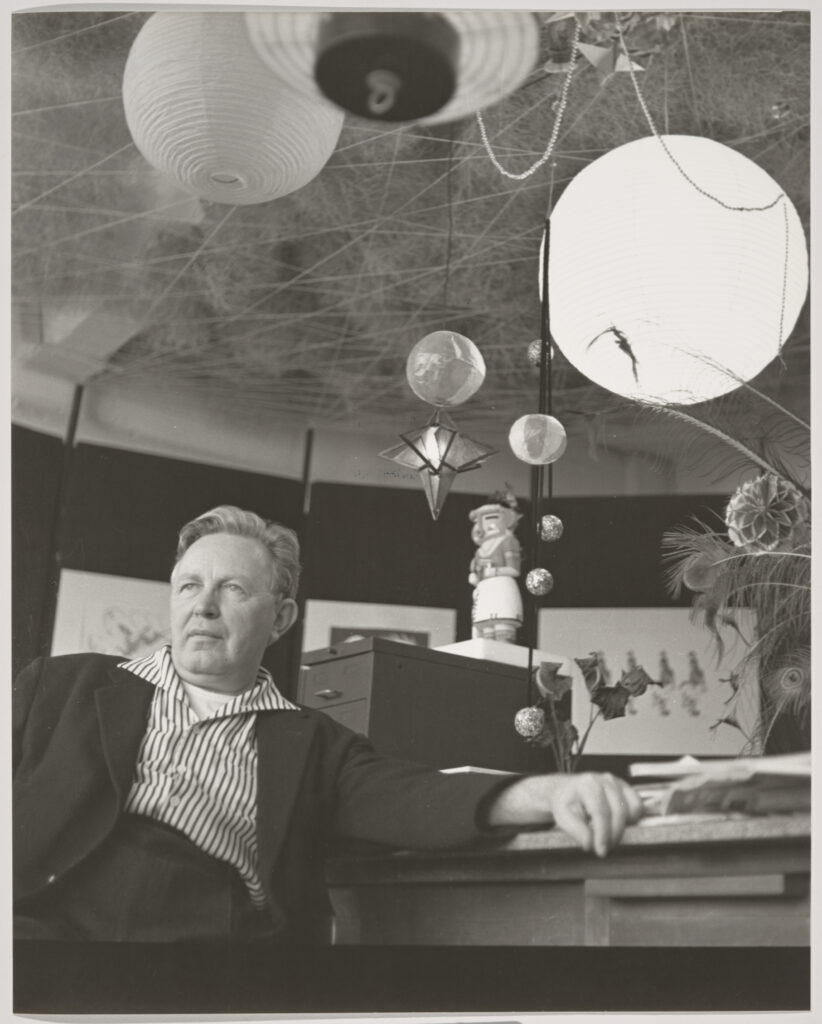
Bruce Goff: Material Worlds
Art Institute of Chicago

The House of Dr Koolhaas
Françoise Fromonot with editor Thomas Weaver
Park Books, 2025
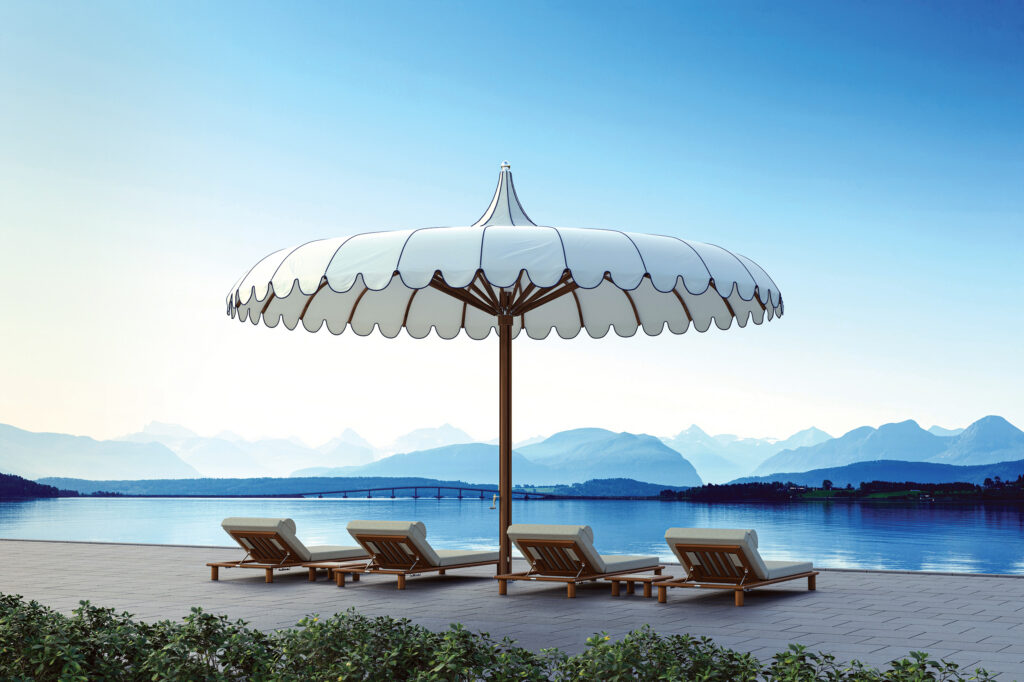
The rounded edges of these products align with the growing trend toward incorporating more organic, softer shapes and curves into hospitality interiors.