May 22, 2026
South by Southwest has long occupied a memorable and influential position in the cultural landscape of Austin. Since its founding…

Delight often comes from the unexpected. I’m reminded of moments I’ve experienced in places like Siena, Italy, or San Miguel de Allende, Mexico, when a narrow street suddenly opens into a plaza alive with music, conversation, and people gathered together.
These places are rarely destinations you set out to find. Instead, they reveal themselves gradually, as though the city has quietly made room for life to unfold. A sculpture may anchor the center of the square, small groups linger in conversation, and the rhythms of daily life spill naturally into the space. The architecture feels as though it has grown organically over time, creating the conditions for people to come together in ways that feel both natural and joyful.
Moments like these reveal something essential about how architecture creates the conditions for delight. It often emerges in the spaces between buildings—in the pause at the edge of a plaza, in a quiet courtyard, or along a lively street where people gather without instruction.
Architecture has the power to shape how people come together. At its best, it creates spaces that invite connection, curiosity, and shared experience. And while architects carefully consider form, program, and material, we also know that the most meaningful moments in a place are often the ones we could never fully anticipate.
We cannot foresee every way the buildings and spaces we design will be used. Nor should we try to. Instead, we create frameworks that allow communities to shape places in ways that are authentic to them. In those moments—when life unfolds naturally, when people linger longer than expected, when a space begins to reflect the rhythms of those who use it—architecture becomes something more than the sum of its parts.
Communities complete the places we design. This is true across every scale. A park may become a shared living room for a city. A courtyard may invite neighbors to linger at the end of the day. A table at home provides a place for connection between family members and friends. It is in these instances that spaces move beyond design and become part of daily life—and where delight often takes hold.
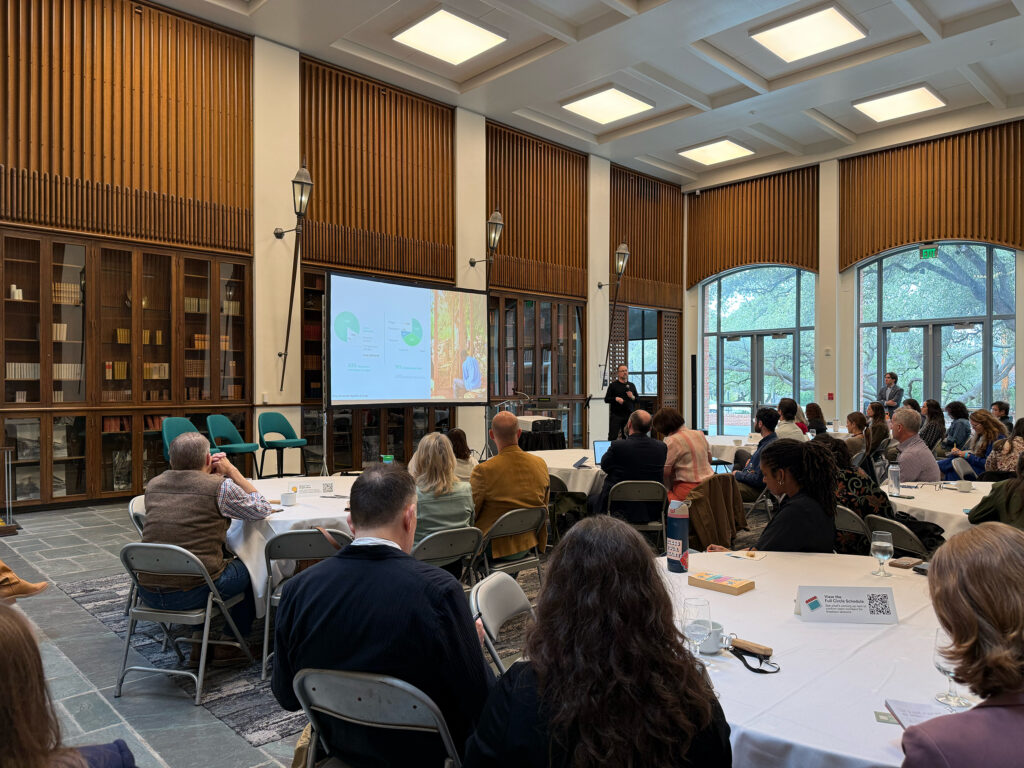
That same sense of unexpected connection can emerge in the moments when we come together as a profession. Recently, our board came together at Prairie View A&M University School of Architecture. What began as a regular board meeting quickly became something more meaningful as we spent time listening to students share their experiences and aspirations for the profession.
There was an unmistakable energy in the room—a sense of curiosity, ambition, and possibility. The conversations were a reminder that delight can emerge in unexpected moments of connection. Hearing these students speak on the impact they hope to make left many of us energized and hopeful for the future of architecture.
Experiences like this reinforce why gathering matters. When we take the time to listen, share perspectives, and learn from one another, we deepen our understanding of the communities our profession serves and the responsibility we carry as designers. Through the work of the Texas Society of Architects, we have opportunities to foster more of these exchanges, which not only strengthen our profession but also shape the impact of the places we design.
As architects, we may not be able to predict every moment that will unfold in the places we design, but we can create environments that invite people in, welcome their presence, and leave room for discovery. And when communities gather in those spaces—when they make them their own—delight has a way of following.
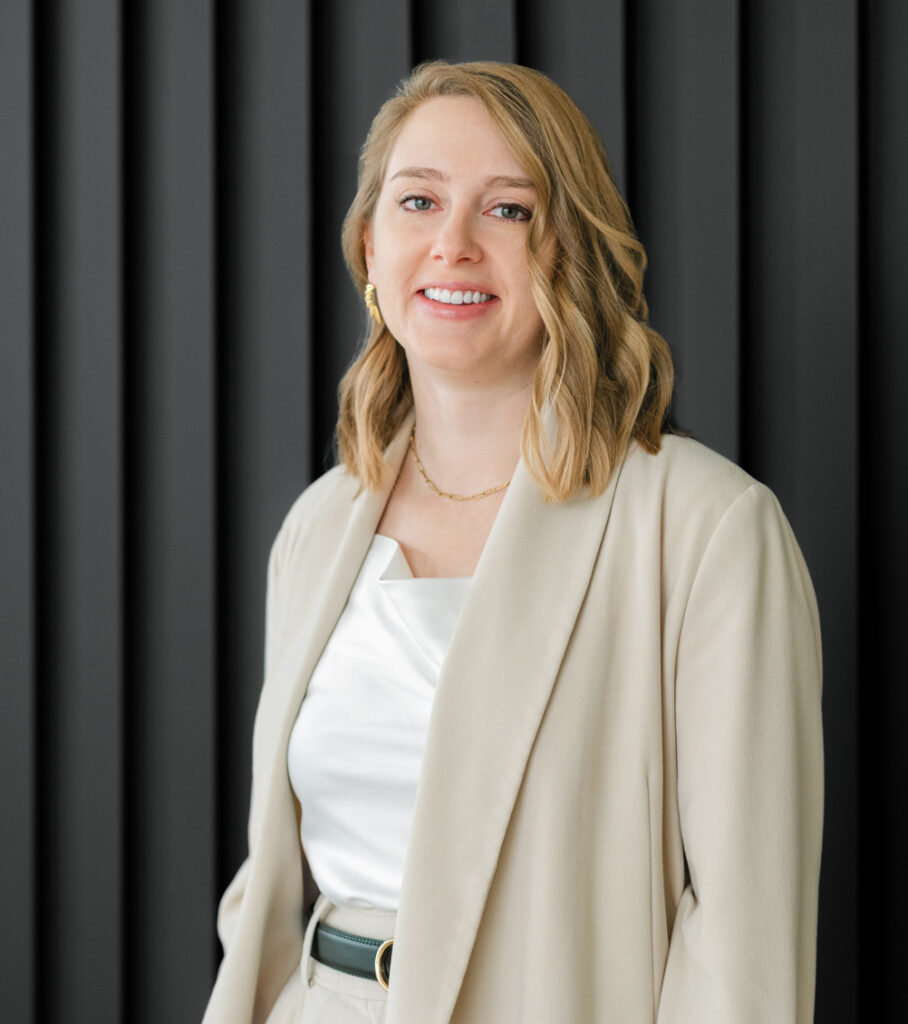
Krystyn Haecker, AIA, is a principal and partner at Mirador Group in Houston and the 2026 TxA president.


On the Invisible Forces and Narrative Logics of Art and Design
An East Austin studio rises above the rest.
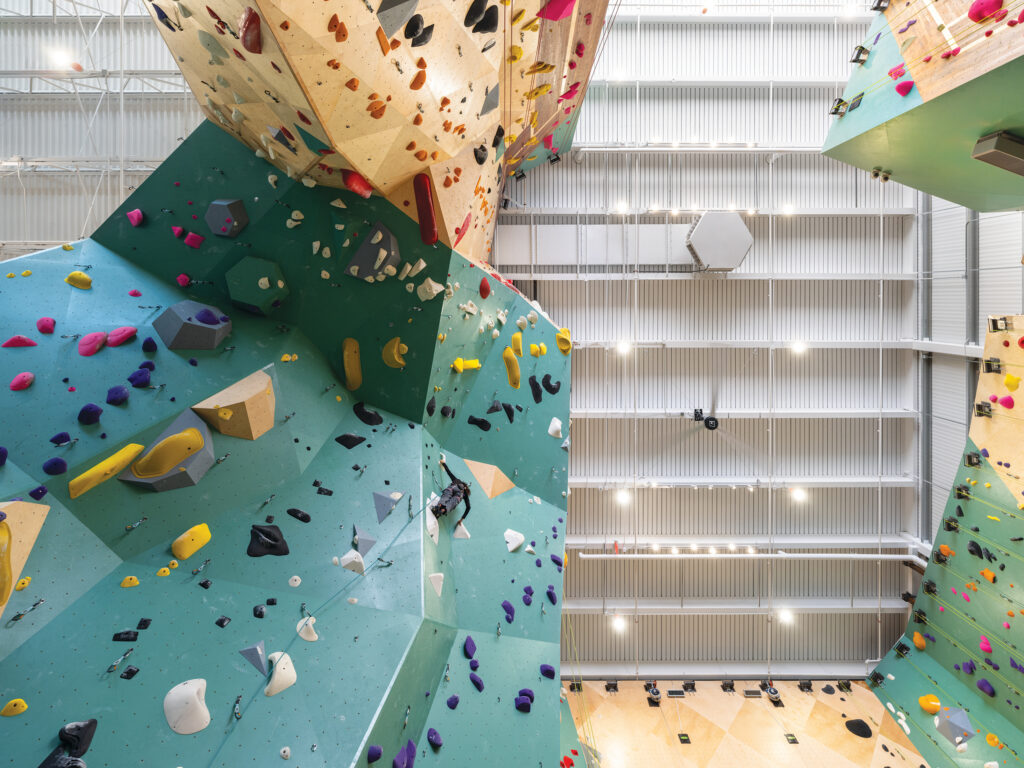
Redefining Suburban Recreational Architecture

Thermal Delight in Architecture and the Continued Work of Lisa Heschong
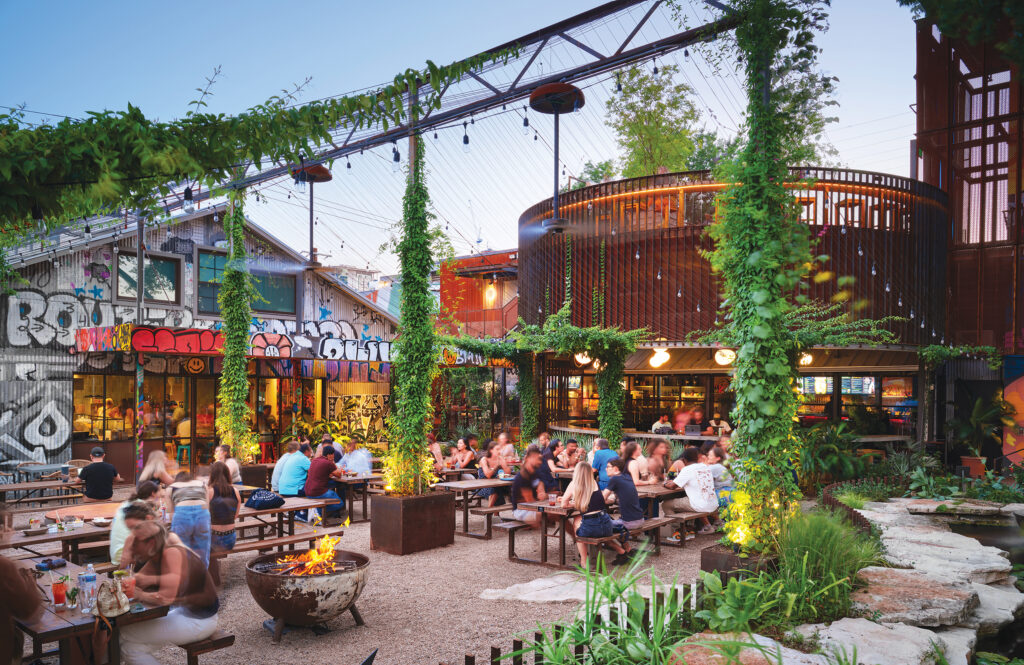
A Watering Hole for the Ages
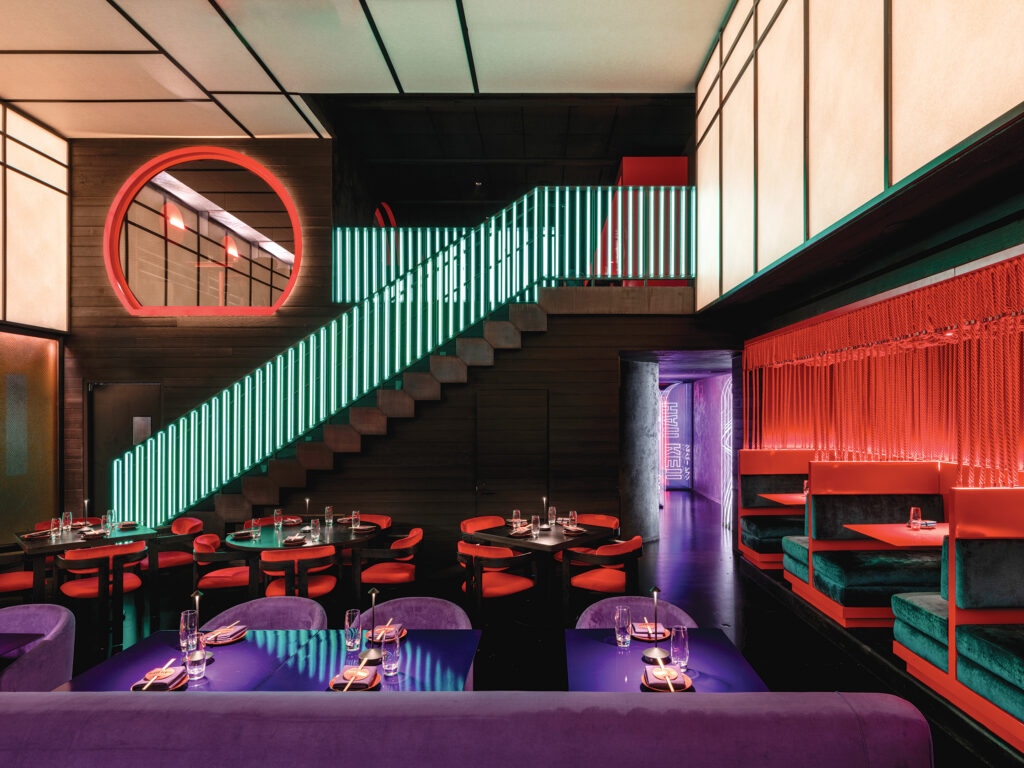
Cinematic drama meets fine cuisine.
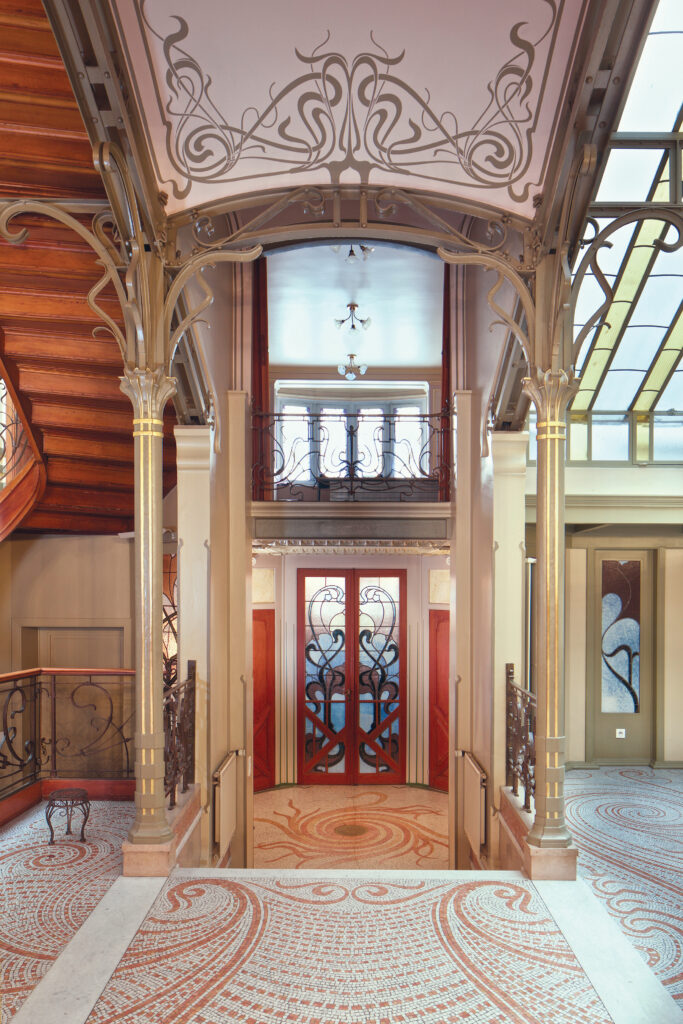
Total Design for a New Era

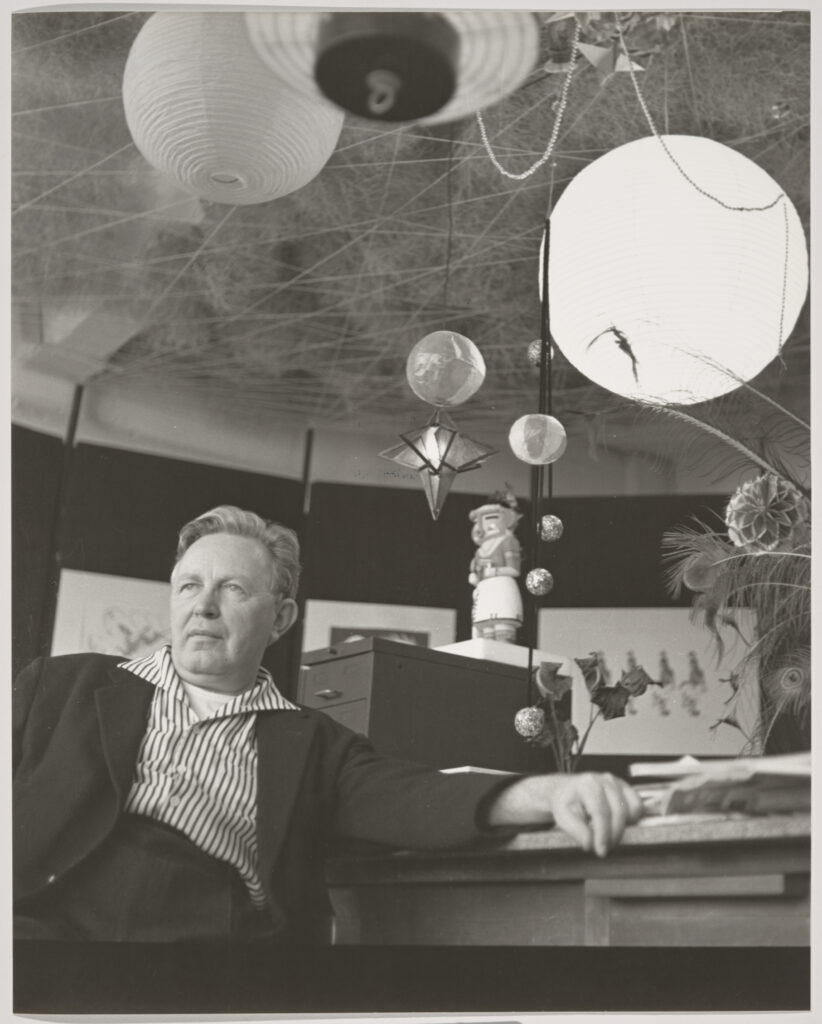
Bruce Goff: Material Worlds
Art Institute of Chicago
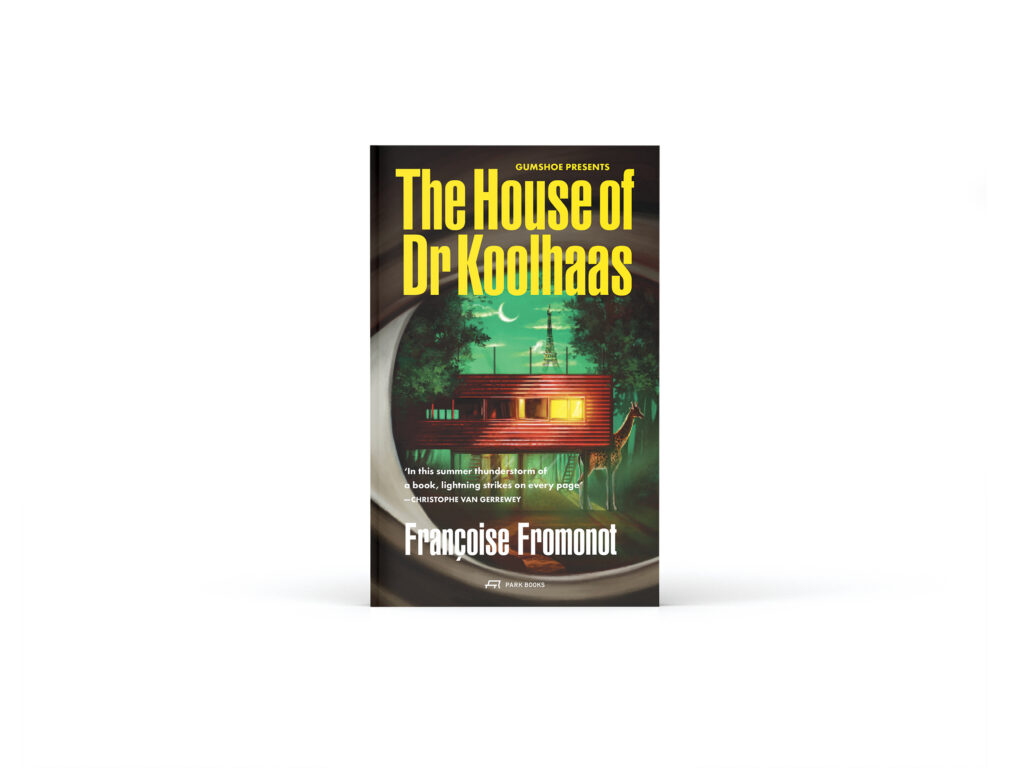
The House of Dr Koolhaas
Françoise Fromonot with editor Thomas Weaver
Park Books, 2025

The rounded edges of these products align with the growing trend toward incorporating more organic, softer shapes and curves into hospitality interiors.