May 22, 2026
Delight often comes from the unexpected. I’m reminded of moments I’ve experienced in places like Siena, Italy, or San Miguel…
Cinematic drama meets fine cuisine.
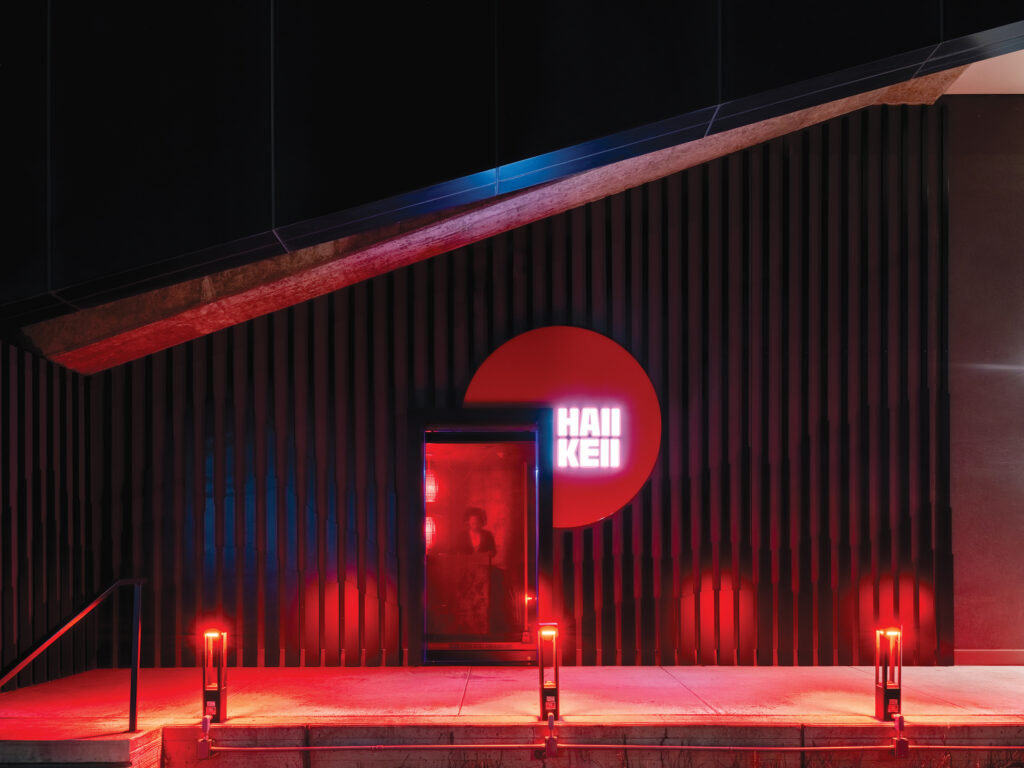
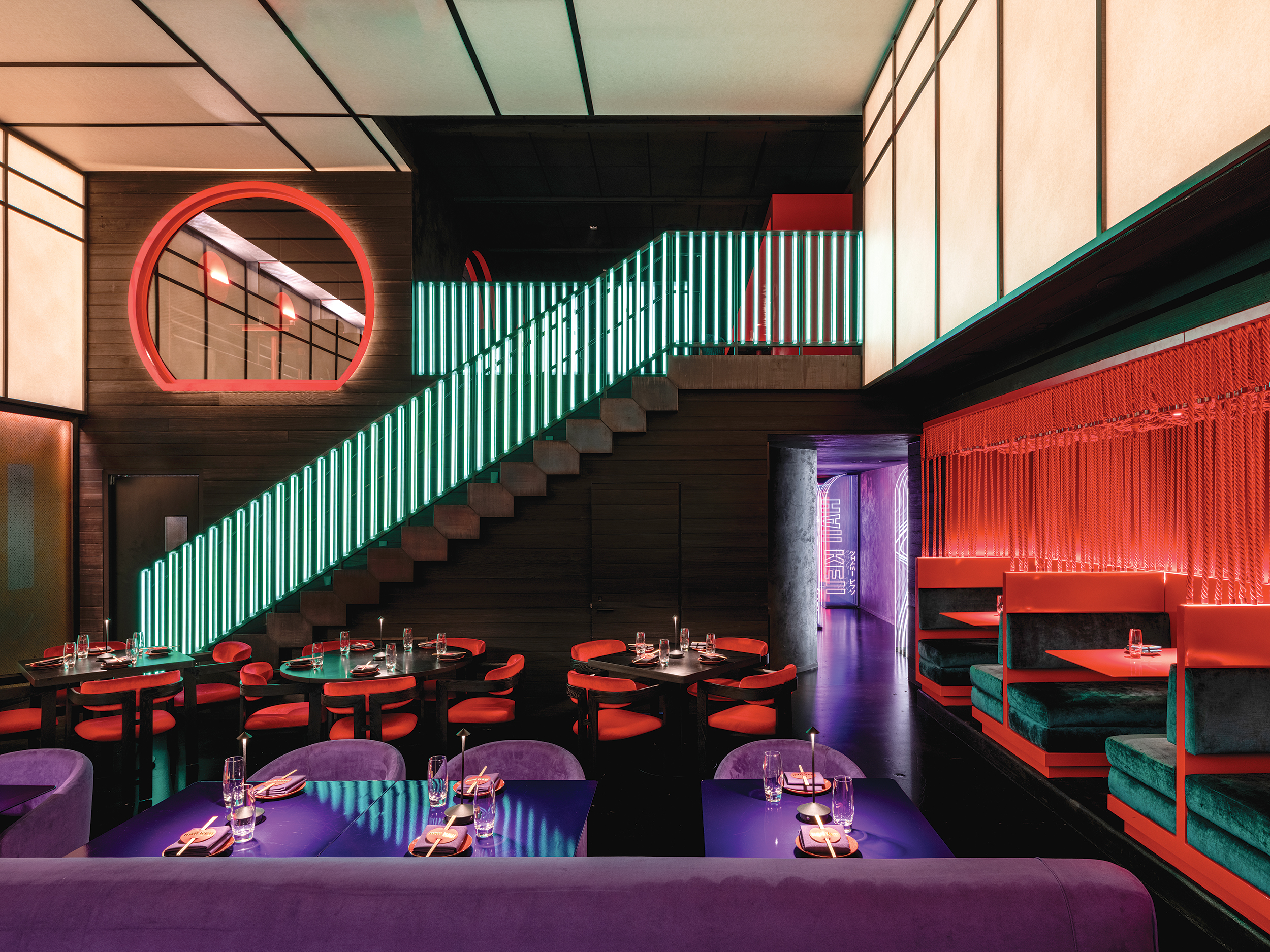
Inspired by the futuristic worlds of Blade Runner and Kill Bill, Haii Keii in Houston’s River Oaks neighborhood translates science fiction and cinematic drama into a surreal dining experience. The 2,800-sf steakhouse and sushi restaurant exists in a hazy glow of neon and immerses occupants in the luxury of a Japanese ryokan, a traditional inn focused on hospitality. Gin design group blurs reality through layered lighting, choreographed spatial sequences, and a mastery of illusion.
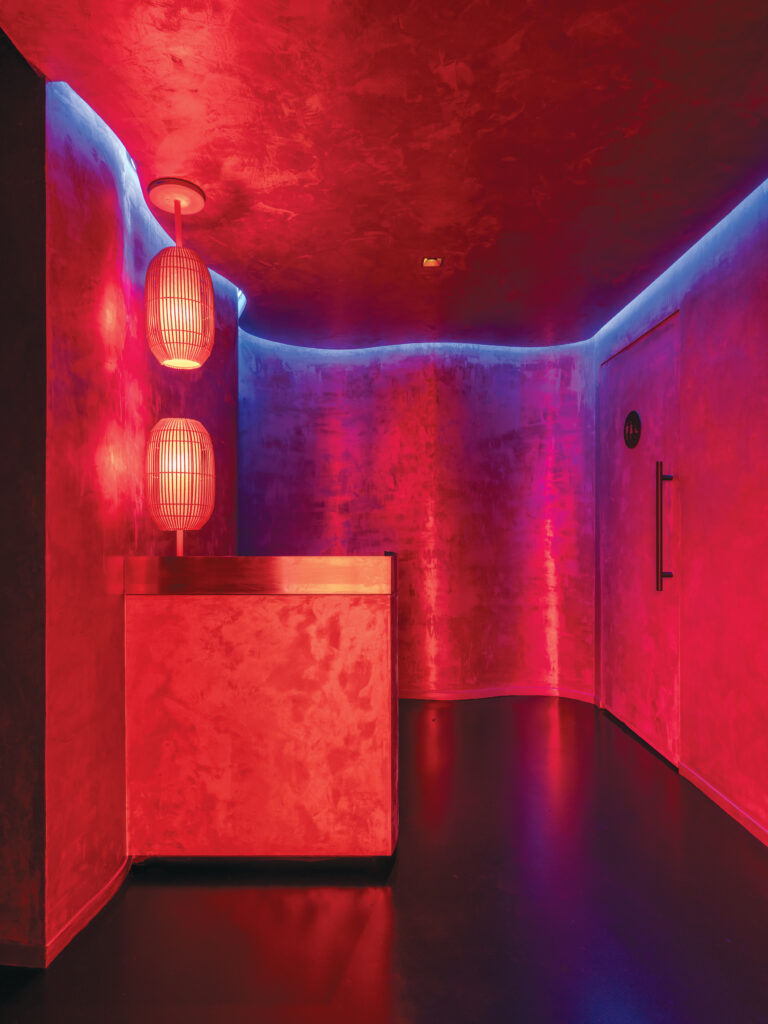
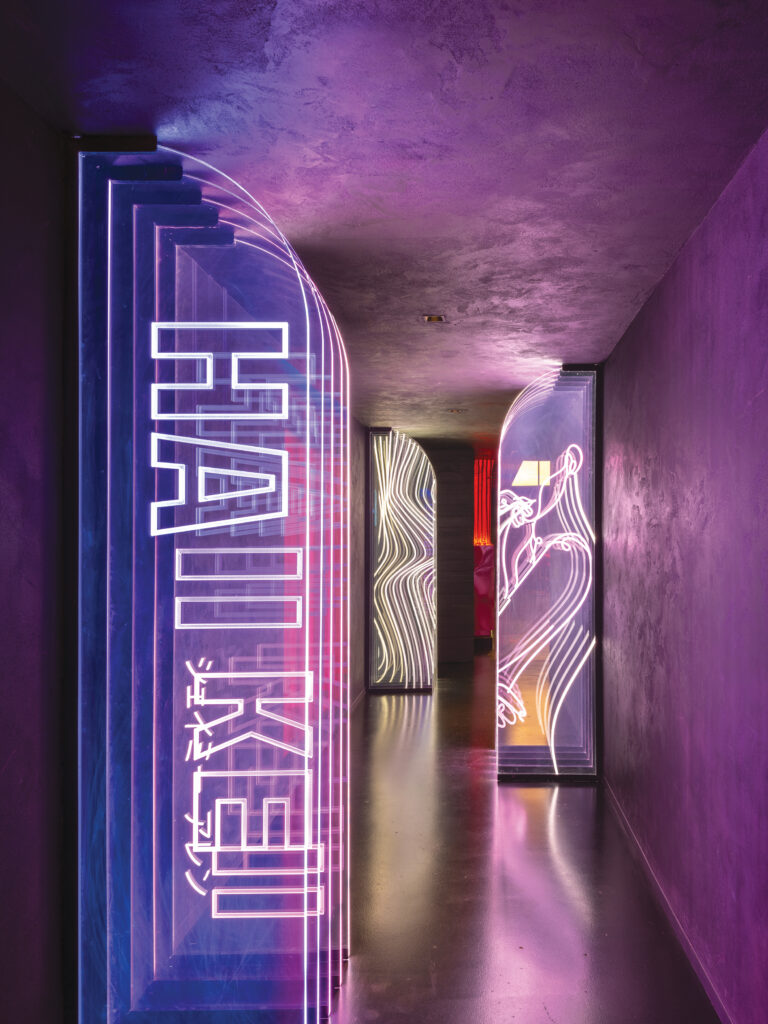
Red acrylic doors act as translucent portals into the restaurant and drown out the fast-paced world outside. Once past the threshold into the narrow entry vestibule, guests “immediately get immersed into the environment without seeing too much of it,” says Gin Braverman, principal of gin design group. Curving metallic hand-plaster walls by local artist Carissa Marx reflect the glow of the red lanterns on the host stand and the blue light washing the walls from the ceiling edge. Stepping into the hallway to the left, guests enter a space hovering between reality and imagination. Illuminated acrylic fins act as both partitions and guides toward the main restaurant space. Their frosted edges and etched patterns cast a diffuse glow on surrounding surfaces by refracting light while concealing the source.At the hallway’s end, guests find themselves transported into a moody, contemporary performance.
Braverman explains the context behind the project’s approach: “All of our projects have a fair amount of drama. I have a film and production background, so the theatrical element is present at different levels in all of our projects. This one is definitely at the pinnacle of drama.” The design team worked with a theatrical color palette, playing with bright reds and blues against the interior’s evocative darkness. Colorful lighting throughout the space commands attention against the textured black river rock behind the bar and wood paneling treated with the shou sugi ban technique—a traditional Japanese method to extend wood’s lifespan by charring the surface.
The seating is intentionally dense, evoking what Braverman describes as an “inner city” condition—tables placed in close proximity to foster energy and intimacy rather than distance and separation. Over 4,000 feet of red rope hangs in the space, forming canopies and partitions among the downstairs seating. The grid and placement of the rope was refined throughout the process by Austin-based FIBROUS. As Braverman notes, masking the lighting and sprinkler systems, as well as arranging the rope to align consistently across the space, demanded a high level of detailing to maintain consistency of texture and ceiling conditions. Objektfab owner and designer Eric Rosprim contributed extensively, fabricating much of the bar, furniture, and stairs, and portions of the rope installation. Working within a tight space, gin design group tucked service stations seamlessly into the walls and concealed a storage closet under the stairs with the black shou sugi ban wood paneling. They even placed the downstairs restroom at the entry, distanced from the main dining area, to enforce the continuity of the experience.
The shoji screens—traditionally made solely of paper—are laminated with a plastic resin to create a durable yet lightweight system that lines the double-height volume above the main dining area. LED panels behind the screens provide an even glow and projectors on the ceiling animate silhouettes walking across intermittently, simulating an occupied upper level. The system can also display custom messages, creating an opportunity for an interactive feature for events and celebrations. Geometrically arranged acoustic felt panels hide mechanical systems, diffusers, and lighting within the ceiling.
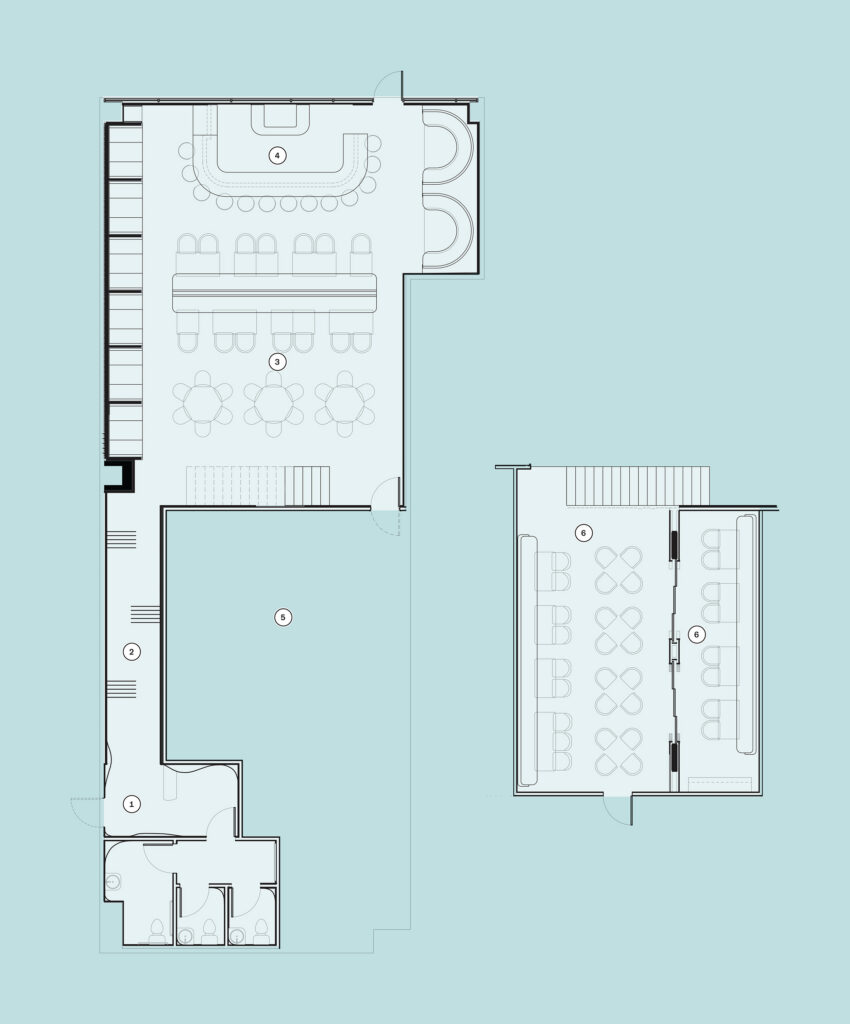

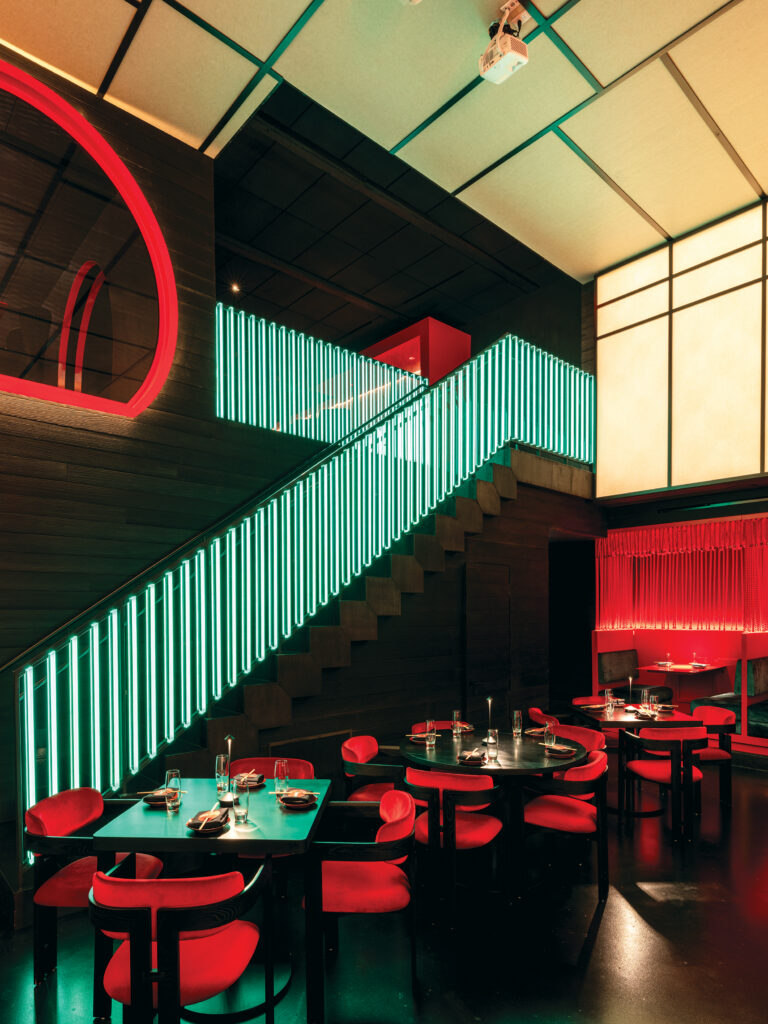
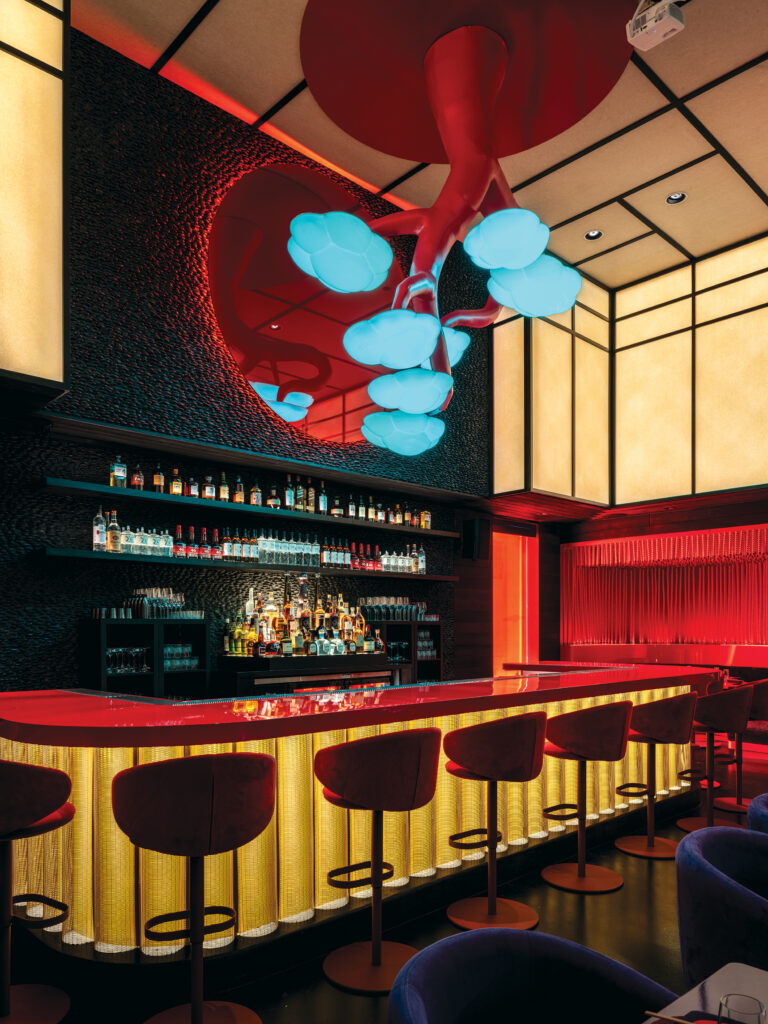
The centerpiece of the dining area is an eight-foot inverted bonsai tree hanging precariously over the bar, a feat by art collective Moon Papas. Though seemingly dense, the trunk of the tree is surprisingly lightweight. The reflective circles above and behind the tree amplify the glow of its luminous cloud-shaped leaves, made by heat-forming acrylic sheets into molds and illuminating them from within by color-changing, programmable socket-based LED luminaires. The leaves can shift color to glow in sync with the fins that line the stair railing leading to the mezzanine level, which rely on the same illusion seen in the entry hallway of spreading light from a hidden source across the face of the etched acrylic.
Follow the illuminated railing up the stairs and the upper floor feels even more intimate. Private dining is achieved through walls and ceilings finished in black plaster. Soft lighting glows from the red canopy structure enclosing the booths on the right wall. Their turquoise seating and bright red tables attract attention away from a left wall featuring two circular keyhole openings beyond which parties can discreetly indulge behind black velvet curtains. This private dining area pairs the same red tables, sconces, and other details with black seating to subtly distinguish the space. An eight-foot-diameter circular glass portal frames a view downstairs, reinforcing the sense of separation without fully disconnecting guests from the activity below.
Haii Keii blurs the line between perception and reality, and every element of the design works in tandem to sustain the illusion. Every surface, object, and layer of light has been intentionally arranged to shape the guest’s experience.The interplay of texture, color, and illumination produces a space that feels fantastical yet grounded. Gin design group’s collaboration with many Houston designers has transformed dining into a journey, one shaped through the deliberate design of the architecture and the cinematic artistry of the space

Pooja Desai is a landscape designer at SWA Houston and a Master of Landscape Architecture candidate at the Rhode Island School of Design.


On the Invisible Forces and Narrative Logics of Art and Design
An East Austin studio rises above the rest.
Redefining Suburban Recreational Architecture
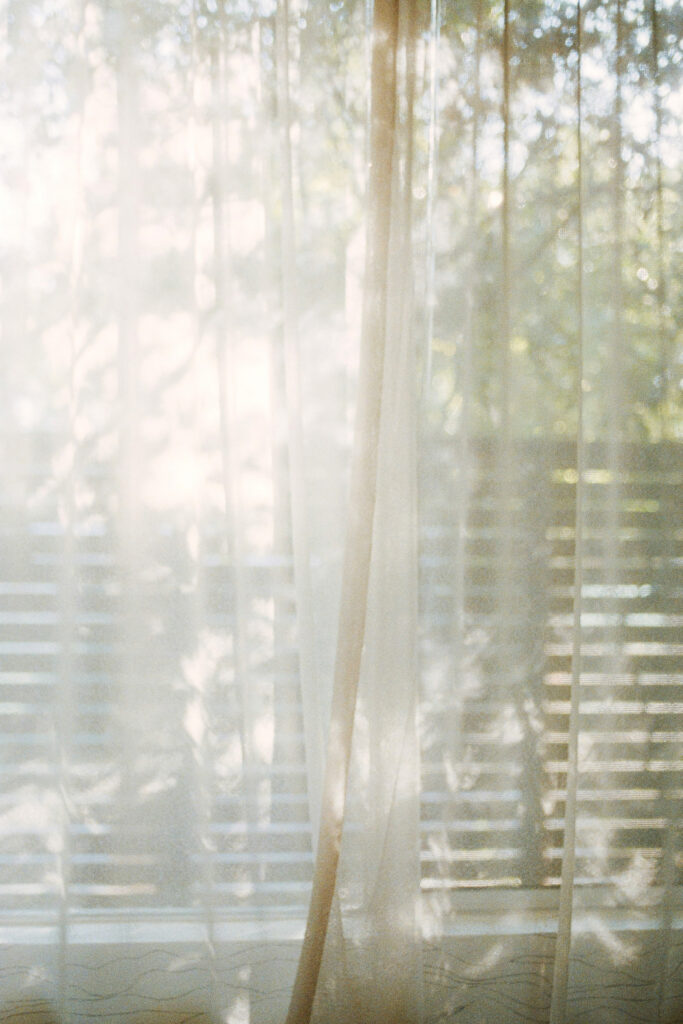
Thermal Delight in Architecture and the Continued Work of Lisa Heschong
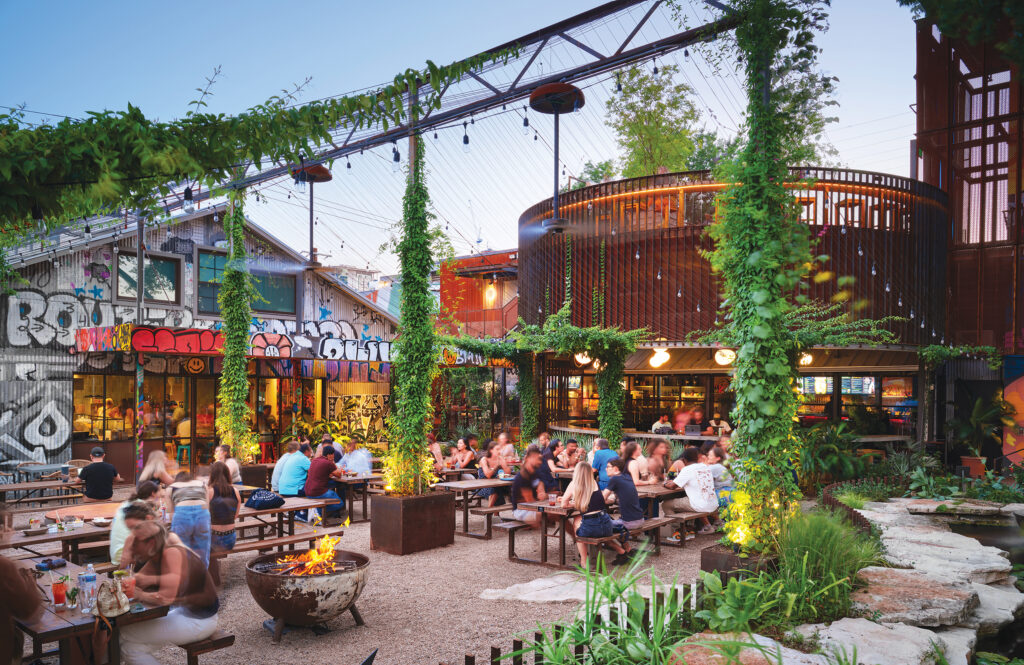
A Watering Hole for the Ages
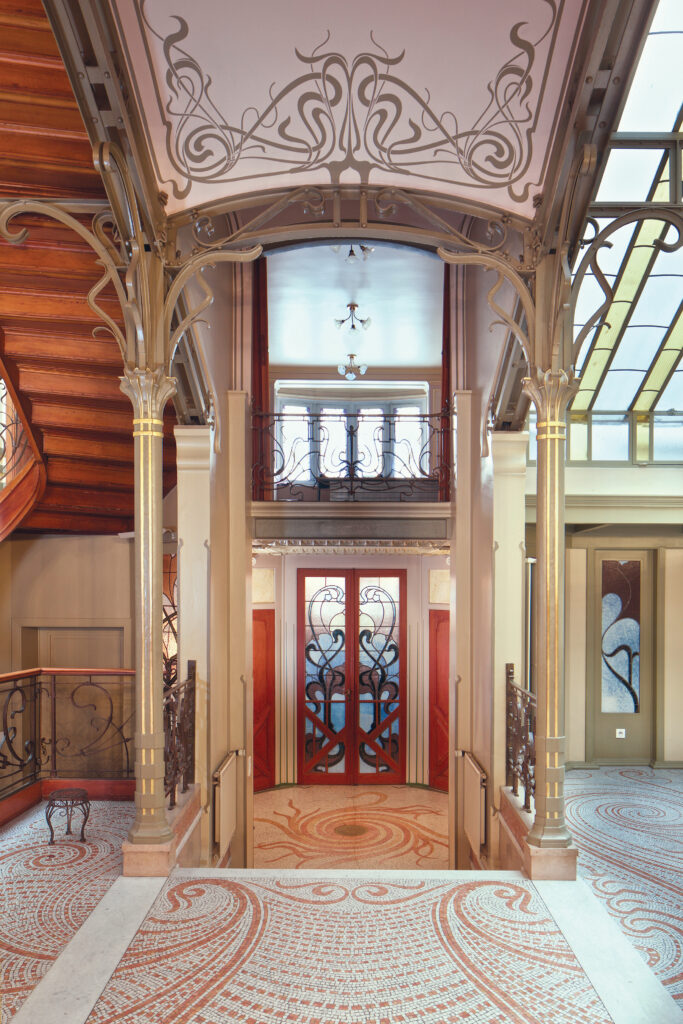
Total Design for a New Era

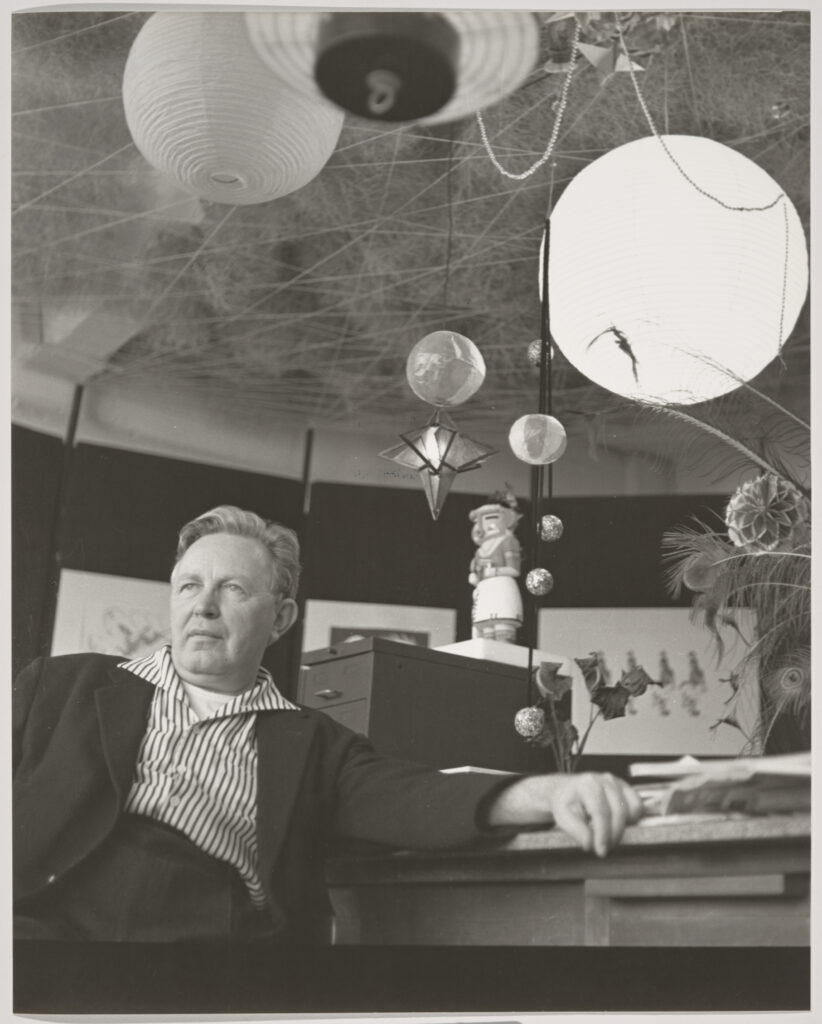
Bruce Goff: Material Worlds
Art Institute of Chicago
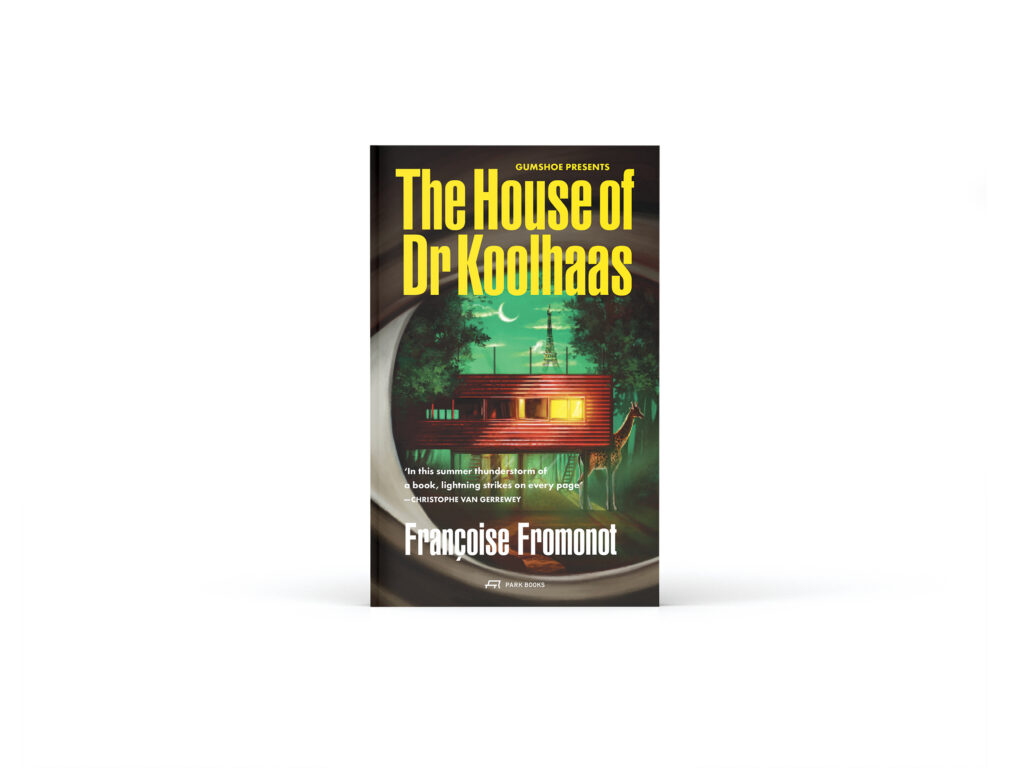
The House of Dr Koolhaas
Françoise Fromonot with editor Thomas Weaver
Park Books, 2025
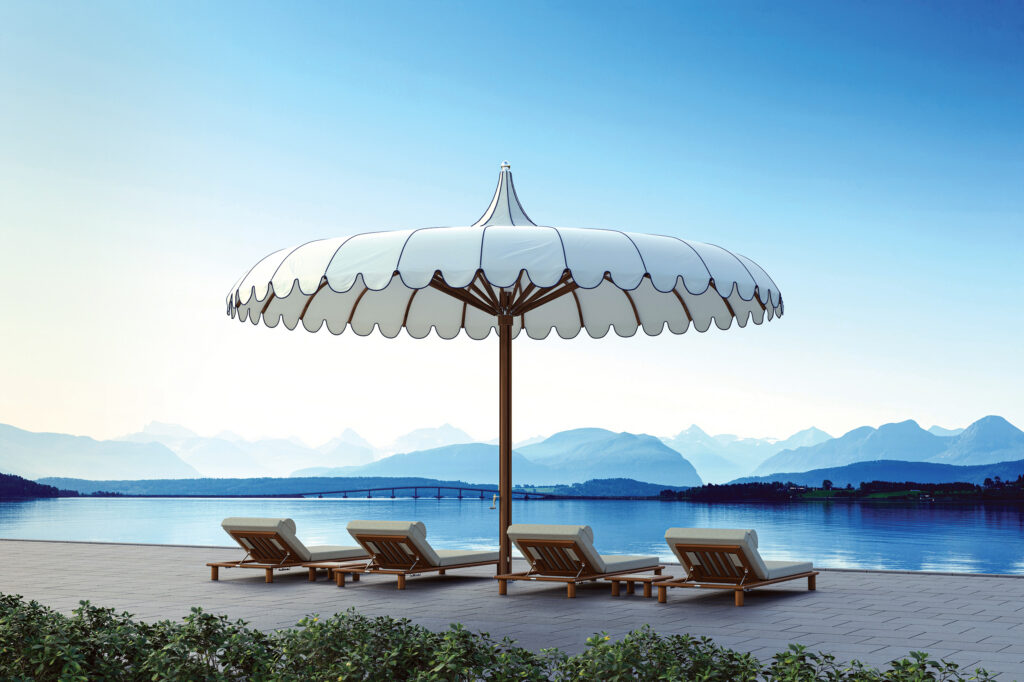
The rounded edges of these products align with the growing trend toward incorporating more organic, softer shapes and curves into hospitality interiors.