Mar 17, 2026
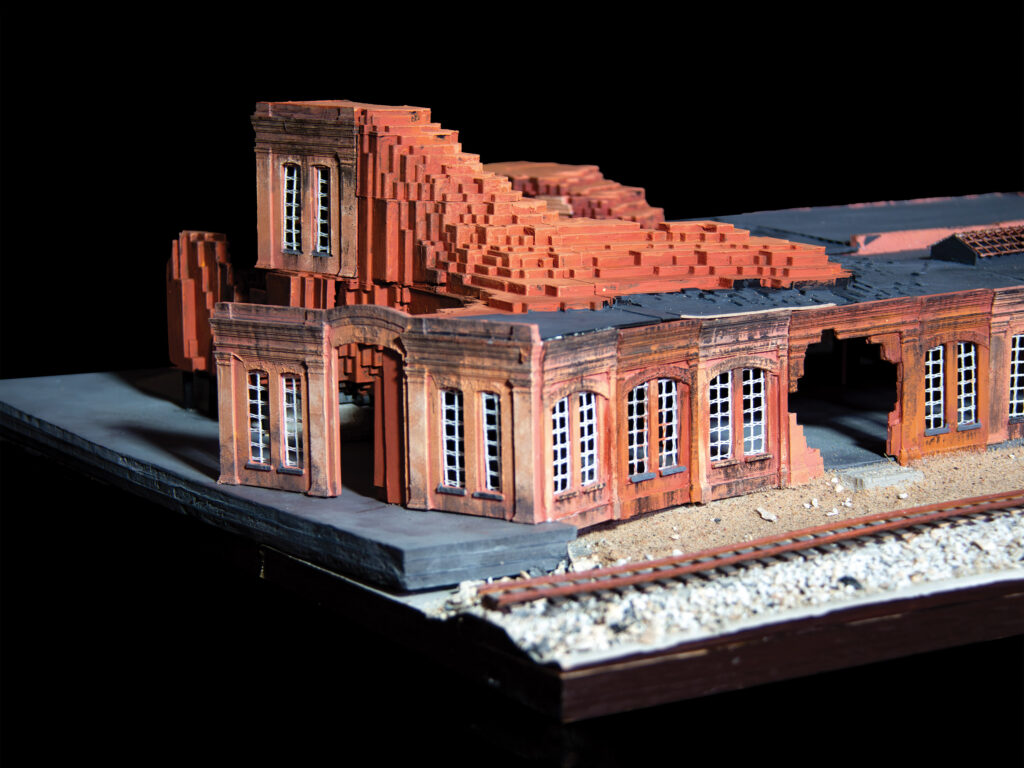
Measure Twice was an undergraduate design studio taught by Emerging Scholar in Design Andrew Bako in the Fall 2025 semester…
Adaptive Reuse at Pullman Market
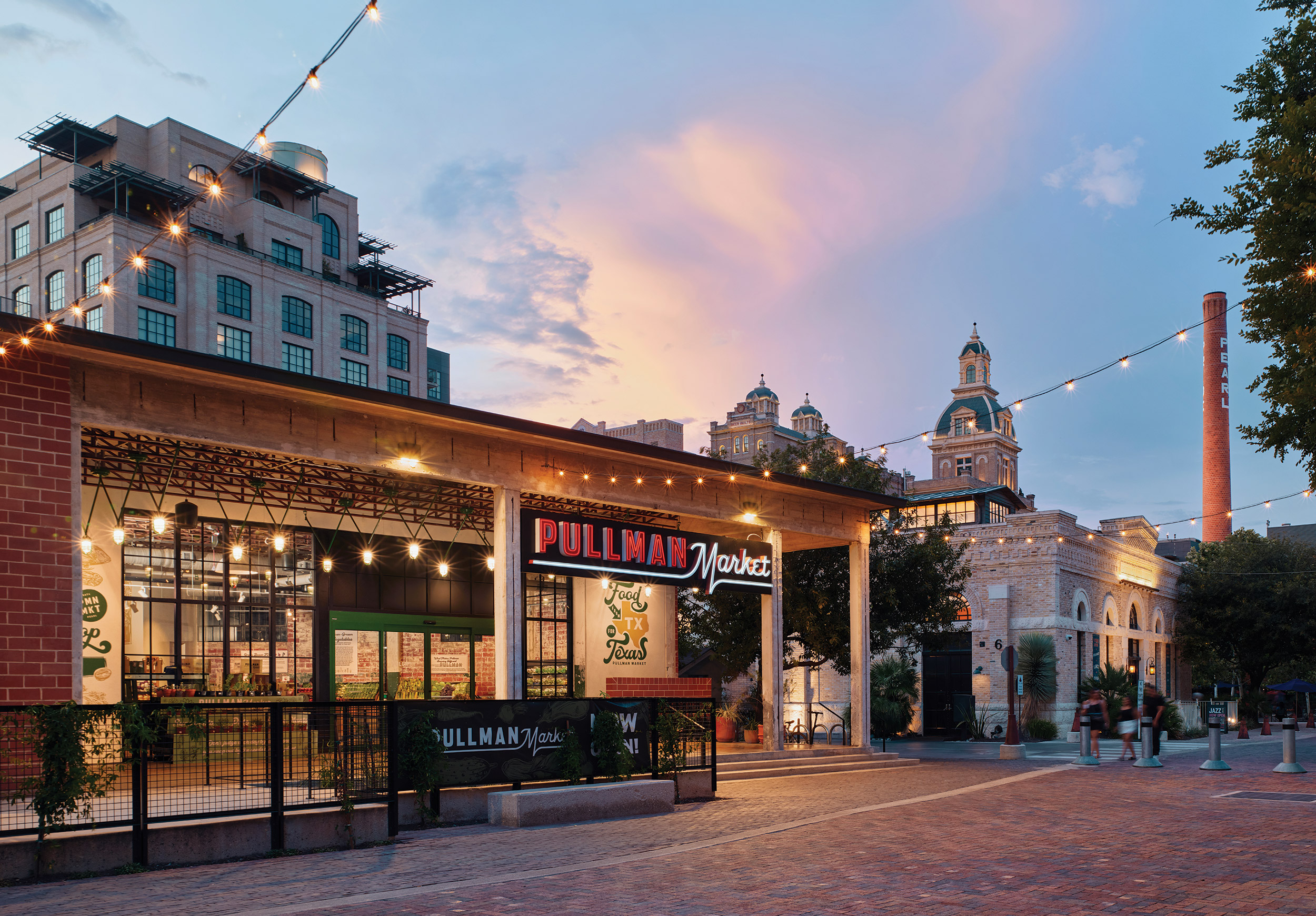
Despite being tucked into a corner of the Pearl Historic District, Pullman Market invites you into a place full of motion. It’s part grocer, part food hall, part civic living room. People buzz between vibrant stalls beneath a steady industrial structure. The dialogue between preservation and movement is the point.
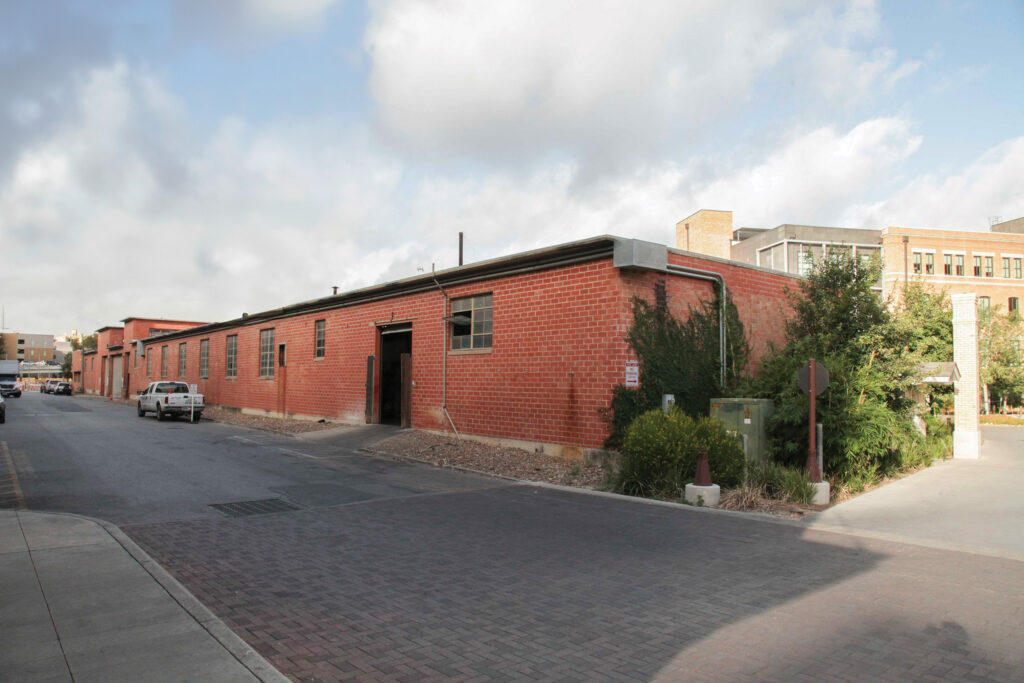
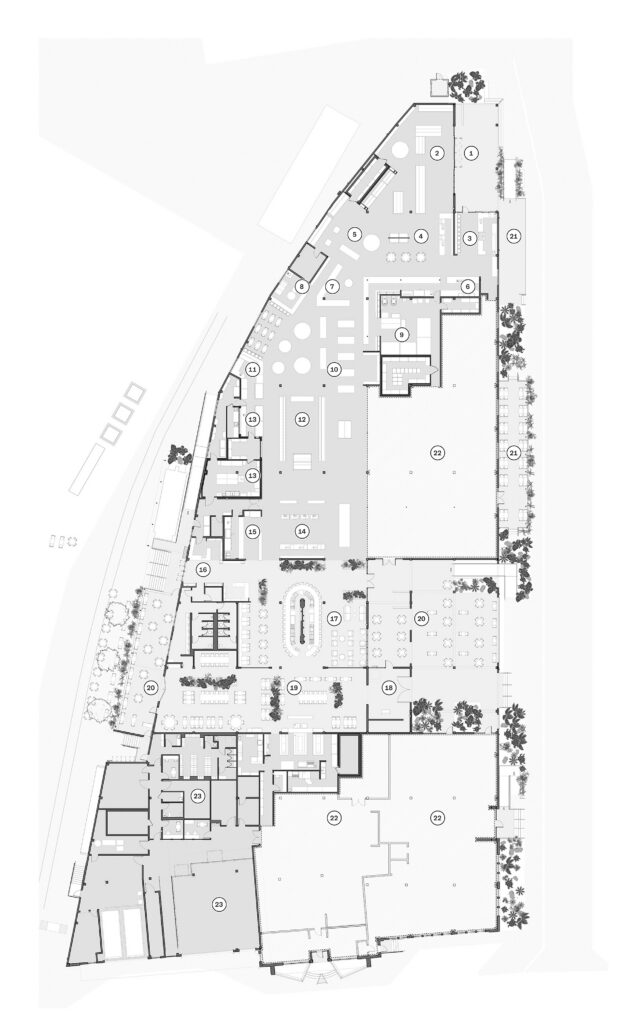
Housed in the Samuels Glass building, a former glass factory, the structure still holds the logic of its industrial past: long spans, utilitarian proportions, and a form shaped by its proximity to the rail line. The curve along one edge of the building responds directly to that rail—a reminder that this site has long been defined by movement and distribution. The project adapts the existing industrial shell to support a large-scale farm-to-table market, reinforcing the Pearl’s role as a cultural hub. Preservation here is not about freezing history, but about continuity. Pullman Market functions as infrastructure supporting how people gather, eat, shop, and linger.
Clayton Korte, the architect of the market, approaches adaptive reuse with poised restraint. Rather than reworking the shell beyond recognition, they preserved much of the existing structure, including many of its original openings. These openings establish the cadence of the industrial envelope and serve as abundant opportunities for daylighting and passive comfort.
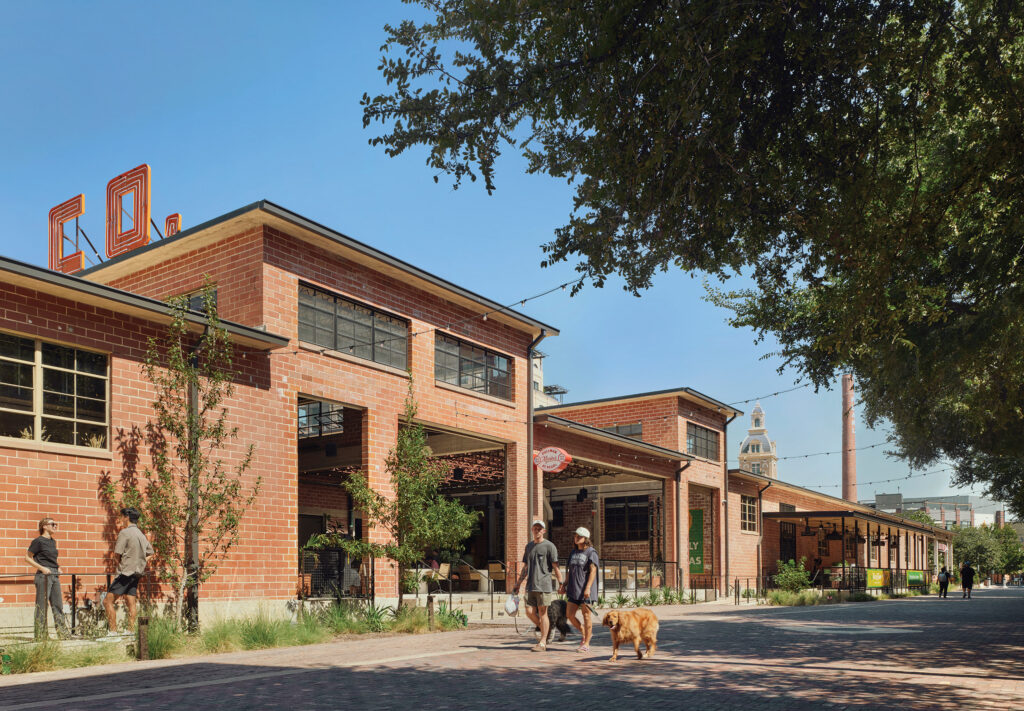
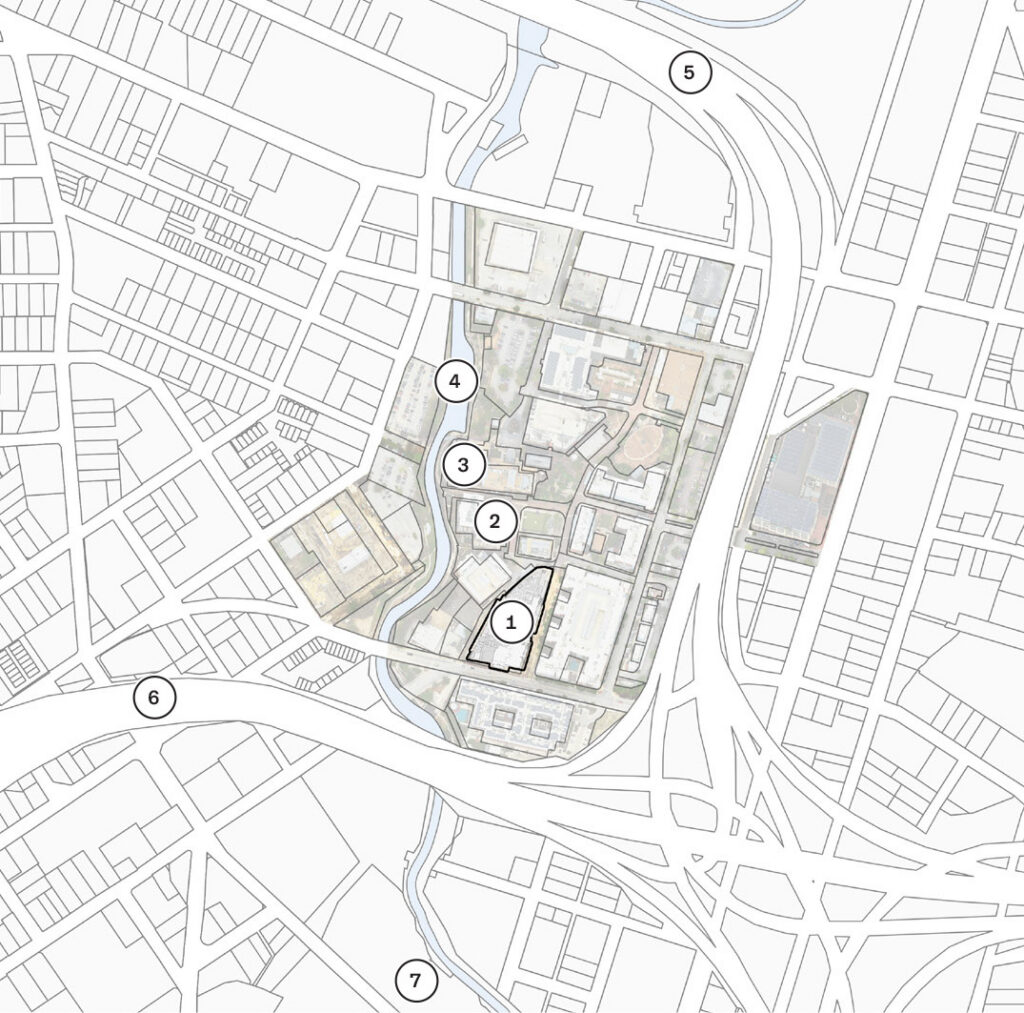

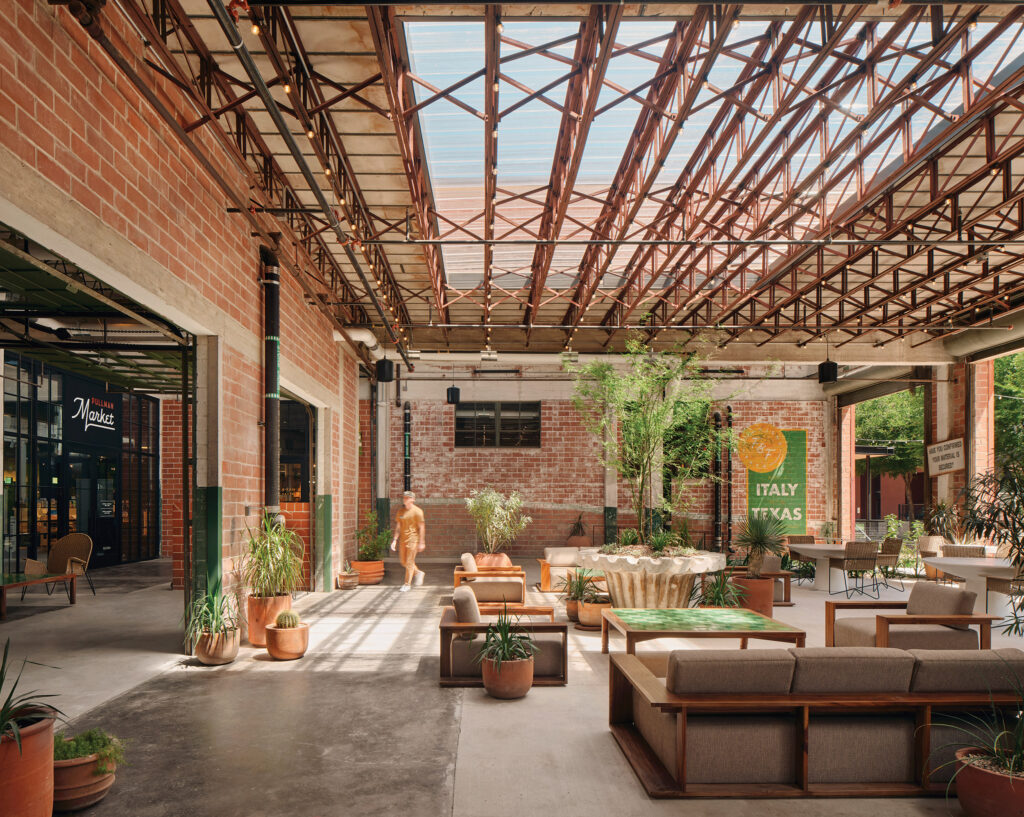
Infrastructure is carefully consolidated, freeing the primary space to function as a social field. The market anchors the center of the building, while vendors, restaurants, and seating areas line the perimeter, allowing the scale of the original structure to remain perceptible. The interior spatial experience, crafted by Joel Mozersky Design, layers texture, material, and color without overwhelming the industrial framework that holds them.
Like most markets, Pullman is not static. The interior has already shifted in response to use, including changes prompted by visibility and security concerns. These adjustments are apparent, and they underscore a key truth of adaptive reuse: Buildings designed for public life continue to adapt long after opening day. This evolution reinforces the building’s role as a living system that is responsive to daily rhythms. Even as the project evolves through refined circulation, enhanced sightlines, and operational adjustments, the core idea remains intact: Let the building speak, and allow contemporary life to layer itself onto that conversation.
Pullman Market’s architectural approach aligns closely with the Pearl’s broader philosophy of placekeeping and environmental responsibility. Across the district, historic structures have been preserved not as artifacts but as frameworks for contemporary life. Pullman extends that lineage, demonstrating that preservation is most effective when it supports daily use and performance.
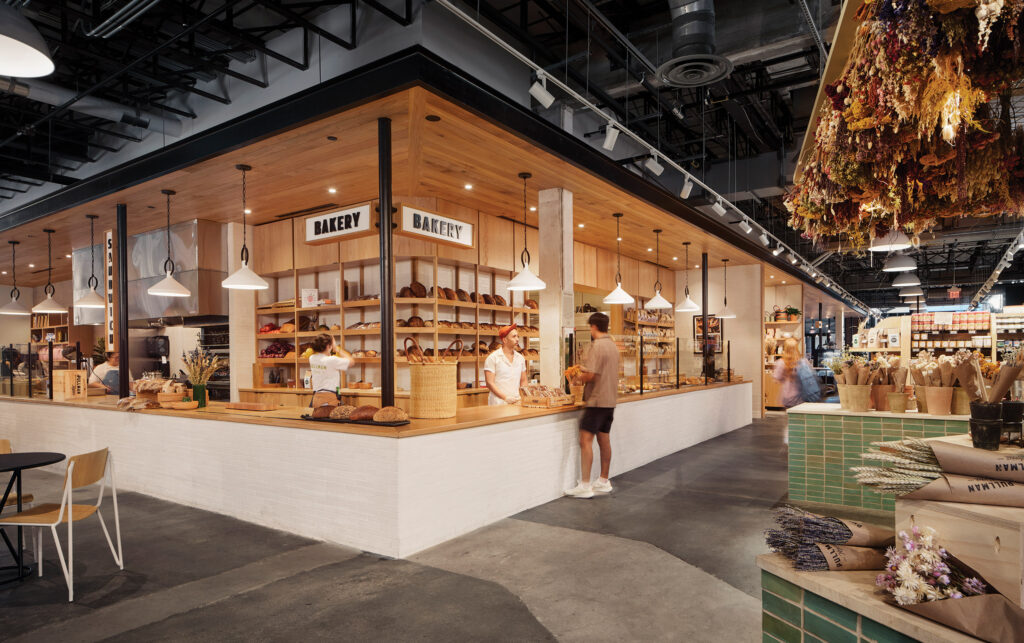
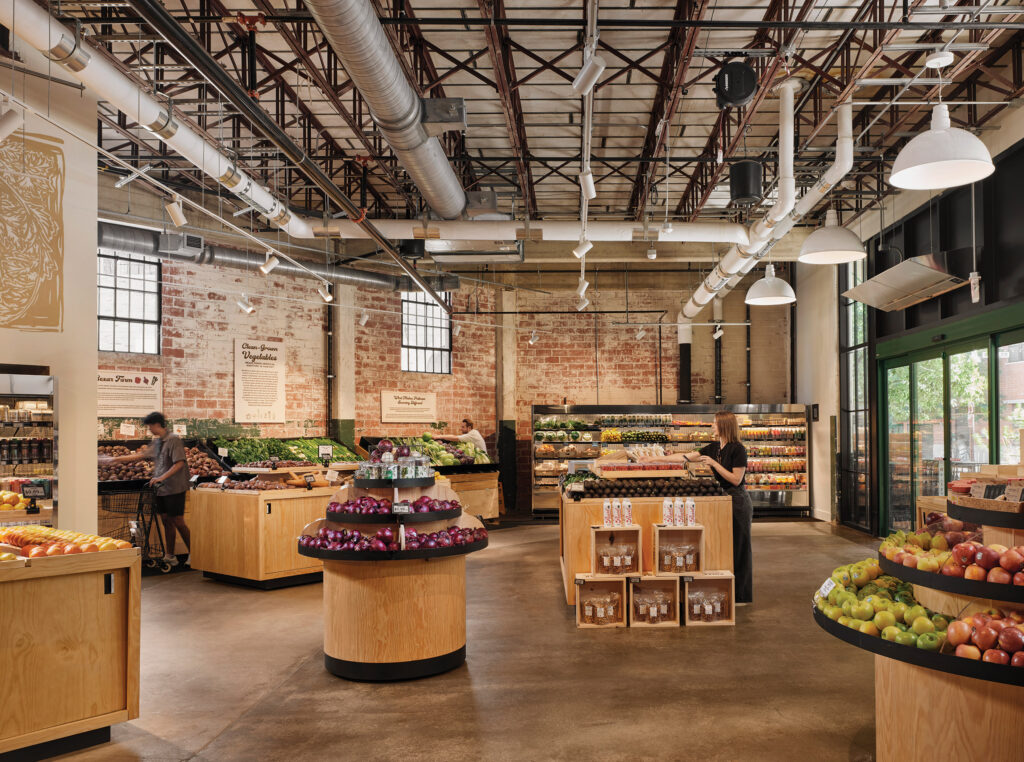
This ethos extends into the market’s food system. During a walk through the market, Kevin Fink, chief executive officer of Emmer & Rye and Pullman Market, spoke about the group’s sustainability philosophy as a structural commitment grounded in transparency and traceability. The focus, he explained, is on understanding where our food comes from, how it’s produced, and who is responsible for it at every step.
In this way, Pullman Market operates as adaptive reuse not only at the scale of architecture, but at the scale of commerce. Just as the building has been reused rather than replaced, the existing supply chain is being reworked to be shorter, clearer, and more visible. The architecture also provides a stable, year-round home for producers whose work is often seasonal or fragmented, allowing regional food systems to function with greater consistency.
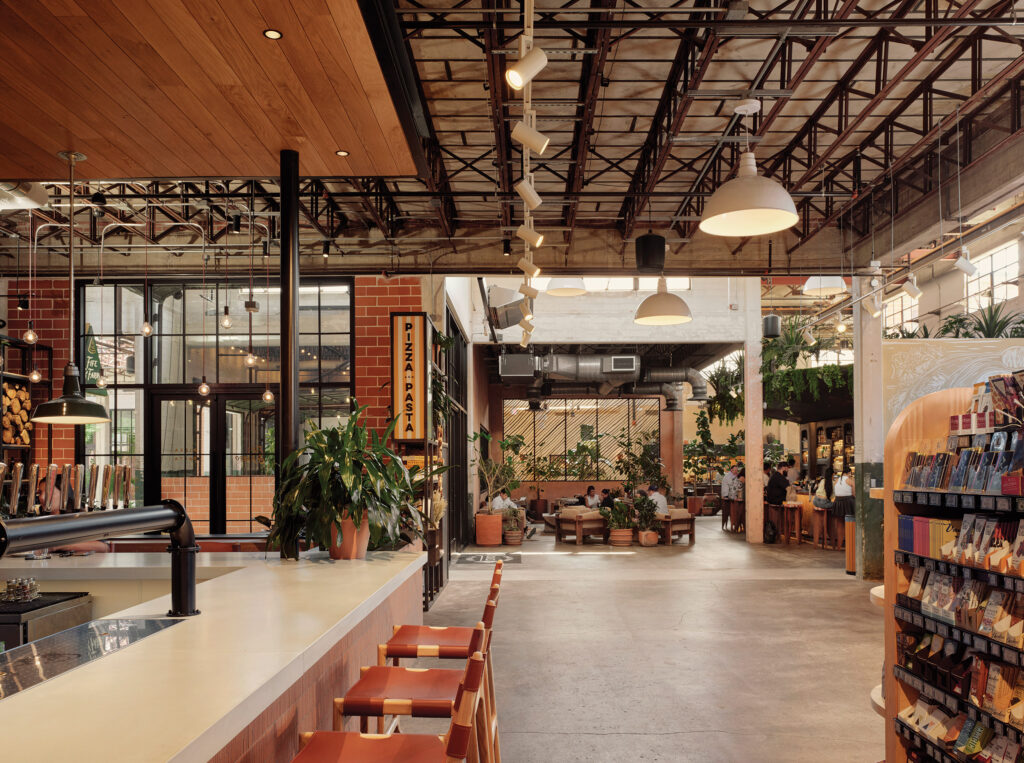
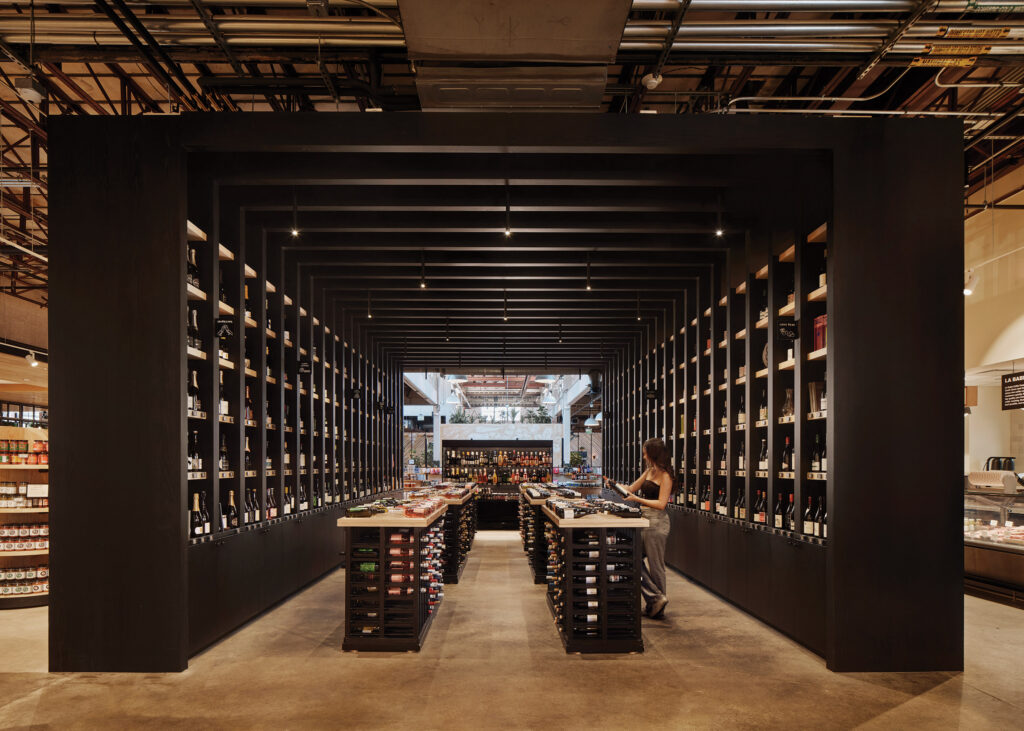
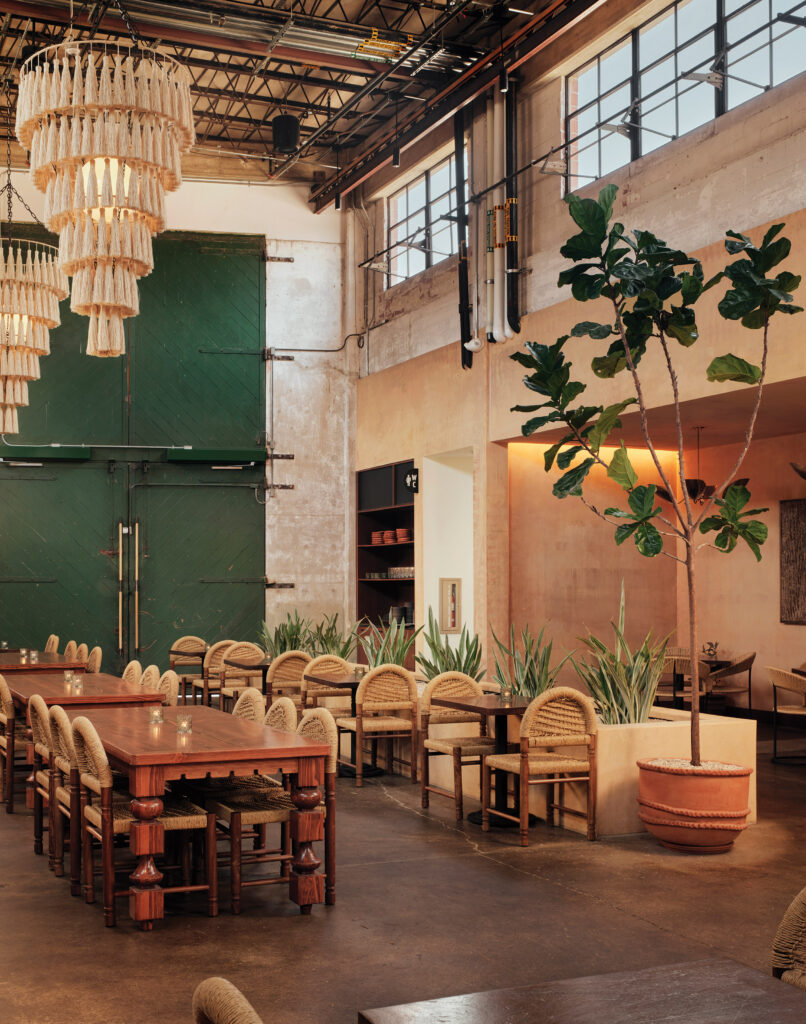
Everything made or sold in the market bears the imprint of human effort and intention and reflects a labor of love. The market reveals the often-invisible work done to prepare the food alongside its consumption, transforming everyday transactions into quiet acknowledgements of care, craft, and continuity.
Inside the restaurant Mezquite, also by Clayton Korte with Joel Mozersky Design, the interiors draw inspiration from the Sonoran Desert. Earth-toned surfaces, metallic accents, and a palette that feels sun-warmed evoke a landscape that resonates with San Antonio’s borderland identity. The reference is a sensorial interpretation of place translated into material and atmosphere, demonstrating that adaptive reuse is also about reinterpretation. An industrial shell can hold new narratives and cultural references without losing its integrity. At Mezquite, desert imagery becomes a bridge between regional ecology, culinary tradition, and architectural mood.
Pullman Market ultimately succeeds because it understands its role within a larger whole. It reinforces the Pearl’s identity as a cultural food hub while preserving the physical evidence of its working past, and it participates actively in district-wide sustainability ambitions. The former glass factory has not been erased but rather given a second life that feels grounded.
What stays with one after a visit is more about the feeling of the Pullman than its direct form. The way daylight slips through preserved openings. The ease of drifting from stall to table, from conversation to pause. The low hum of activity that never quite overwhelms the space, even at its busiest. The building doesn’t ask to be noticed; it simply holds you while you move through it, allowing daily rituals to unfold within its generous frame.
With this essence, the Pullman Market becomes more than a destination; it becomes part of a rhythm. You come for bread or produce, for lunch or company, and leave with the sense that present activities overlap with something older and ongoing. Sustainable architecture should not perform but support. Sustainability here is embedded not announced. History is not frozen but continuously being written.
In a city where food is inseparable from culture and gathering is inseparable from place, Pullman Market offers a model of continuity where adaptive reuse is less about preservation as an act of restraint and more about stewardship as an act of care. It is a space designed to be returned to again and again as part of the everyday life of San Antonio.

Stephanie Aranda, Assoc. AIA, is a designer, educator, and writer whose work explores architecture as both built form and cultural artifact. She was named the Texas Society of Architects 2023 Associate Member of the Year.
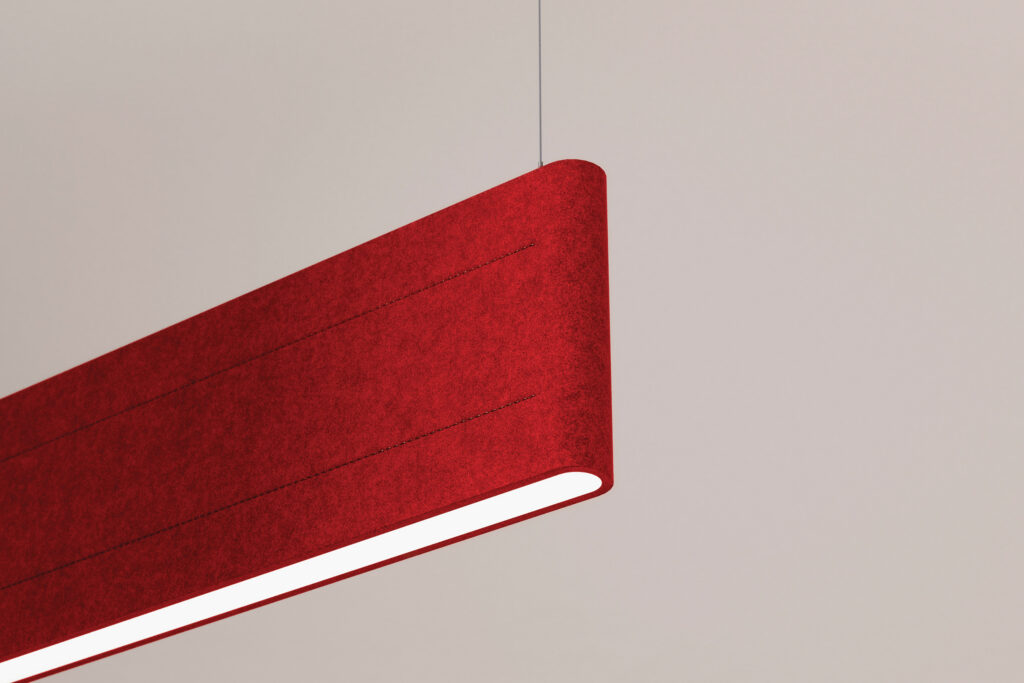
These new LED lighting fixtures for spaces from tabletops to stairwells offer flexible illumination for residential and commercial spaces.
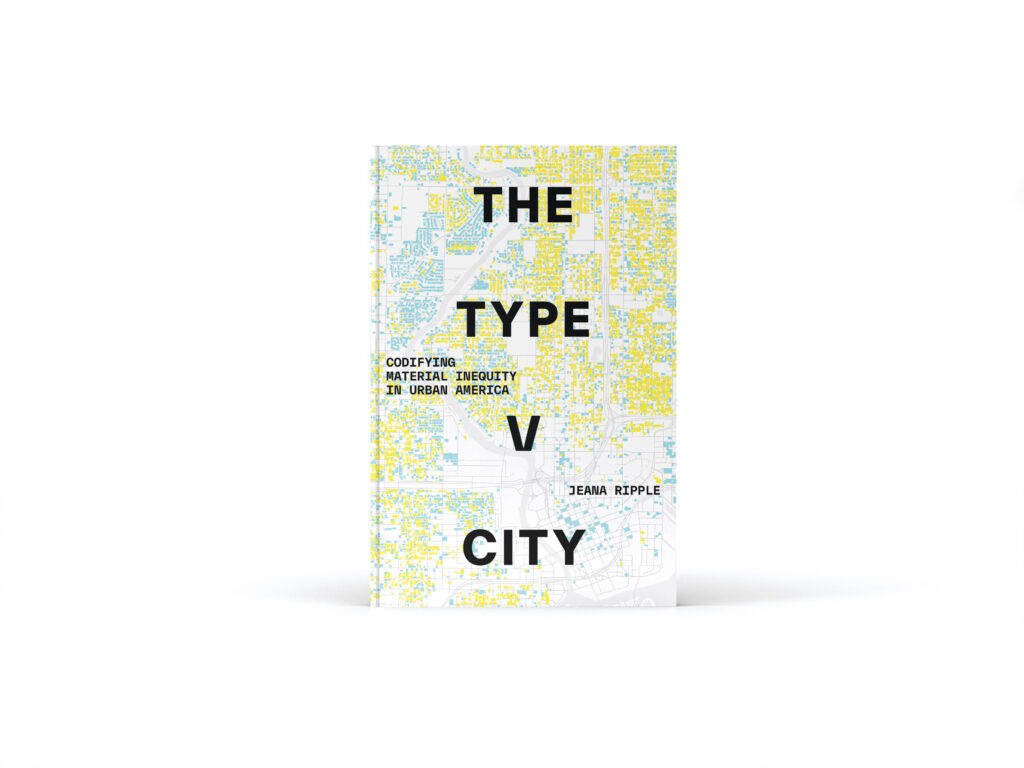
The Type V City: Codifying Material Inequity in Urban America
Jeana Ripple
University of Texas Press, 2025
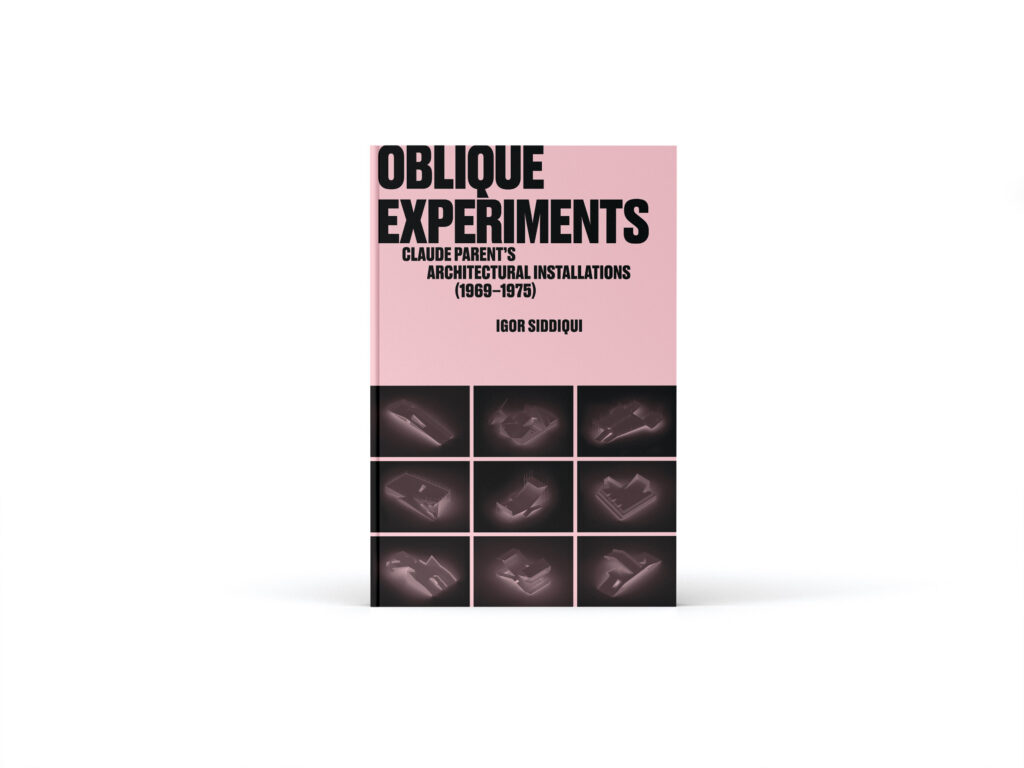
Oblique Experiments
Igor Siddiqui
Applied Research & Design, 2025
Building With Fruit Waste Matter
A Houston Garage Remade as a Culinary Destination
Evolving the Profession for a Changing World
Expanding a 1930s Bungalow for a Modern Family
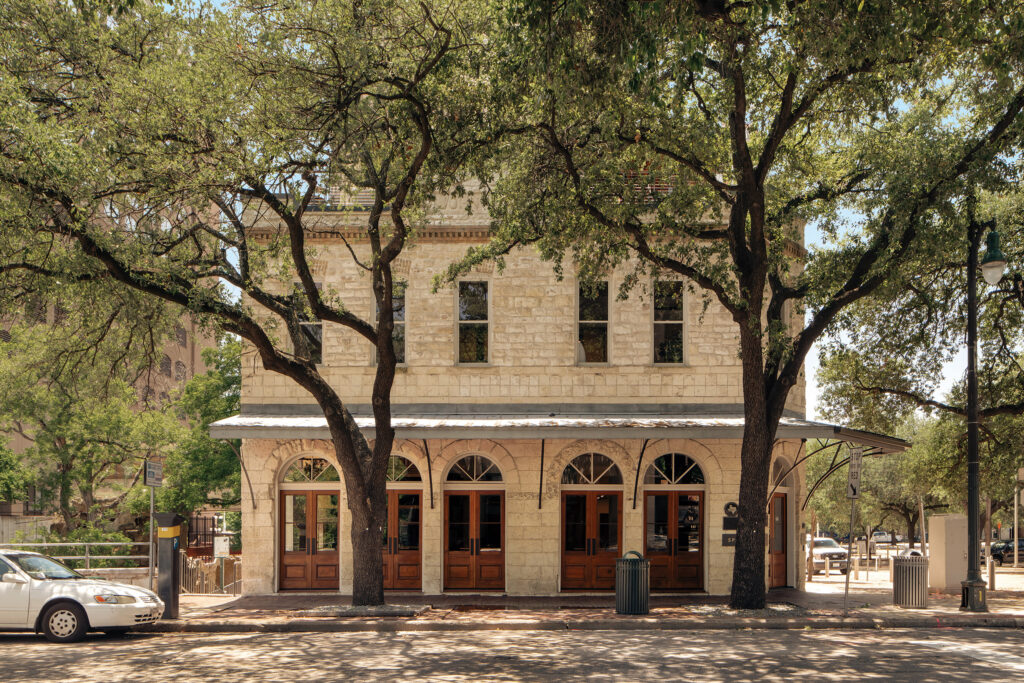
A Historic Structure Updated for Next-Gen Commerce
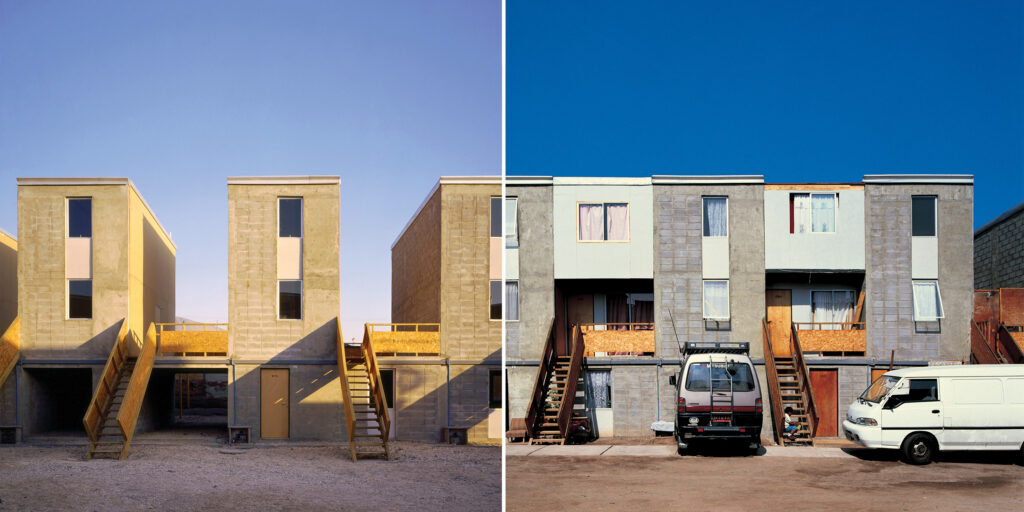
An Argument for Creative Reuse Over Preservation
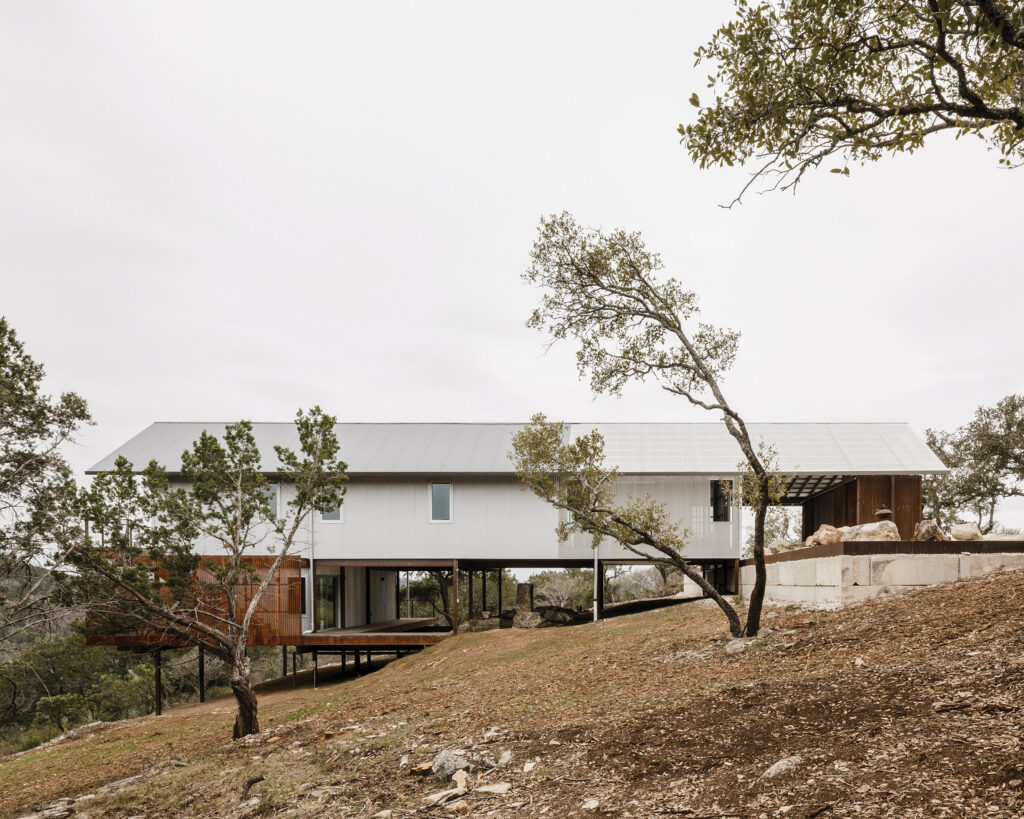
A Home Designed for the Decades
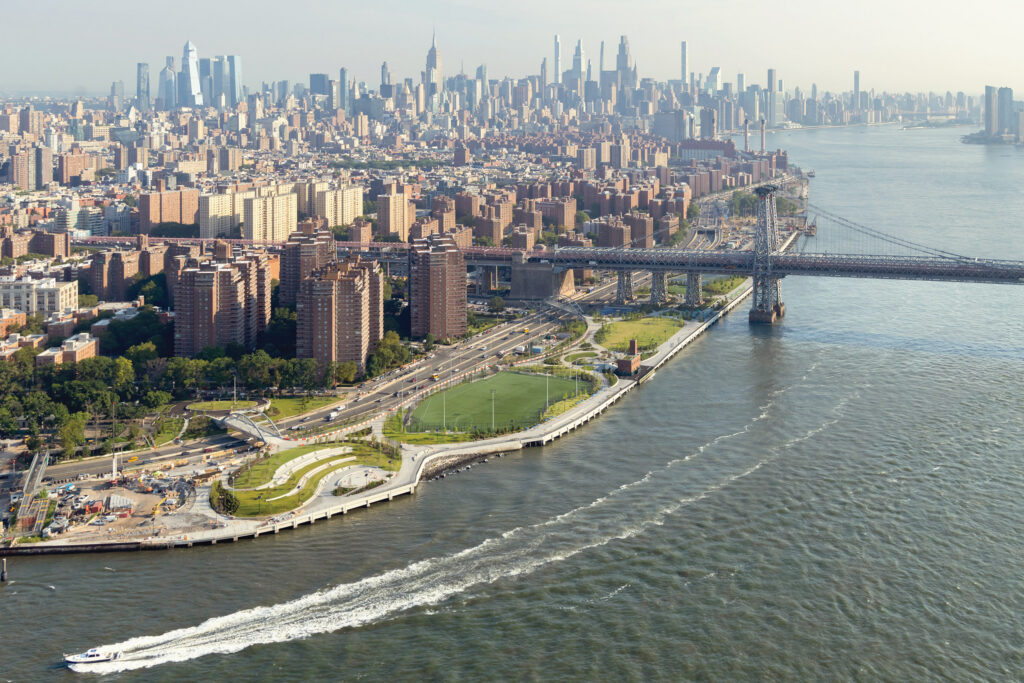
Supporting Ecological Evolution in the Anthropocene