
Mar 17, 2026
In a profession defined by change, gathering is not optional—it is essential. It is how we learn from one another,…

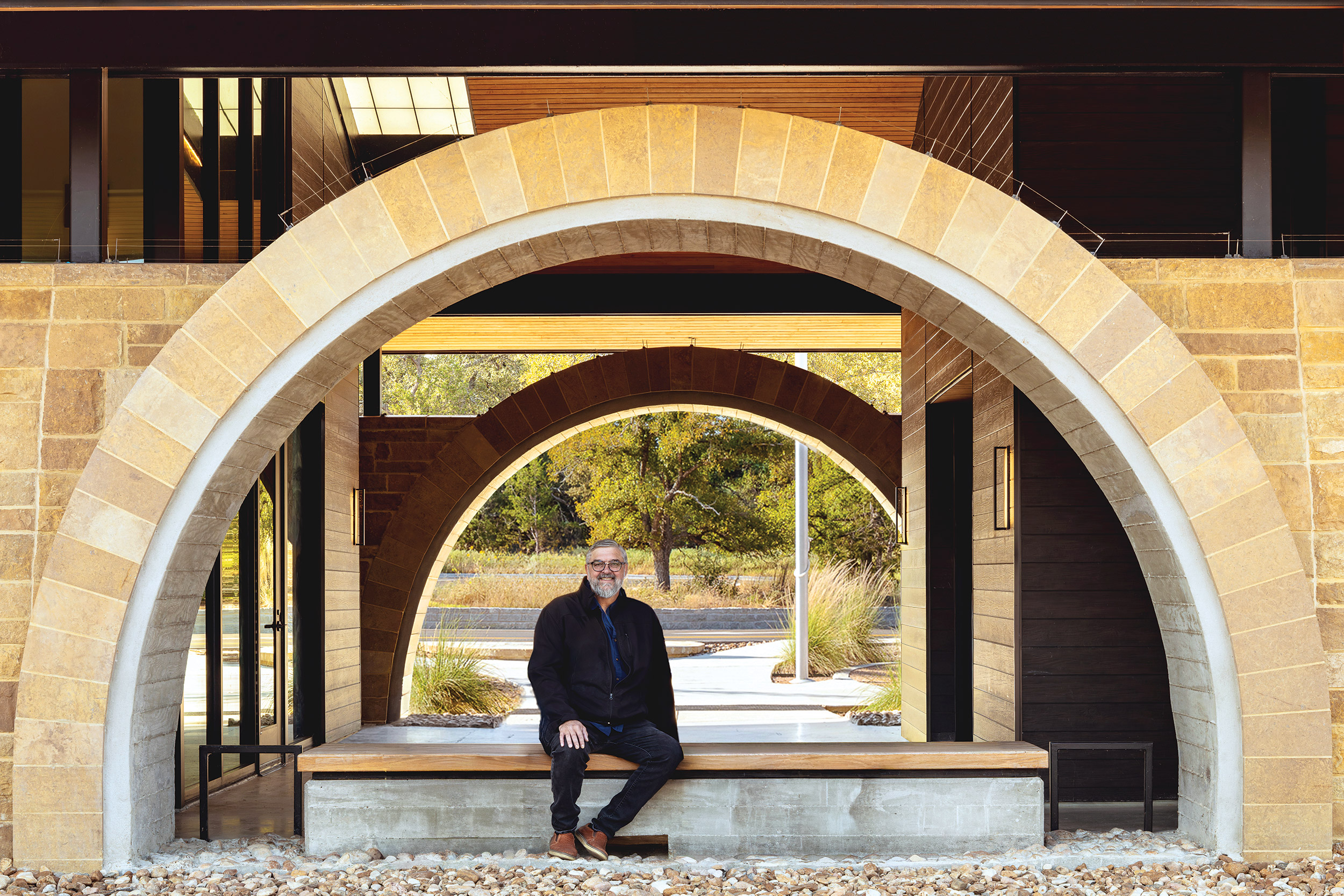
Charles Albert “Al” York, FAIA, an accomplished architect and partner at Austin’s powerhouse firm of McKinney York Architects, died on November 22, 2025. Al’s untimely death is a profound loss for his family, friends, and colleagues. His passing will also be deeply felt in his adopted home of Austin and among the broader architectural community in Texas, of which he was an engaged and influential member. For architects throughout the state, the firm he co-led stands as a singular, exemplary practice—McKinney York is admired not only for its excellence in design and commitment to community, but, more importantly, for its dedication to a robust set of values that have allowed it to practice at the highest level while expanding access to thoughtful, capable design for groups historically excluded from working with design professionals.
Al was born in 1965 and grew up in Birmingham, Alabama, where he was both an athlete and an academic standout in high school. He attended Auburn University for his undergraduate degree and there met the lovely Sharon Fleming, who would become an accomplished architect in her own right and with whom he would start a family. Together they had three sons—Dylan, Anthony, and Ryan—and created an amazing family centered on shared experiences, adventures, and love. Al’s family was the foundation upon which he built everything else in his life; it provided him with a framework and purpose and a base from which to exist as himself in the larger world. A treehouse Al designed and built with his family was among his many award-winning projects.
After Auburn, Al went on to Cornell University to obtain his master’s degree, a requisite step toward his goal of teaching architecture at the university level. Upon graduation, Al accepted an assistant professorship at Texas Tech University, which brought him to Texas, where he would spend the rest of his life engaged in teaching and practice. While at Texas Tech, Al impressed his fellow faculty members and made an indelible impact on his students. Many of those he taught are now leaders in the field and remember him as a catalyst for their own engagement and success in the profession.
“Inherent in all those projects is a sense of clarity, thoughtfulness, and beauty, often manifested in surprising ways through sensible but exquisite details and the skillful handling of natural light.”
In 1995, Al and Sharon moved to Austin, where Al joined McKinney Architects, founded by Heather McKinney, FAIA. He quickly became an integral part of the firm, playing a critical role in shaping its vision for growth and expansion beyond its residential design roots. Heather and Al made a formidable team, with the firm emerging as a model of how to build an exceptional and inspiring architectural practice. In 2008, the firm was renamed McKinney York Architects in recognition of Al’s significant contributions, including his growing reputation for thoughtful design and well-orchestrated projects.
Al had a keen sense of how to run a firm, understanding the processes and oversight needed to successfully manage a growing and diverse portfolio. But it would be wrong to define Al as a manager, despite how evident those skills were and how clearly he excelled at them. Al was first and foremost a designer. He drew beautifully, was an inspired architect, and, as a result, created beautiful buildings. The work completed by McKinney York under his leadership is astonishing in its depth and breadth.
With his team, Al designed a substantial body of work reflecting deep appreciation for the opportunities they were given and transcending their programs and budgets to create very special places for the people who use them. Perhaps this is how Al’s leadership can best be understood: Nothing about the work of McKinney York is merely adequate. It is always remarkable. And this ethos springs not from good management alone. Over the years, McKinney York cultivated a team of younger leaders—firm president and principal Michelle Rossomando, AIA; principals Brian Carlson, AIA, and Will Wood, AIA; and associate principal Navvab Taylor, AIA—who assumed their roles in a deliberate, carefully paced transition. That leadership was in place before Al’s illness, and the firm remains in capable hands thanks to an intentional plan that provided opportunities at the top many years ago. McKinney York’s evolution into the exemplary firm it is today will support it into the future and will be a significant and ongoing part of Al’s legacy.
Al held a belief that architecture starts with the individual and is characterized by responding to individuals in a way that provides meaning. He firmly believed that clients were not the only stakeholders in a project’s outcome. For Al, a building’s success lay in its ability to meet the needs of its users, no matter who they were or how engaged they were in the design process. This attitude continues to define McKinney York and is manifested in all their work. It is why their designs for the Austin Shelter for Women and Children, the Texas School for the Deaf Administration and Welcome Center, and the African American Cultural and Heritage Facility are so successful. Al recognized that the groups who would experience these buildings were often excluded from the design process yet deserved to feel connected to the spaces in visceral and immediate ways. A visit to McKinney York’s website is a glimpse into architecture at its most generous—a profound statement on what our profession can achieve when caring, thoughtful people have the courage to create remarkable work for everyone to enjoy.
Al’s AIA service included a stint as the Austin chapter president and participation in many committees at both the local and state level. He was instrumental in obtaining financing for the Texas Society of Architects’ previous headquarters building on Chicon Street in East Austin and in its subsequent remodel. Though he did not seek out recognition, Al was often cited for his remarkable contributions. During his time at McKinney York, the firm earned 31 design awards from AIA and the Texas Society of Architects. In 2007, McKinney York received the AIA Austin Firm Achievement Award, and in 2013, they were recognized with the Texas Society of Architects Architecture Firm Award. In 2016, Al was elevated to Fellowship by the American Institute of Architects.
Al’s absence will be keenly felt by all who knew him. His gift for seeing and helping those around him was one of his greatest strengths, and it extended to the institutions he supported and shared his time and talents with. Plato wrote—though the Cuban poet José Martí was later attributed with the aphorism—that in life, every man should build a house, plant a tree, write a book, and father a son. Al literally accomplished many of these things, but he also did far more: He aligned his passion for his family and friends and his skills as an architect with his goal of helping to create a better world for everyone he came in contact with, either directly or through his buildings. It is a legacy we will continue to live with and aspire to match for many years to come.
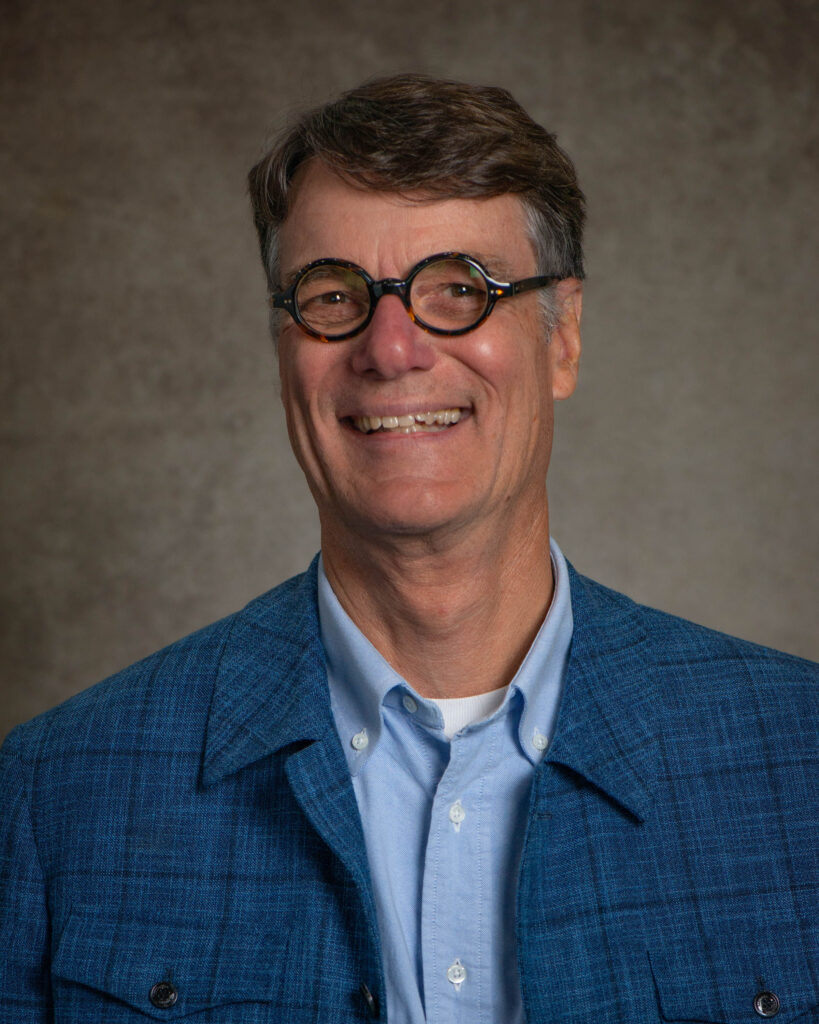
Michael Malone, FAIA, is the founding principal of Michael Malone Architects and an adjunct assistant professor at the School of Architecture at the University of Texas at Arlington.




Supporting Ecological Evolution in the Anthropocene

A Home Designed for the Decades

An Argument for Creative Reuse Over Preservation

A Historic Structure Updated for Next-Gen Commerce

Expanding a 1930s Bungalow for a Modern Family

Evolving the Profession for a Changing World

A Houston Garage Remade as a Culinary Destination

Adaptive Reuse at Pullman Market

Building With Fruit Waste Matter

Oblique Experiments
Igor Siddiqui
Applied Research & Design, 2025

The Type V City: Codifying Material Inequity in Urban America
Jeana Ripple
University of Texas Press, 2025

These new LED lighting fixtures for spaces from tabletops to stairwells offer flexible illumination for residential and commercial spaces.

He also had a sister, Joanna D. York and many cousins.