Mar 17, 2026
In a profession defined by change, gathering is not optional—it is essential. It is how we learn from one another,…
An Argument for Creative Reuse Over Preservation
Embracing adaptation is, without question, a critical piece of solving the sustainability puzzle. In fact, extending the life of buildings may be the single most impactful sustainability strategy available to the building industry. Choosing to adaptively reuse an existing building rather than raze it and build anew conserves a tremendous amount of embodied and operational energy, embodied carbon, and material resources. In their 2008 article “The Building Stock as a Research Object,” authors Niklaus Kohler and Uta Hassler even go so far as to argue that developed countries should cease building new altogether and instead focus only on improving what already exists.
“The greenest building is… one that is already built.”
—Carl Elefante
Illustrating the case for reuse, HOK’s renovation of the historic Moss US Courthouse in Salt Lake City achieved 50 percent energy savings, 30 percent reduced water usage, 59 percent reduction in embodied carbon, and $6 million annual savings in lease costs by renovating the existing building rather than constructing a replacement. An extreme example, a 2015 study published in the journal Environmental Science & Technology found that buildings in China last, on average, only 23.2 years before demolition. Researchers calculated that extending the average building lifespan from 23.2 to 50 years would allow China to each year save energy, carbon, and material resources equivalent to the entire environmental footprints of Belgium, Mexico, and Italy combined. A 2005 study by Eduardo Peris Mora estimates that extending a building’s lifespan from 50 to 500 years similarly reduces its overall environmental impact by a factor of ten.
Unfortunately, the building industry today operates much like fast fashion: Although Texas cities do not consistently track demolition dates or maintain comprehensive demolition data, anecdotal evidence suggests that most buildings in Texas are demolished after only 30 to 60 years and rarely survive to 100.
According to the 2025 study “Lifetimes of Demolished Buildings in US and European Cities,” which assessed nearly 15,000 demolished buildings in the US and Europe, average building lifespans vary dramatically by region and building type. The study also concluded that the vast majority of demolished buildings were in average to excellent condition. In other words, buildings were not typically demolished because of failures in service life or durability; rather, demolition was more often driven by obsolescence—that is, they were perceived as old-fashioned or out of date.
“Every building is potentially immortal,
—Stewart Brand
but very few last half the life of a human.”
Authors Appu Haapio and Pertti Viitaniemi, in their 2008 article published in the journal Environmental Impact Assessment Review, define a building as obsolete if it no longer meets current requirements or expectations. This definition, however, invites a critical examination of what those requirements and expectations truly are. Demolishing a building solely for reasons of image or symbolism is an insufficient justification. Buildings often feel inseparable from our collective history, and their loss can be painful, as if a connection to the past has been severed. Adaptation offers an opportunity to breathe new life into existing structures and maintain cultural continuity.
Embracing adaptation of existing buildings also creates a richer lived experience for occupants. As a building’s program changes—when, for example, a factory becomes housing and later a classroom—each transformation adds layers of meaning. The visible traces of original architecture foster a connection to the past, while thoughtfully integrated new interventions can elevate the whole, achieving a rich, enduring quality that new construction alone simply cannot match.
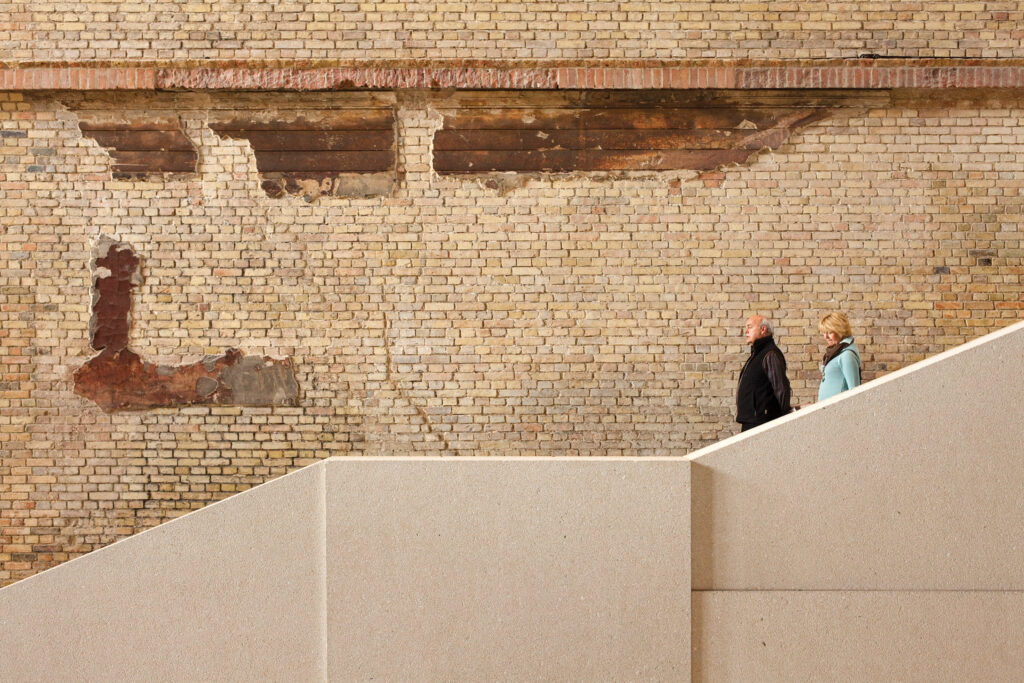
In the Neues Museum by David Chipperfield Architects, the architects repaired and modernized the 19th-century building, which had been damaged during the bombing of Berlin and left to decay during the years of East Germany. New architectural elements were carefully integrated with the historic fabric, neither replicating the original construction nor concealing it. As a result, visitors to the Neues Museum experience a simultaneous connection to past, present, and future. It is buildings like this—ones that adapt, change, grow, and improve over time—that endure for generations.
Embracing adaptation represents a fundamentally different approach than preservation. Preservation aims to turn architecture into museums of the past, freezing materials, assemblies, and finishes in time to the greatest extent possible—even when doing so produces uncomfortable spaces, perpetuates energy-intensive buildings, or institutionalizes historical mistakes. Adaptation, by contrast, looks to the future. It retains what remains valuable from the past while updating, repairing, maintaining, remediating, expanding, and critically improving buildings and spaces to infuse new life into existing structures.
Designing with future adaptation in mind is a key strategy for extending a building’s lifespan. Principles outlined in the AIA document Buildings That Last: Design for Adaptability, Deconstruction, and Reuse include clear spans, flat floors, robust structural systems, durable materials, and the use of mechanical fasteners. Universal proportions and good daylighting are also essential in design when considering future adaptation. In contrast, highly bespoke design elements tied to a single, specific program limit future flexibility.
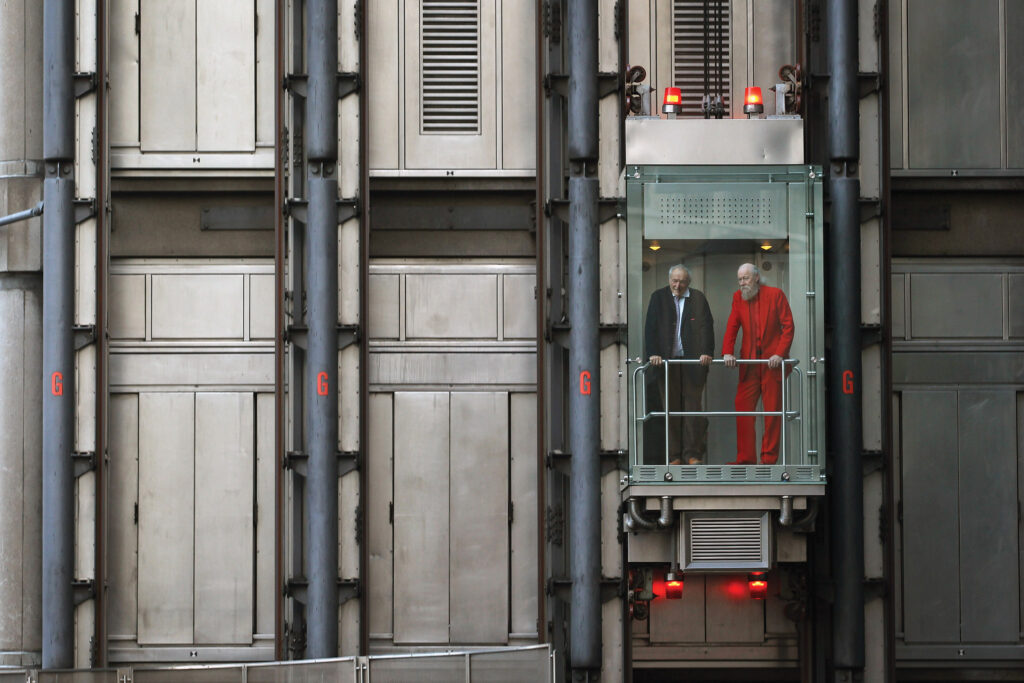
A quintessential misunderstanding of adaptability is exemplified by Richard Rogers’s 1986 Lloyd’s of London building. The project was won on promises of maximum flexibility, to be achieved by placing all services on the exterior and relying on custom components that could theoretically be plugged in and out over time. In practice, the building employs the opposite of universal proportions and strategies for adaptation, becoming instead a frozen monument to an idea that never worked. Placing distribution systems, such as ducts and lifts, on the exterior of a building does not save space and instead subjects them to the elements, creating ongoing maintenance challenges for building owners. By 1988, just two years after the Lloyd’s tower opened, three-quarters of its occupants reported a preference for their former 1928 building across the street.
“The negative consequences of design decisions
—Corey Squire
are often distant in both time and space.”
It is relatively easy for architects and clients alike to judge whether the two-dimensional imagery of a building is visually compelling—a subjective assessment which all are qualified to give. Assessing longer-term consequences, however—comfort, energy use, health, durability, and overall building performance 10, 100, or even 1,000 years into the future—is far more difficult to evaluate and articulate. Yet it is precisely this long view that architects must strive to understand and responsibly address in design.
Every day, architects confront the tension between what appears good for us in the moment and what is advantageous for us over time. The true skill and value of the profession should lie, not in the production of striking imagery, but in the ability to anticipate, evaluate, and clearly communicate how design decisions will affect clients, communities, and humanity in the long term. Despite this, design awards programs—including those of the AIA and its chapters—continue to privilege stunning visual imagery over work that demonstrably advances people-centered performance, durability, and sustainability.
New approaches to building across scales—from detailing to structural assemblies to urban planning—can significantly extend buildings’ lifespans. Mechanical systems, for example, typically last only 10 to 20 years, and future technologies are inherently uncertain. Designing buildings with sufficient space and capacity for upgrades allows systems to be replaced without wholesale disruption. Similarly, while sealant joints may last up to 25 years, a dual-line sealant strategy can protect the interior joint from damaging agents like ultraviolet exposure, moisture, and thermal cycling, potentially extending its service life indefinitely. Fully exposed roofing membranes typically last only 20 to 30 years, but an inverted roofing membrane assembly protects the membrane from UV exposure, thermal cycling, and exposure to water, allowing roof assemblies to perform for 100 years or more with minimal maintenance. Buildings can be designed for extraordinary longevity, but doing so requires a collective ability to understand and articulate the long-term value of these decisions.
Styles and fashions—which are driven by taste rather than performance—tend to last about 30 years. Buildings designed primarily around fashion are often perceived as outdated, underperforming, and ripe for demolition when they reach this critical 30-year mark. Yet when a building reaches 100 years, something magical happens. Its performance has proven durable, and cultural perception changes: What once seemed unfashionable becomes culturally valuable and is seen as worth keeping.
Dallas City Hall, designed by I.M. Pei and Partners and opened in 1978, perfectly embodies this tension. At the time, Brutalism—homogenously constructed of concrete with a distinctly sci-fi sensibility—was all the rage. It signaled progress and optimism for a city eager to reframe its image in the aftermath of the assassination of President John F. Kennedy.
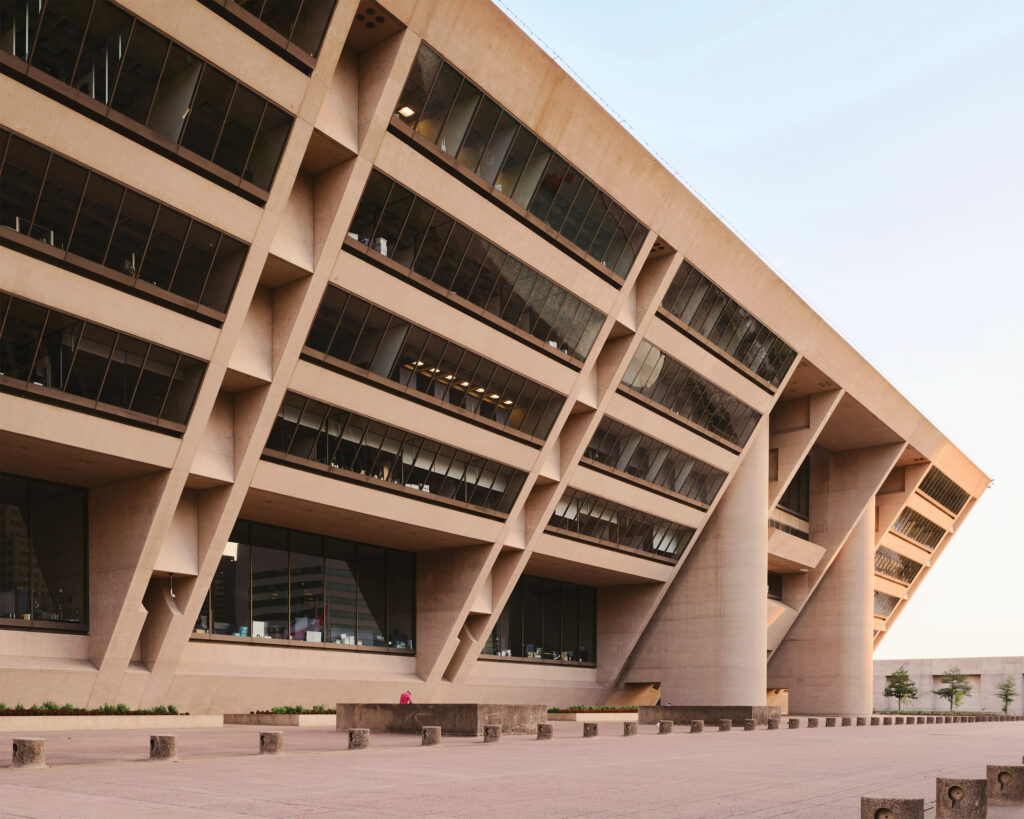
It is difficult for us now, in 2026, to remember that Brutalism represented the height of architectural fashion from roughly 1950 to 1980. Like all styles, however, it eventually fell out of favor and came to be widely regarded as tacky. Today, preservationists argue for freezing Dallas City Hall in time as a museum of Brutalism, while others see it as foreboding, uncomfortable, poorly insulated, leaky, and therefore deserving of demolition. Neither position, however, offers a sustainable path forward.
The alternative is to embrace adaptation. Brutalist buildings almost universally have strong structural bones; what they lack is modernization. By wrapping them in fluid-applied water-resistive barriers, insulation, and cladding, these uncomfortable energy hogs can be transformed into high-performance buildings capable of lasting for generations. Yes, this approach would change the exterior appearance. That is a tradeoff worth accepting, because thermal comfort, healthy indoor air quality, durability, and energy efficiency matter more. The original Brutalist sensibility can still be experienced from within.
By around 2050, any surviving Brutalist buildings will be more than 100 years old and, as history suggests, widely beloved. It may be difficult to imagine Brutalism as timeless only 25 years from now, but the signs are already there. Stores now sell calendars filled with images of Brutalist buildings from around the world. Teenagers follow Brutalism-focused Instagram accounts. A recent hit film was titled The Brutalist. Nostalgia for the style has already arrived.
An example of embracing adaptation at the community level can be seen in vernacular Middle Eastern villages, where flat roofs allow homes to grow vertically as families expand. As a result, one can look at the landscape of the village and see its past, present, and future all at once. The vernacular architecture possesses a sense of layered history and continuity because of the way it grows organically over time.
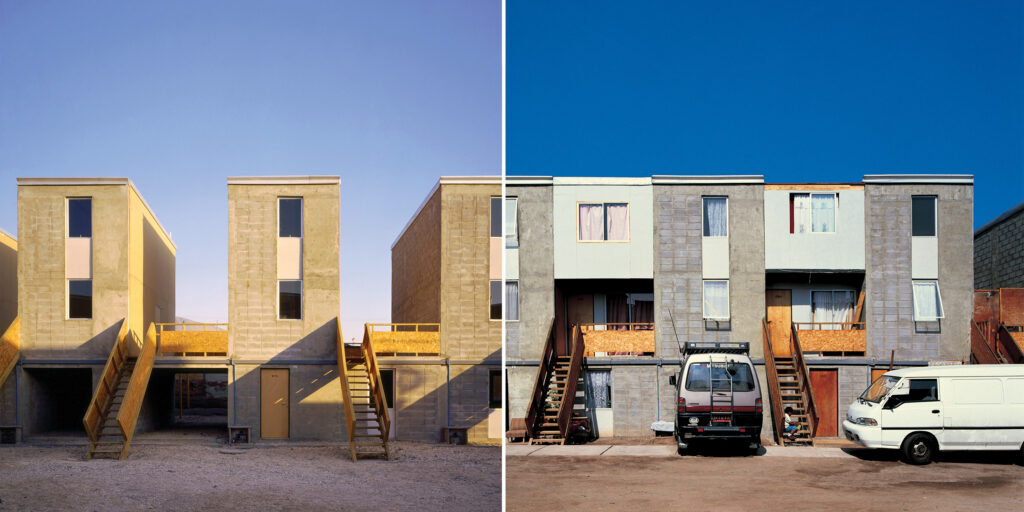
A similar philosophy underpins Chilean low-income housing projects designed by architect Alejandro Aravena’s firm ELEMENTAL. These projects provide only essential infrastructure, allowing residents to complete, modify, and expand their homes over time. They remind us that architecture is not a static object to be admired, but the framework for life.
Adaptation at the urban scale is evident in the City of Austin Water Department’s 100-year plan, Water Forward, adopted in 2018. The integrated water resource plan anticipates population growth while shifting away from the wasteful practice of using potable water for non-potable needs. Instead, it emphasizes using decentralized reclaimed-water systems, rainwater harvesting, and condensate reuse for these purposes. Water Forward demonstrates that when long-term survival is at stake, planning 100 years into the future is not only possible but necessary.
“A building is not something you finish. A building is something you start.”
—Stewart Brand
How, then, can we learn to assess architecture through the lens of endurance rather than short-term faddishness? Are proposed changes driven by performance upgrades or merely by novelty? Style and fashion are inherently short-lived, which may be more acceptable for clothing, interior finishes, and other shorter-term investments. But for buildings, if we want them to make it to that magical 100-year mark, we must prioritize people, performance, and durability—allowing design excellence to emerge not from image, but from meaningful, adaptable use over time.

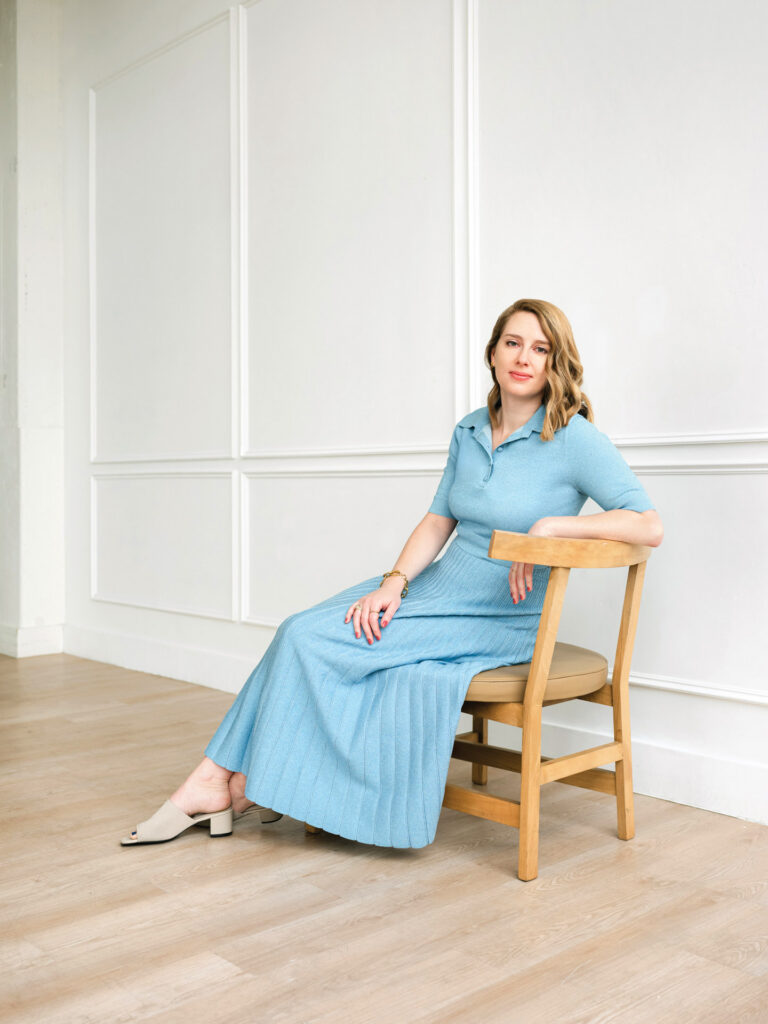
Keith A. Simon, FAIA, is vice president of design phase services at Salas O’Brien, a lecturer at the UT School of Architecture, founder of the AIA Austin Building Enclosure Council, and chair of the National Institute of Building Sciences’ Building Enclosure Technology and Environment Council. A leading expert in building enclosure performance, Simon combines technical rigor with a passion for sustainable design and interdisciplinary learning, having co-organized over 200 industry continuing education programs.

Supporting Ecological Evolution in the Anthropocene
A Home Designed for the Decades
A Historic Structure Updated for Next-Gen Commerce
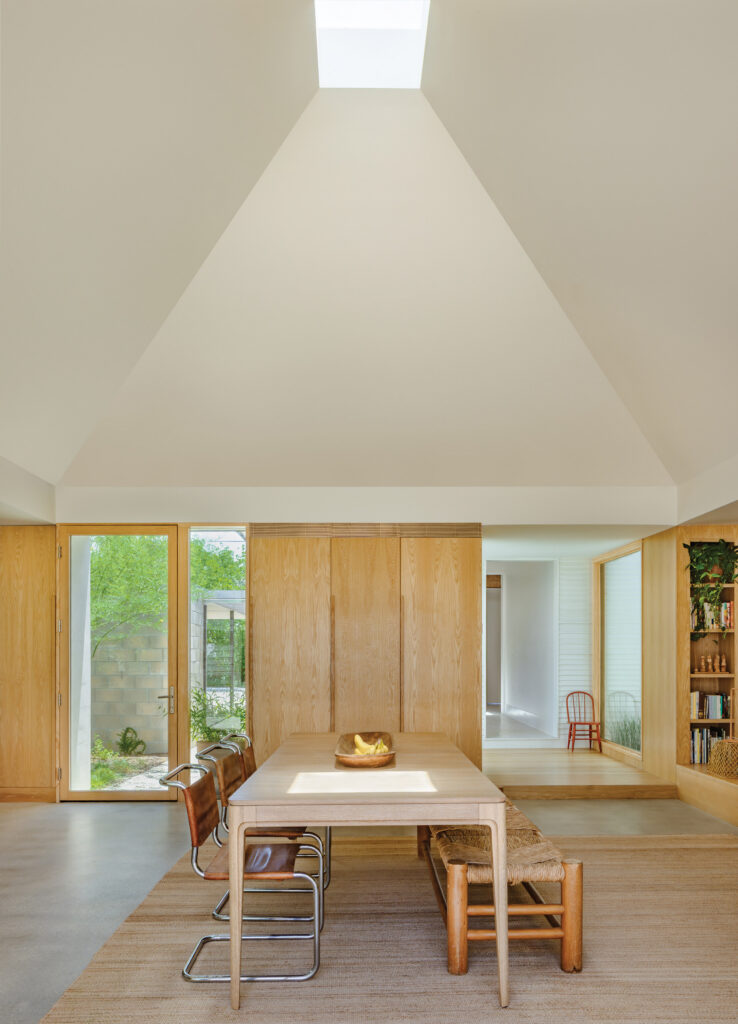
Expanding a 1930s Bungalow for a Modern Family
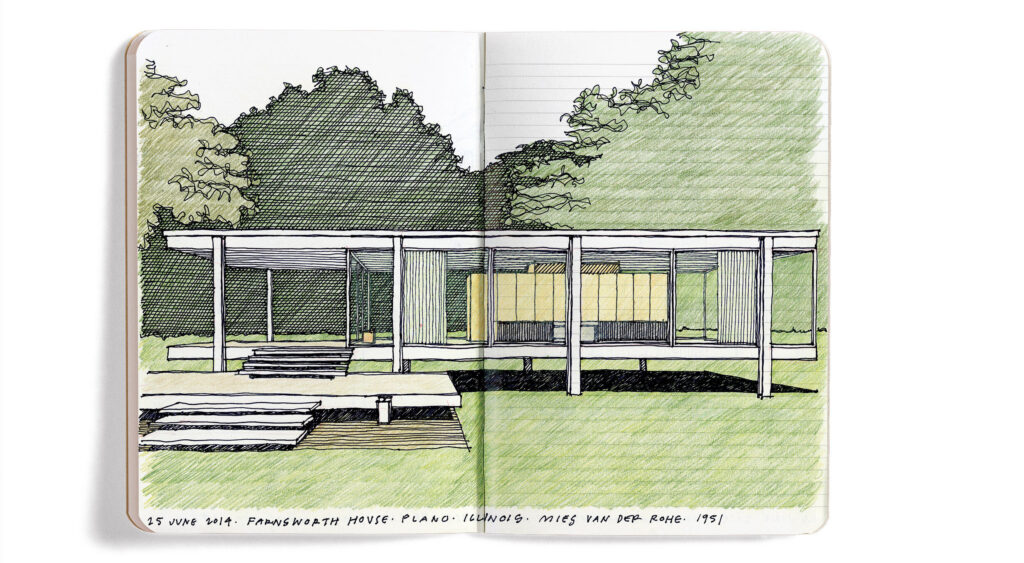
Evolving the Profession for a Changing World
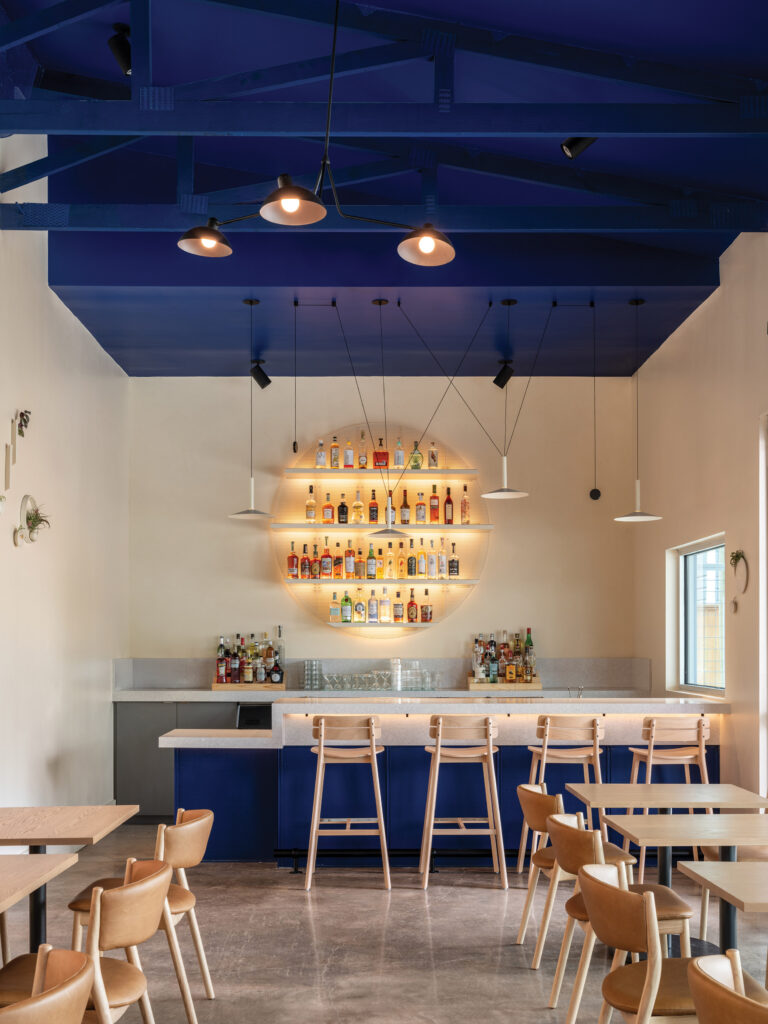
A Houston Garage Remade as a Culinary Destination
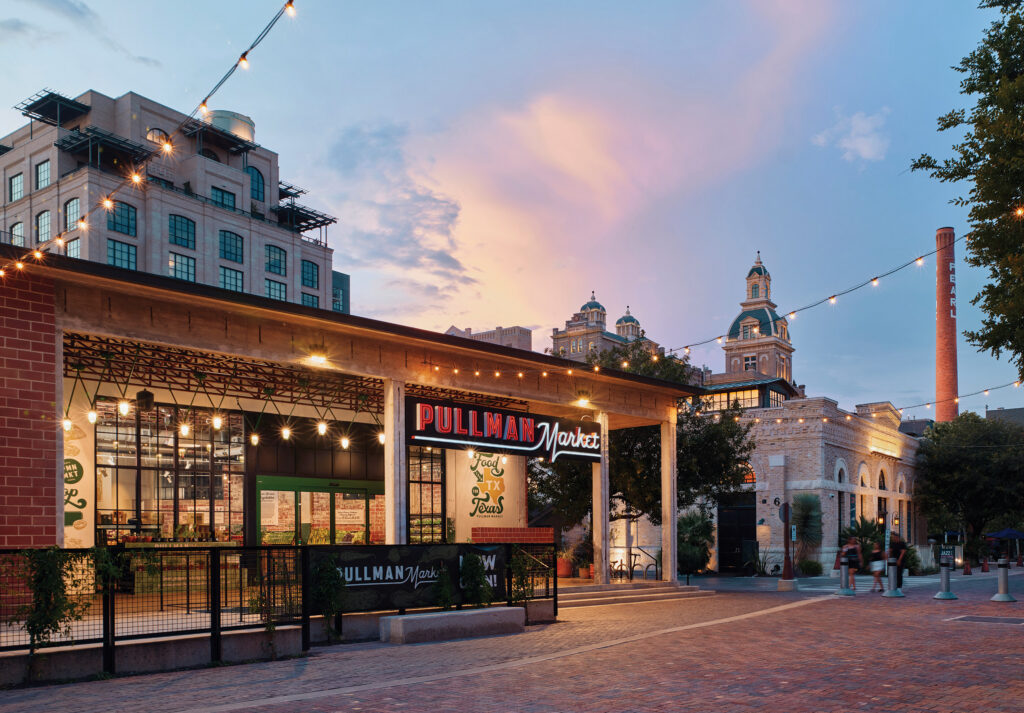
Adaptive Reuse at Pullman Market

Building With Fruit Waste Matter

Oblique Experiments
Igor Siddiqui
Applied Research & Design, 2025
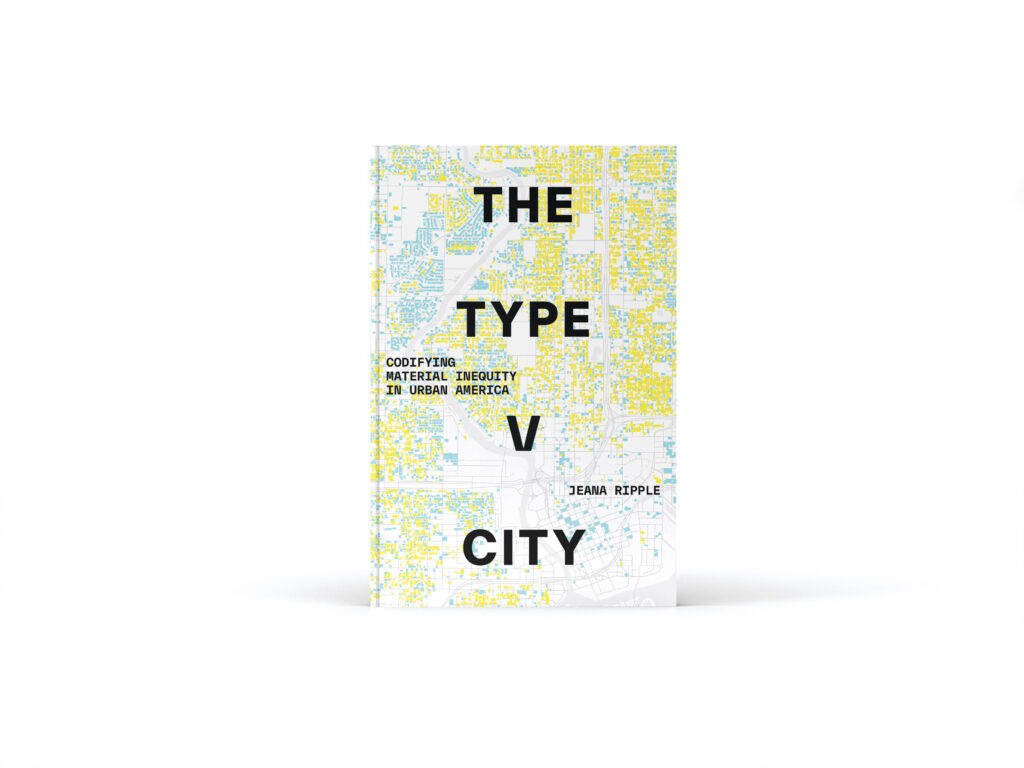
The Type V City: Codifying Material Inequity in Urban America
Jeana Ripple
University of Texas Press, 2025
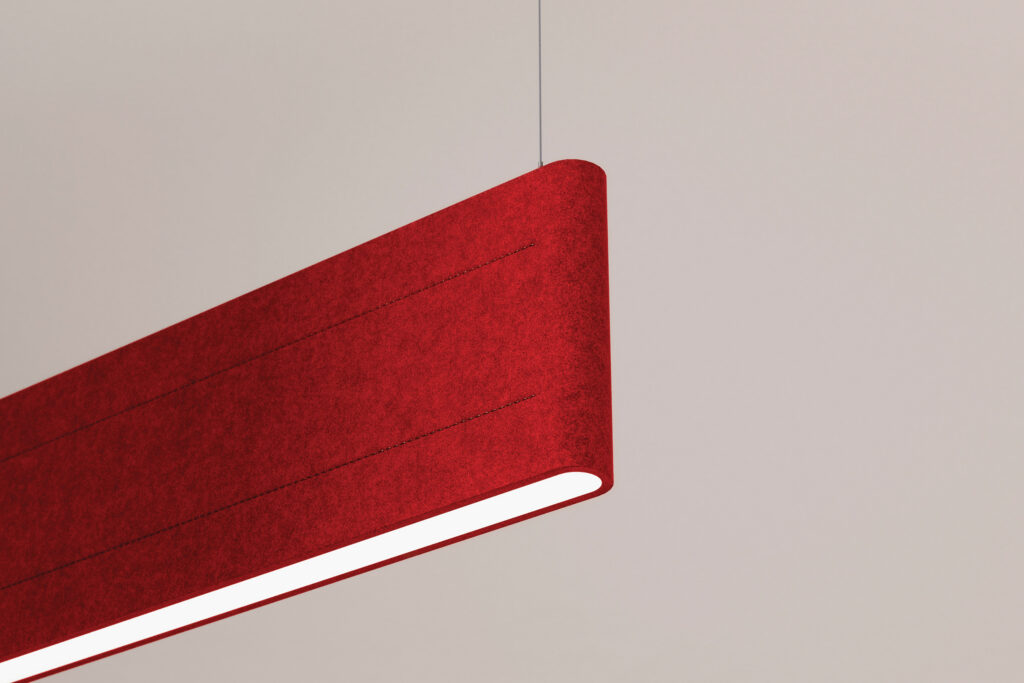
These new LED lighting fixtures for spaces from tabletops to stairwells offer flexible illumination for residential and commercial spaces.
I am not sure where this author has been for the past decades, but preservation has never been about freezing buildings and materials, creating museums, or producing uncomfortable spaces. From the start of the modern preservation movement in the 1960s and 1970s, preservation has embraced adaptive reuse and creative ways in which to make older buildings contribute to modern society (the pioneering conversion of a vacant courthouse into the Jefferson Market Library in New York City established this as a key preservation goal). The Neues Museum is a brilliant adaptation of a ruin that preserves the essence of the building and its conflicted history. Preservationists are the most vocal advocates for the adaptation of Brutalist buildings such as the Dallas City Hall. Demolition or a museum have never been the only choices!
The other thing I think about with this is when we are renovating ‘big box’ buildings and shopping malls and buildings that were built to relative minimums in terms of code, structural capacity and enclosure performance and how to not throw the baby out with the bath water. Of course its easier to scrap it and start over and there is no great architectural ‘loss’ in demolishing an old grocery store but retrofitting existing buildings is going to be the main challenge we face in the next decade (and maybe more). If we just tore down every building that wasn’t suitable and built new, our efforts at reducing our carbon footprint would be hopeless. Instead of thinking of architecture as an exercise related to aesthetics starting from a blank page, we have to shift to thinking about creative ways to reclad and renovate existing buildings which is going to take more education for young architects in building science and building performance. How do we get daylight to the interior of deep floor plates for creating housing out of buildings designed for other purposes? How do we insulate exterior mass masonry walls without causing more condensation issues within our buildings?
Preservation is a tricky word for me especially living in the upper Midwest. I have been in discussions and heard of situations where to keep a historic profile of a window or material of that era exposed, sacrifices of energy efficiency and comfort were made to ensure the authenticity of a restoration. To me, Keith Simon’s essay is about the challenge that will occur with these Brutalist buildings as we decide to keep them as a remembrance of who we were. Large single pane glass set in steel channels with limited insulated concrete walls will not do for today or even back then. Adaptation will be important for us remember our past but also build toward the future.
A very thought provoking article. While I am by no means an expert on preservation, it does at times seem to create the same shortcoming that is found in contemporary architecture: declaring what is fashionable right now, except doing so for buildings that are from the past. Recently I was involved in an adaptive reuse project of a building that was built in 1919 and subsequently remodeled in 1960. We encountered windows that were replacements from 1960 that were rotting out and needed to be addressed. They were located in an area of the building only accessible to private residents and were not visible to the public way. Somehow, it was determined that the period of significance was 1960 and the remediation needed to be reflective of that period of significance. The experience made me wonder why 1960 was significant and 1919 was not, and who or how do these things get figured out?