Mar 17, 2026
In a profession defined by change, gathering is not optional—it is essential. It is how we learn from one another,…
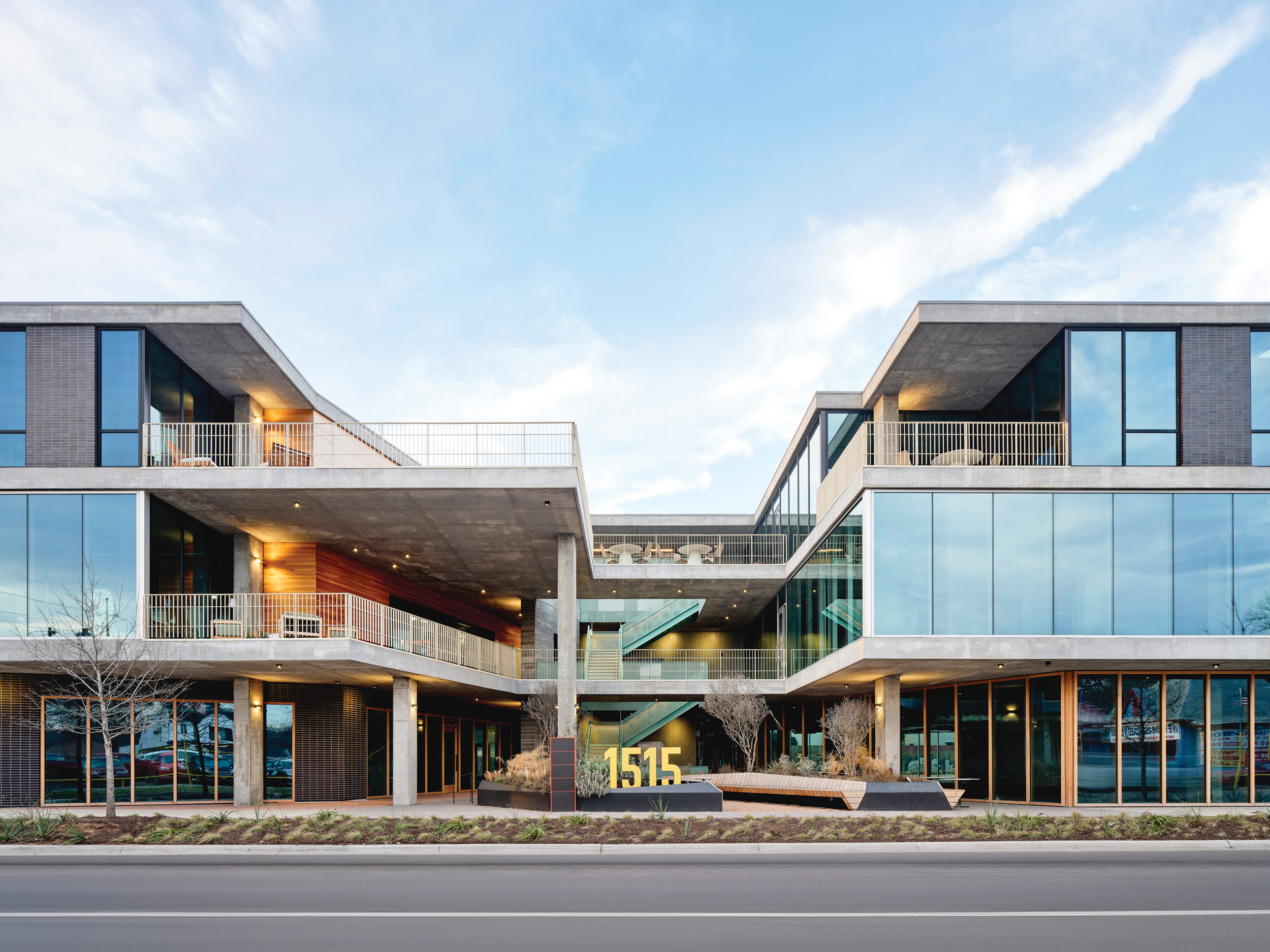
On the corner of East Cesar Chavez and Comal streets in East Austin sits a three-story neo-Brutalist office building, aptly referred to by its address: 1515 E. Cesar Chavez. Completed in 2024, the building is home to the new headquarters of the Texas Society of Architects. Other tenants include the popular coworking space The Malin and Chioco Design—the building’s designers—both located on the ground floor.
Setback balconies punctuate large concrete slabs, the mass engaged in a tense dialogue with a central open space. The structure has a curious entrance: One must “enter” through an open lobby, where an irregular bench occupies the center of the front-facing courtyard, drawing the eye toward a dynamic communal green staircase. Christy Taylor, AIA, the project architect and a partner at Chioco Design, describes the intention behind the 75,000-sf project: “It’s meant to be an Austin office building,” she says. “Not one of those ‘clicky-clacky’ lobbies.”
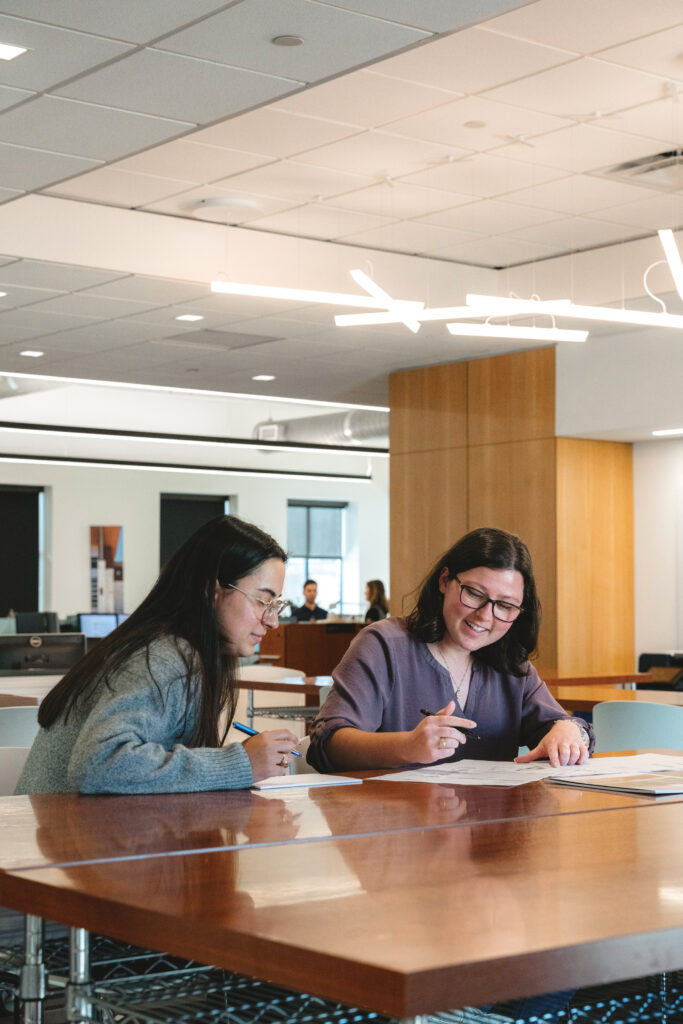
The new TxA office is located on the second floor, directly above Chioco’s workspace. Natural light washes over the interior, complementing warm, tactile materials—craft-based rugs, tweed sofa covers, and leather furnishings. Private offices with glass walls, along with workstations defined by half-height partitions, line the perimeter, flanking multiple
collaborative areas that include worktables and a lounge space. TxA executive vice president and CEO Jennifer Briggs reflects on the move from an older, larger building to a more intimate, collaborative environment.
“The (previous) space was too big, and there were a lot of deferred maintenance needs,” says Briggs. “The company that chose [to buy] it gave a great offer and wanted to restore it instead of tearing it down.” She notes how important it is to architects to care for older buildings, a sentiment she shares despite not having an architectural background. “The older building was spread over two floors, so sometimes entire days would go by, and we wouldn’t run into each other. Now there are more impromptu conversations.”
Taylor also emphasizes how the building was designed to foster this kind of social web. She describes the decision to reject a traditional switchback stair in favor of one that requires occupants to circulate around exposed steps, encouraging awareness of their surroundings and cultivating a neighborhood-like atmosphere among the various workspaces. A large green wall rises from the basement and runs alongside the stair to the top floor, with board-formed concrete planters gradually filling the vertical garden bed and making the journey between floors a pleasant one.
“We put a few green options in front of the developer, and they chose this one,” says Taylor, elaborating on the aesthetic decisions behind this portion of the building. “The developer thought there needed to be communal spaces that pop—real ‘wow’ moments. The stairs are like a fun ribbon, and then there’s a giant heavy wall that comes down. It’s a nice place to throw a party.”
Guided by a fluid, post-COVID approach to work, the balconies have become active spaces in their own right, all oriented toward the courtyard that anchors the building both socially and programmatically. Briggs notes how the layout has altered daily routines, encouraging energy in the office and casual connection. Even ahead of its formal open house in January, the building was already functioning as intended—less a static office and more a framework for community.

Mahnoor Fatima is a writer and multidisciplinary designer from Austin. She currently runs her practice at Studio Mahfa.

Supporting Ecological Evolution in the Anthropocene
A Home Designed for the Decades
An Argument for Creative Reuse Over Preservation
A Historic Structure Updated for Next-Gen Commerce
Expanding a 1930s Bungalow for a Modern Family
Evolving the Profession for a Changing World
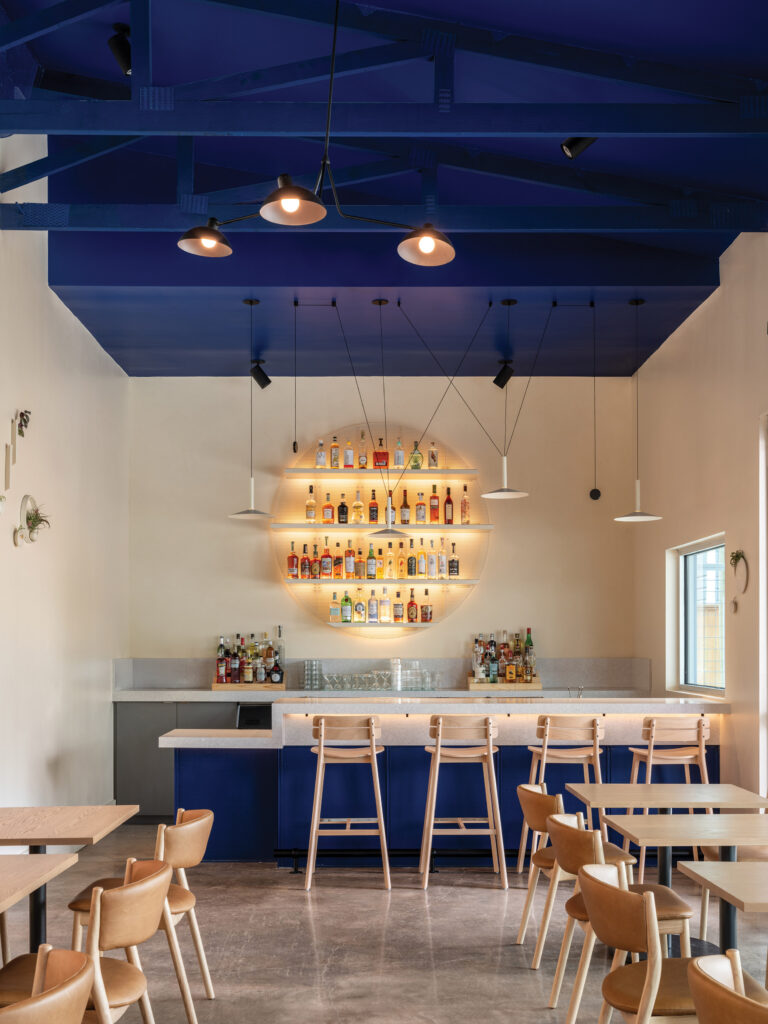
A Houston Garage Remade as a Culinary Destination
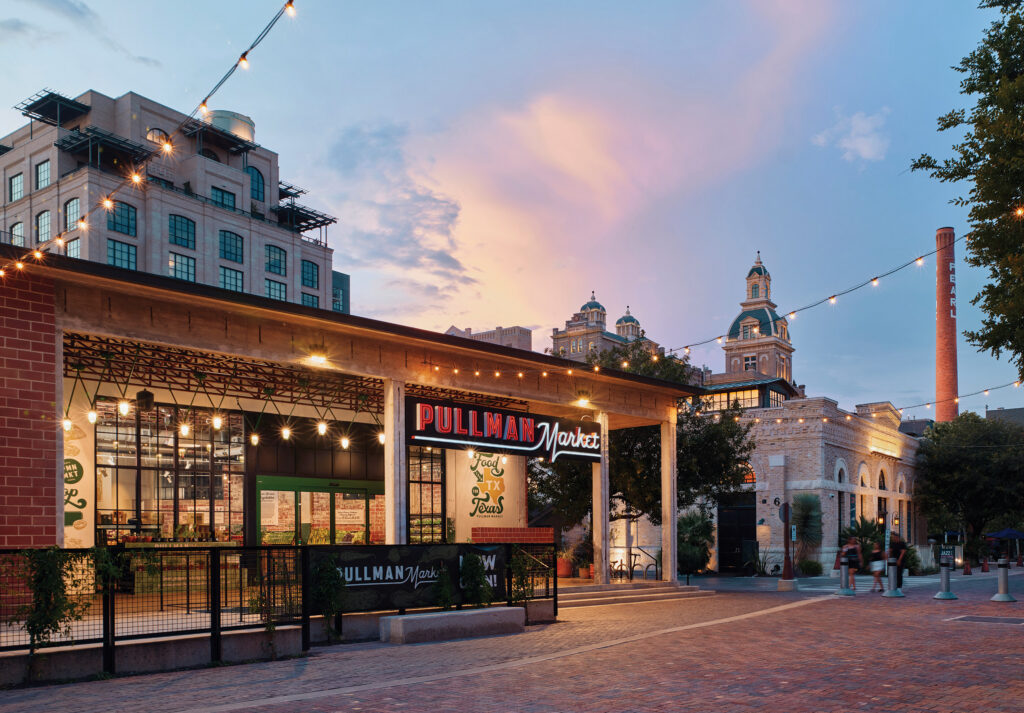
Adaptive Reuse at Pullman Market
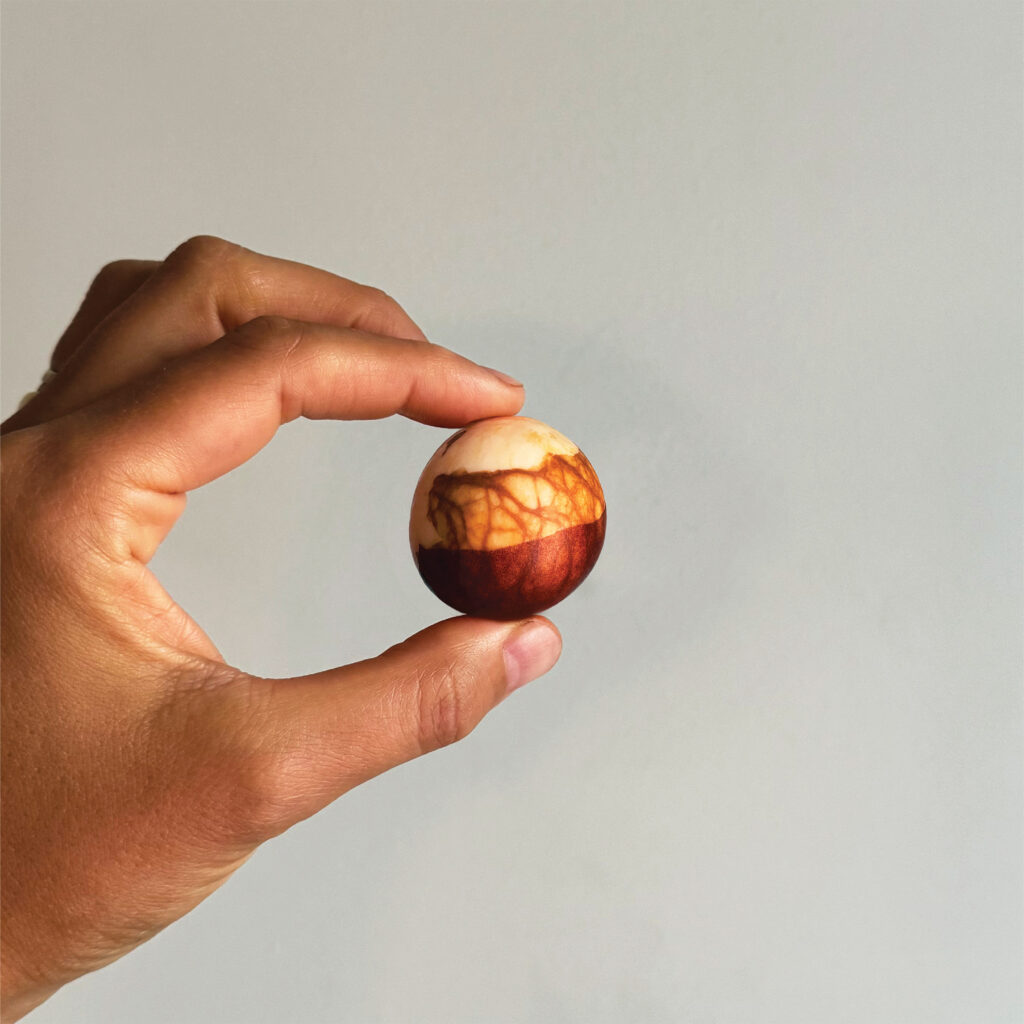
Building With Fruit Waste Matter
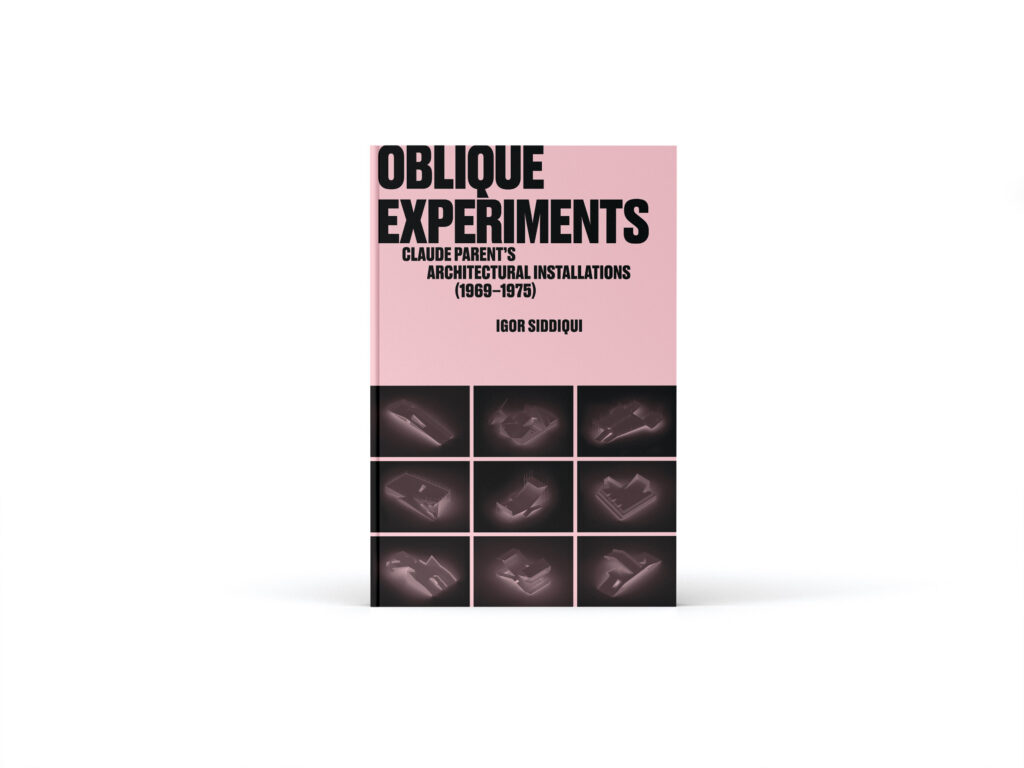
Oblique Experiments
Igor Siddiqui
Applied Research & Design, 2025
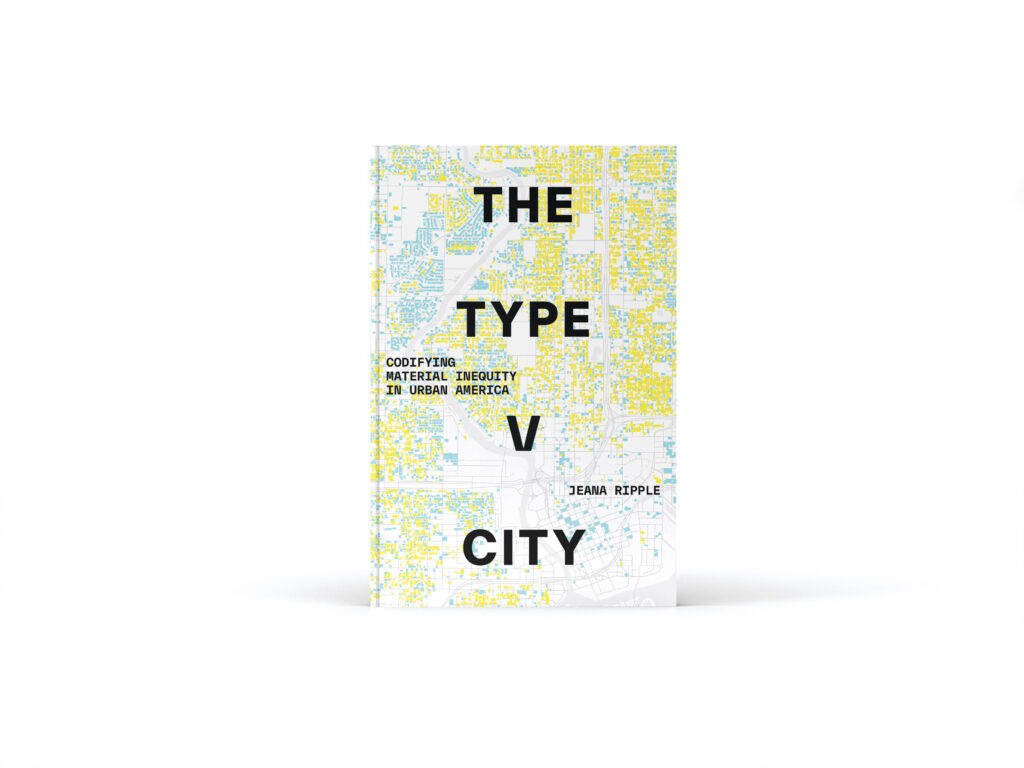
The Type V City: Codifying Material Inequity in Urban America
Jeana Ripple
University of Texas Press, 2025
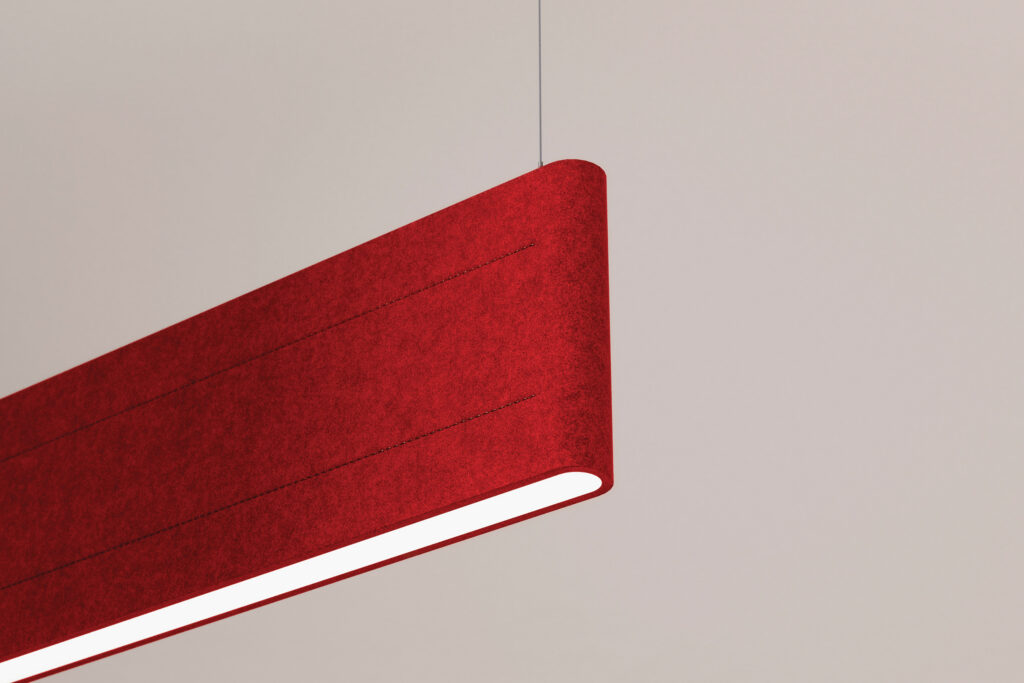
These new LED lighting fixtures for spaces from tabletops to stairwells offer flexible illumination for residential and commercial spaces.