Oct 22, 2026
Some of the most meaningful moments of recognition are not our own. They come when someone we admire is celebrated…
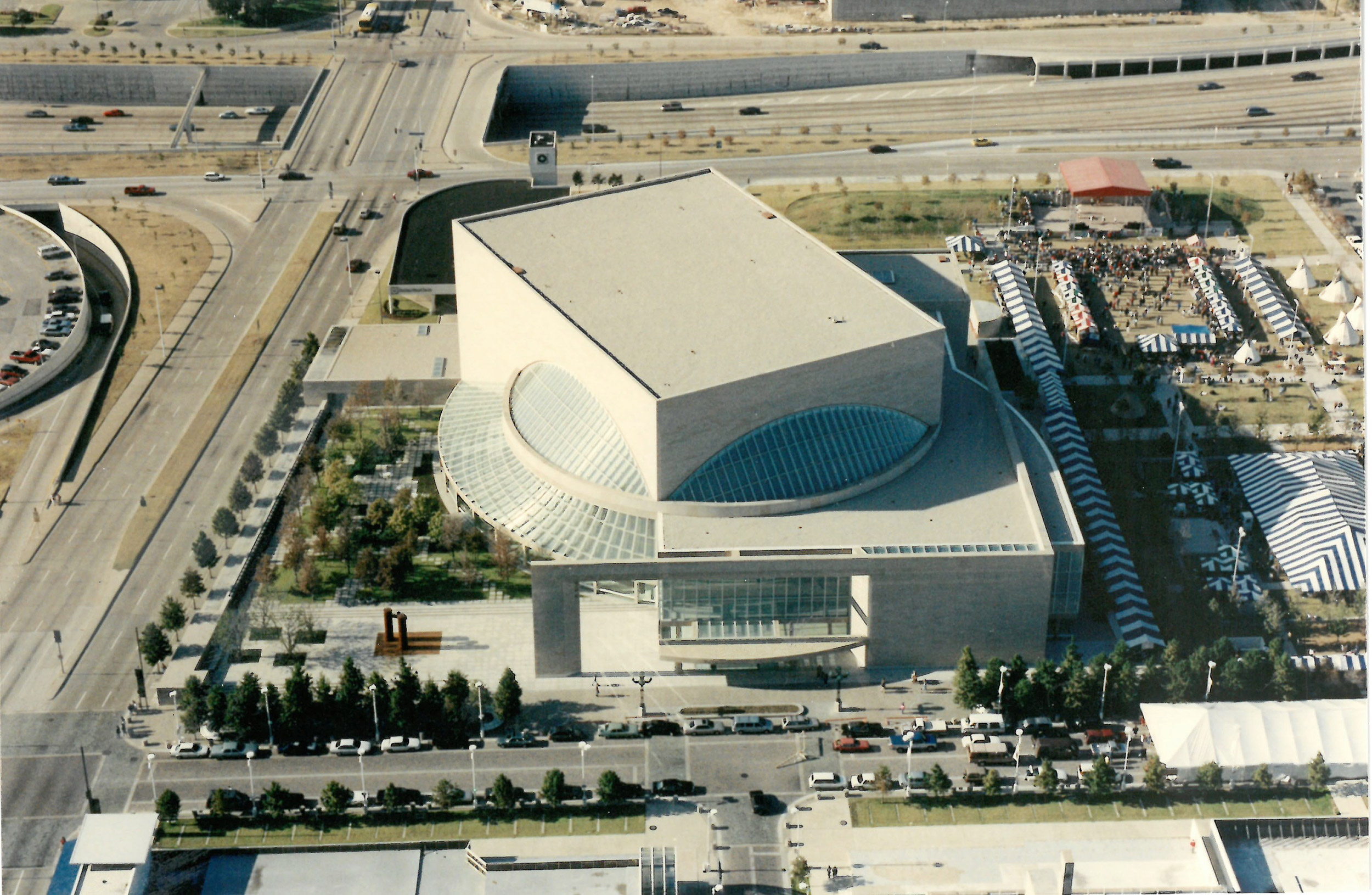
Architecture is rarely judged on opening day. Buildings earn their reputations slowly, as they are tested by time, use, and the changing needs of the communities they serve. The Texas Society of Architects’ 25-Year Award recognizes projects that have demonstrated enduring architectural significance and lasting value to their communities. This year, the Society has singled out the Morton H. Meyerson Symphony Center in Dallas for this honor.
Since opening, the Meyerson, designed by I. M. Pei and Partners, has become one of Texas’s most enduring civic institutions. Home to the Dallas Symphony Orchestra and a cornerstone of the Dallas Arts District, its influence extends well beyond the concert hall.
“For more than 36 years, the Morton H. Meyerson Symphony Center has been a wonderful home for the Dallas Symphony Orchestra, but it’s also far more than that—it has become one of the defining cultural landmarks of our city,” says Michelle Miller Burns, president and CEO of the Dallas Symphony Orchestra.
Completed in 1989, the Meyerson was the only concert hall realized by the Pritzker Prize–winning Pei. The architect reimagined the traditional shoebox concert hall by rotating it 26 degrees from the street grid and embracing it on three sides with a curving glass lobby. Its limestone and glass exterior established a distinctive civic presence while helping catalyze the growth of the Dallas Arts District, now the nation’s largest contiguous urban arts district. As Pei explained at the building’s opening: “It starts with the concept. The building should look like it is based on the music.”
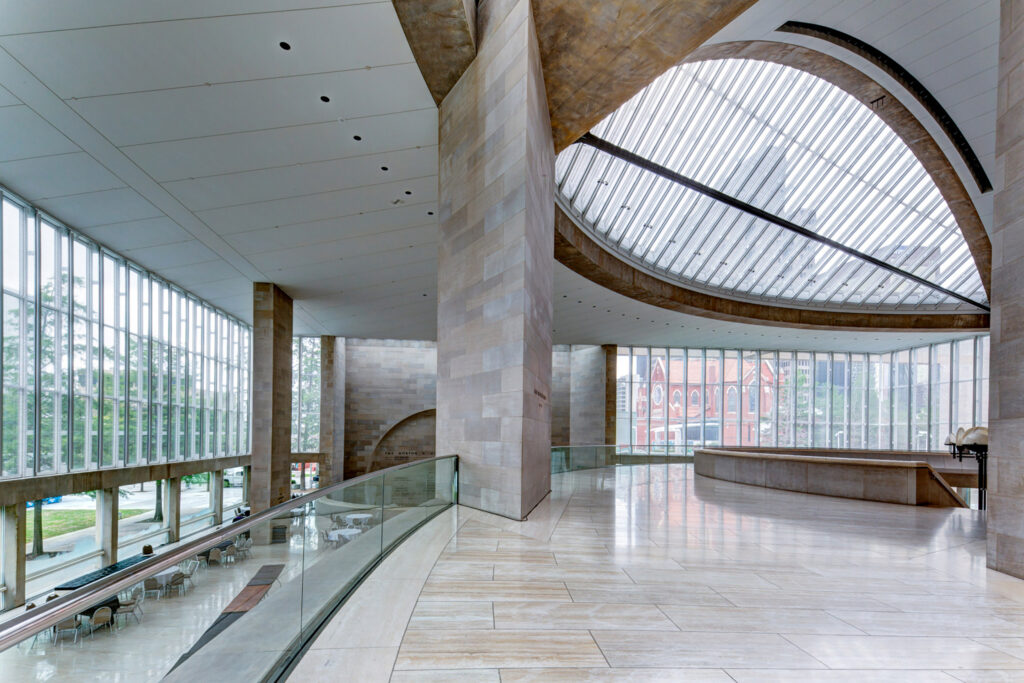
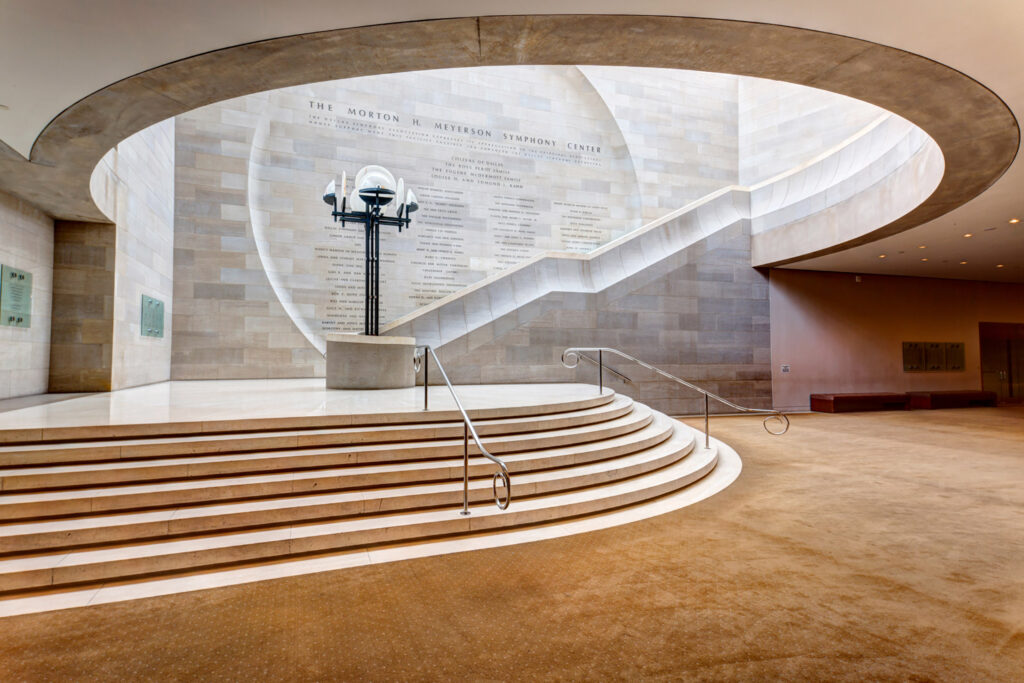
That ambition extended well beyond appearance. From its inception, the Meyerson was conceived as an instrument for performance. Working alongside acoustician Russell Johnson and structural engineer Leslie E. Robertson, Pei led a remarkable collaboration that united architecture, engineering, and acoustics into a single design. The Eugene McDermott Concert Hall incorporates a 42-ton adjustable acoustic canopy, hidden reverberation chambers that expand the hall’s acoustic volume, and motorized curtains that allow performances to be tuned to different musical programs. The result is a concert hall with acoustics consistently ranked among the world’s finest and a level of technical sophistication that remains extraordinary decades after its completion.
The building’s technical ambition extended to its construction. Its sweeping conoidal glass wall required hundreds of uniquely shaped panes and represented one of the most sophisticated curtain wall systems of its era. Early computer modeling informed both the facade’s complex geometry and the hall’s acoustic performance, demonstrating how emerging digital technologies could serve architectural design without diminishing craftsmanship. The Meyerson stands as a reminder that innovation succeeds most fully when advanced engineering disappears into architecture.
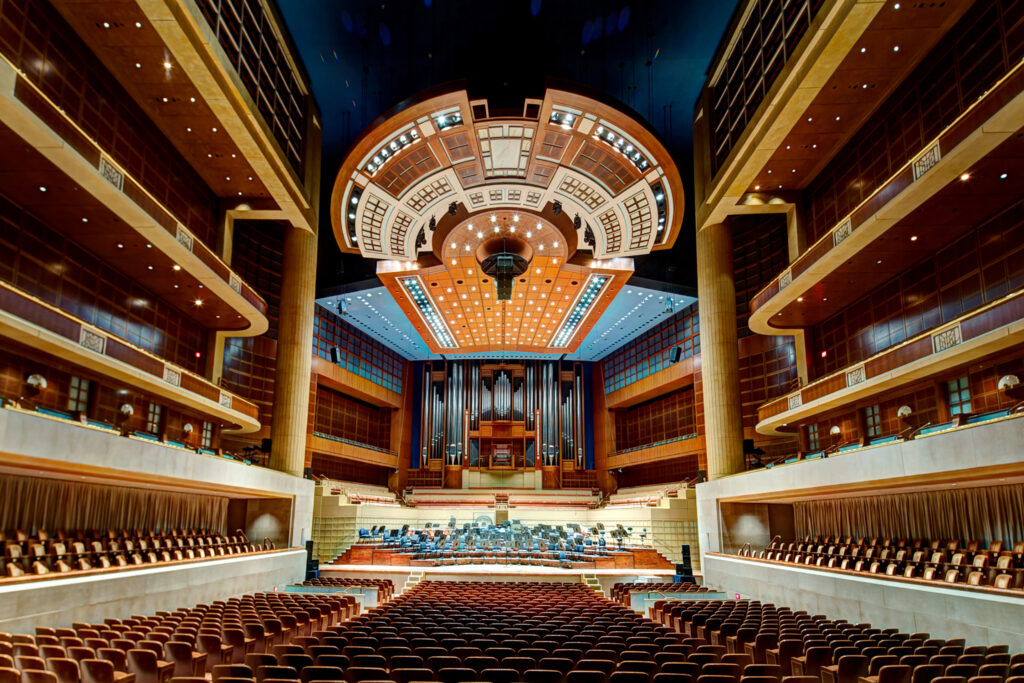
Monumentality, however, was never the project’s sole ambition. Pei understood that a symphony hall spends far more hours welcoming visitors than hosting performances. The soaring lobby—its curving walls washed in Texas daylight filtering through the great glass facade—became the building’s true civic room. Broad staircases, generous terraces, and flowing circulation spaces transform the arrival sequence into an experience of its own. Visitors linger before concerts, schoolchildren gather for tours, and patrons drift toward the glass overlooking the Arts District. The transition from city to concert is gradual rather than abrupt, turning architecture into a quiet prelude to performance. Rich materials—including terrazzo, cherry wood, and onyx—soften the rigor of the building’s geometry, creating spaces that feel simultaneously ceremonial and welcoming.
That generosity of space has allowed the Meyerson to evolve alongside the city it serves. While designed first and foremost as a concert hall, it has accommodated everything from state visits and civic ceremonies to educational programs and community gatherings. Its continued relevance stems not from reinventing itself, but from fulfilling its original purpose with remarkable flexibility—a testament to architecture conceived broadly enough to embrace both the extraordinary and the everyday.
The Meyerson’s impact can also be measured at the urban scale. When Dallas began planning its Arts District in the late 1970s, civic leaders envisioned a concentrated cultural center that would redefine downtown. Sasaki Associates’ master plan depended upon a handful of anchor institutions capable of establishing both architectural identity and public momentum. Alongside the Dallas Museum of Art, the Meyerson became one of those defining projects.
The building also reflects a distinctly Texan model of civic collaboration. Its realization depended upon an unprecedented partnership between public investment and private philanthropy, including Ross Perot’s pivotal donation honoring his colleague Morton Meyerson, who spent nearly a decade guiding the project through fundraising, political debate, and construction. That collective effort is reflected in the building itself.
Buildings earn the 25-Year Award not simply by surviving, but by remaining relevant. The Meyerson fulfills that standard through constant use, hosting more than 300 concerts and events each year while welcoming millions of visitors for performances, educational programs, civic ceremonies, and events presented by numerous arts organizations. As Burns observes, the hall has helped establish Dallas “as a destination for the performing arts,” reflecting the city’s enduring commitment to “creativity, innovation, and excellence.”
Like all great buildings, the Meyerson revealed its significance over time. At its opening, critics understandably focused on the dramatic form and remarkable acoustics. Today, its greatest achievement may be less tangible. The building has become so thoroughly embedded in Dallas’s civic identity that it is difficult to imagine the city without it. It has outlived changing architectural fashions while remaining unmistakably contemporary—a reminder that enduring architecture depends less on novelty than on clarity of purpose, careful craftsmanship, and generosity toward public life.
The Morton H. Meyerson Symphony Center exemplifies the ideals of the Texas Society of Architects’ 25-Year Award. More than three decades after opening night, it remains architecturally distinguished, acoustically unparalleled, and culturally indispensable. Its lasting success affirms a simple truth about architecture’s highest ambitions: The greatest buildings do more than define a skyline. They become inseparable from the civic life they help create. As Burns says, today the Meyerson “remains a source of immense civic pride and continues to inspire everyone who walks through its doors.”

Murrye Bernard, AIA, LEED AP BD+C, is a North Texas–based architecture writer and licensed architect.





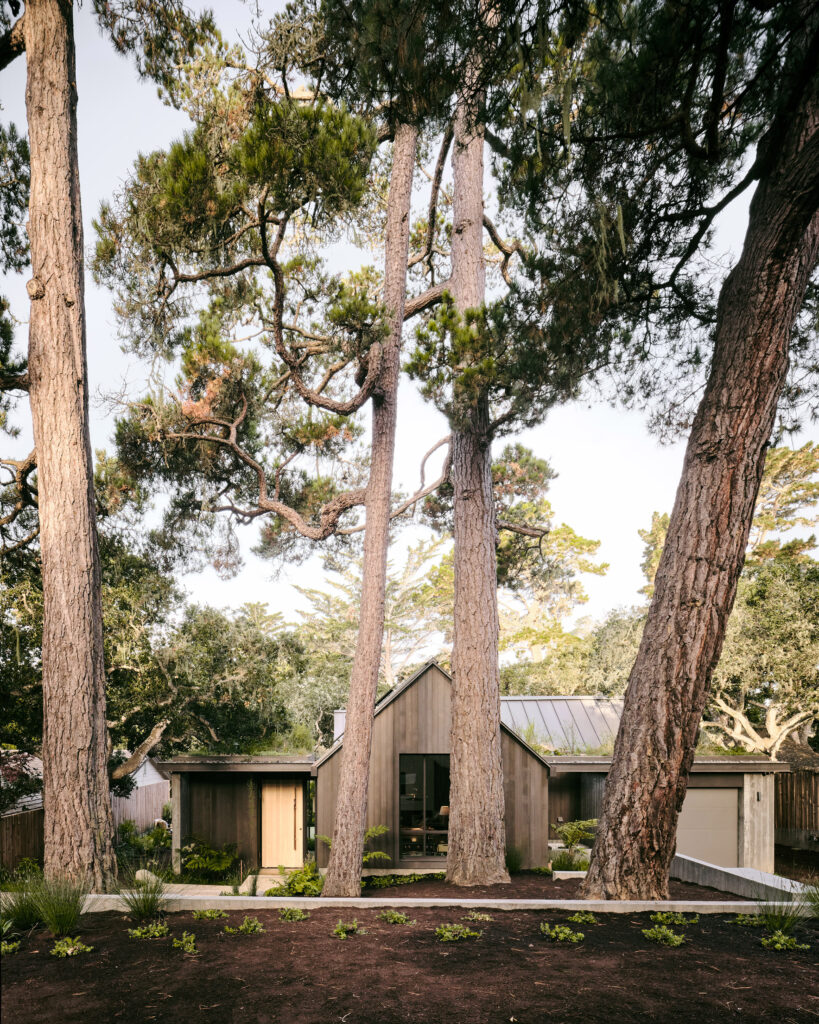
Jobe Corral Architects
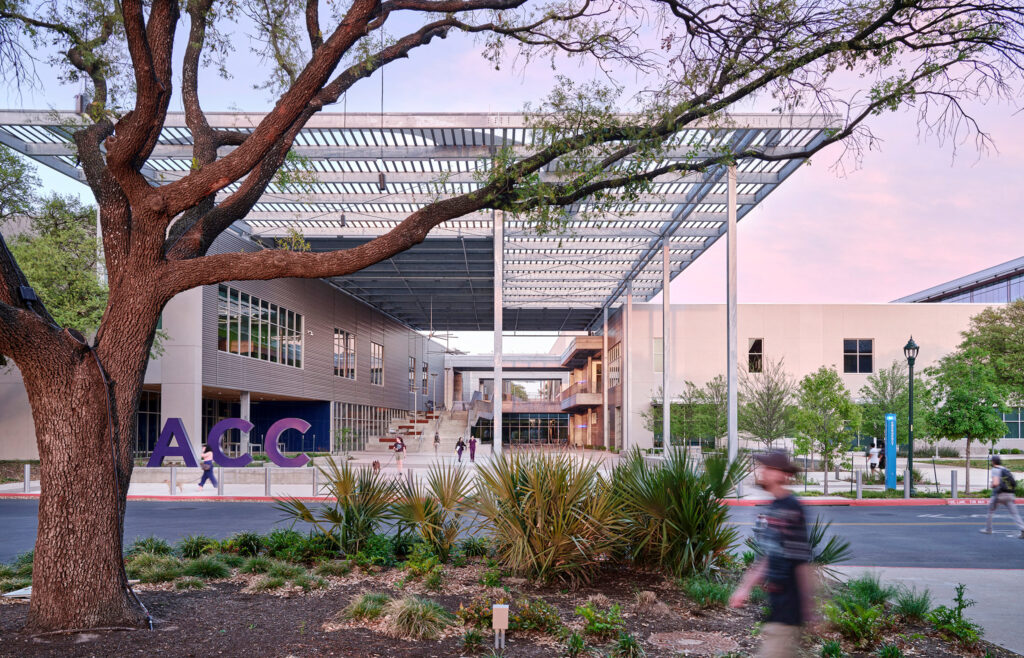
BGK Architects + Perkins&Will
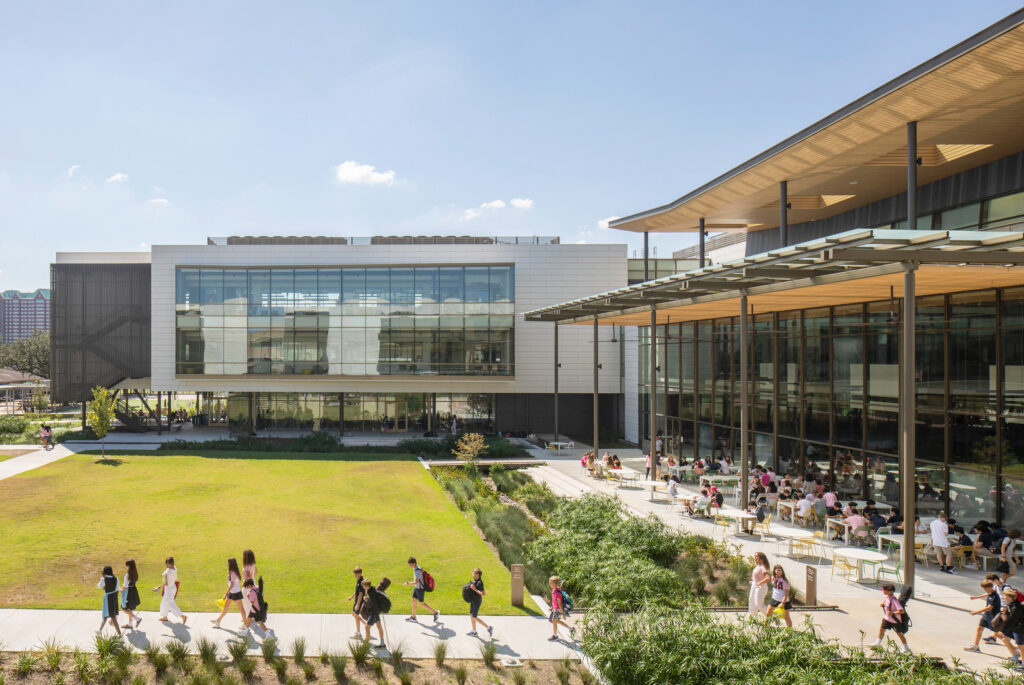
Lake Flato Architects
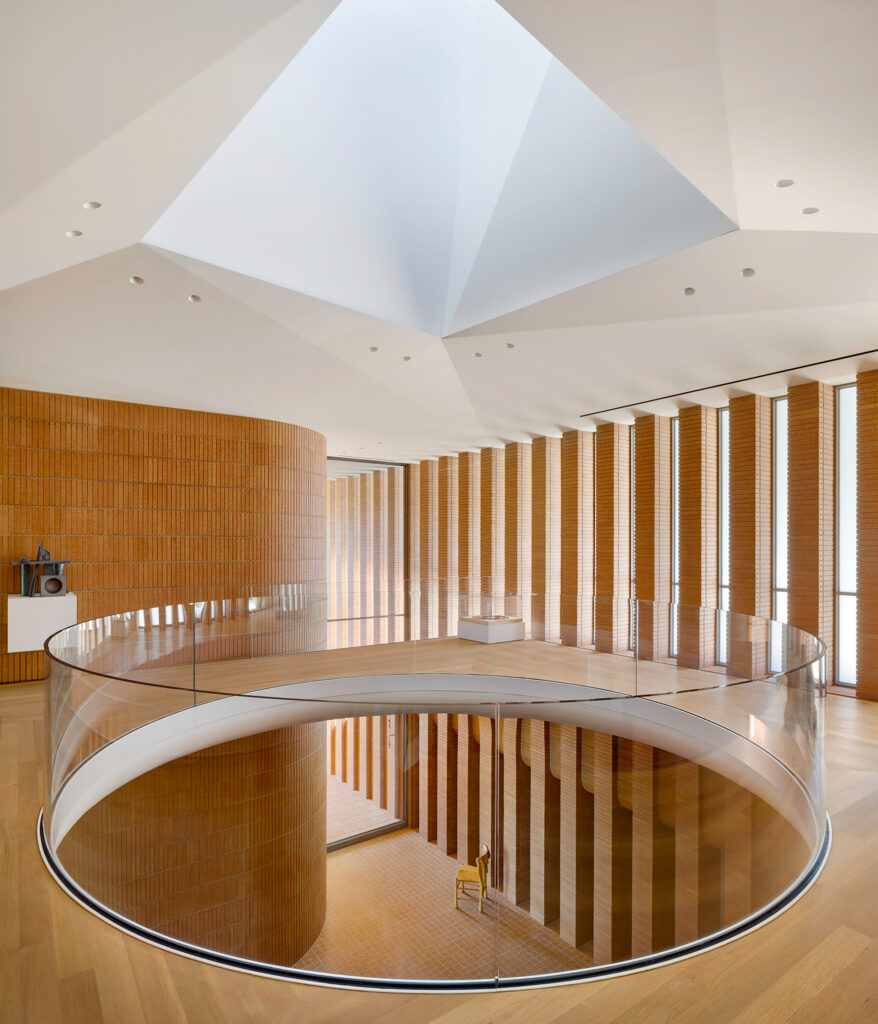
Miró Rivera Architects
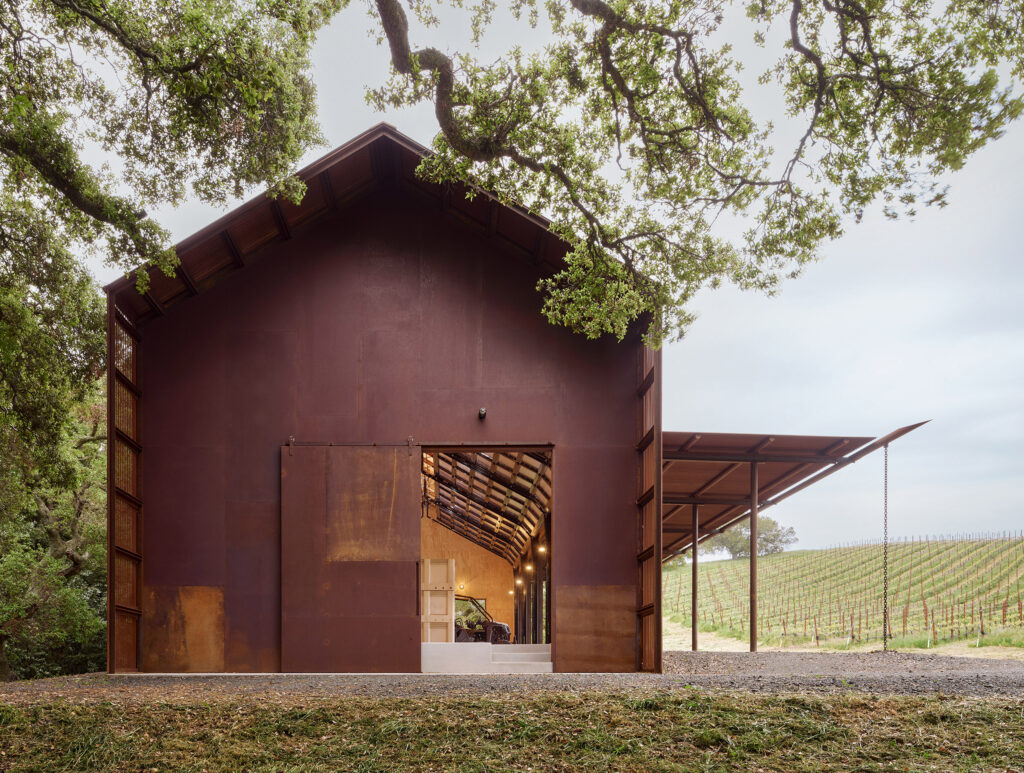
Clayton Korte
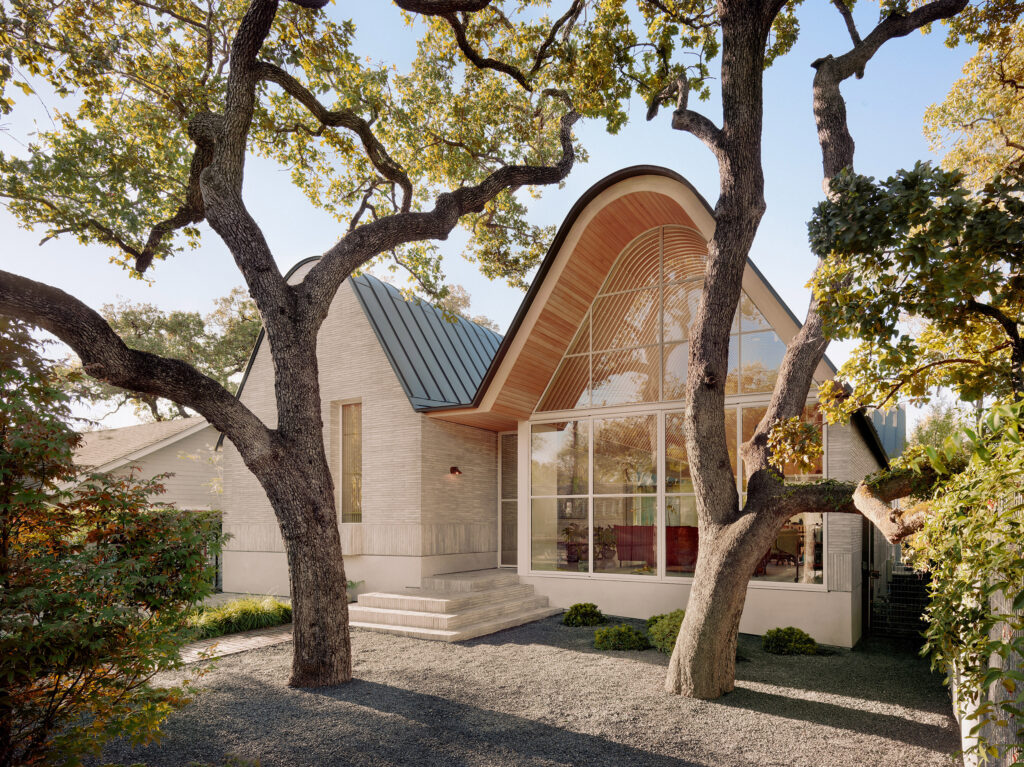
Michael Hsu Office of Architecture
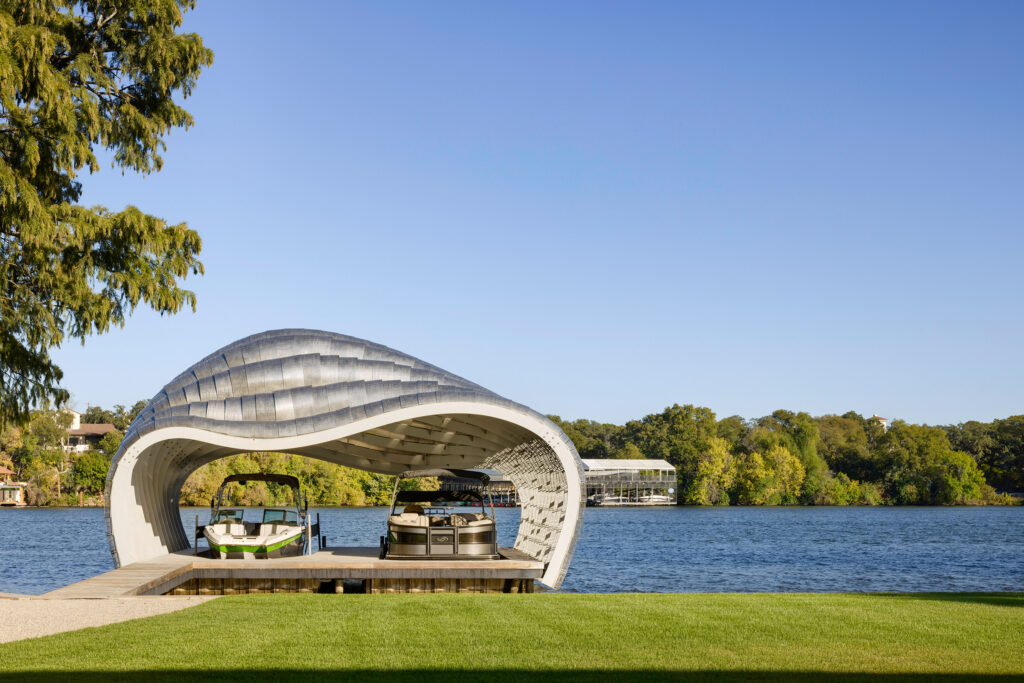
Miró Rivera Architects
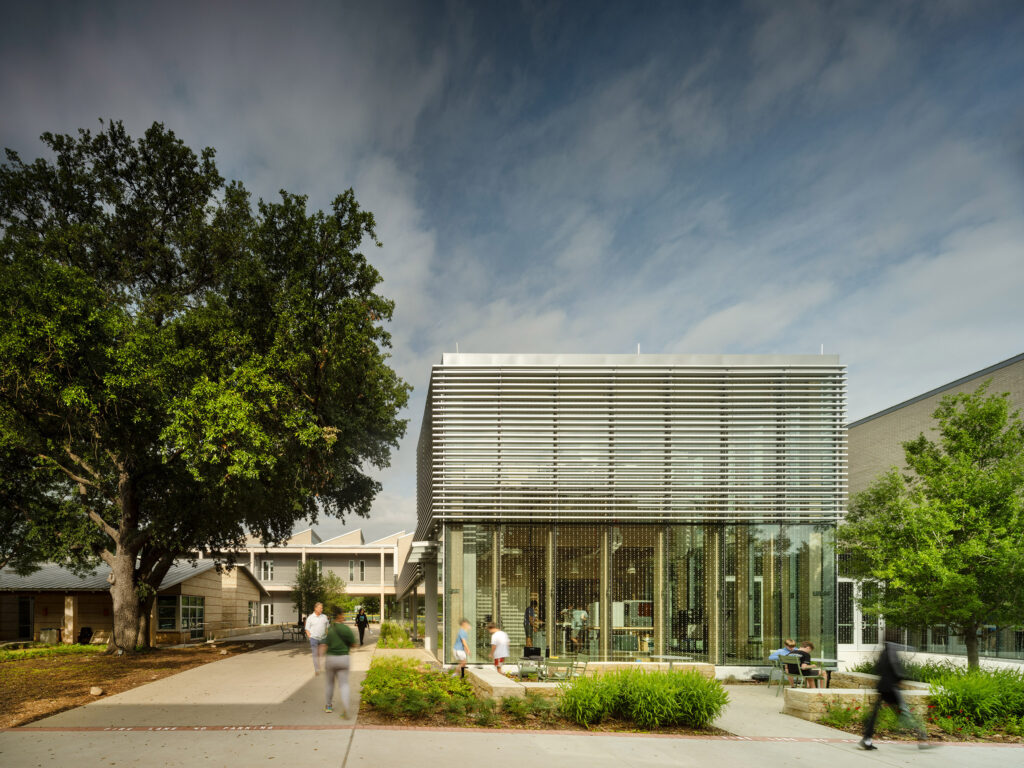
Bohlin Cywinski Jackson
Lake Flato Architects
Perkins&Will
Agenda Architecture
Marlon Blackwell Architects
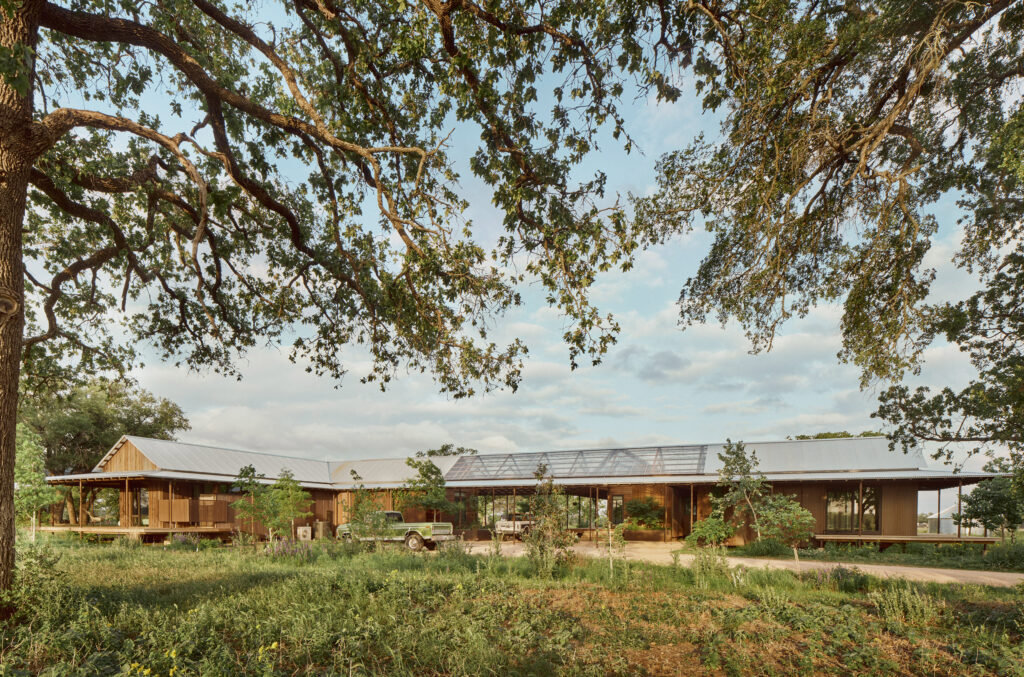
Baldridge Architects
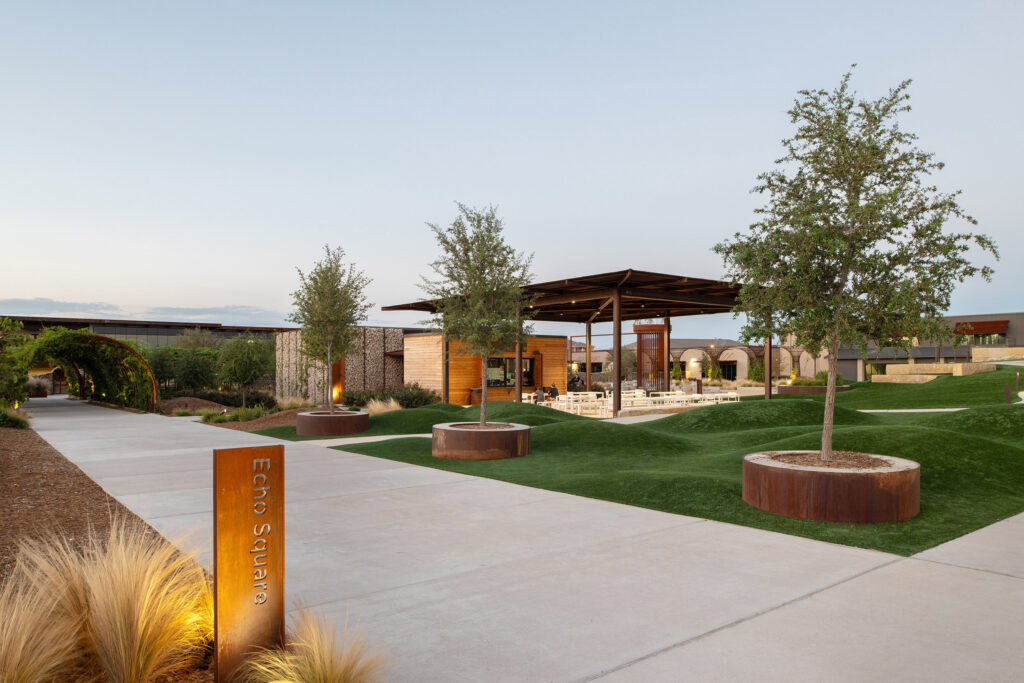
RWA
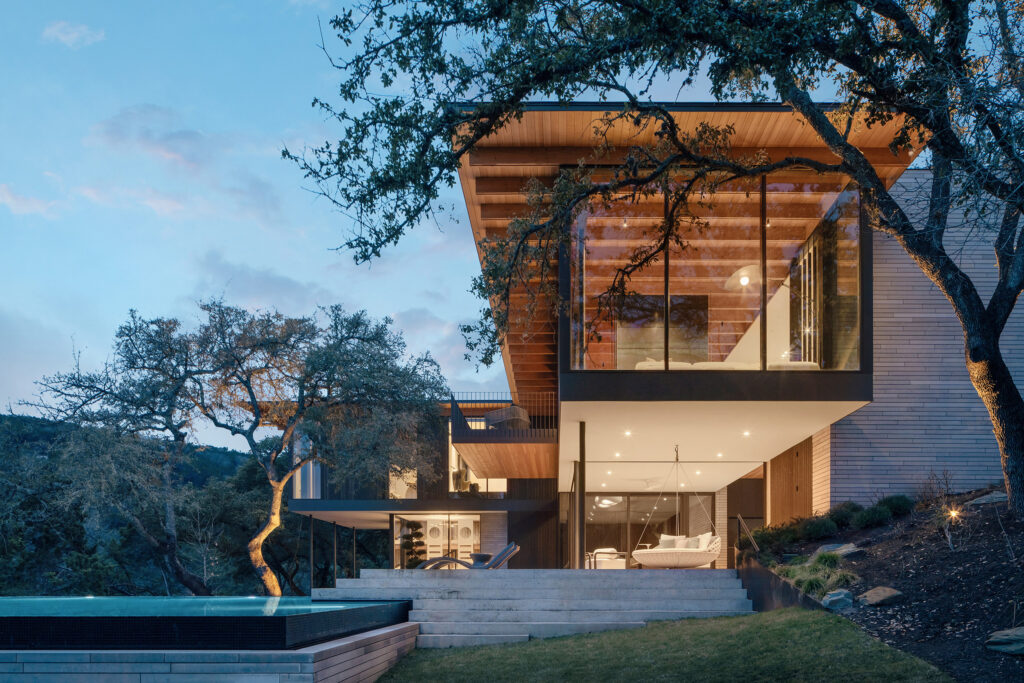
A Parallel Architecture
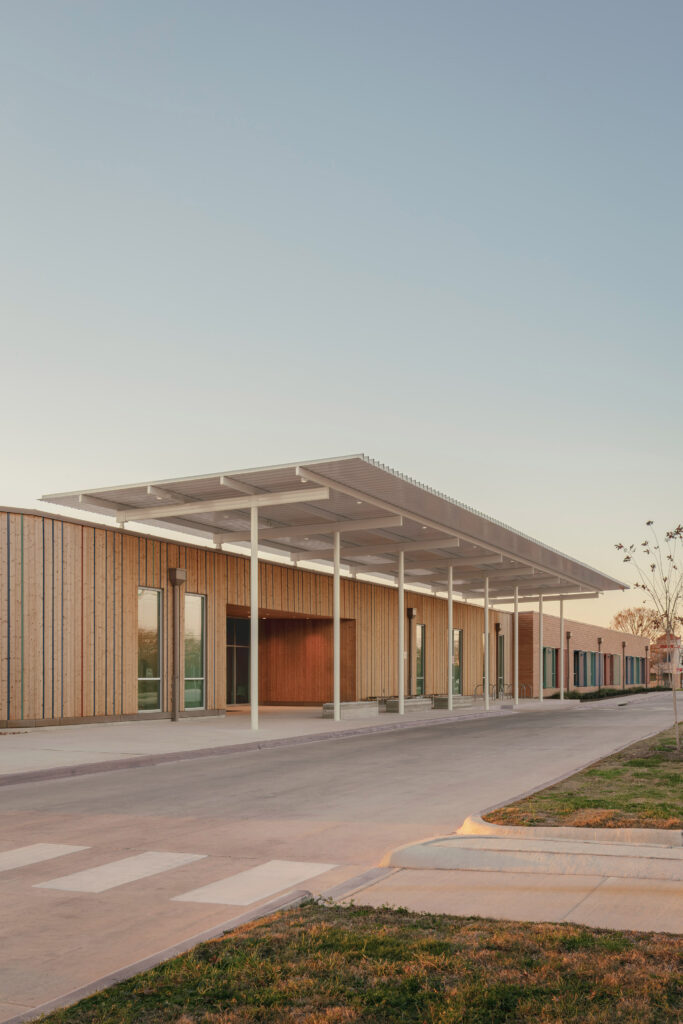
LPA Design Studios
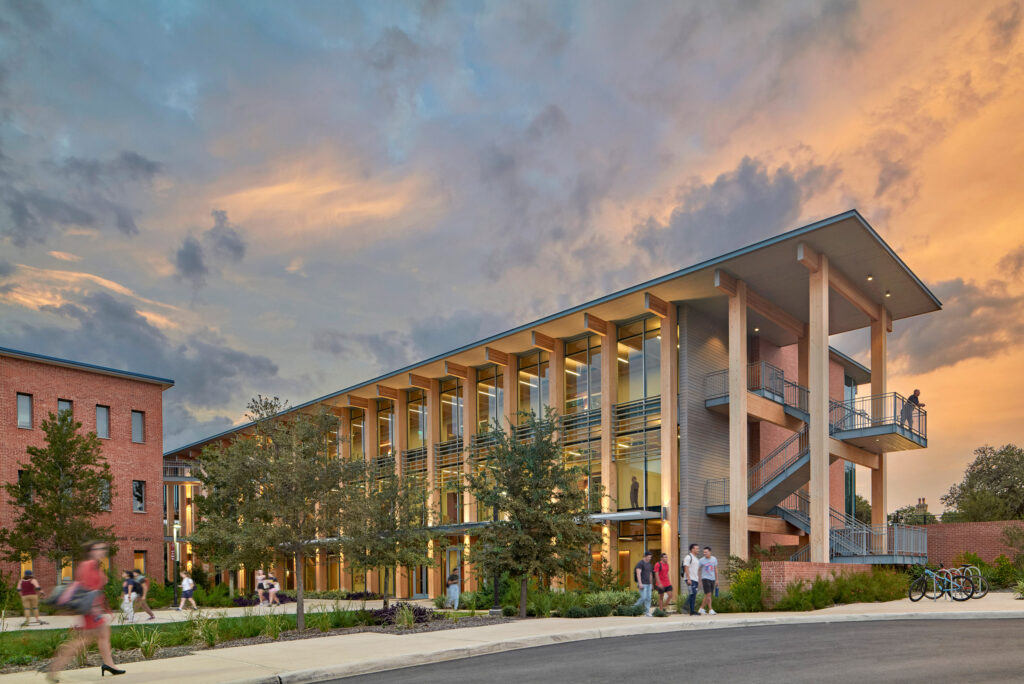
Lake Flato Architects
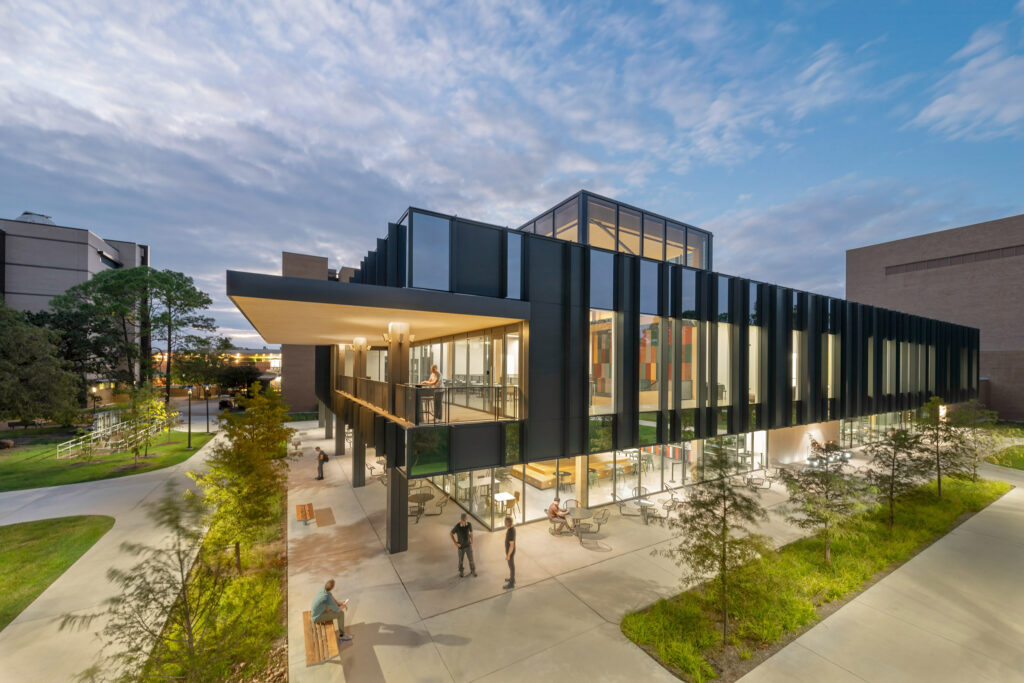
Perkins&Will
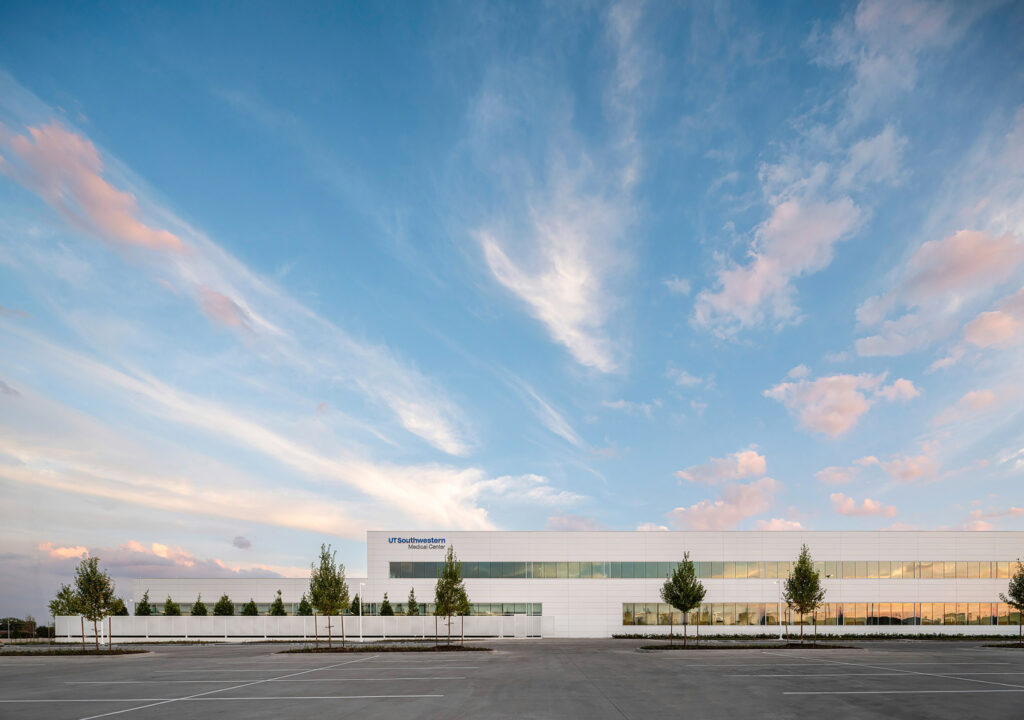
Perkins&Will
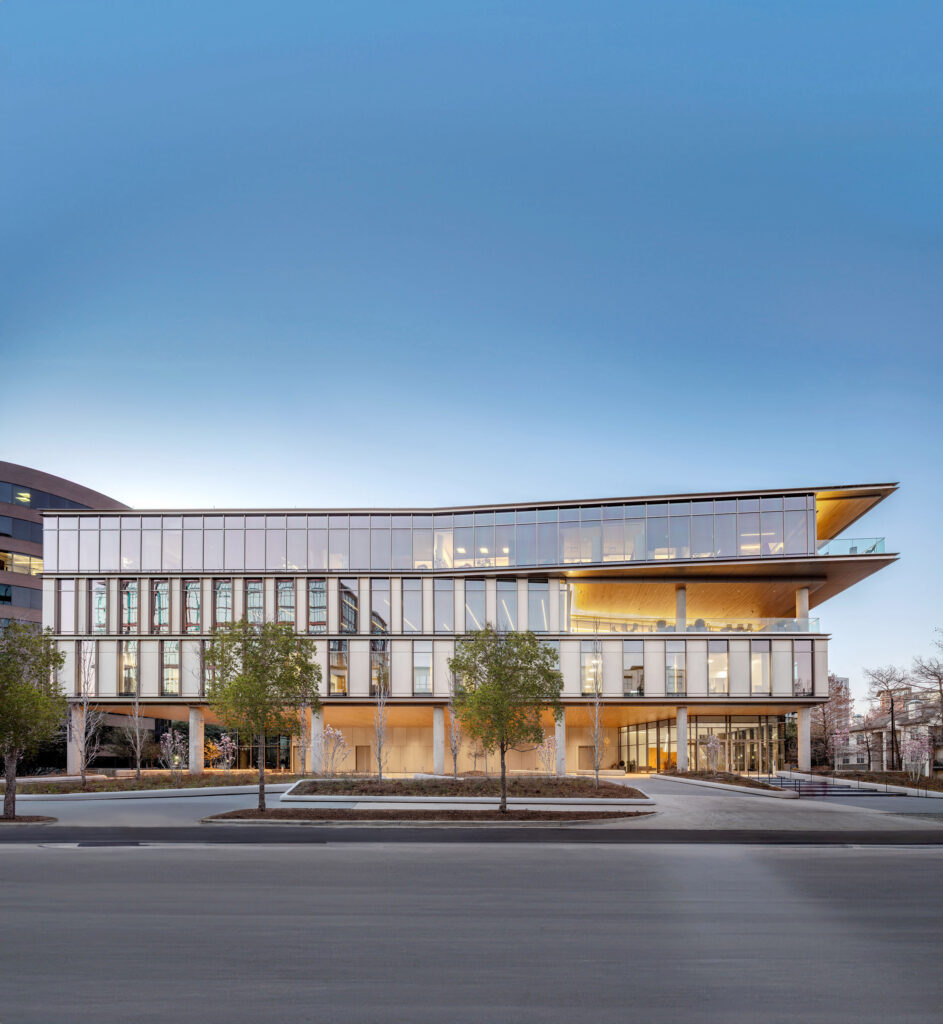
Beck Architecture
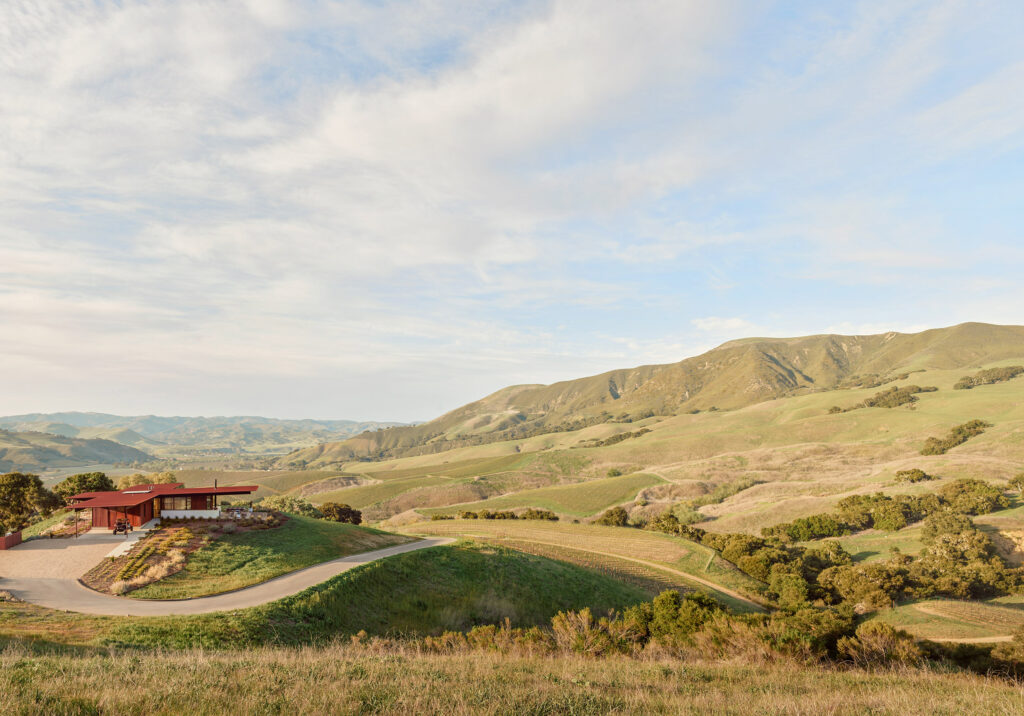
Clayton Korte

Louis I. Kahn: The Last Notebook
Louis I. Kahn, edited by Sue Ann Kahn
Lars Müller Publishers, 2024

In this issue, we highlight a few of the “Best in Show” products from this year’s trade events, including the Kitchen & Bath Industry Show in Orlando, NeoCon in Chicago, and Clerkenwell Design Week in London.