Oct 22, 2026
Some of the most meaningful moments of recognition are not our own. They come when someone we admire is celebrated…

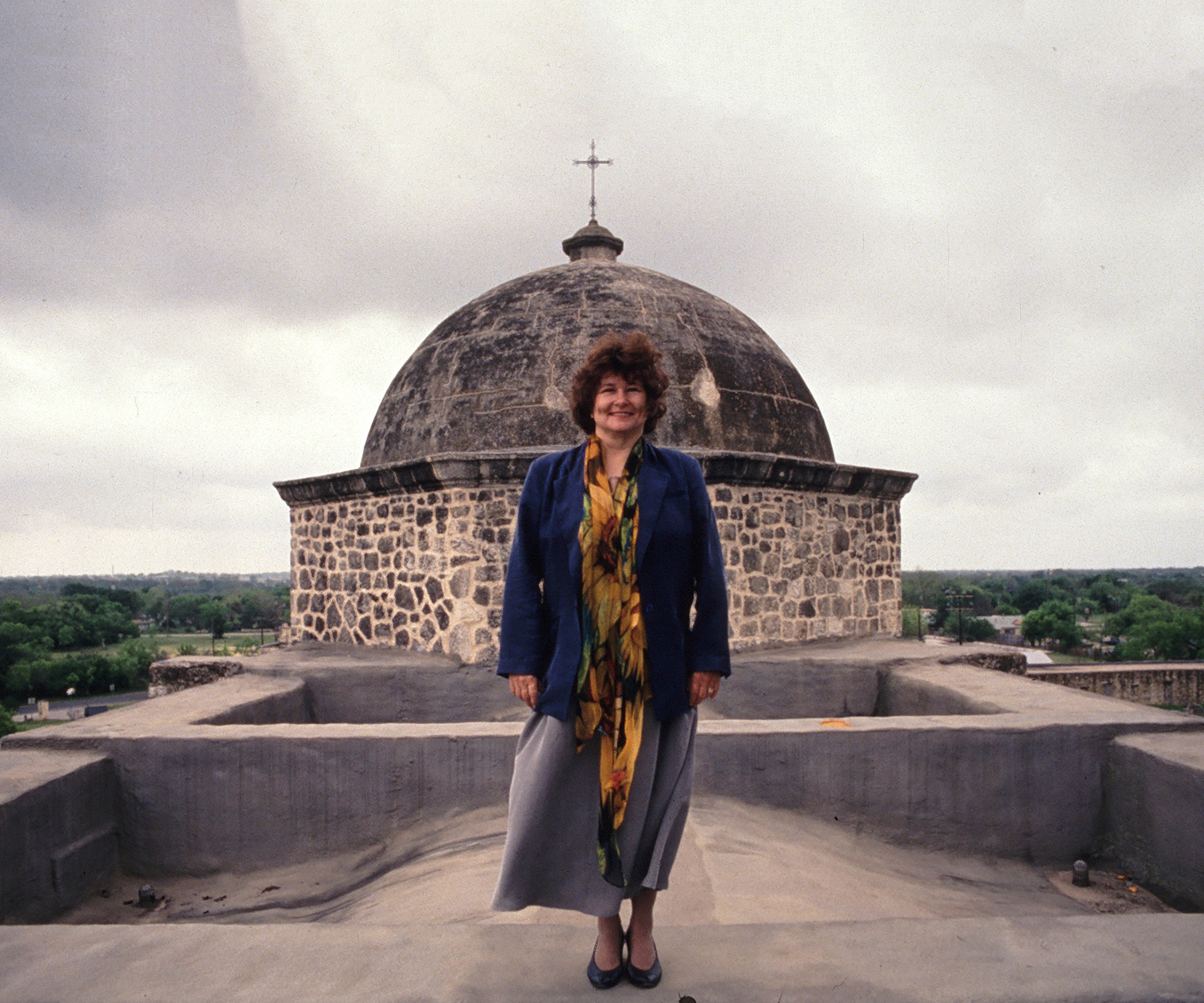
Carolyn Peterson, FAIA, a principal emeritus with Ford, Powell & Carson Architects (FPC), passed away at her home in San Antonio on March 25, 2026. No other architect, perhaps, is as synonymous with preservation in Texas as Peterson. Her portfolio, spanning seven decades, is a veritable catalog of the state’s iconic landmarks, including the Alamo, the San Antonio Missions, and the Texas Capitol.
Peterson did not begin her career with a mind toward preservation. After studying architecture at the University of Texas at Austin in the early 1960s, Peterson and several of her classmates, including her husband, Jack, moved to San Antonio to work under the esteemed O’Neil Ford. In 1966, Ford tasked Peterson with overseeing the restoration of Mission San Juan Capistrano, a choice that proved pivotal for her career. The success of that project marked the beginning of a more than 50-year association with the missions encompassing dozens of projects, large and small, for the Archdiocese of San Antonio. Peterson also spent nearly four decades overseeing preservation efforts for the Alamo. Through this work, she developed an unmatched understanding of San Antonio’s unique Spanish Colonial built heritage.
Peterson’s deep respect for and delight in craft—be it an 18th-century stone carving on Mission San José or a new ceramic sculpture by artist Diana Kersey—was readily apparent to those who worked with her. While undoubtedly fostered by her early training with O’Neil Ford, her broad knowledge of historic building systems and materials grew from what she saw as an obligation to care sympathetically for historic buildings. Collaboration with skilled craftspeople, conservators, and specialist consultants was a cornerstone of Peterson’s approach to preservation practice. “Carolyn taught us to build a relationship with the craftspeople we work with because they are the best teachers for building and material preservation,” said Allison Chambers, AIA, a principal at FPC.
Peterson forged a path in the field before there were many opportunities for formal education in preservation. She had to learn on the job and developed a hard-won confidence over the course of many decades. Yet her methodology was never “dogmatic,” according to Jeffrey Fetzer, FAIA, who worked with Peterson for many years at FPC. “It was more ‘let’s see about doing it this way,’” he said. She approached each project as a continual conversation about what was best for the building. She could be stubborn, as many who worked with her can attest, but she was equally eager to learn about new ideas and practices in the field.
Beginning in 1989, Peterson served as lead preservation architect for the seven-year restoration of the Texas Capitol building. The mammoth project kept many of the architects and designers in the office busy for years, with frequent deadlines and late nights. In a recent conversation, Matt Morris, FAIA, who worked at FPC at that time, noted Peterson’s rare leadership style. “She was pretty tough,” recalled Morris. Yet even during stressful times, she consistently strove to “make it fun and interesting and hold us together,” he added. Her regular supply of fresh cookies helped sustain morale.
In the 1990s, Peterson led preservation efforts at several Texas county courthouses, including those in Bexar, Caldwell, Hays, and Maverick counties. In 2009, she and FPC were selected to lead the restoration of the Texas Governor’s Mansion following a severe fire due to arson. Other prominent projects in her portfolio include multiple buildings in Galveston’s historic Strand district, the Driscoll Villa in Austin, and the San Fernando Cathedral and Crockett Hotel in San Antonio.
While preservation defined the bulk of her career, Peterson was also a talented designer, watercolorist, and ceramicist, as well as an avid collector of orchids. For many years, she served as FPC’s director of design, encouraging the firm’s younger architects and designers to think more critically about context, materiality, scale, and form. Diane Hays, FAIA, who worked at FPC in the early 1990s, noted Peterson’s ability to convey important lessons on “the right materials [and] the right details” for each project. She was generous in sharing knowledge gained from practice. Outside the office, she served the profession in leadership roles in the American Institute of Architects, the Texas Society of Architects, the Conservation Society of San Antonio, and AIA San Antonio, which elected her its first woman president in 1987.
Peterson became a principal at FPC in 1979 and was the first and only woman in that role for the better part of three decades. Her career also included several other firsts in the traditionally male-dominated field. She was elevated to the AIA College of Fellows in 1991, becoming the first woman in Texas to receive the distinction. She was inducted into the Texas Women’s Hall of Fame in 2008. The following year, Peterson became the 41st recipient of TxA’s Medal for Lifetime Achievement in Honor of Llewellyn W. Pitts, FAIA. For 40 years, the honorees had all been men, making Peterson once again a pioneer for Texas women.
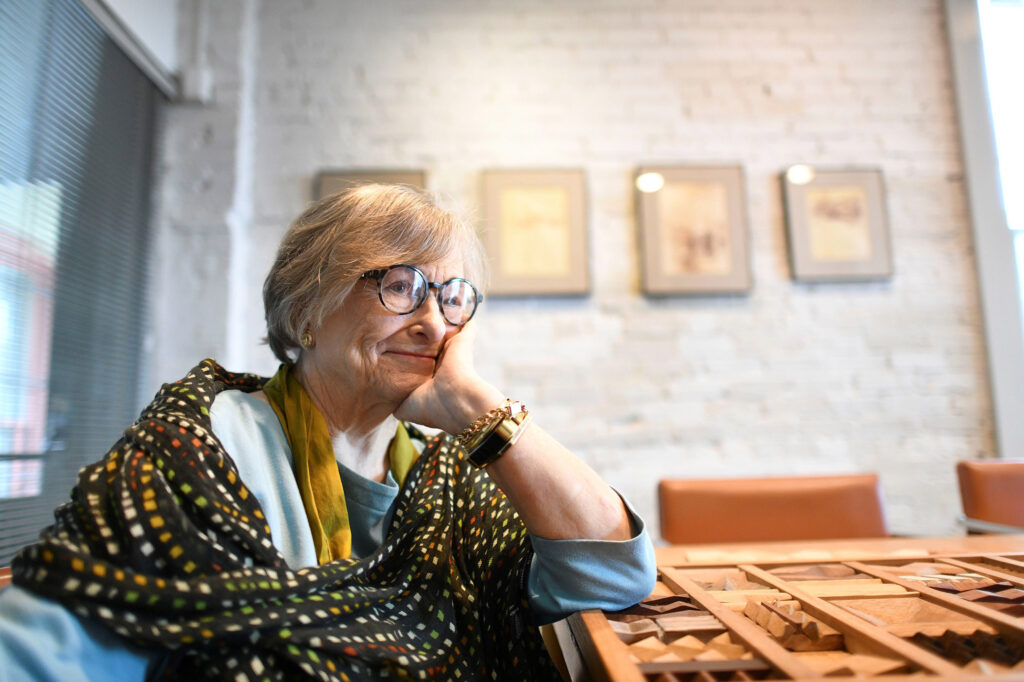
In 2023, TxA recognized her again, this time fittingly awarding her its O’Neil Ford Medal for Design Achievement. Despite all her professional accolades, Peterson retained the kind of professional unpretentiousness necessary to thrive in preservation practice. She took on the restoration of a humble farmhouse on a shoestring budget with as much enthusiasm as a multimillion-dollar rehabilitation of a far grander structure. Her dedication and passion for the historic built fabric of Texas is something we can all be grateful for.
Peterson retired from practice in 2022. Two years prior, she helped FPC become a women-owned business. Today, two of Peterson’s mentees, preservation architects Rachel Wright, AIA, and Allison Chambers, AIA, are firm principals.
I was also fortunate to call Peterson my mentor. Twenty years ago, she offered me a position assisting her with a project at the Alamo. At the time, I had just finished an undergraduate art history degree, unsure of my next steps. She opened my eyes to the joy of caring for historic buildings and encouraged me to further my education in architectural history and preservation. Peterson mentored and inspired dozens of colleagues and emerging professionals in her long career, and she remains a role model for many. Fran Gale, former senior lecturer and conservation scientist at the University of Texas at Austin School of Architecture, remarked that Peterson “was a real trailblazer,” one whose legacy “continues to be an inspiration for women in historic preservation.”
Peterson is survived by her sister, Gwendolyn Reinke, her daughter Kristen Peterson Pelsor, and two grandchildren. Her husband and fellow architect, Jack H. Peterson, to whom she was married for over six decades, passed away on August 26, 2026.










Jobe Corral Architects
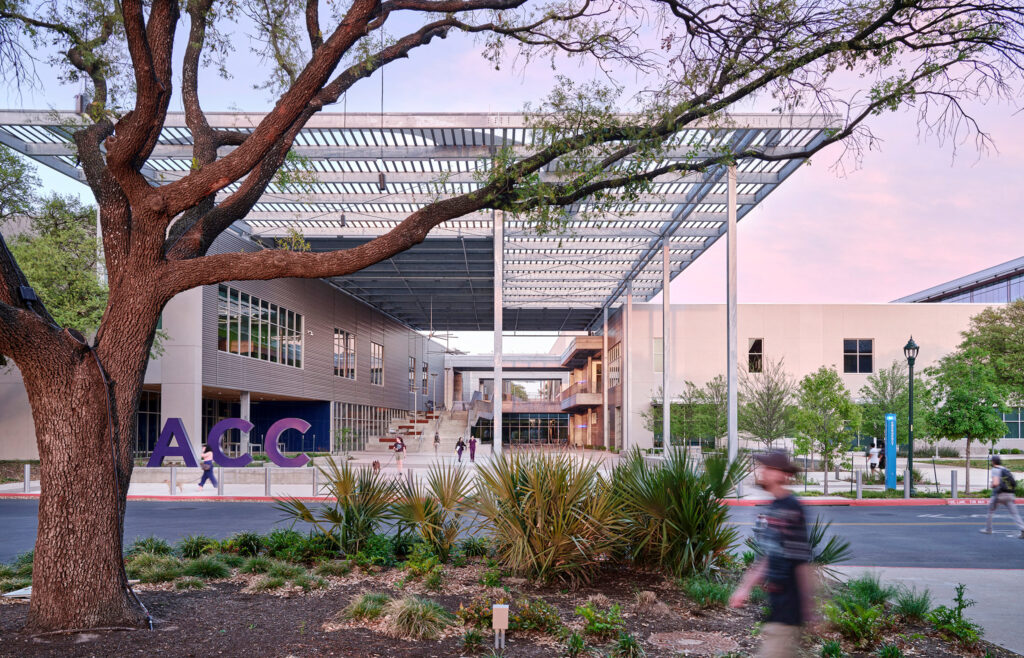
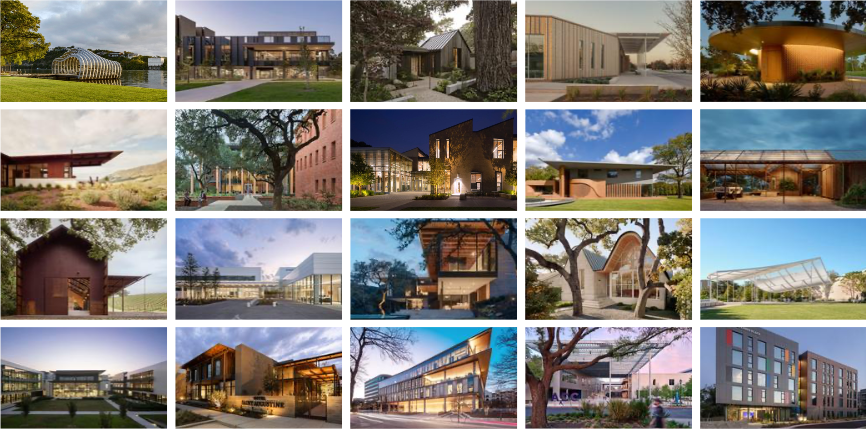
BGK Architects + Perkins&Will
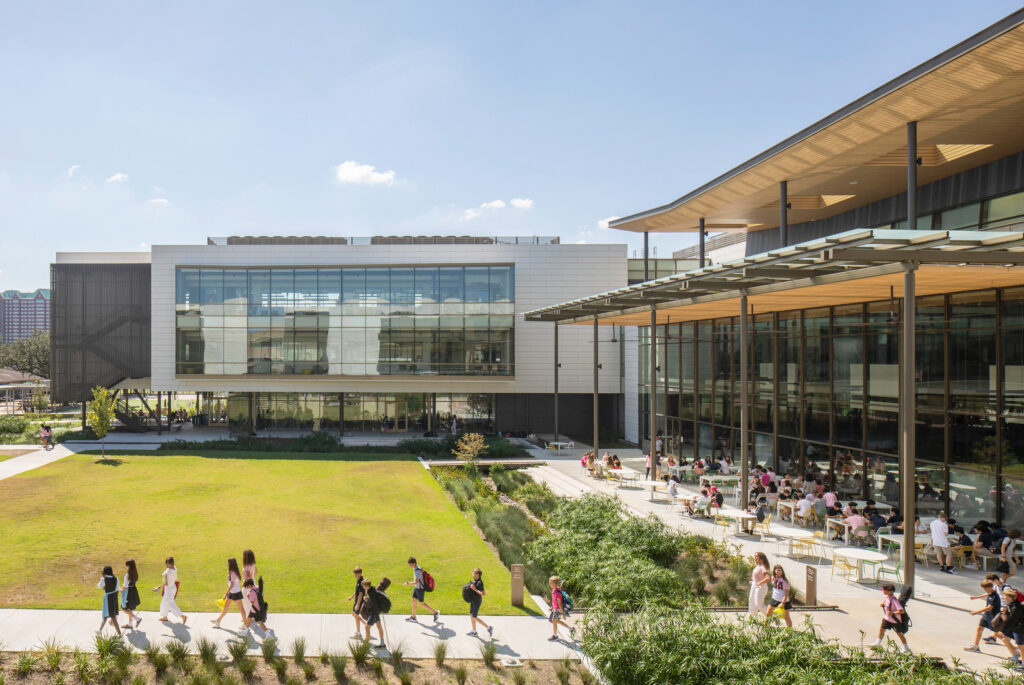
Lake Flato Architects
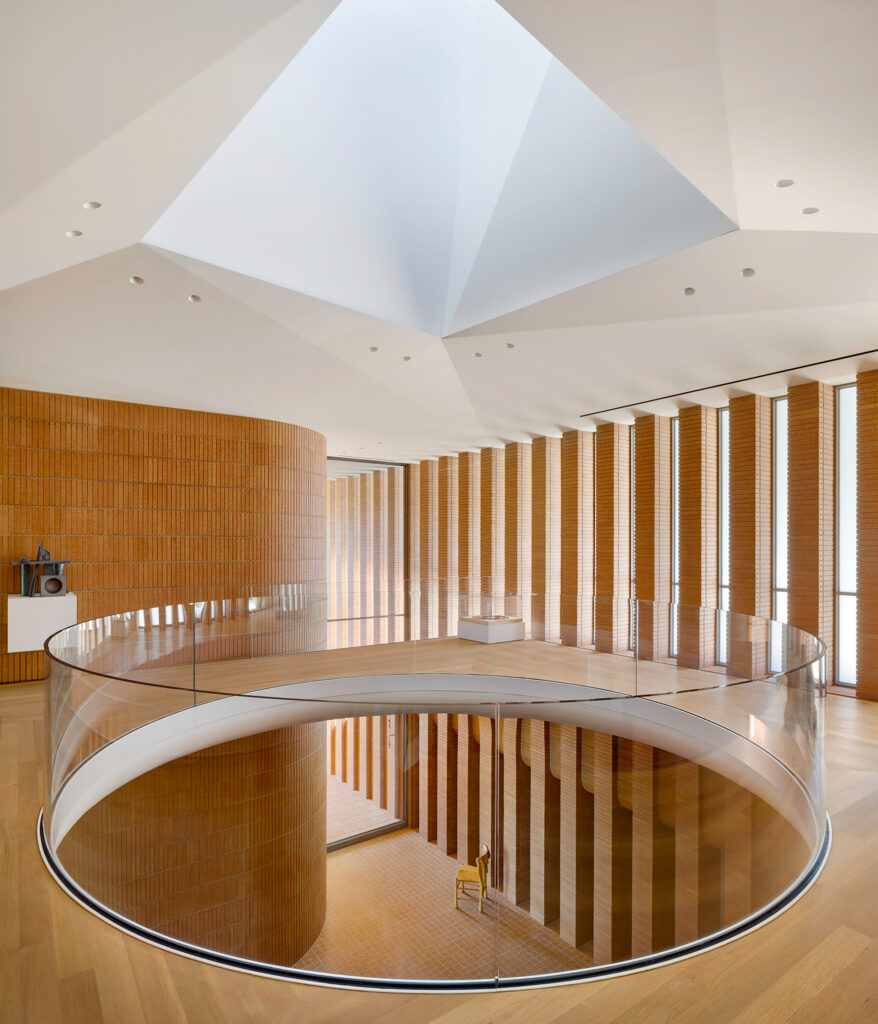
Miró Rivera Architects
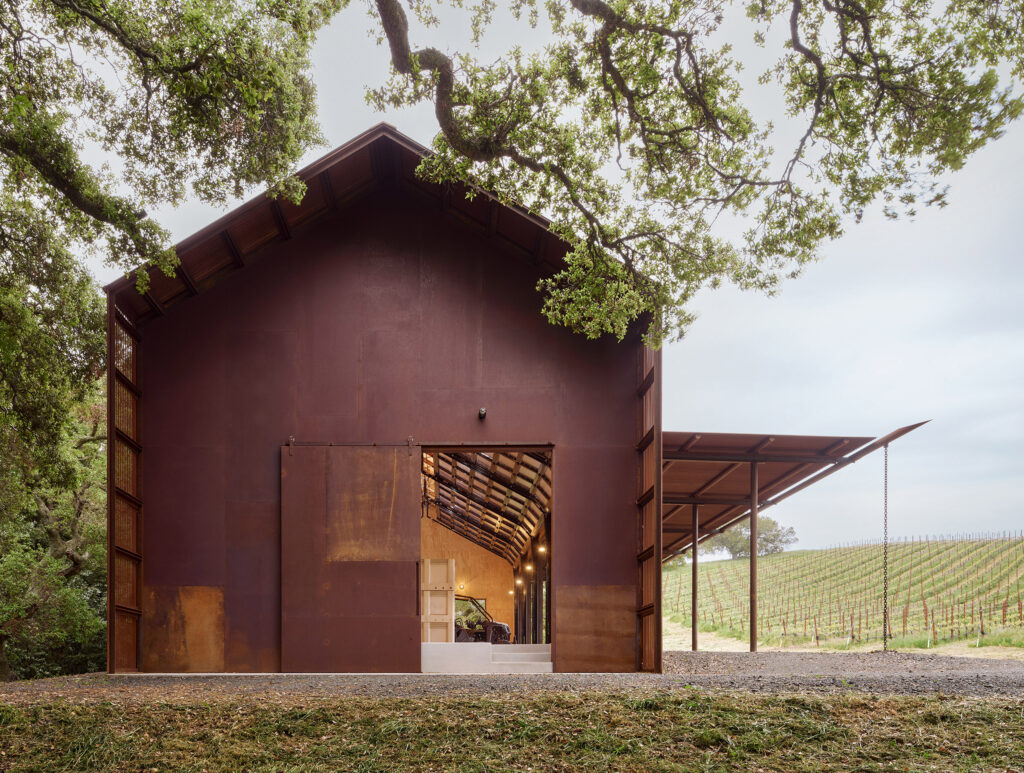
Clayton Korte
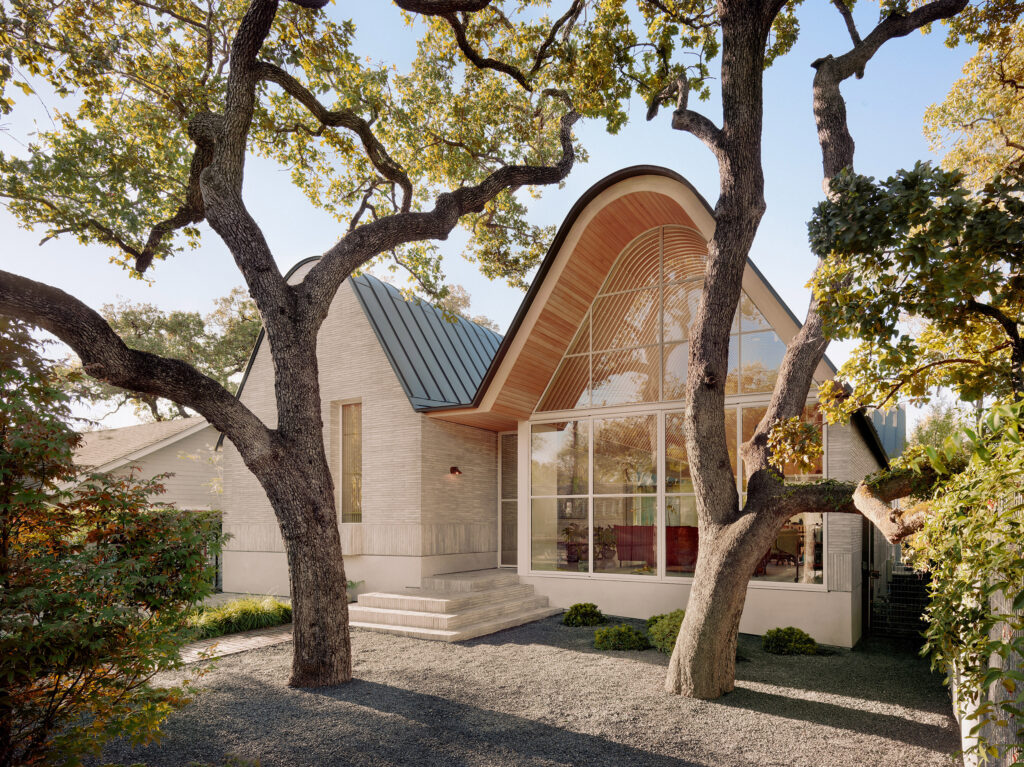
Michael Hsu Office of Architecture
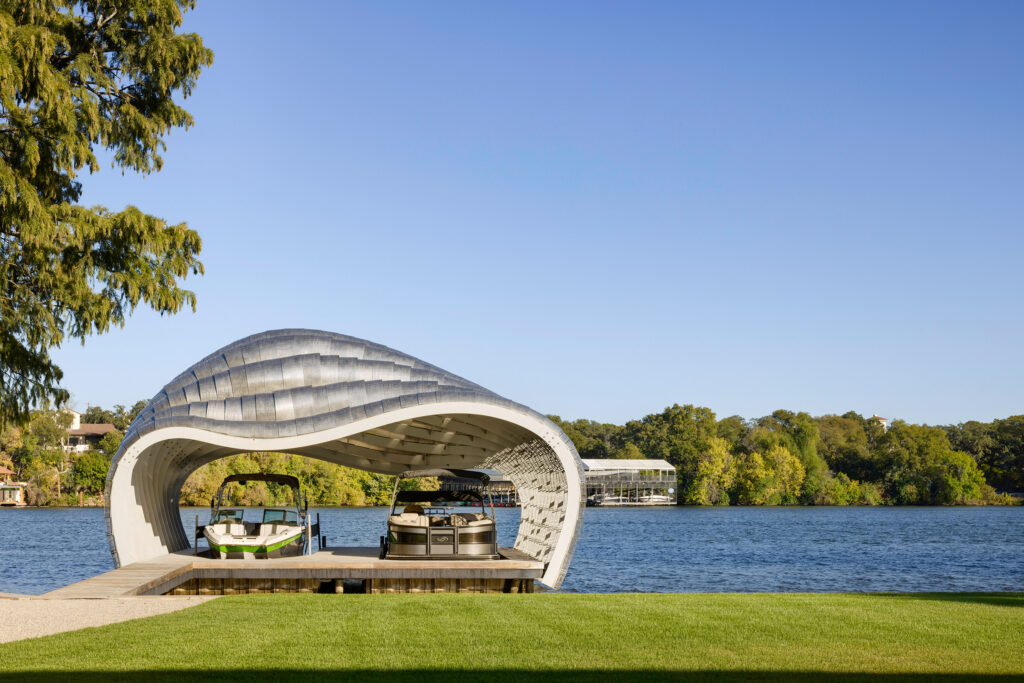
Miró Rivera Architects
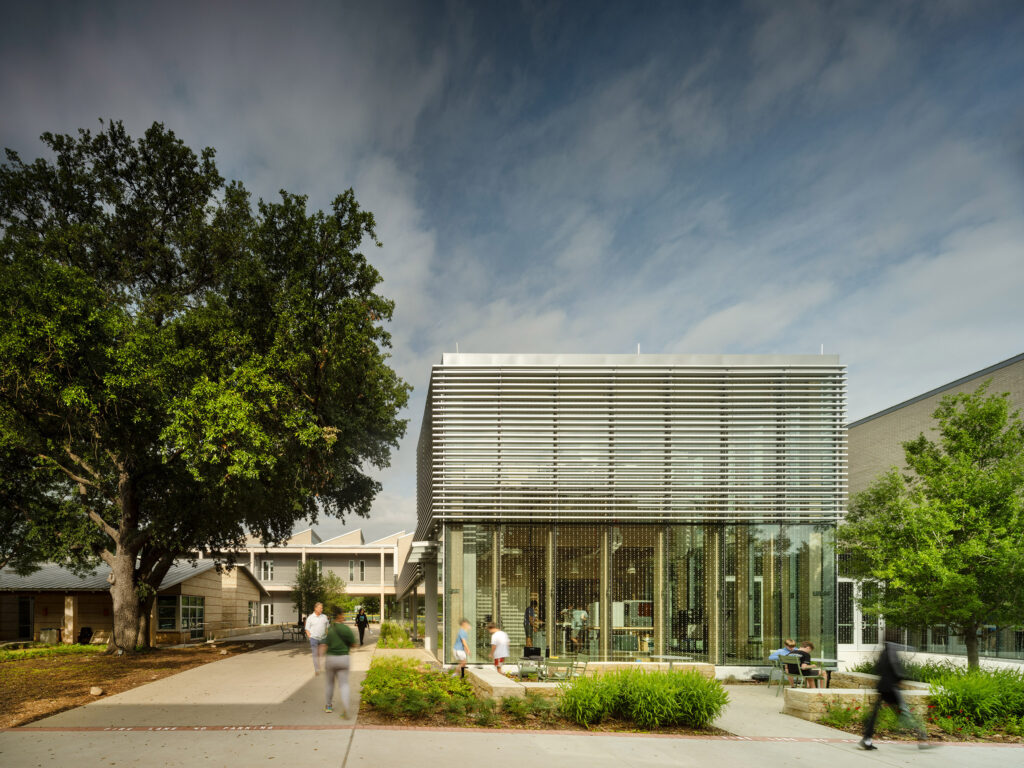
Bohlin Cywinski Jackson

Lake Flato Architects

Perkins&Will
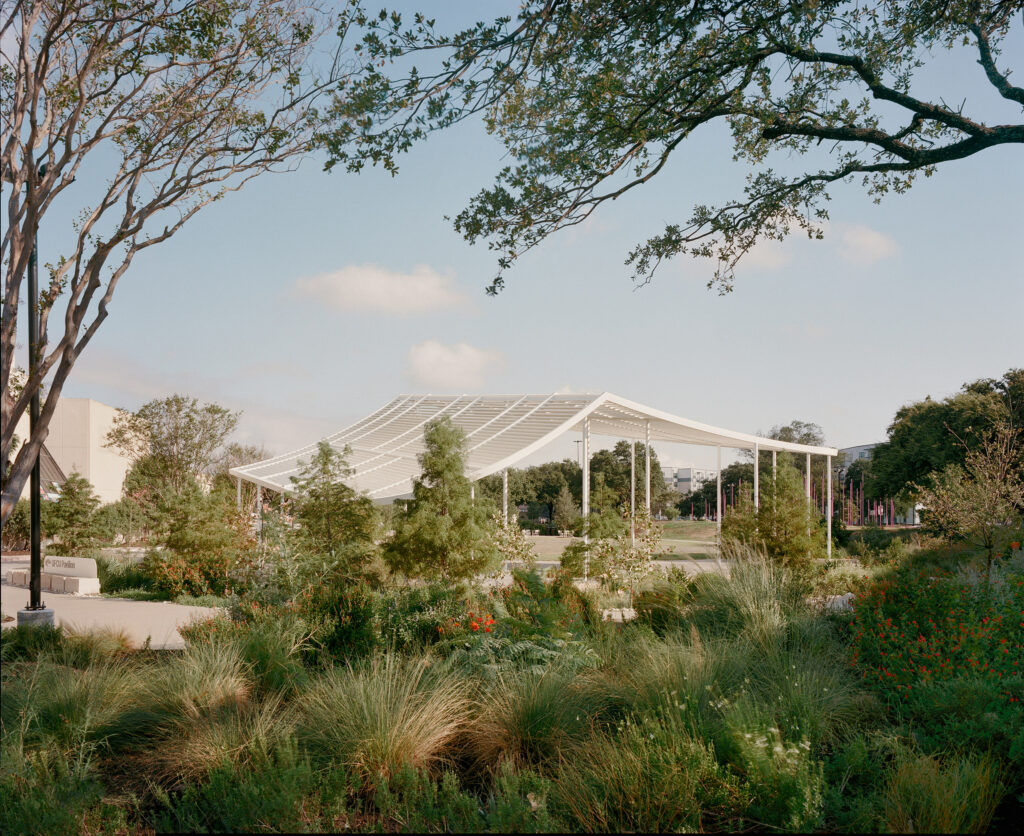
Agenda Architecture
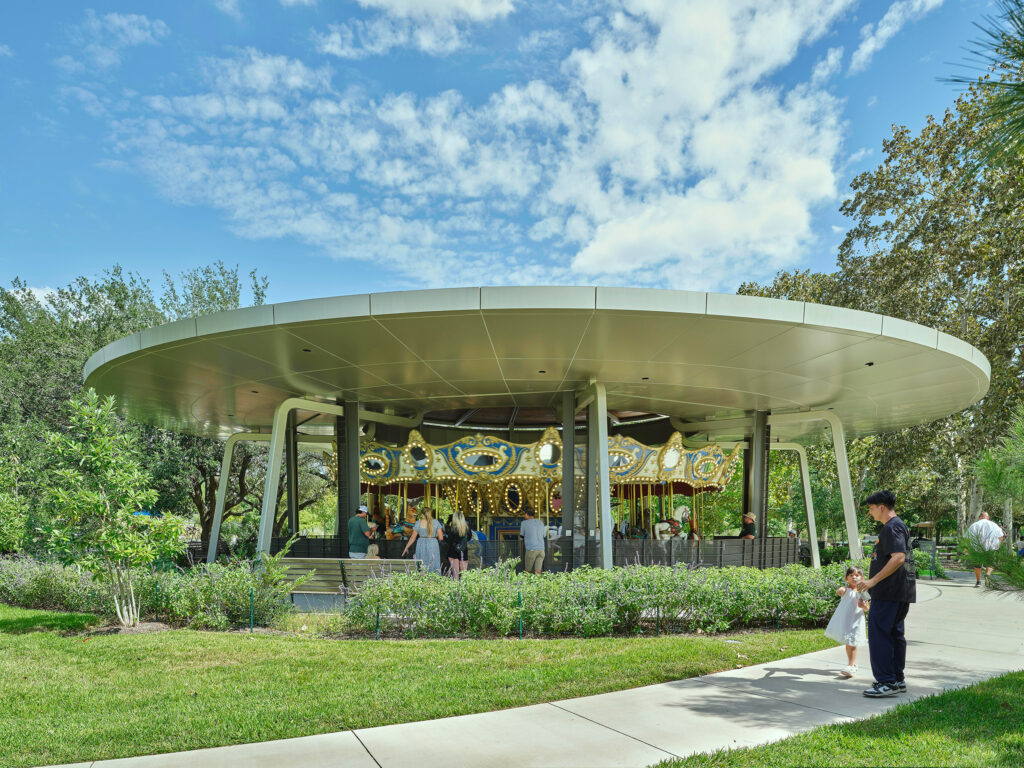
Marlon Blackwell Architects
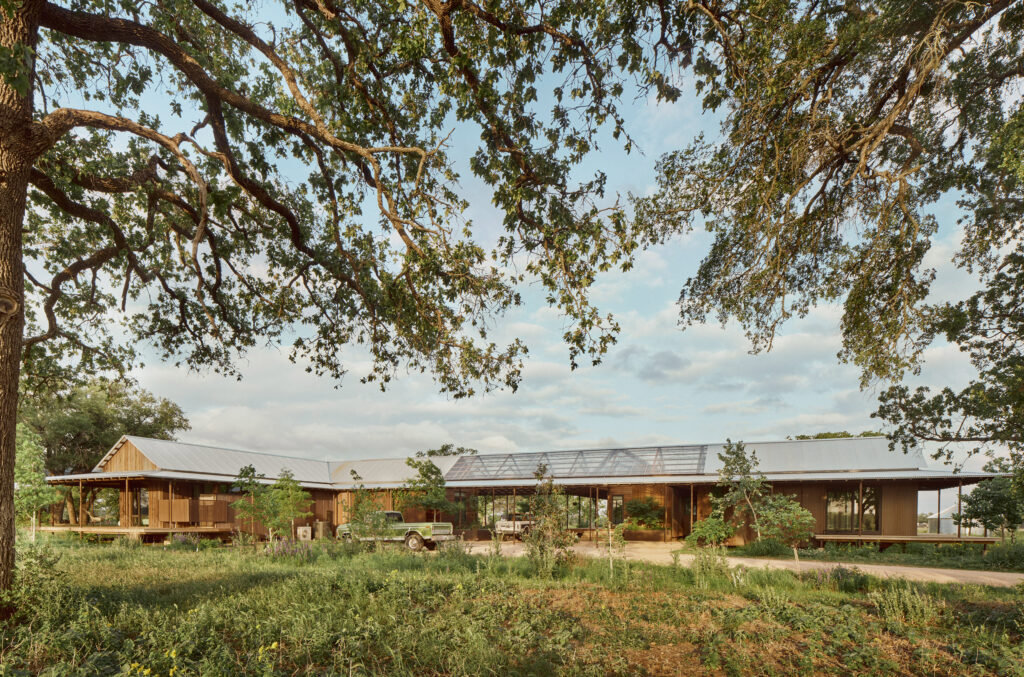
Baldridge Architects
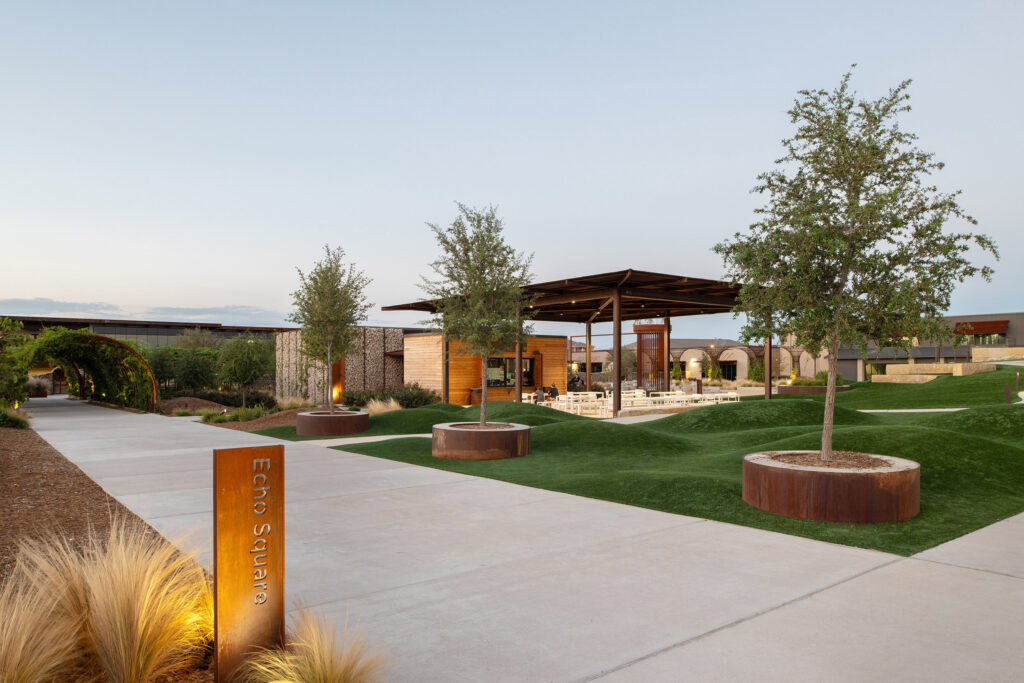
RWA
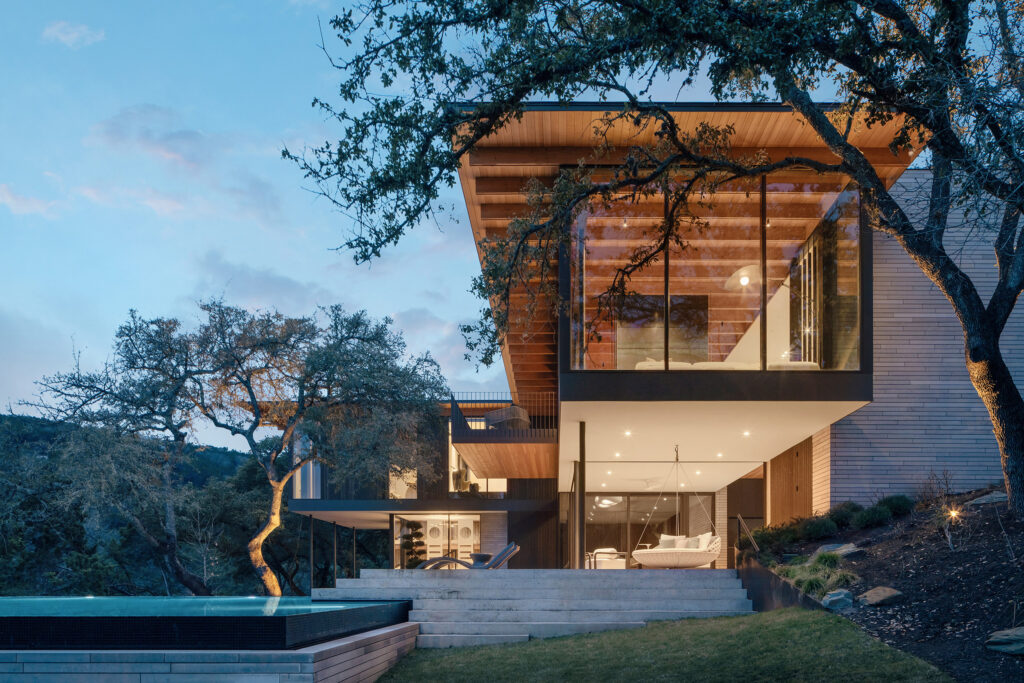
A Parallel Architecture
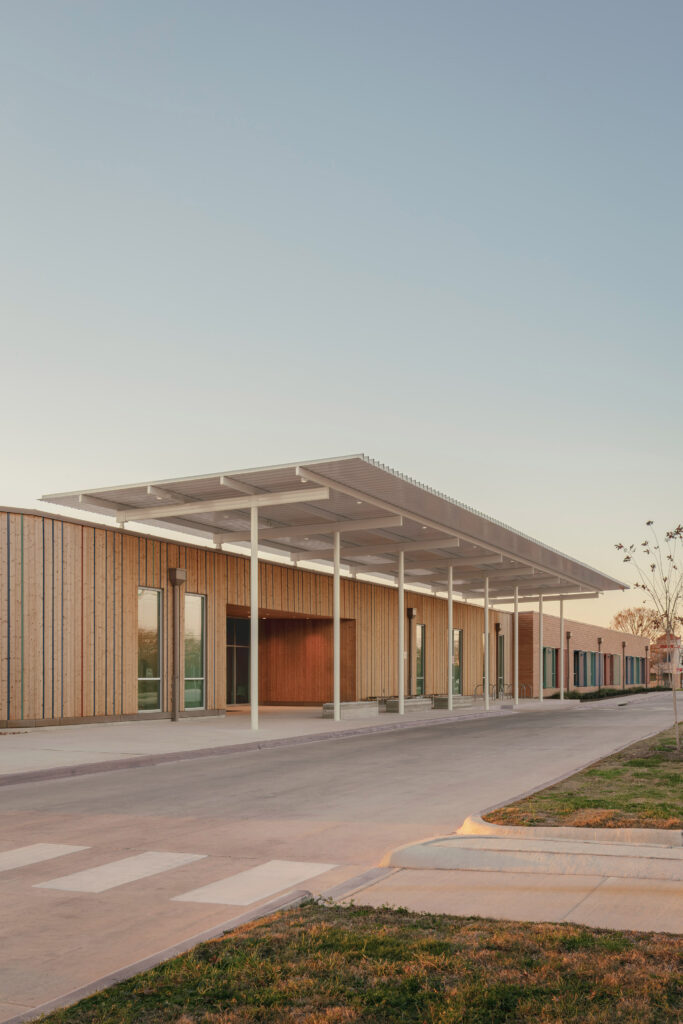
LPA Design Studios
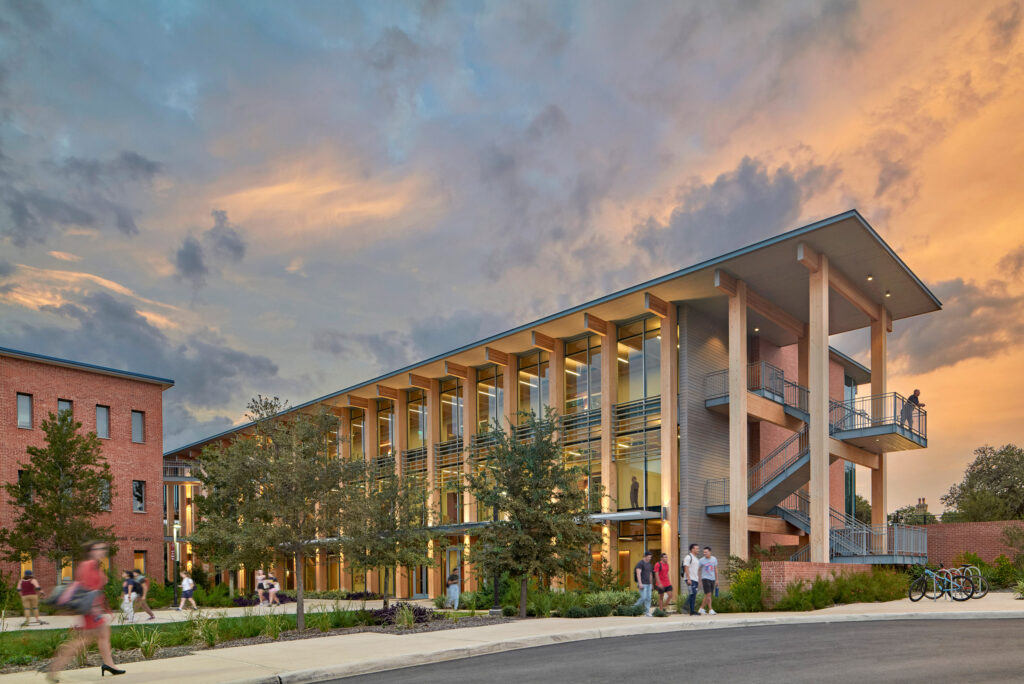
Lake Flato Architects
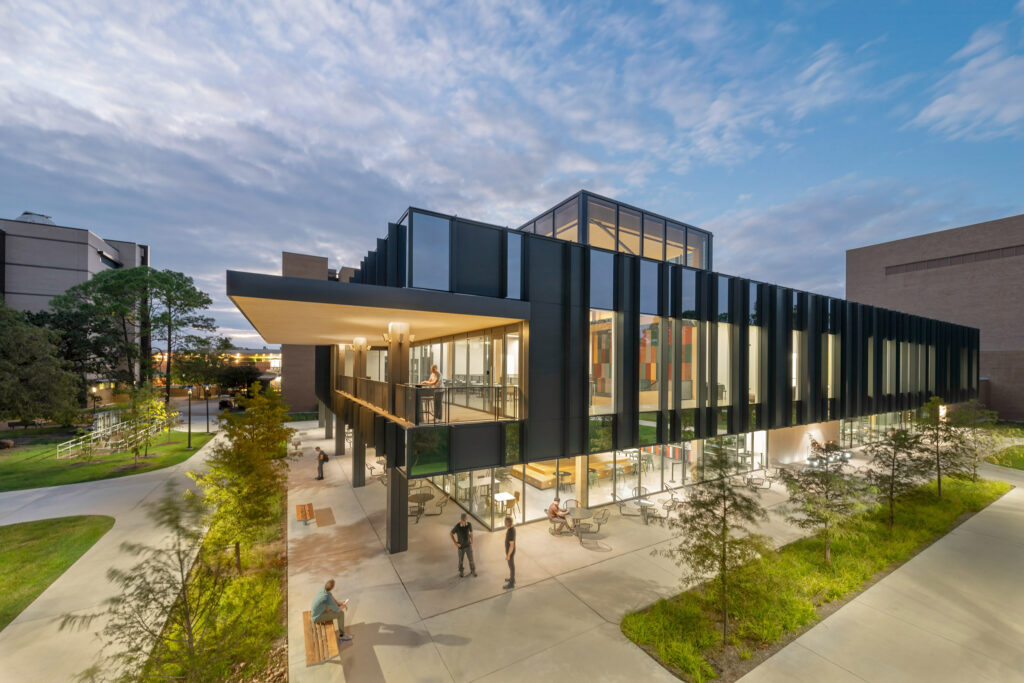
Perkins&Will
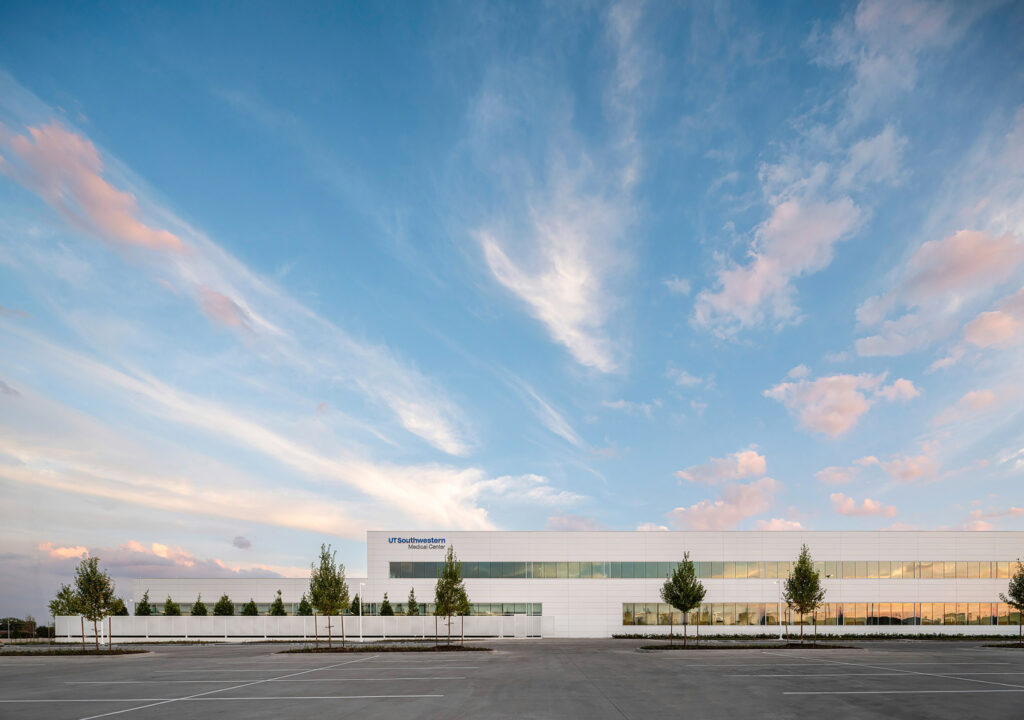
Perkins&Will
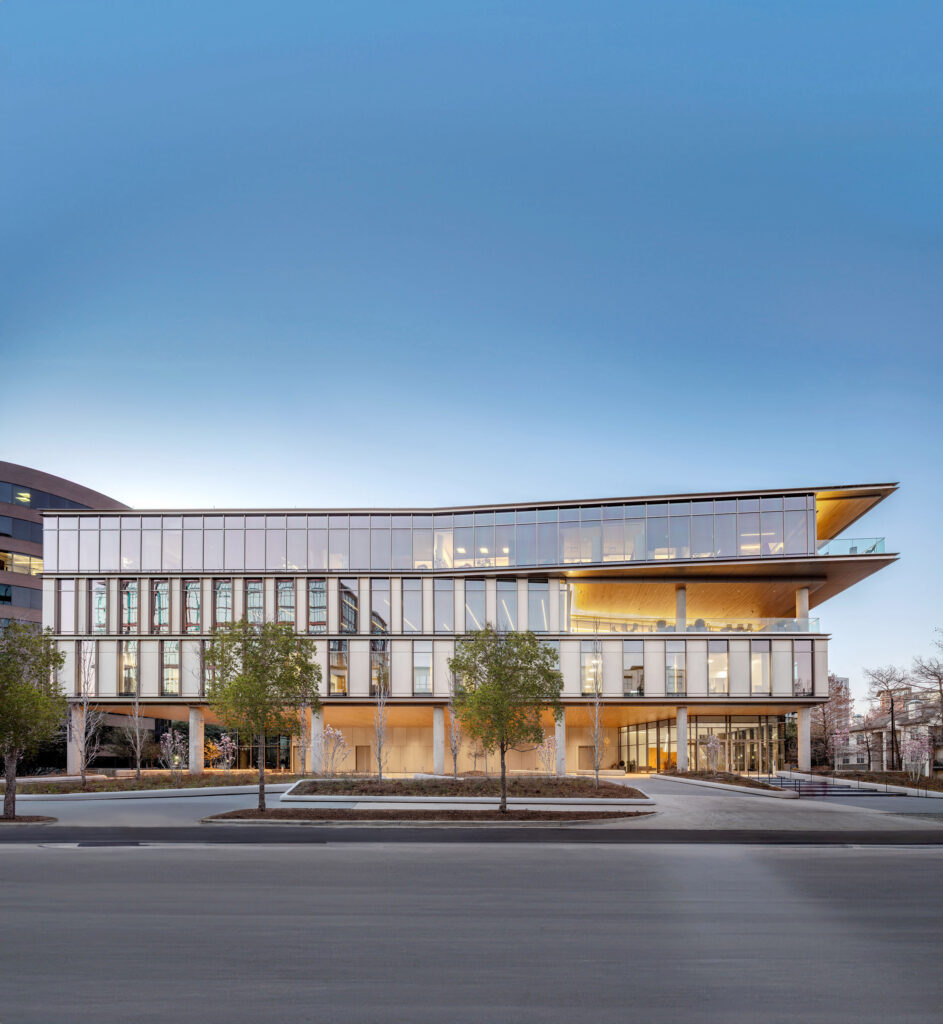
Beck Architecture
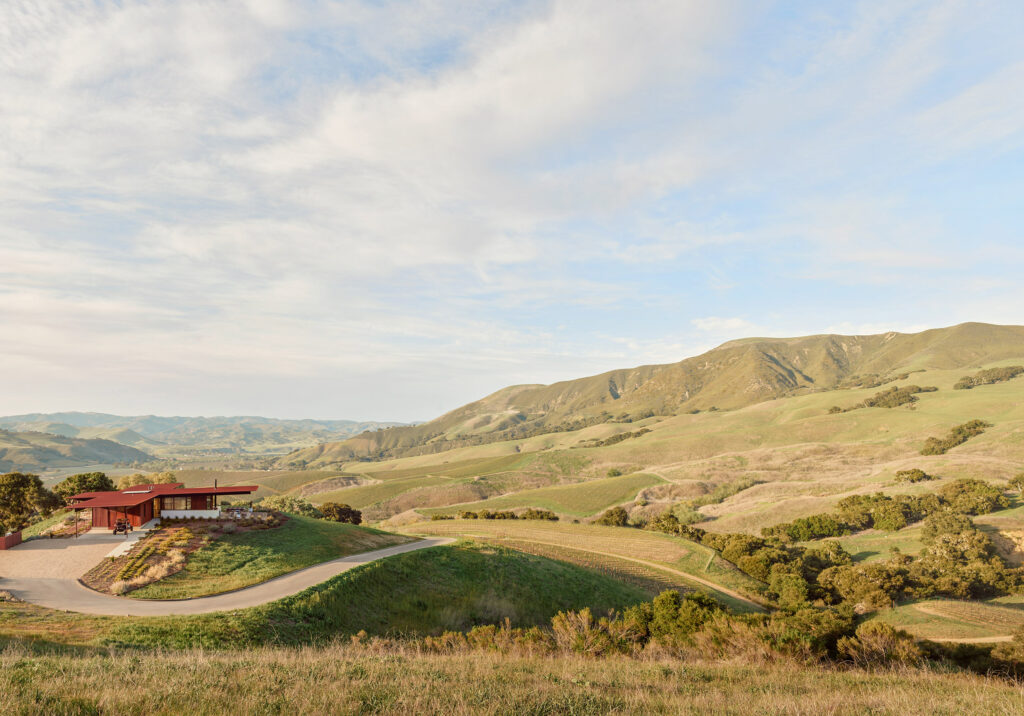
Clayton Korte

Louis I. Kahn: The Last Notebook
Louis I. Kahn, edited by Sue Ann Kahn
Lars Müller Publishers, 2024

In this issue, we highlight a few of the “Best in Show” products from this year’s trade events, including the Kitchen & Bath Industry Show in Orlando, NeoCon in Chicago, and Clerkenwell Design Week in London.