Oct 22, 2026
Some of the most meaningful moments of recognition are not our own. They come when someone we admire is celebrated…
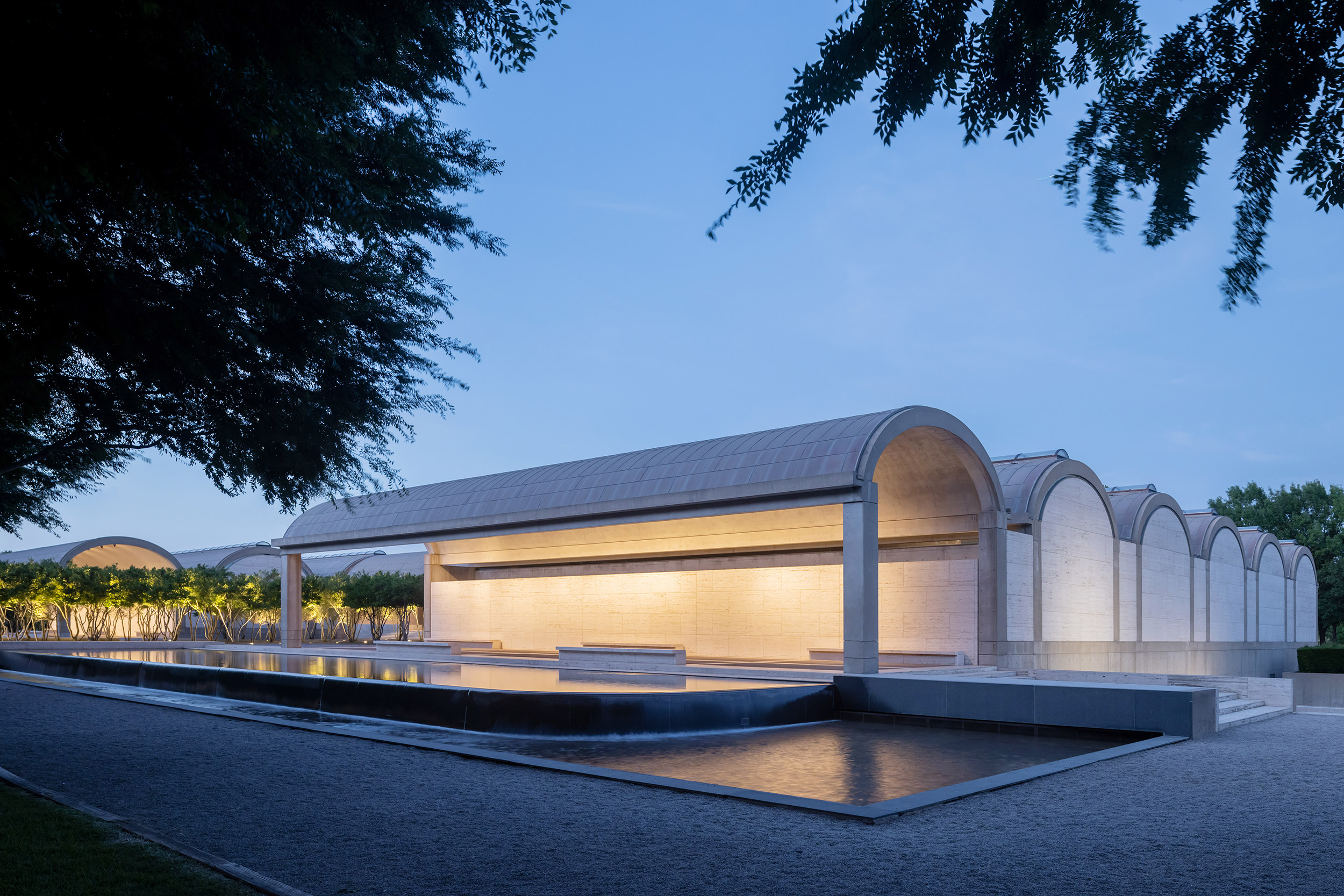
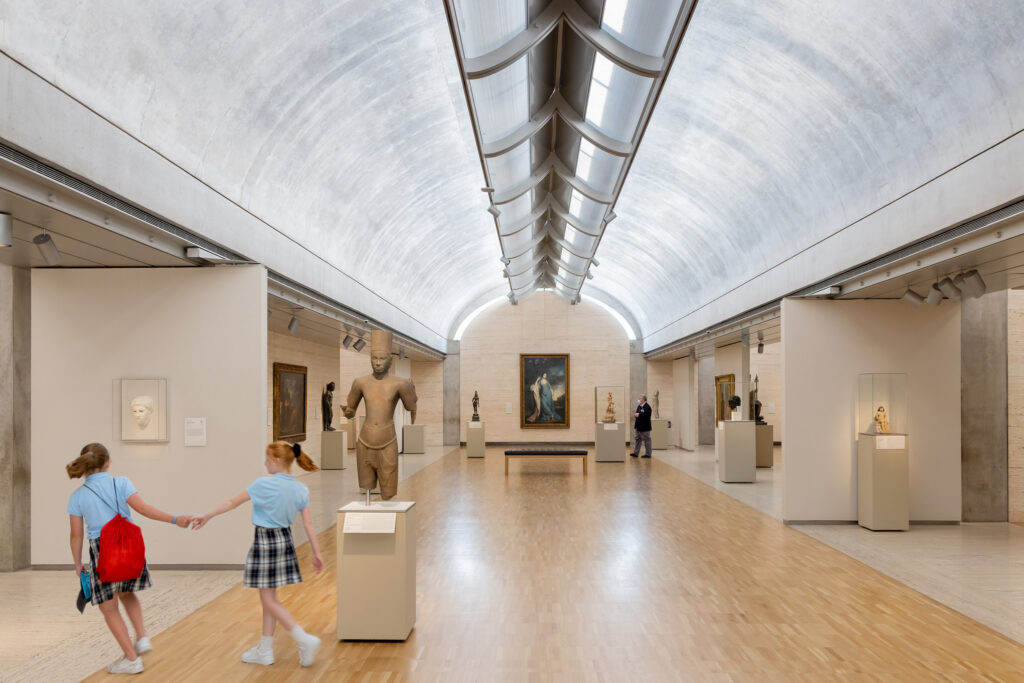
Completed in 1972, Louis Kahn’s Kimbell Art Museum in Fort Worth has long been regarded as one of the defining works of modern architecture and a benchmark for museum design. Its sequence of cycloid vaults, carefully modulated natural light, and restrained palette of concrete, travertine, white oak, metal, and glass brought together many of Kahn’s enduring concerns: structure, material, proportion, and the capacity of light to give architecture presence. More than half a century later, the building remains remarkably intact and continues to operate much as Kahn envisioned it—a place where art, architecture, landscape, and light are inseparable.
This year, the Texas Society of Architects recognizes the Kimbell with its Architectural Landmark Award, honoring a building whose significance has endured well beyond its own time and place. The Kimbell has influenced generations of architects and museum designers while helping establish Fort Worth as an international destination for art and architecture. Its impact can be measured in scholarship and awards—including the AIA 25-Year Award and TxA’s first-ever 25-Year Award, which it received alongside Frank Welch’s The Birthday—but perhaps more meaningfully in the experiences of those who continue to encounter the building firsthand.
Like many of you reading this, I vividly recall my first trip to the Kimbell, which was shortly after moving to Texas in 1980. While nothing can equal the impact of that initial viewing, subsequent visits never fail to evoke the thrill of that initial encounter. This made me curious to learn of the experiences of others, so I asked some notables in the arts and design community to share their stories.
From a teenager’s perspective, it was the majesty of seeing the Kimbell’s exterior at night that first gripped me. We probably weren’t supposed to be there, but we weren’t chasing mischief—we simply couldn’t believe that something so perfect was in our city. Standing on the South Lawn and looking north toward the great sweep of Louis Kahn’s vaults, the building felt serene and impossibly immaculate. It was Fort Worth in the early 1980s, and the Kimbell seemed larger than the city itself—rare, special, and beyond anything we knew.
—Andrea Karnes
Chief Curator, The Modern Art Museum of Fort Worth
The Kimbell is so many things, it feels impossible to summarize quickly, but the impressions it leaves are many. Intense Texas sunshine tamed to a luminous glow. Heft and weightlessness in harmony. Exquisite detailing, precisely aligning materials to their greatest effect. A palette that is at once refined and restrained, yet incredibly luxurious. Proportions both heroic and intimate. Simplicity and restraint that pose a powerful response to the art it contains while never overshadowing the pieces it features.
—Ben Crawford, AIA
Principal, Omniplan, Dallas
The Kimbell isn’t opera; it’s Bach’s Prelude in C, restrained and quiet in tone but sophisticated and comforting in experience. The harmony is a simple marriage of two voices made one, punctuated by a tiny indulgent flourish at the end. The foundation is measured cadence played with gentle guidance and masterfully deployed dynamics, suggesting appreciation for everything left unsaid.
The Kimbell is similarly built on measured cadence, composed of cycloid vaults acting as staves, bays as measures, and light slots with perforated diffusers as the phrasing that breathes real life into the composition. Kahn possesses full mastery of the materials with which he is working, embracing their primal characteristics and arranging them musically to present a full composition that subtly suggests experiential direction. His lack of pretense is not timidity but an innate confidence in understanding how design can transform the pedestrian into the sublime.
—Kate Aoki, AIA, NOMA
Co-founder and Director of Design, Golden Egg Creative, Dallas
My first visit to the Kimbell was in the late ’70s. I have always been impressed by the elegance of how the building and reflecting pools sit in the lawn, and how peaceful the entry is along the west facade. The effortless steps, and of course the bosque of yaupon trees in gravel—how many architects and landscape architects have referred to that grove over the years?
Two interior courtyards have been imprinted in my memory:
∙The Blue Courtyard with the travertine fountain, Bourdelle’s “Penelope,” and four simple vines growing overhead—amazingly classical and modern in one pass. Some have called this space sacred.
∙The lunchroom courtyard, a slightly larger space that invites light into the museum, again with one perfect sculpture, L’Air by Aristide Maillol, floating above you and shade created by four vines.
It’s always a pleasure to take visitors to the finest small museum in the country.
—Tary Arterburn, FASLA
Principal/Partner, Studio Outside, Dallas
One of my favorite memories of the Kimbell happened outside the building. My wife, our daughters, and I were having a picnic beneath the allée of trees when I realized that the rhythm and proportions of the landscape continued into the museum itself. The alternating trees preserve the memory of the street that once crossed the site. The cycloid vaults seem to extend that same rhythm and sense of shelter into the museum.
My preferred way to experience the Kimbell is to approach it from the west. That route slowly unfolds the building through gardens, trees, gravel, grass, concrete, travertine, and water before ever reaching the front door. Each material, each threshold, gradually recalibrates my awareness. By the time I enter the museum, I’ve already been inside the architecture. The front door simply marks a transition from exterior to interior in an experience that began the moment I stepped onto the site. The Kimbell reminds us that entry is not the door but a sequence that prepares you to encounter art, architecture, and yourself.
—Dennis Chiessa, AIA
Principal, ch_studio, Arlington
I was born and raised a few blocks away from the Kimbell. I was seven years old when it was completed. My father’s office was across the street from the museum. Art and design played a significant role in our family, and a visit to the Kimbell to view an exhibition, have lunch, or stroll the grounds was common and meaningful.
When I studied art history at TCU, the Kimbell presented opportunities to view artworks up close against the backdrop of an architectural masterpiece.
As an art advisor in Dallas/Fort Worth for close to 40 years, the collection of architecturally significant buildings has been an inspiration, not to mention the exhibitions and collections they house. The Kimbell stands out as one of Louis Kahn’s greatest works, contributing greatly to Fort Worth’s reputation as a cultural destination.
—John Runyon
Runyon Arts, Dallas
It has taken me decades to understand Kahn’s ideas and Kenneth Frampton’s theories on the Kimbell Art Museum. As Professor Frampton’s student at Columbia in the late ’80s, I attended several lectures, his best one being devoted to Kahn. Later, in 1992, there was a remarkable exhibit at MoMA called Louis I. Kahn: In the Realm of Architecture. There, I saw over 300 original drawings, models, and photos of Kahn’s work. In 1995, Frampton’s Studies in Tectonic Culture was published. I recommend everyone read it, especially his chapter on Kahn. It covered the “cycloid pseudo-vault,” the pozzolan added to concrete, Kahn’s approach to light, the reasoning for the infill travertine panels, structural monumentality, and his dislike of the drop ceiling as accepted by Mies. In 2000, I moved to Texas and was finally able to visit the Kimbell and see Kahn and Frampton’s ideas come to light.
—Miguel Rivera, FAIA
Principal, Miró Rivera Architects, Austin
Being a landscape architect when I first experienced the Kimbell, I was most struck by the building’s relationship to the site, and then by learning about the architect’s collaboration with landscape architect Harriet Pattison. On my first visit, I loved and was surprised by the yaupon gravel court. Later, in a book that I have about the Kimbell and Kahn, I read the wonderful letter that he wrote to the leery donor in which he explained why he and Harriet wanted a yaupon and gravel courtyard, which the donor ultimately, of course, agreed to. It taught me to hang on to a controversial element of a design, and that a nice handwritten letter might do the trick in getting it approved.
—Christine Ten Eyck, FASLA
Ten Eyck Landscape Architects, Austin
There is little that has not been said about the Kimbell and Louis Kahn.
I can only add that my personal experience will remain with me forever. My approach through the courtyard at the west entry was transformative. I did not expect the crunch of gravel as I walked through the trees…. then silence as I entered the space.
That day, I experienced more than the architecture. I felt the spirit of Louis Kahn’s message. Real architecture, when created with passion, leaves you with a memory that will stay with you. But you have to listen for the message. He brought us silence and light.
Thank you, Lou.
—Rand Elliott, FAIA
Rand Elliott Architects, Oklahoma City




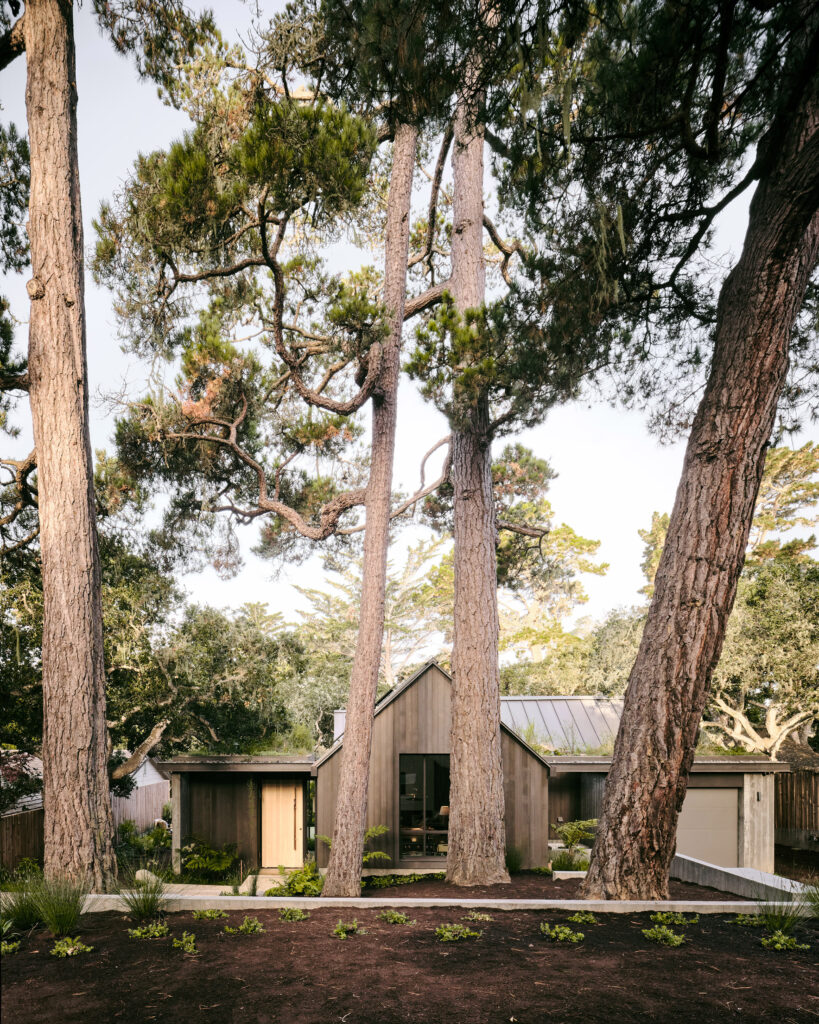
Jobe Corral Architects
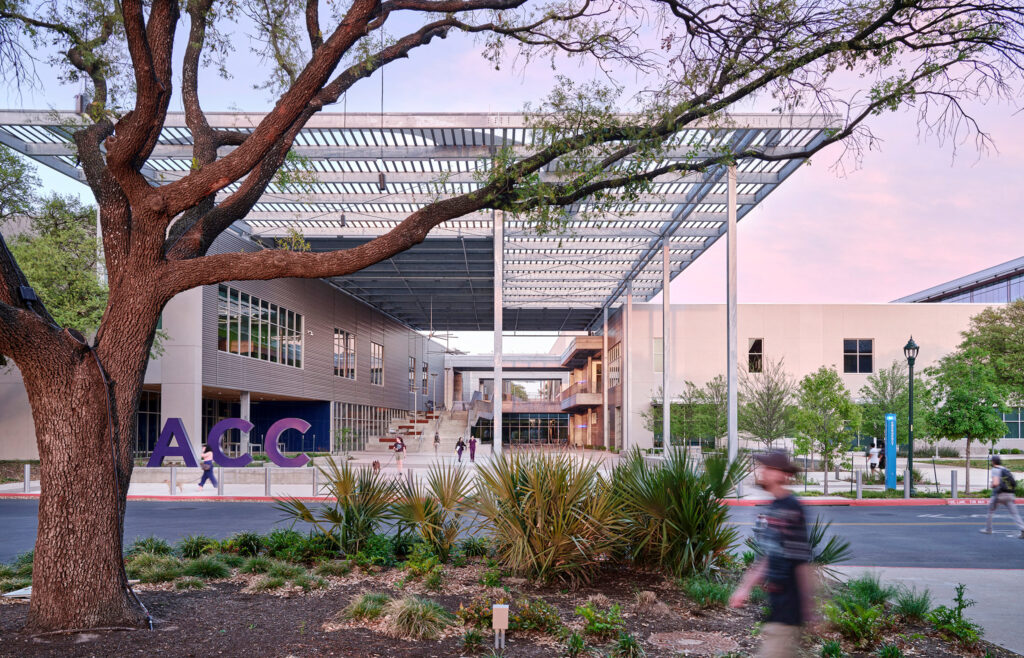
BGK Architects + Perkins&Will
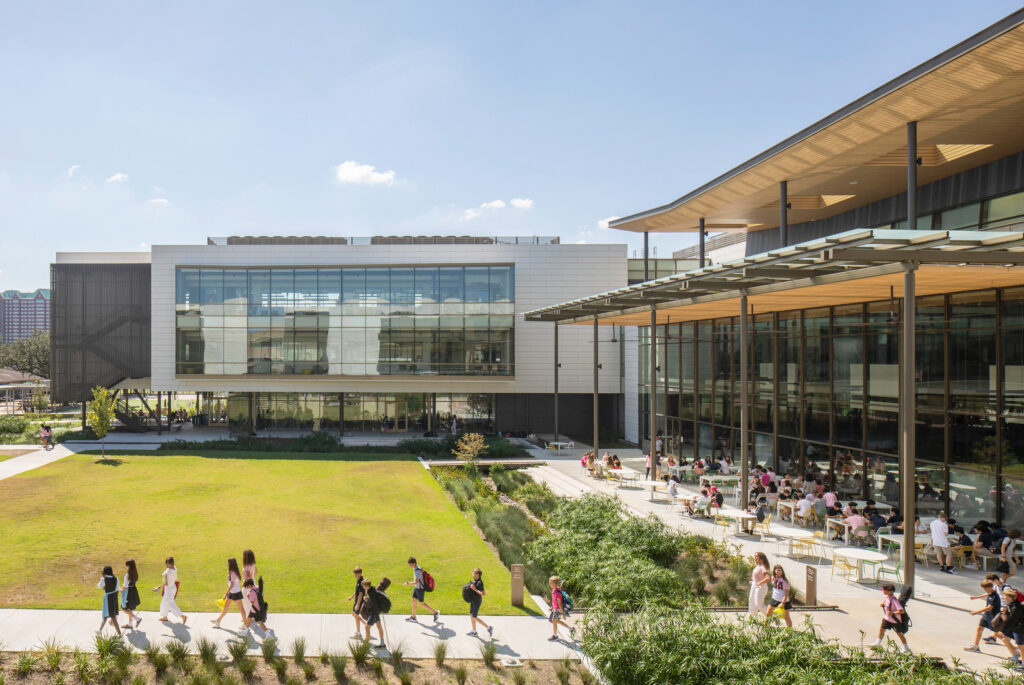
Lake Flato Architects
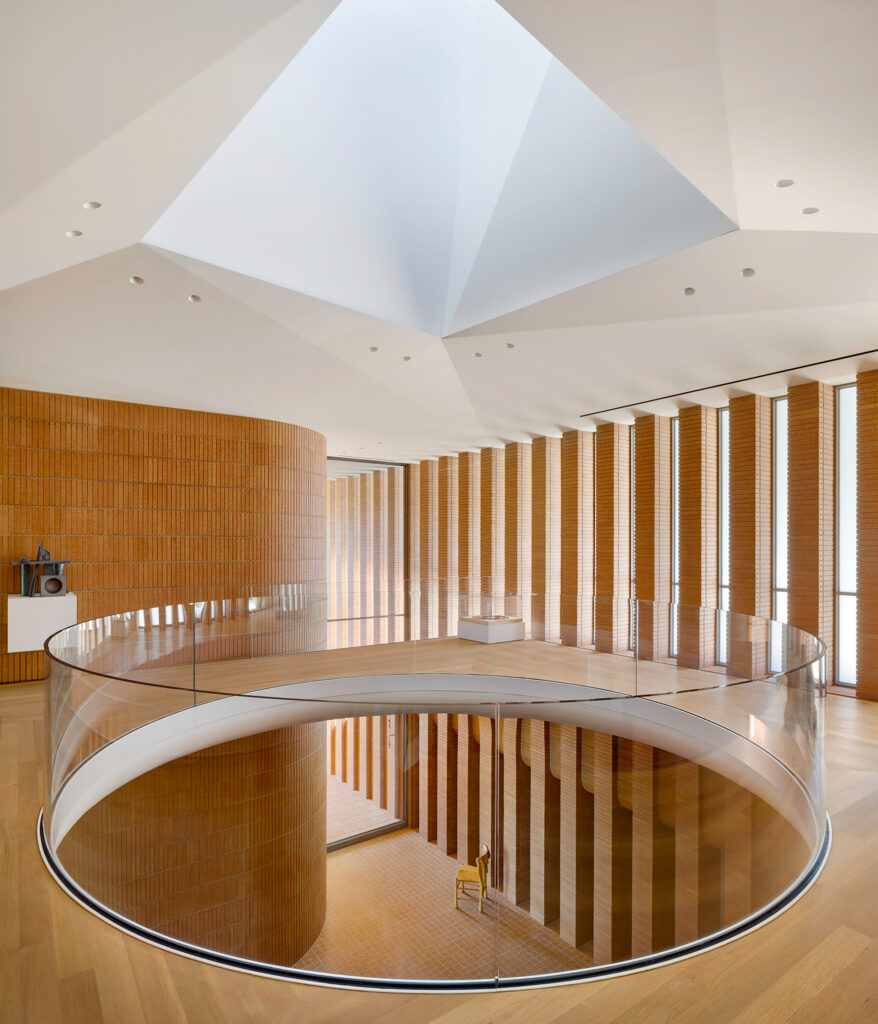
Miró Rivera Architects
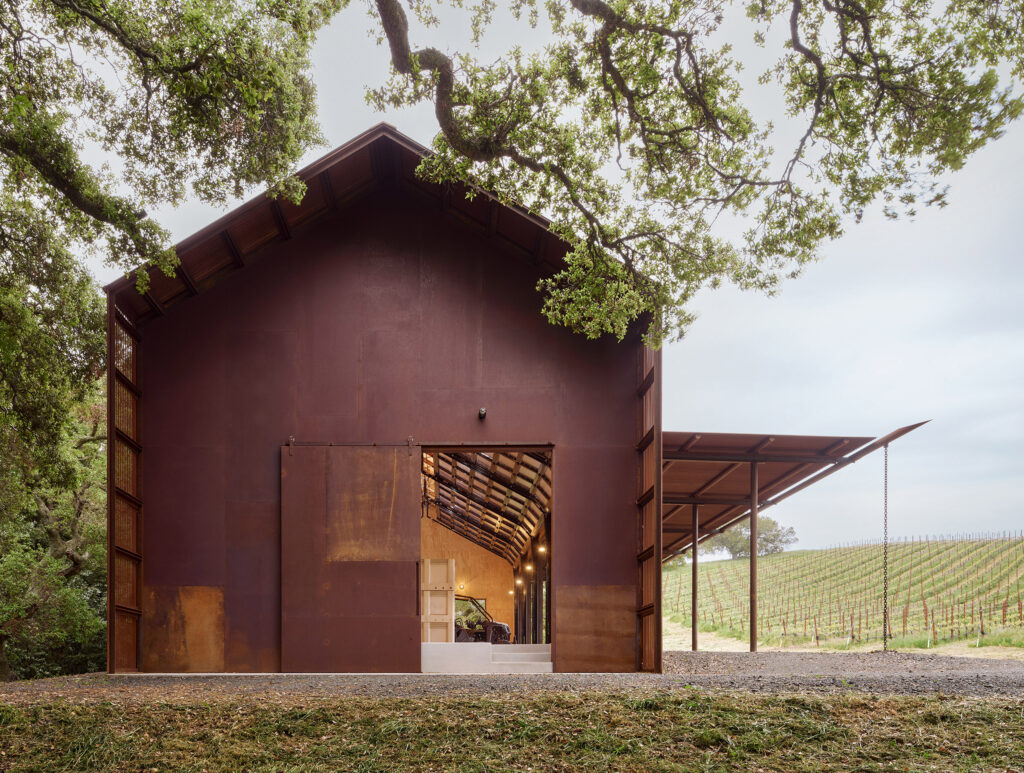
Clayton Korte
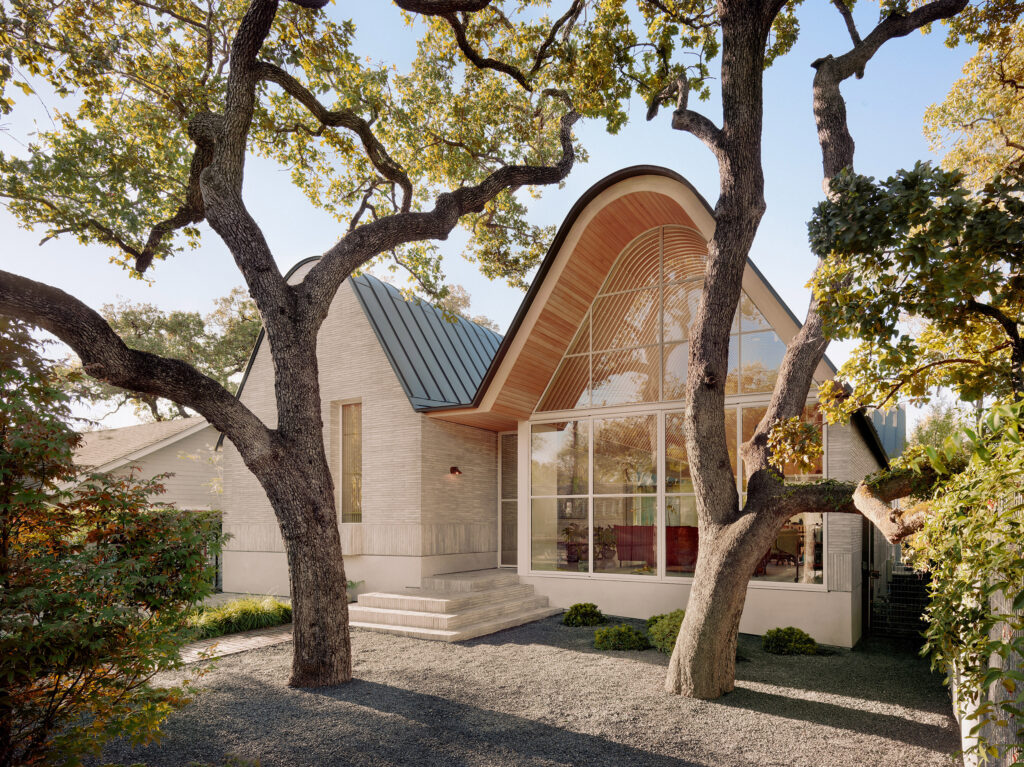
Michael Hsu Office of Architecture
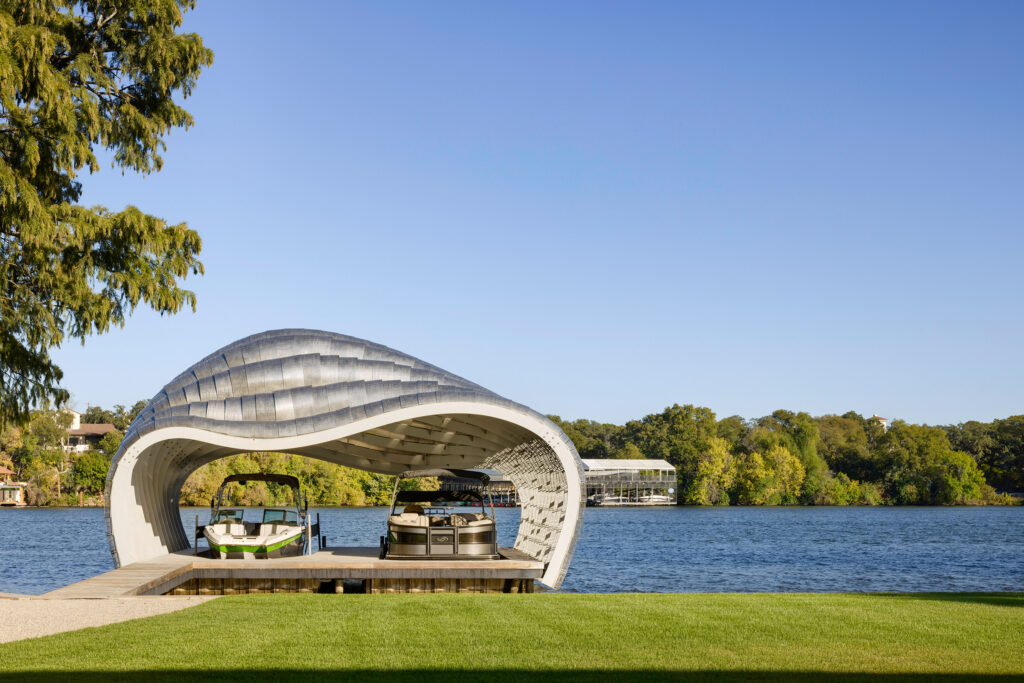
Miró Rivera Architects
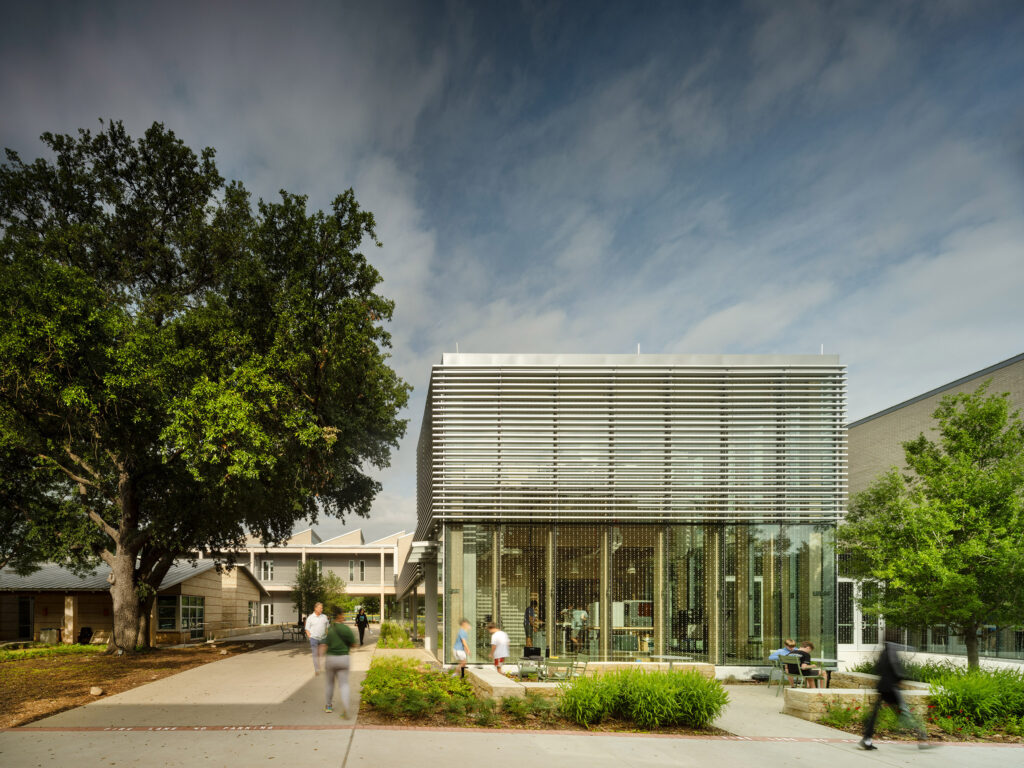
Bohlin Cywinski Jackson
Lake Flato Architects

Perkins&Will
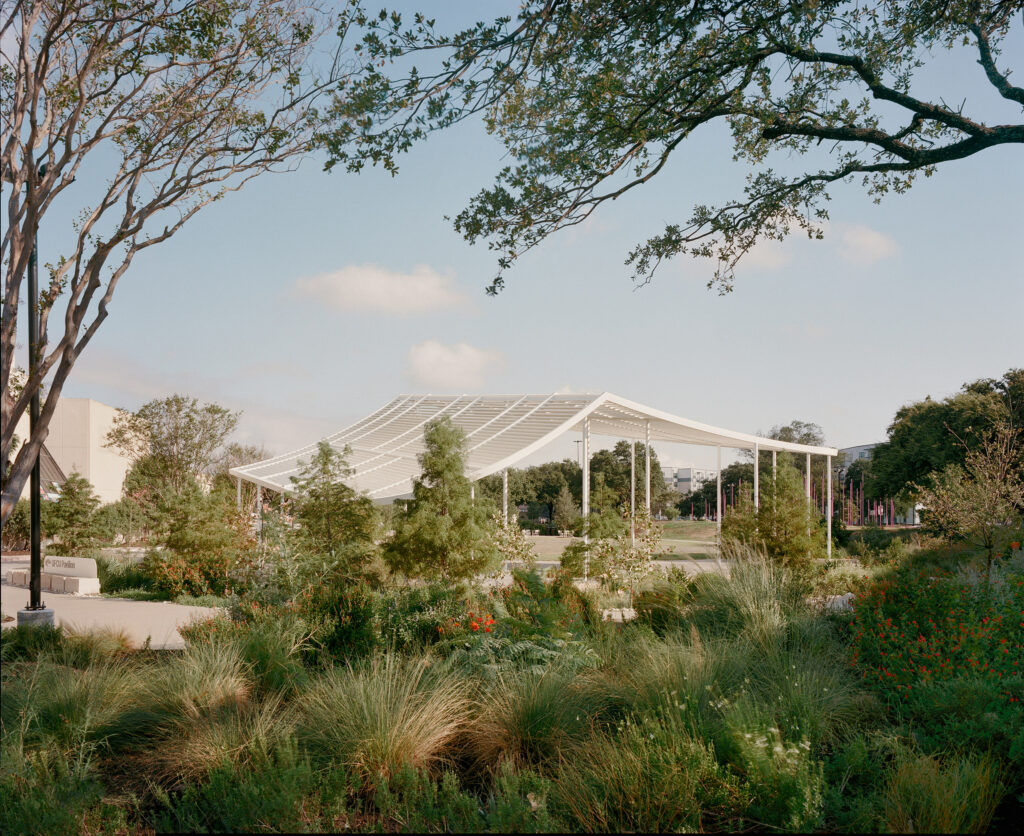
Agenda Architecture
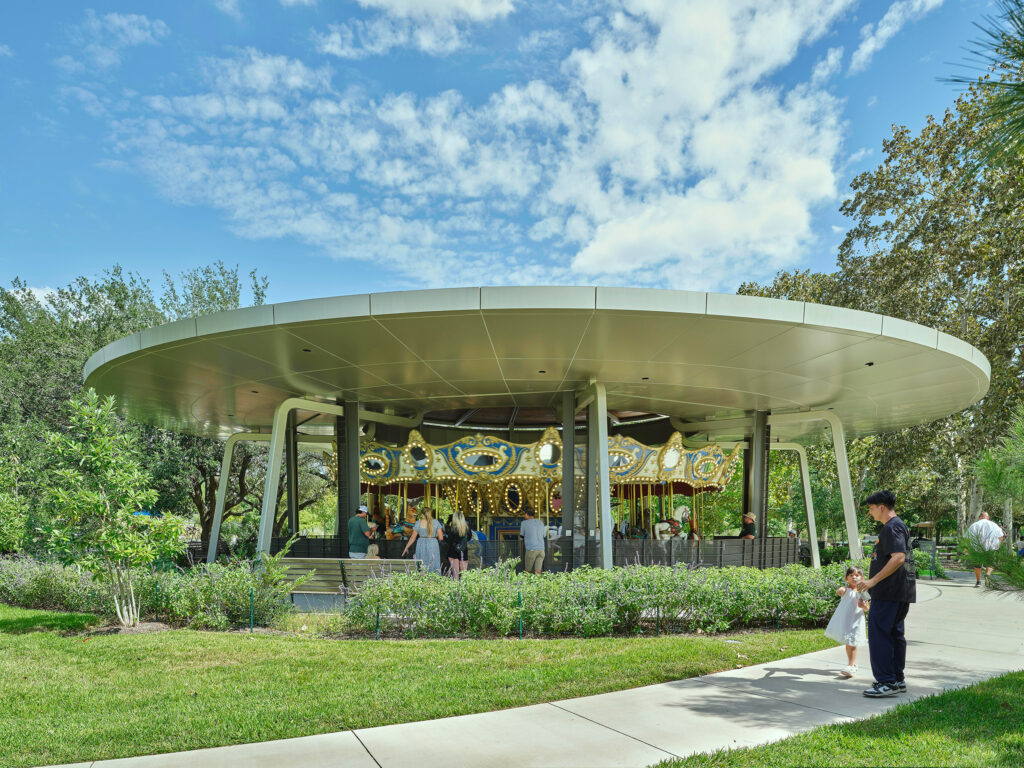
Marlon Blackwell Architects
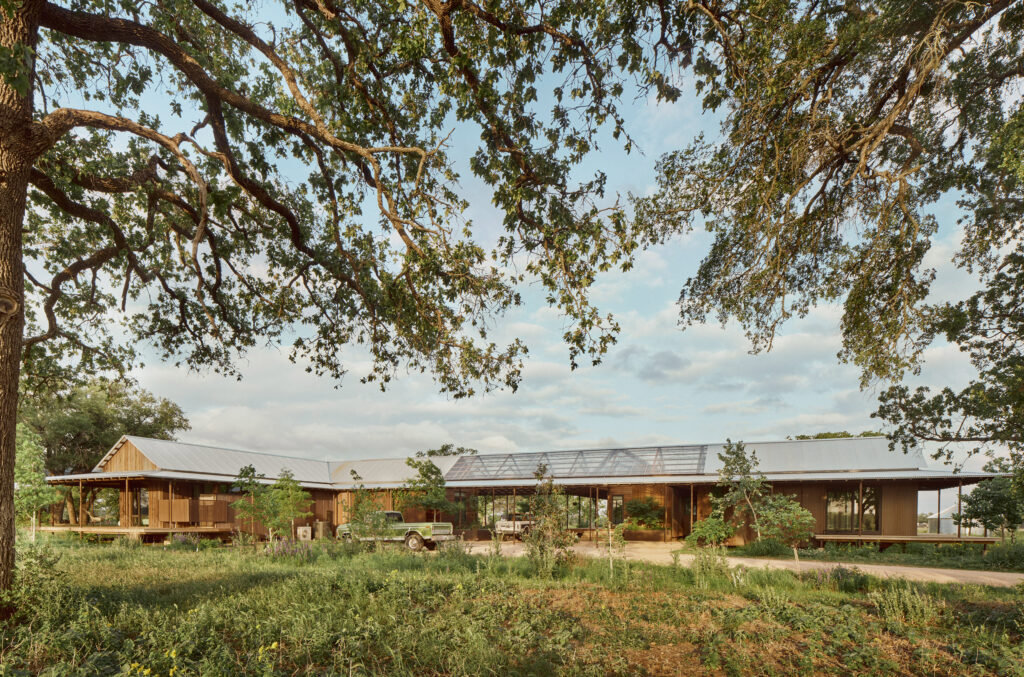
Baldridge Architects
RWA
A Parallel Architecture
LPA Design Studios
Lake Flato Architects
Perkins&Will
Perkins&Will
Beck Architecture
Clayton Korte
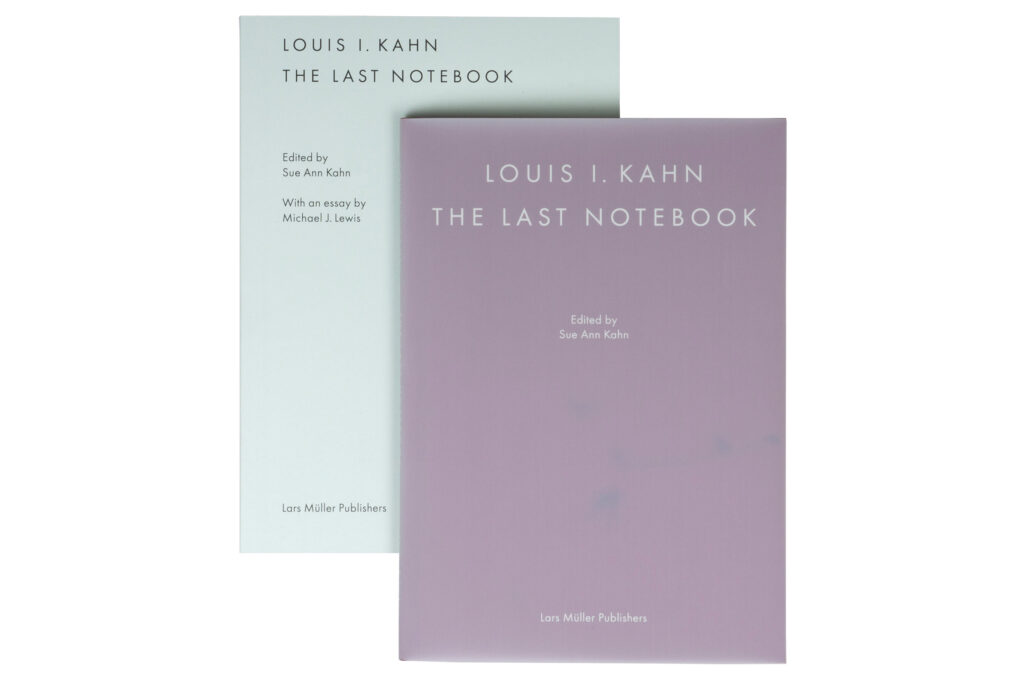
Louis I. Kahn: The Last Notebook
Louis I. Kahn, edited by Sue Ann Kahn
Lars Müller Publishers, 2024
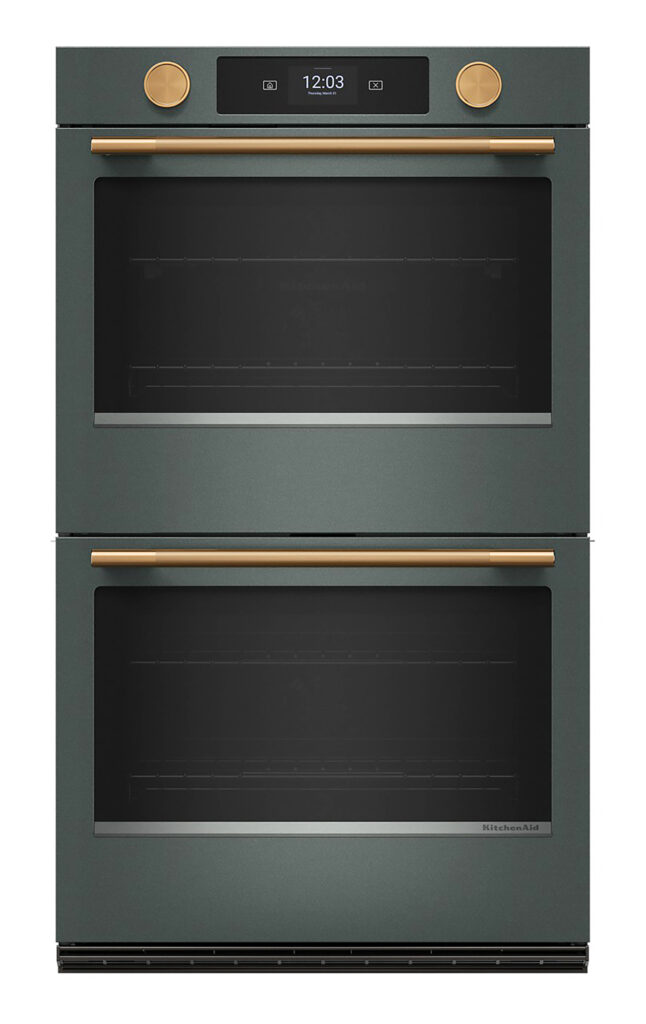
In this issue, we highlight a few of the “Best in Show” products from this year’s trade events, including the Kitchen & Bath Industry Show in Orlando, NeoCon in Chicago, and Clerkenwell Design Week in London.