Oct 22, 2026
Some of the most meaningful moments of recognition are not our own. They come when someone we admire is celebrated…
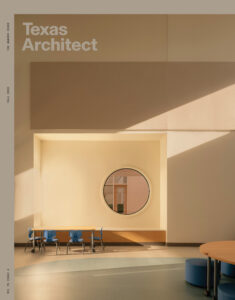
Much of architecture is judged by what is built—the manifest form, the crafted detail, the artful finish—all captured in photographs offering favored glimpses. Behind every project, however, lies a far more complex story—of iterations unseen, collaborations untold, and convictions sometimes unrealized. In his book The Creative Act: A Way of Being, nine-time Grammy-winning record producer Rick Rubin noted, “One of the greatest rewards of making art is our ability to share it.” That spirit of shared expression was on full display as this year’s Texas Society of Architects Design Awards jury came together to select 21 projects that most powerfully reflect the design values currently shaping the practice of architecture in our state.
Established to recognize outstanding architectural and urban design projects by architects practicing in Texas while promoting public interest in design excellence, TxA’s Design Awards program is regarded as one of the nation’s premier design competitions—a distinction rooted in the quality of architecture across Texas, the investment in assembling a great jury, and the trust expressly placed in that jury. Projects are submitted anonymously, with no predetermined categories, quotas, or formulas governing the outcome. While the fundamental principles of design excellence remain constant—sustainability, resilience, innovation, social impact, cultural relevance, and community engagement—jurors are charged with identifying design merit by developing their own criteria for evaluating the work through collegial reflection, thoughtful discussion, and even dynamic debate.
Long before the jury convenes, the Design Awards Committee begins the work of identifying prospective jurors capable of guiding a discussion around design thinking. The committee selects the final jury to represent a diversity of practice, background, geography, and design philosophy to curate a broad and balanced dialogue. This year, TxA convened a dynamic and thoughtful jury that included Chris Baribeau, FAIA, co-founding principal of modus studio; Everald Colas, AIA, NOMA founding principal of STORYN Studio for Architecture; Ashley Rao, AIA, principal at Leers Weinzapfel Associates; and James Timberlake, FAIA, founding partner of KieranTimberlake.
Prior to deliberations, jurors independently review every submission and arrive with preliminary observations. Once gathered, they spend two days immersed in discussion—challenging assumptions, defending positions, and refining their collective understanding of what distinguishes exceptional work. The most meaningful deliberations are often less about reaching consensus on which projects are successful than about uncovering why they are successful. Across every project type, scale, and budget, the jury consistently values clarity of purpose, with strong projects demonstrating a clear connection between concept and execution, reflecting a thoughtful response delivered with conviction.
Of this year’s 161 submissions, 46 percent were completed by firms located in Austin, 22 percent by firms in the Dallas-Fort Worth area, 9 percent by Houston firms, 17 percent by San Antonio firms, 4 percent by firms in other areas of Texas, and 2 percent by firms outside of Texas.
Thirty-eight percent of the projects submitted were located in Austin, 16 percent in the Dallas-Fort Worth area, 9 percent in Houston, 10 percent in San Antonio, 17 percent in other areas of Texas, and 10 percent outside of Texas. Of total submissions, 42 percent were residential projects and 58 percent were non-residential projects.
Of the 21 winning projects, 7 are located in Austin, 4 in Dallas-Fort Worth, 4 in Houston, 1 in San Antonio, 2 in other areas of Texas, and 3 outside of Texas. These winning submissions included 7 residential projects (33 percent of submissions) and 14 non-residential projects (67 percent of submissions).
In assessing the overall quality of the submissions, sustainability performance continued to improve this year. As tracked through the Common App, average scores for submitted projects have risen steadily over the past five years. More submissions are also reaching the “high-performance” threshold of 75 out of 100 points, suggesting that this progress reflects a broader shift across the full pool of entries—not just among award recipients. Gains were evident across multiple dimensions of design excellence, including well-being, equitable communities, and discovery, pointing to a more holistic approach to sustainable design. At the same time, energy, water, and resources remain comparatively lower-scoring categories, indicating clear opportunities for continued education, innovation, and focused design effort.
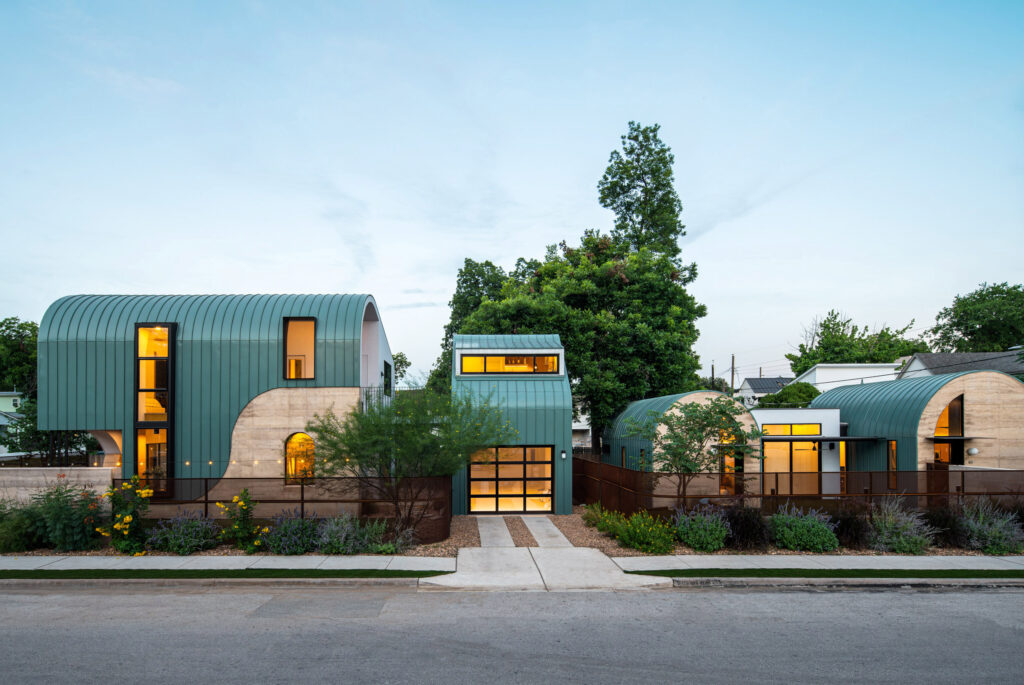
The 21 projects from 15 firms recognized as recipients of TxA’s 2026 Design Awards celebrate the exceptional work, extraordinary talent, and creativity of architects practicing in Texas, as well as a commitment to thoughtful, purposeful design that contributes to the broader discourse of architecture. With the profession’s responsibility to strengthen our communities, steward our environment, and inspire the future, the impact of Design Awards extends beyond recognition. It lies also in fostering dialogue, encouraging innovation, and embracing the generosity required to share our creative acts.




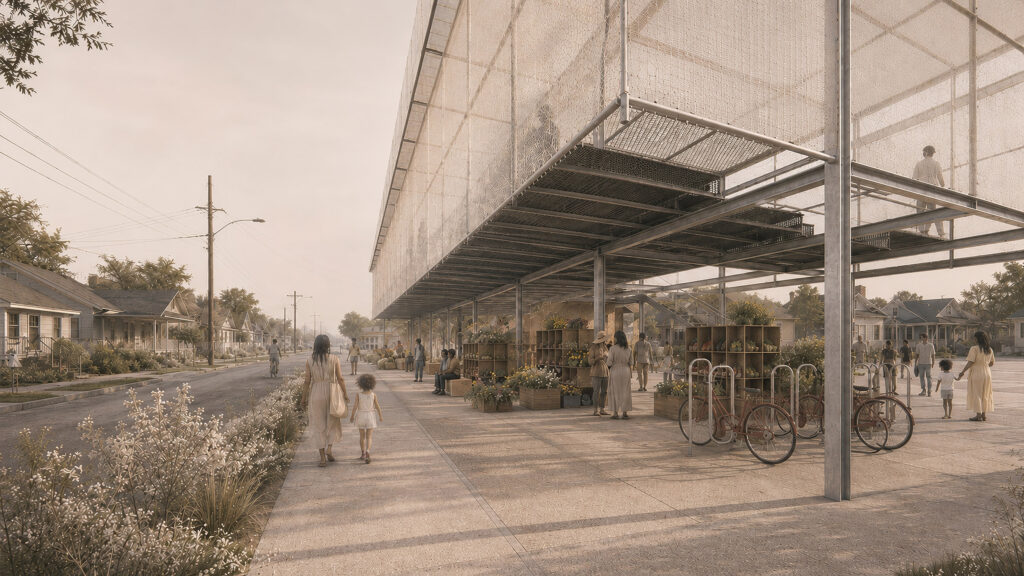

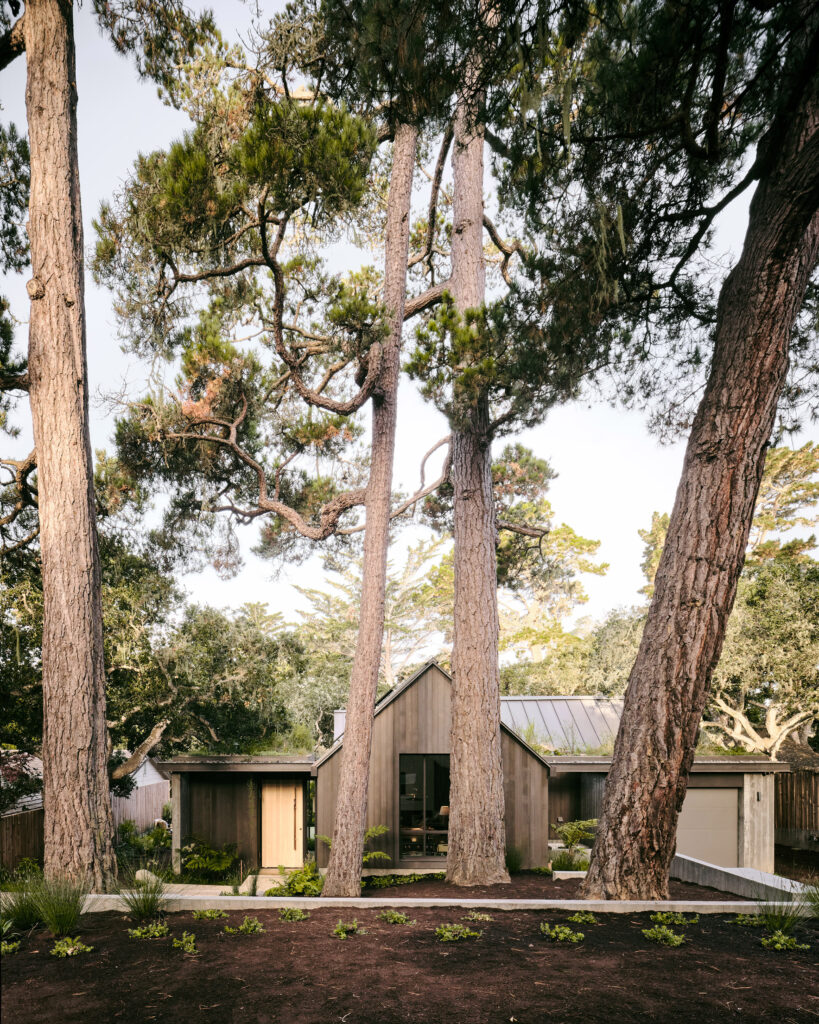
Jobe Corral Architects
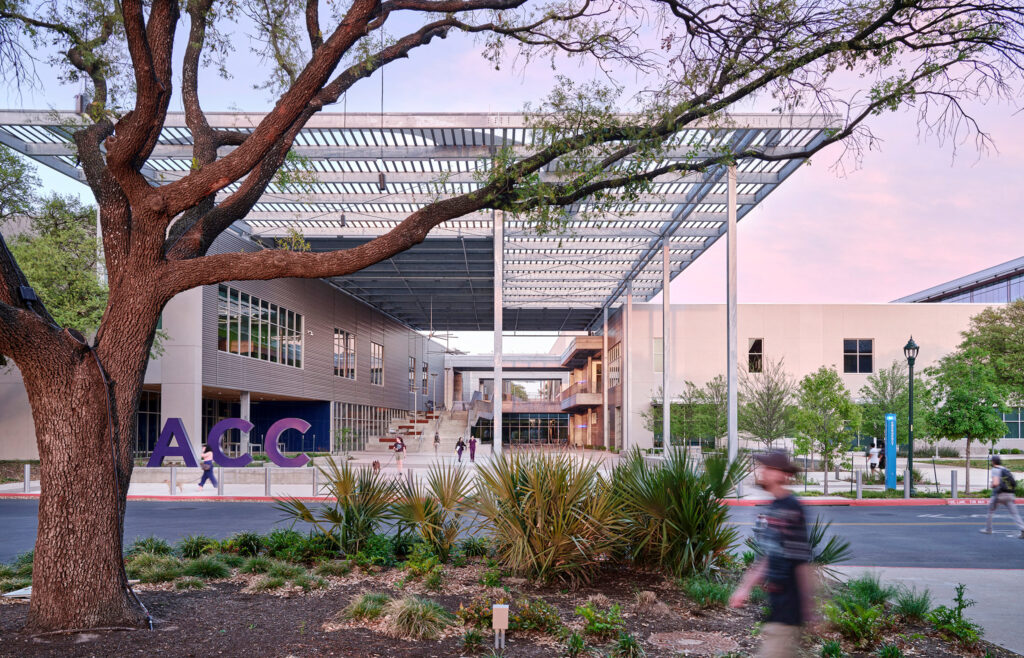
BGK Architects + Perkins&Will
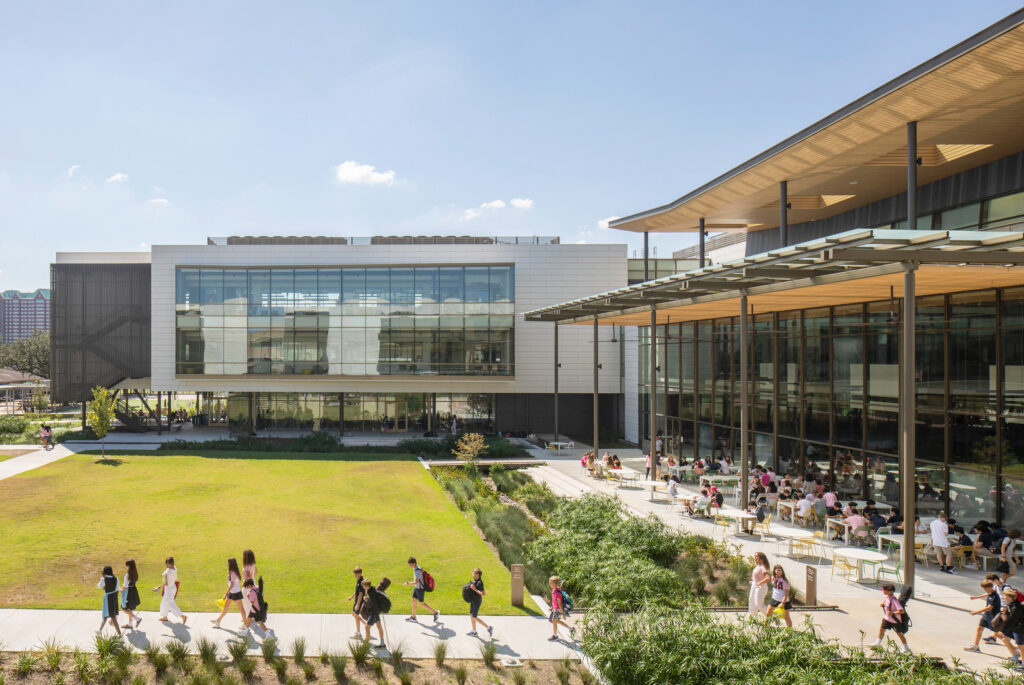
Lake Flato Architects
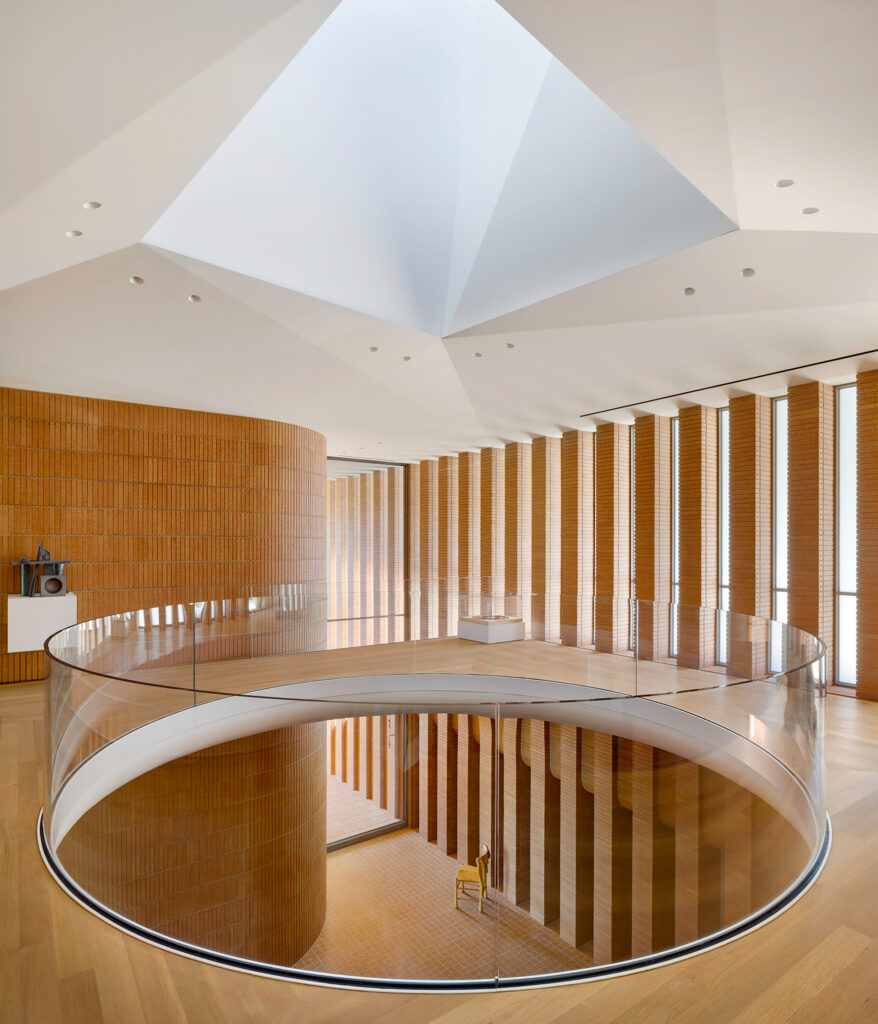
Miró Rivera Architects
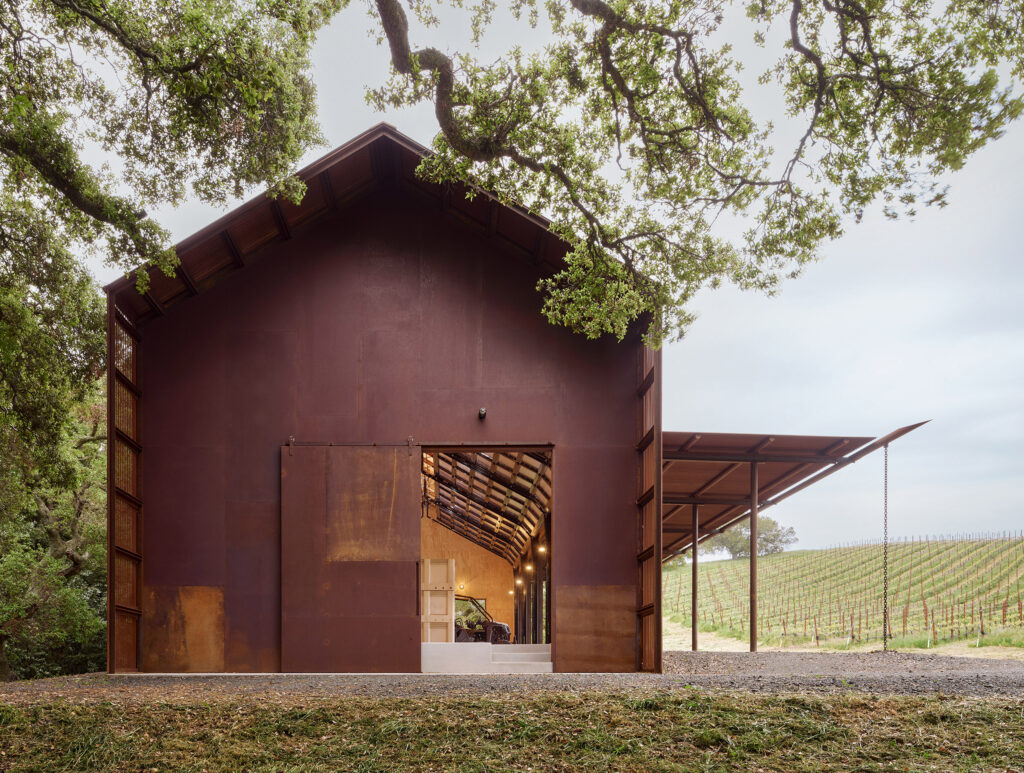
Clayton Korte
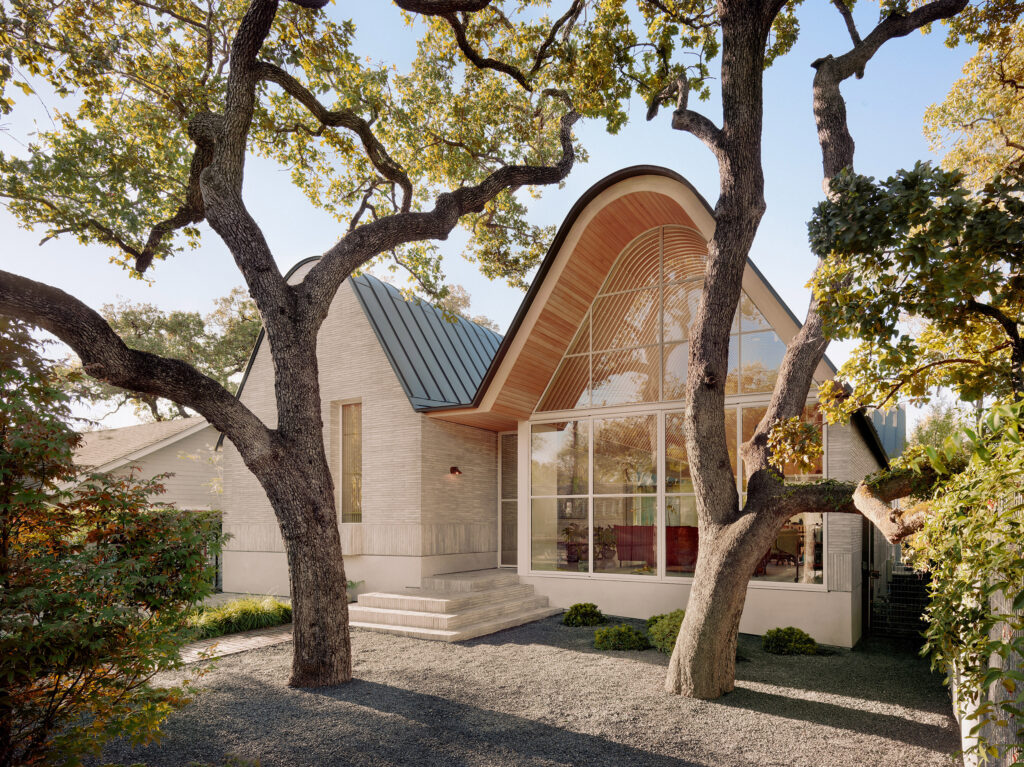
Michael Hsu Office of Architecture
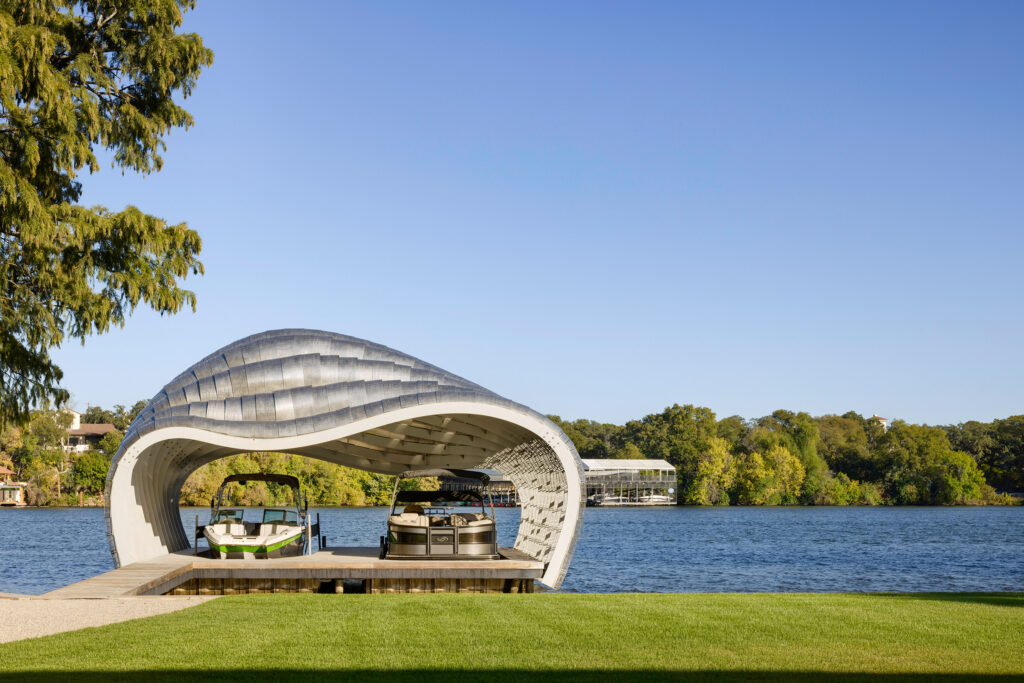
Miró Rivera Architects
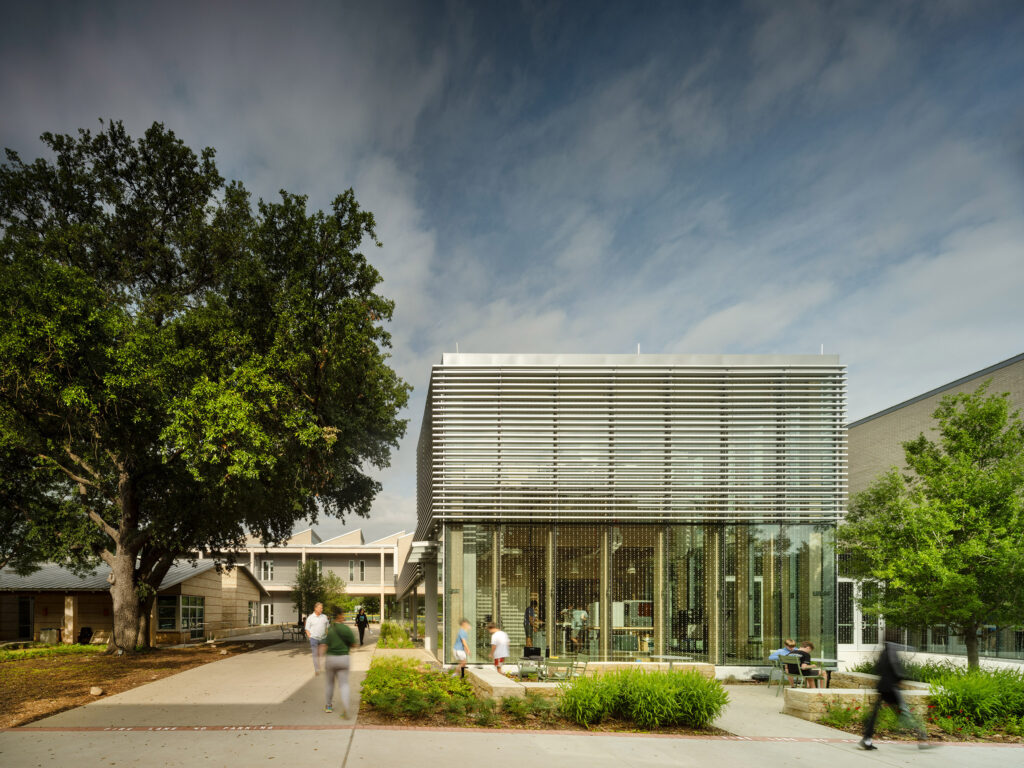
Bohlin Cywinski Jackson
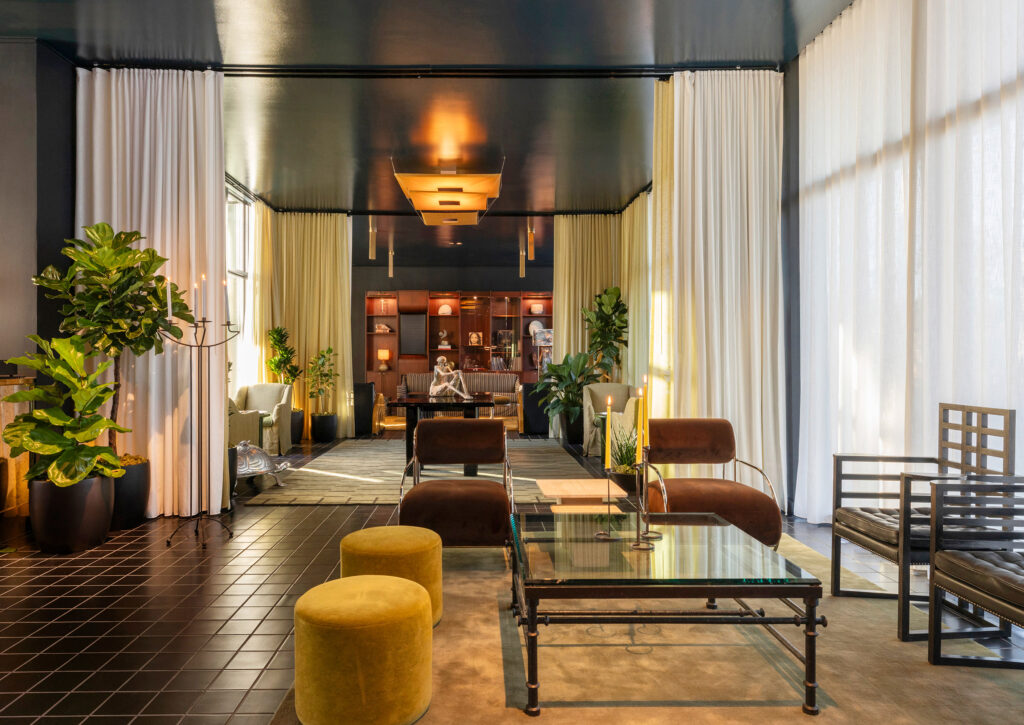
Lake Flato Architects
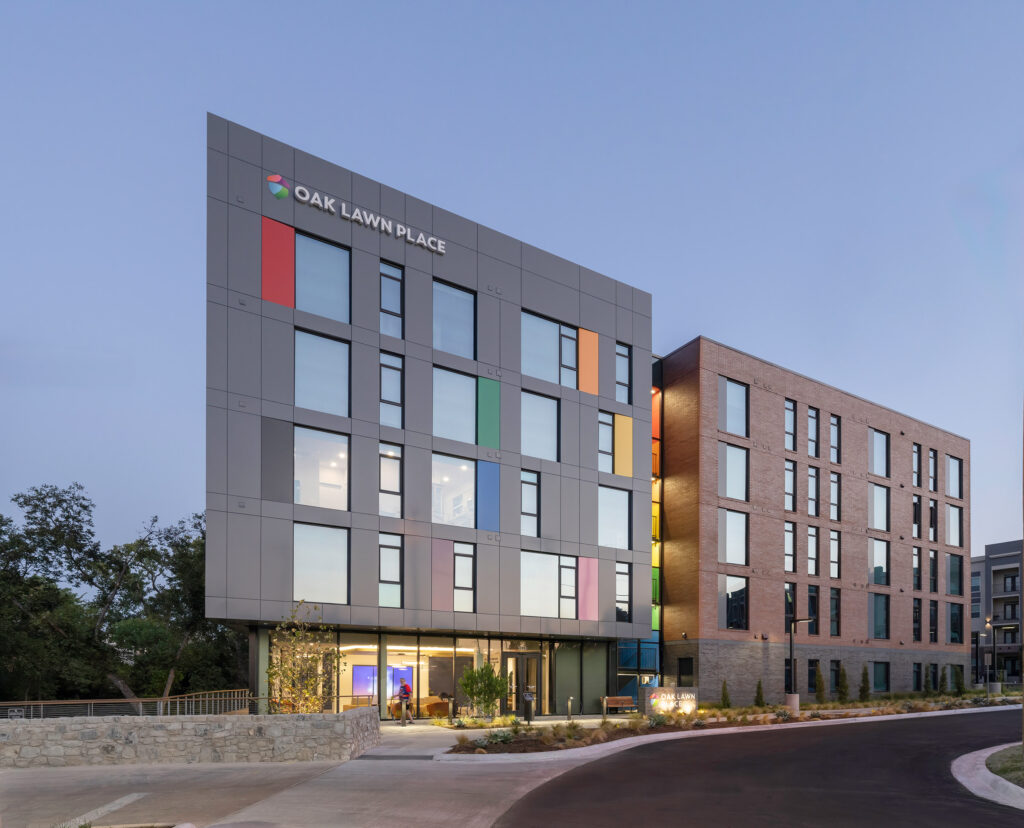
Perkins&Will
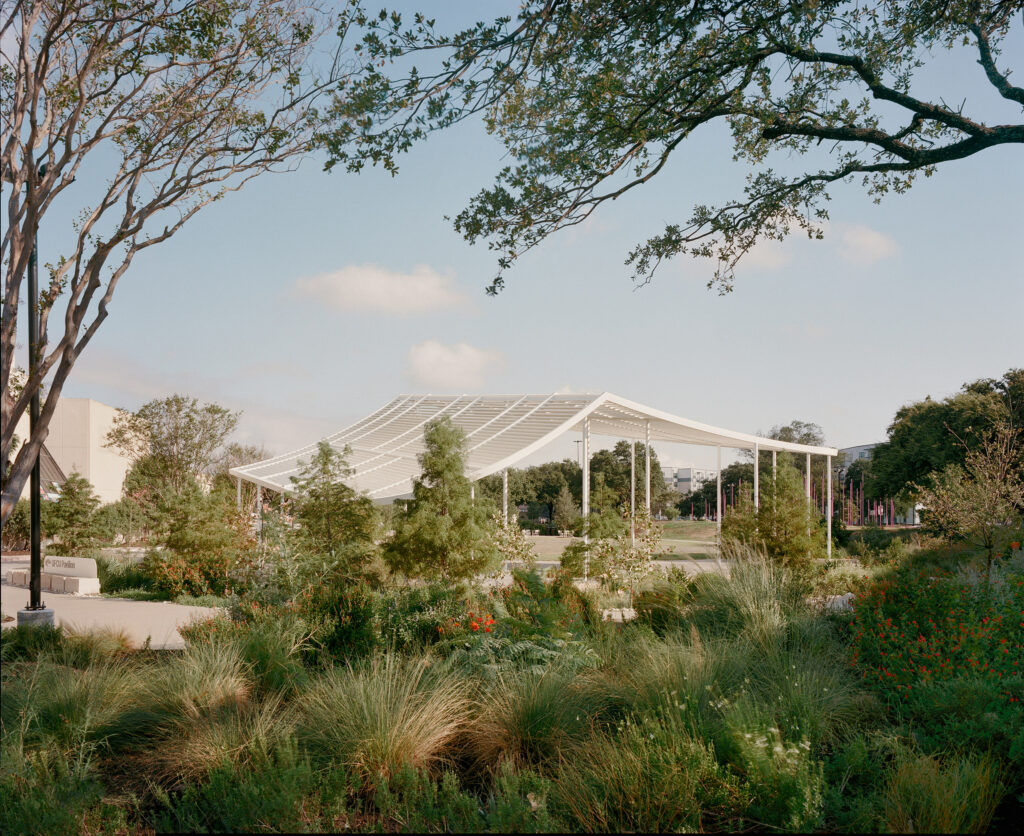
Agenda Architecture
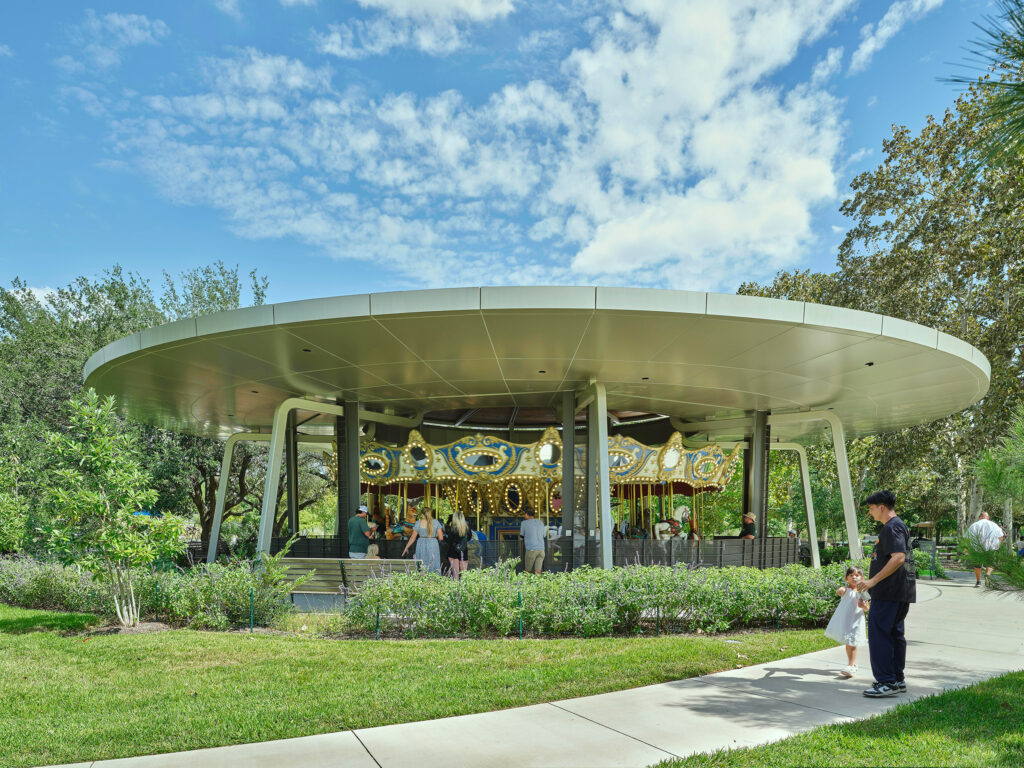
Marlon Blackwell Architects
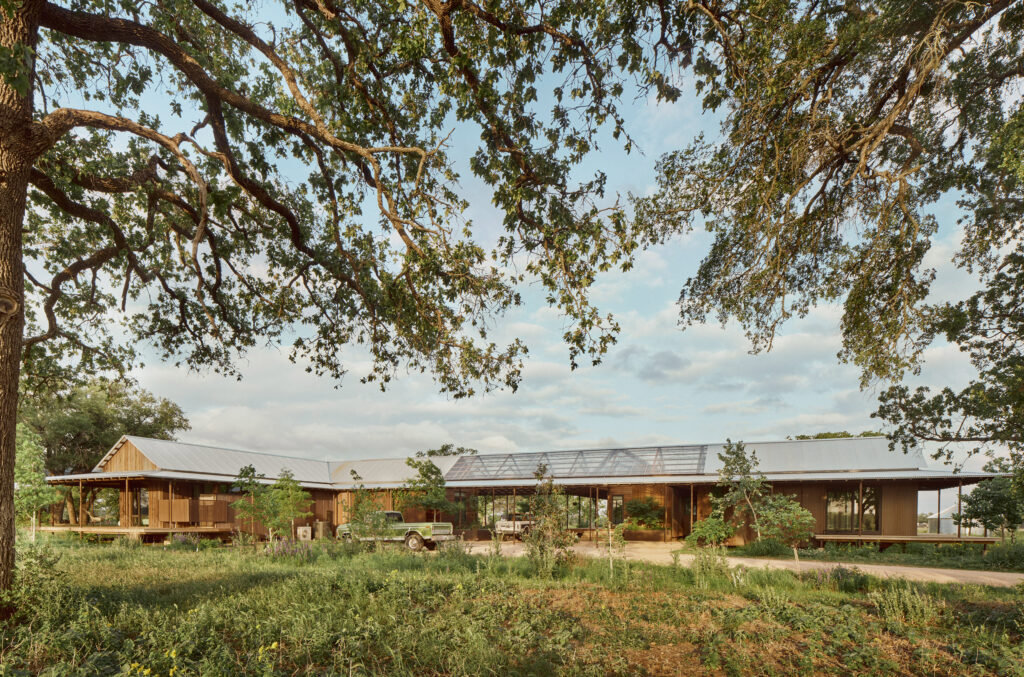
Baldridge Architects
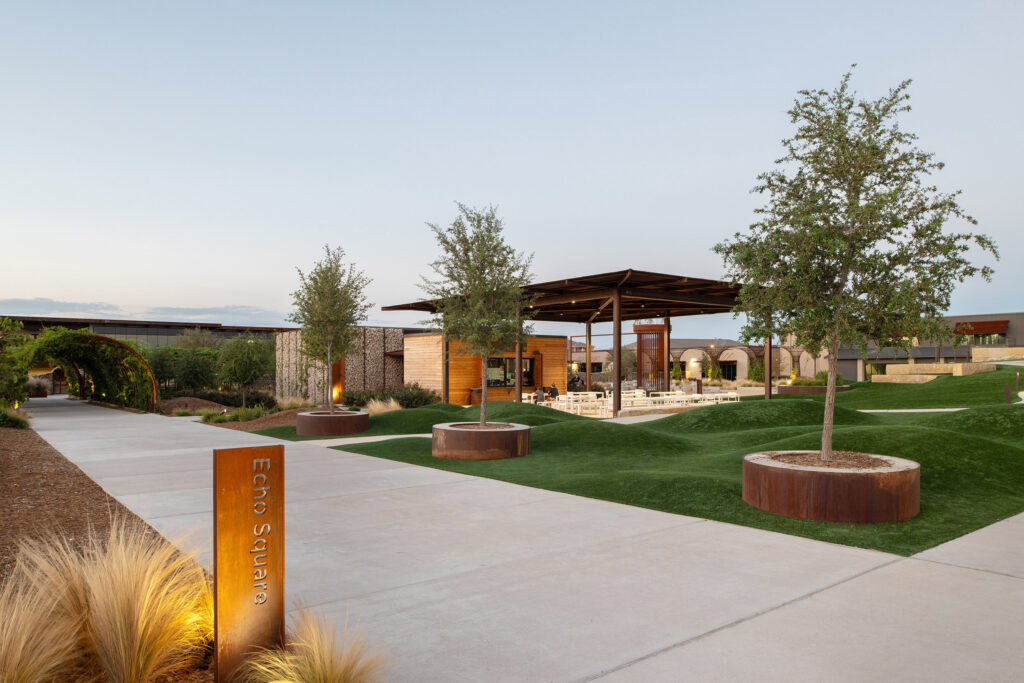
RWA
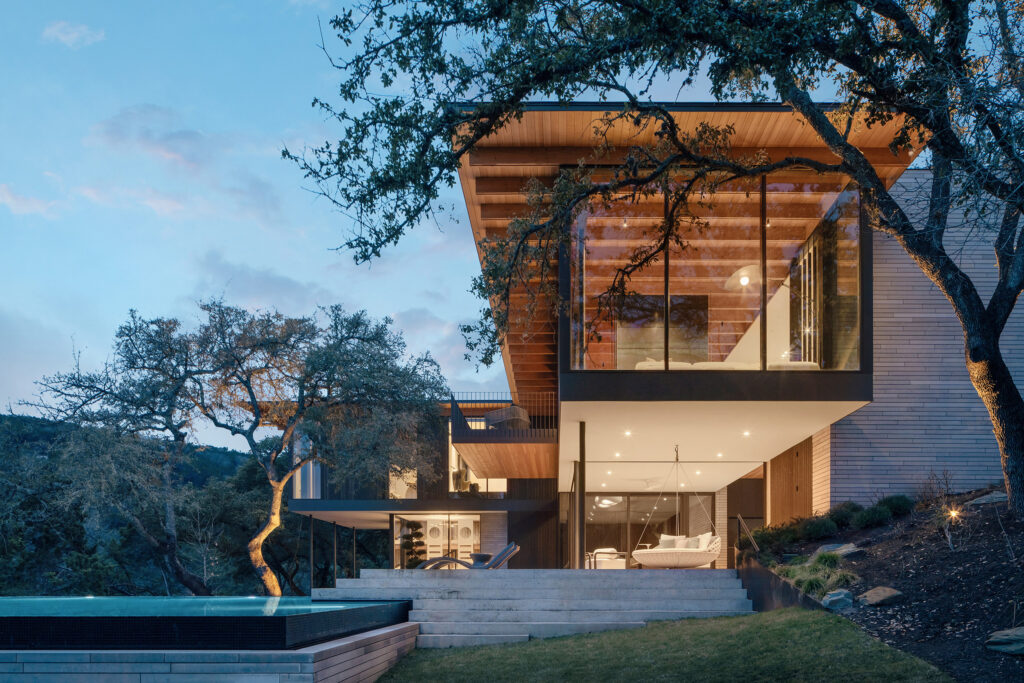
A Parallel Architecture
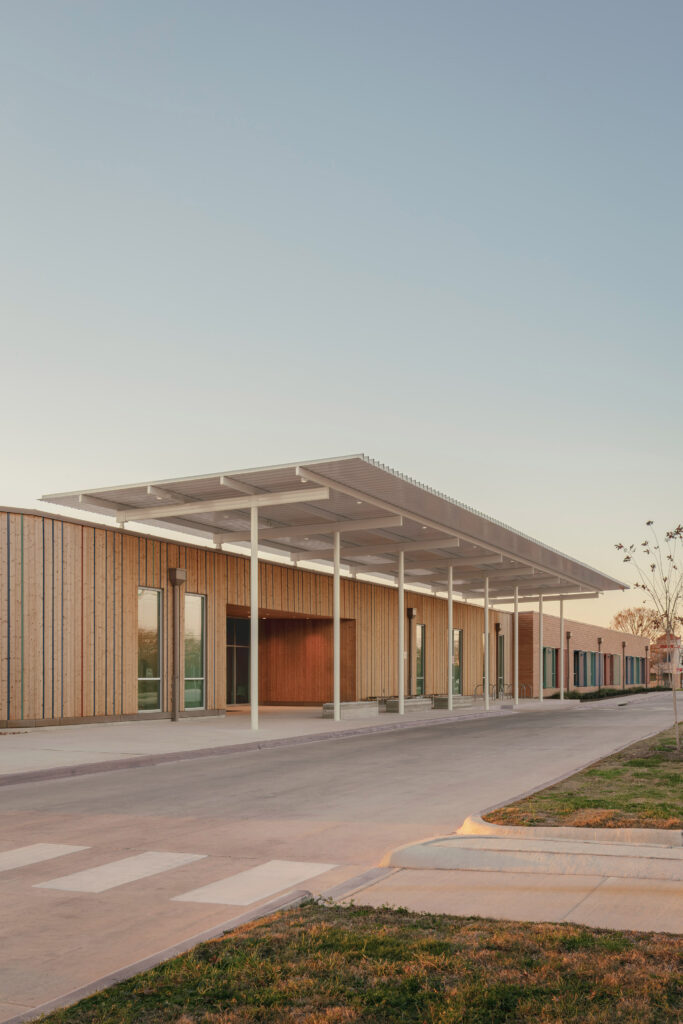
LPA Design Studios
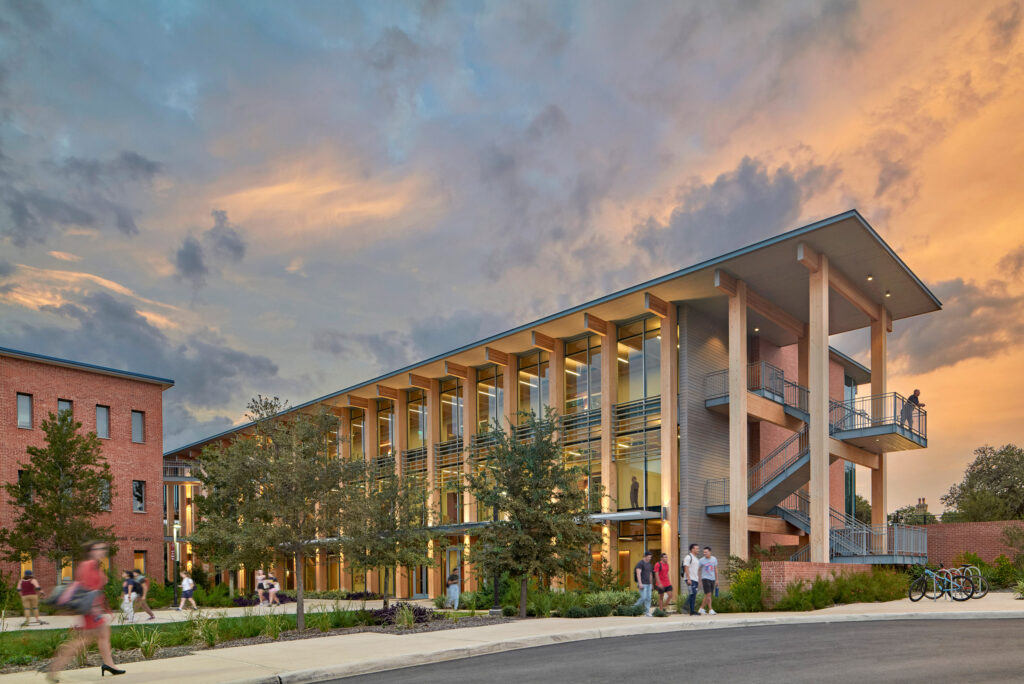
Lake Flato Architects
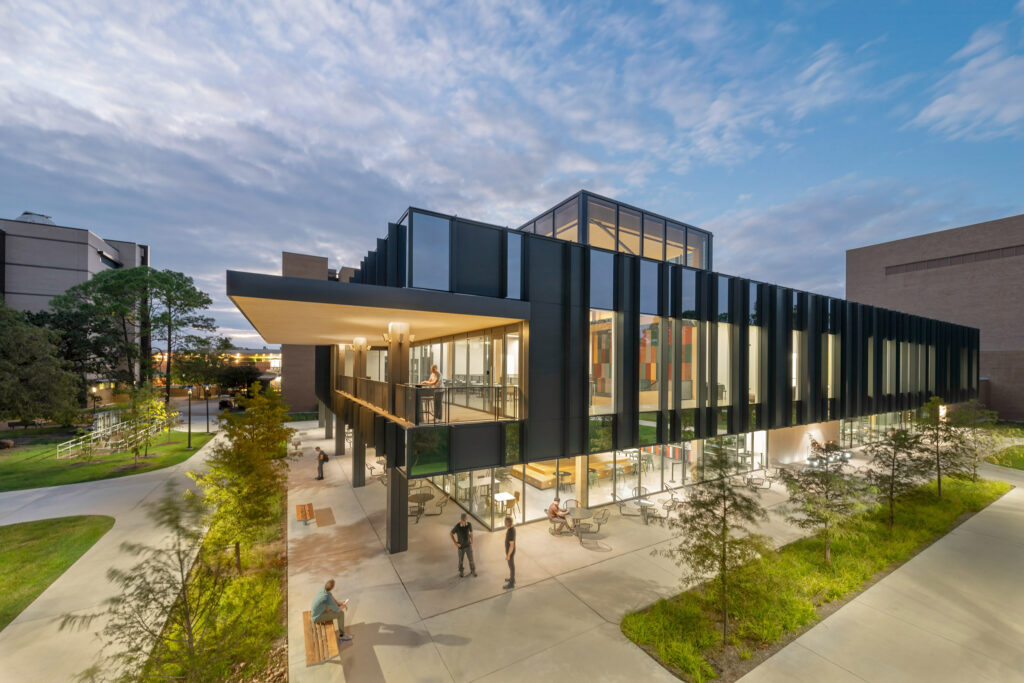
Perkins&Will
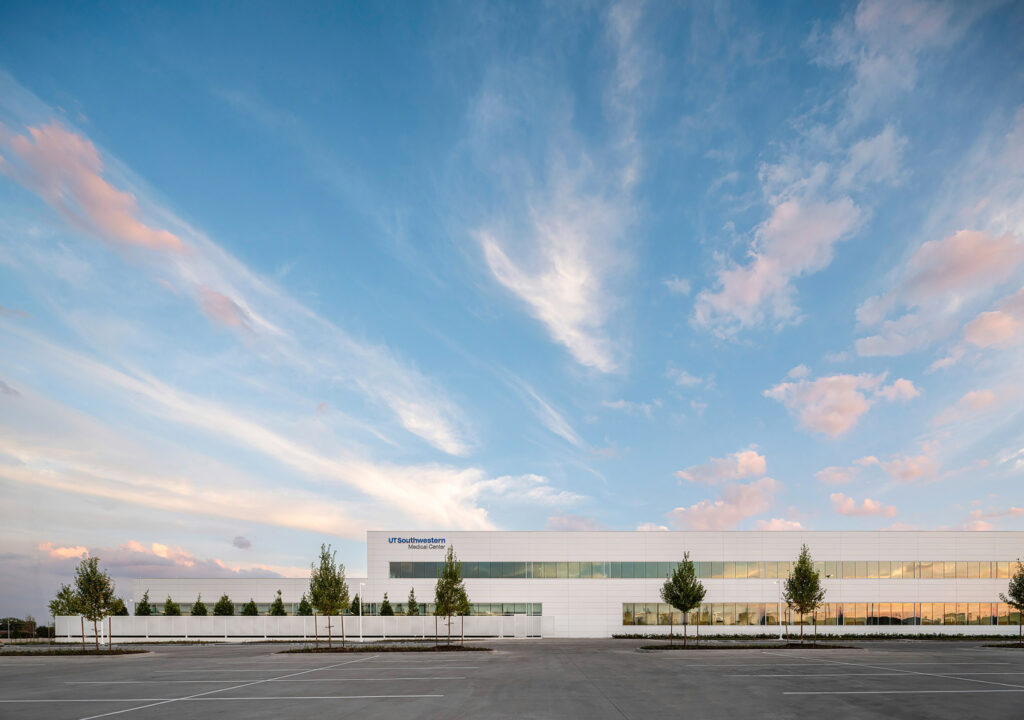
Perkins&Will
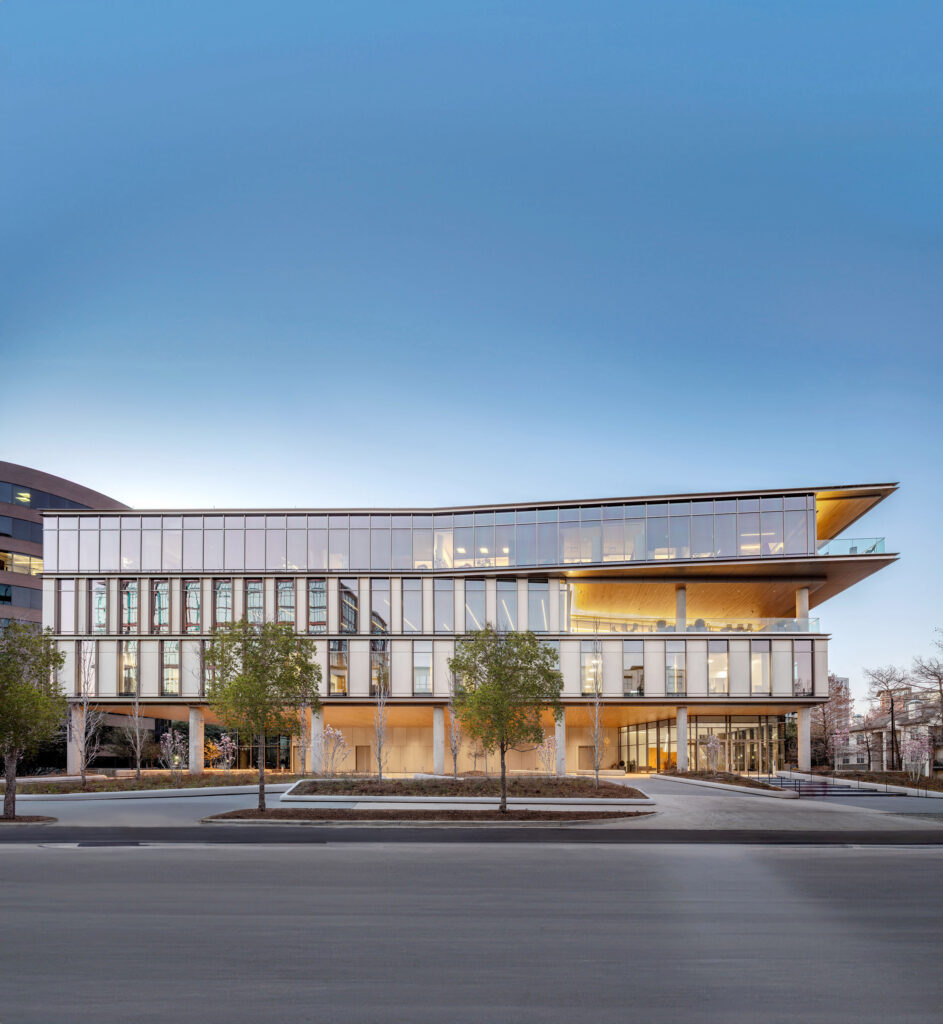
Beck Architecture
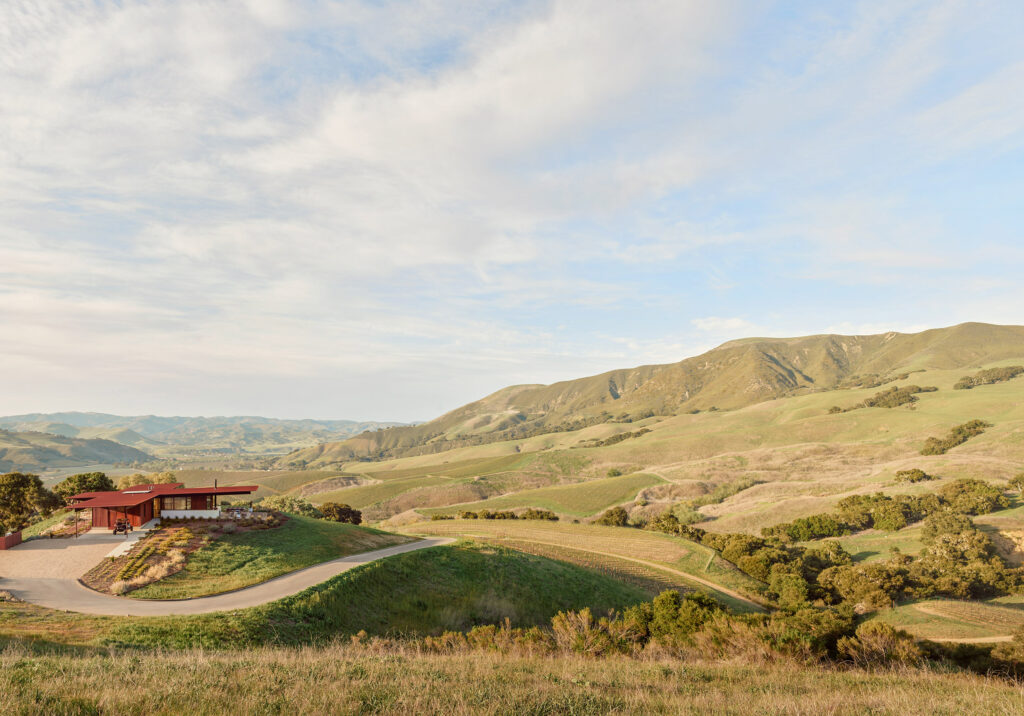
Clayton Korte
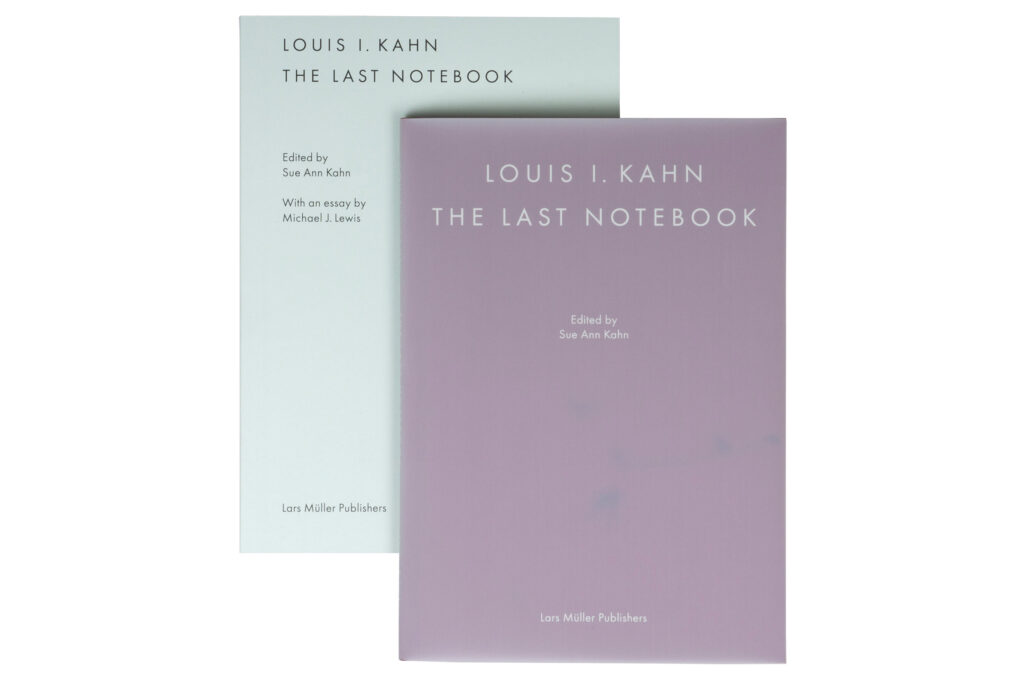
Louis I. Kahn: The Last Notebook
Louis I. Kahn, edited by Sue Ann Kahn
Lars Müller Publishers, 2024
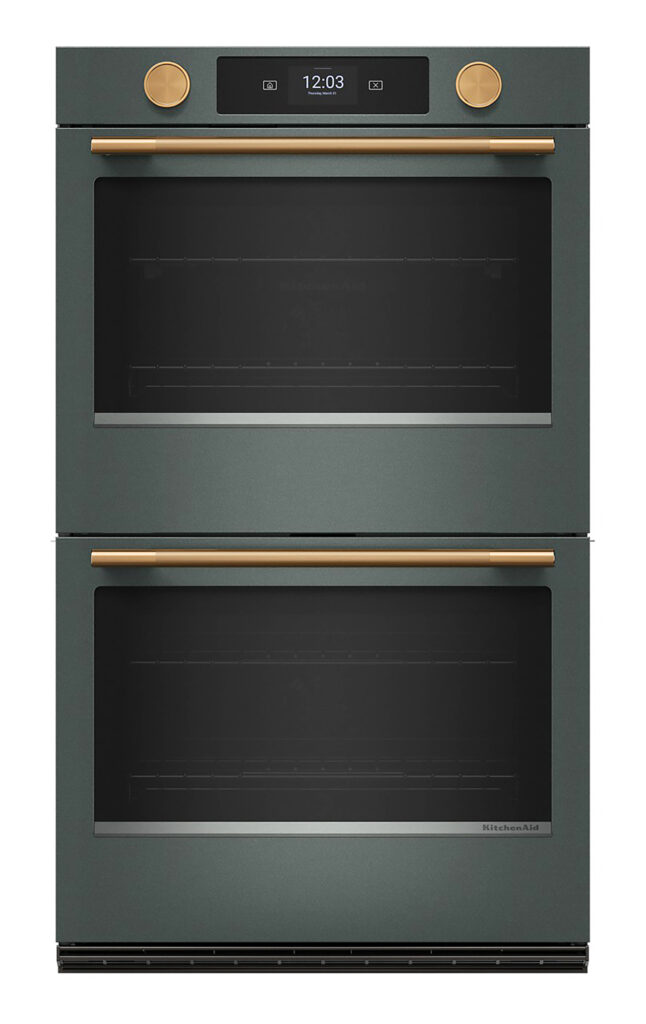
In this issue, we highlight a few of the “Best in Show” products from this year’s trade events, including the Kitchen & Bath Industry Show in Orlando, NeoCon in Chicago, and Clerkenwell Design Week in London.