Dec 17, 2025
As I reflect on my year serving as president of the Texas Society of Architects, I am filled with gratitude—for…

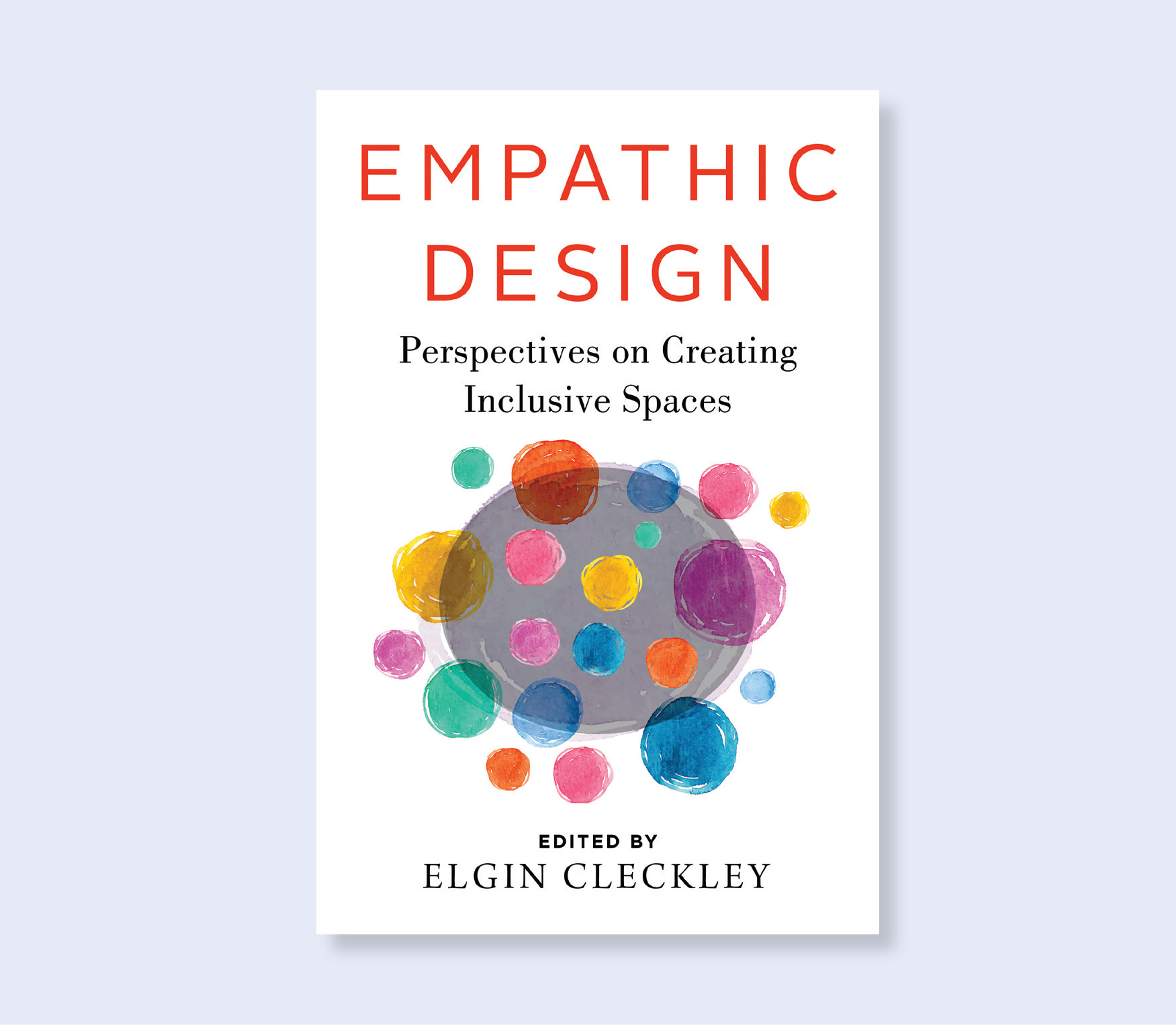
Empathic Design: Perspectives on Creating Inclusive Spaces
Elgin Cleckley, NOMA
Island Press, 2024
One of the most welcome parts of the book Empathic Design is that the condescending phrase “design intervention” is barely used. The idea that an architect or designer is intervening in anything is an ego-driven stance, even if a project is an important contribution to its community.
Editor Elgin Cleckley, NOMA, a professor at the University of Virginia School of Architecture and founder of _mpathic design studio, wants design practitioners to forego the ego. He takes the framework seriously, even removing the “e” in his studio name.
Another plus is that the book eschews the knee-jerk compulsion to use “radical” when describing new practices and theories. Words matter, obviously, in books. But the tendency to celebrate everything as “radical,” one could argue, suggests more about ego than innovation.
Empathic designers, Cleckley writes, engage stakeholders in familiar ways, like site visits and community forums, but also acknowledge their own biases when engaging a community. Additionally, he notes, it requires constantly looking at one’s practice with a critical eye. (Given this heft, however, he does not include recommendations for therapists, mood lights, or any form of self-care post-process.)
Cleckley brings together activist designers, theorists, and urban planners alongside more traditional practitioners. If it were a roundtable discussion, it might descend into a lively chaos that could almost serve as an argument for authoritarianism. Yet, read critically—and setting aside biases like Cleckley requests—their essays offer thoughtful insights that deepen the understanding of what it means to be “empathic.”
Cory Henry’s case study for the Freedom Center of Oklahoma City provides valuable insight for architects, driving home how this practice can do some good.
Henry, who founded his firm Atelier Cory Henry in 2017 and was awarded the 2025–2026 Rome Prize in Architecture by the American Academy in Rome, is already an innovative thinker. To him, architecture is not merely about infrastructure but also about space and what it means to a community. When the board of the Freedom Center OKC, the nonprofit in charge of the building, contacted him about renovating the deteriorating 1,500-sf site, Henry hesitated, but then put his skepticism aside once he understood its historical significance. The site was the operation center for the city’s civil rights activist Clara Luper. The planned renovation, which will include a small park with trees and benches, now represents Luper’s values and her commitment to the community.
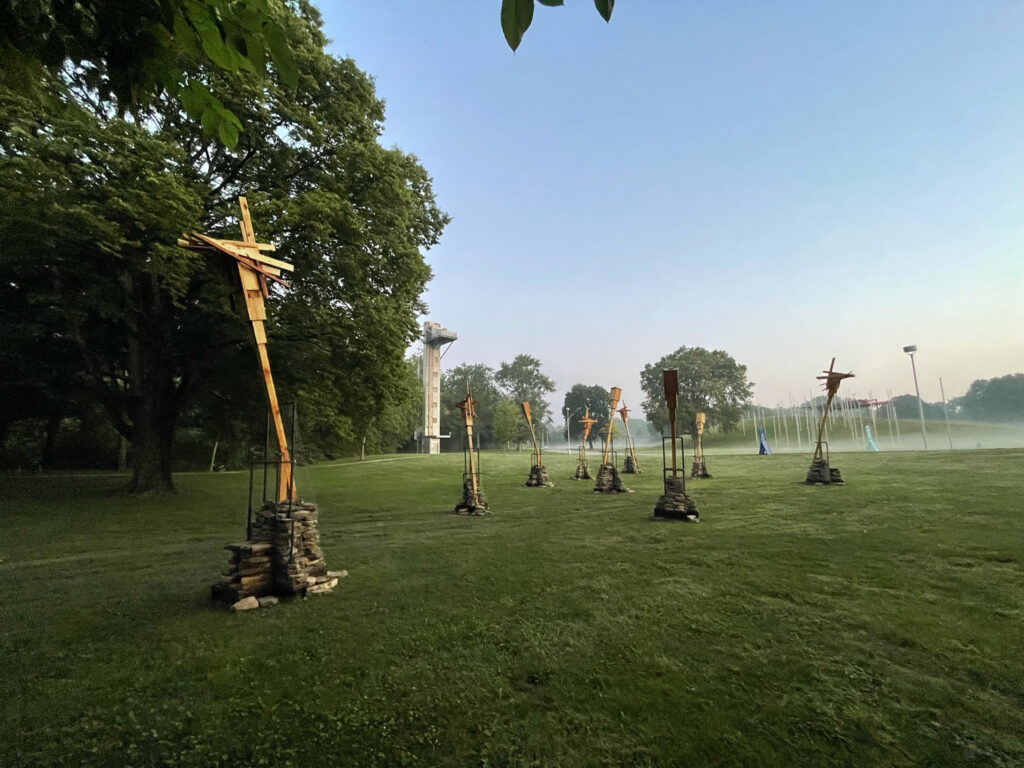
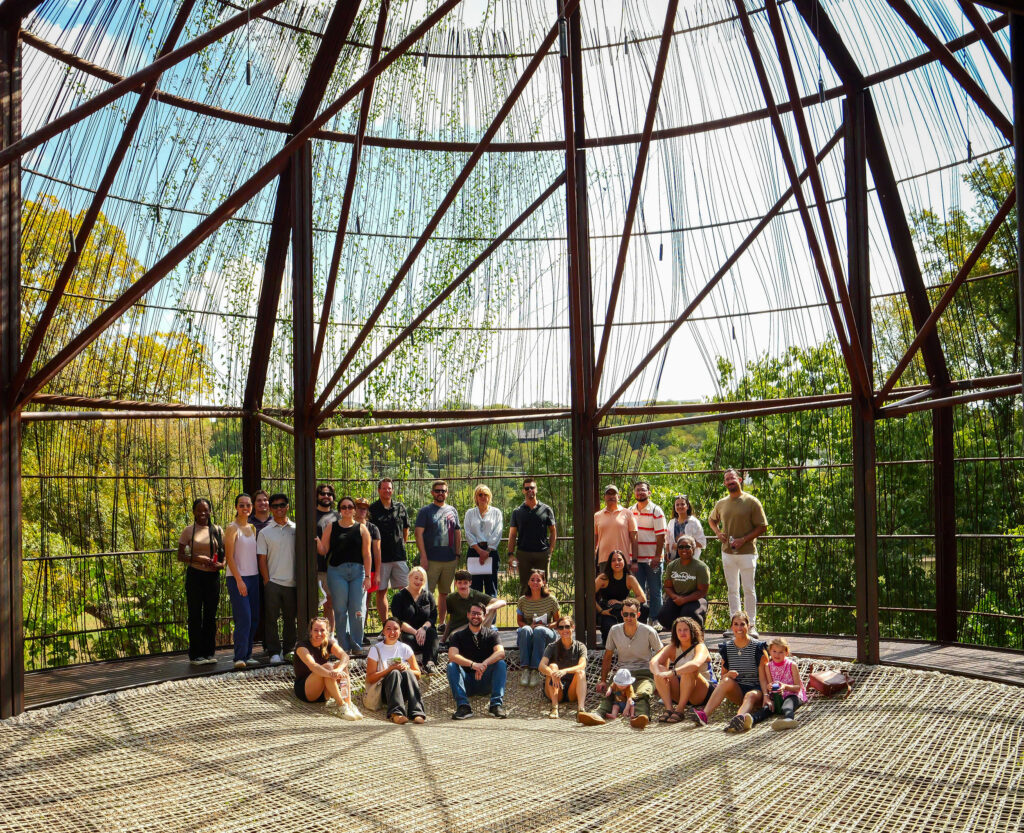
Contributor Joyce Hwang, AIA, architecture professor at the University at Buffalo, State University of New York, details how she thinks about other facets of the built environment, namely the animals and species around us. In 2021, as a University Design Research Fellow with Exhibit Columbus in Columbus, Indiana—a biennial celebration of the built environment—she built To Middle Species, With Love. The nine towers are habitats for bugs, birds, and common urban species we take for granted. She focuses on “non-human flourishing” and how to accommodate and integrate them into our lives.

In her essay, Christine Gaspar, a designer and planner who previously led the Center for Urban Pedagogy in New York City, addresses the unknown. Regarding questions such as “What does it look like to be accountable and compassionate toward the community your work is intended for?” and “What’s the alternative to current approaches to empathic design?”, Gaspar admits that there is more than one answer and that she doesn’t always have one. Yet, she asks these questions with the goal of creating a concise ethical framework building upon Cleckley’s foundation.
Unfortunately, her lack of clear answers doesn’t instill confidence in the future of applying empathic design principles. The discussion of broader implementation involves theorizing about practicing in a field meant to persevere in the face of strict regulations, ongoing systemic challenges involving equity, and adaptation to hostile environmental and political forces.
Perhaps empathetic principles are easier for small-scale projects, such as designer Liz Ogbu’s collaborations? Ogbu supplemented listening sessions with grieving sessions in a displaced Black community in the former Innerbelt neighborhood in Akron, Ohio. She brought in her own trauma working as a Black woman in a predominately white field, and the result is stunning. Ogbu worked with the former residents to collect oral histories of displaced people and created a base map with significant cultural and social sites recognizing the community.
Despite the compelling cases made in the book, a number of questions are not addressed in the essays and should be. Could it be that empathic design principles cannot apply to some projects, whether large-scale or small? On another level, how does one apply an empathic framework when working with a client whose project engages issues that go beyond acknowledging contested land—as Indigenous artist, community organizer, and writer Erin Genia describes in her essay on occupied land? What if the client is well-meaning but fails to understand their commission is, in fact, a problem? At some point, to be an empathic designer also requires including the “e.”

James Russell is a journalist in Fort Worth writing about art, the built environment, and politics. His writing has appeared in Landscape Architecture Magazine, CityLab, Arts and Culture Texas, and the Fort Worth Star-Telegram, among others.

Housing Policy and the Quest for Shelter

A new model for neonatal care
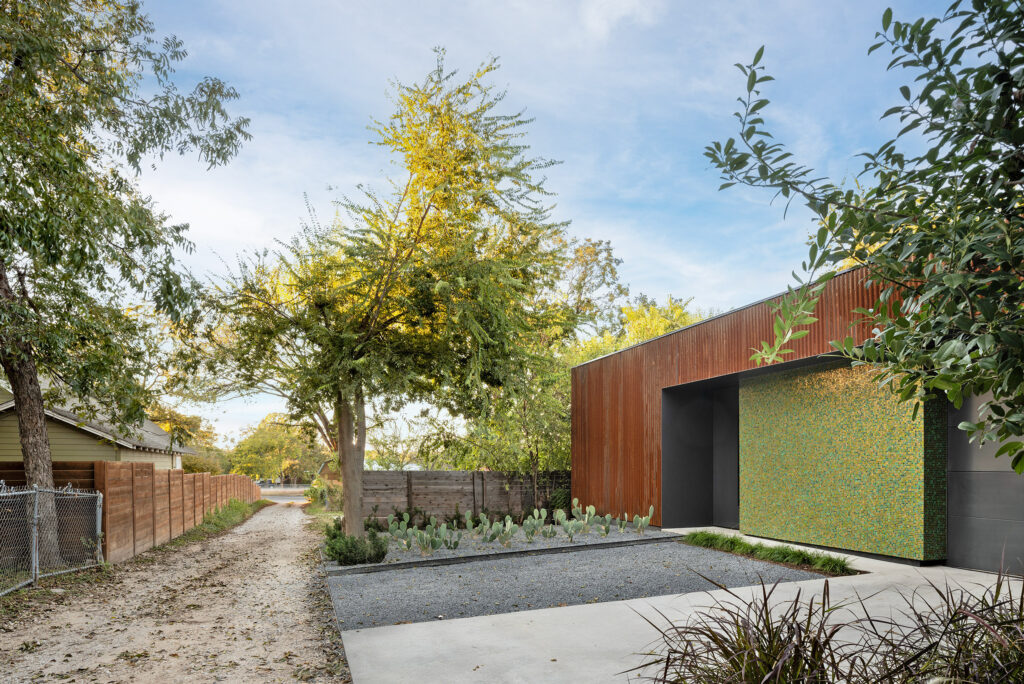
Austin’s Stealth House defies convention.
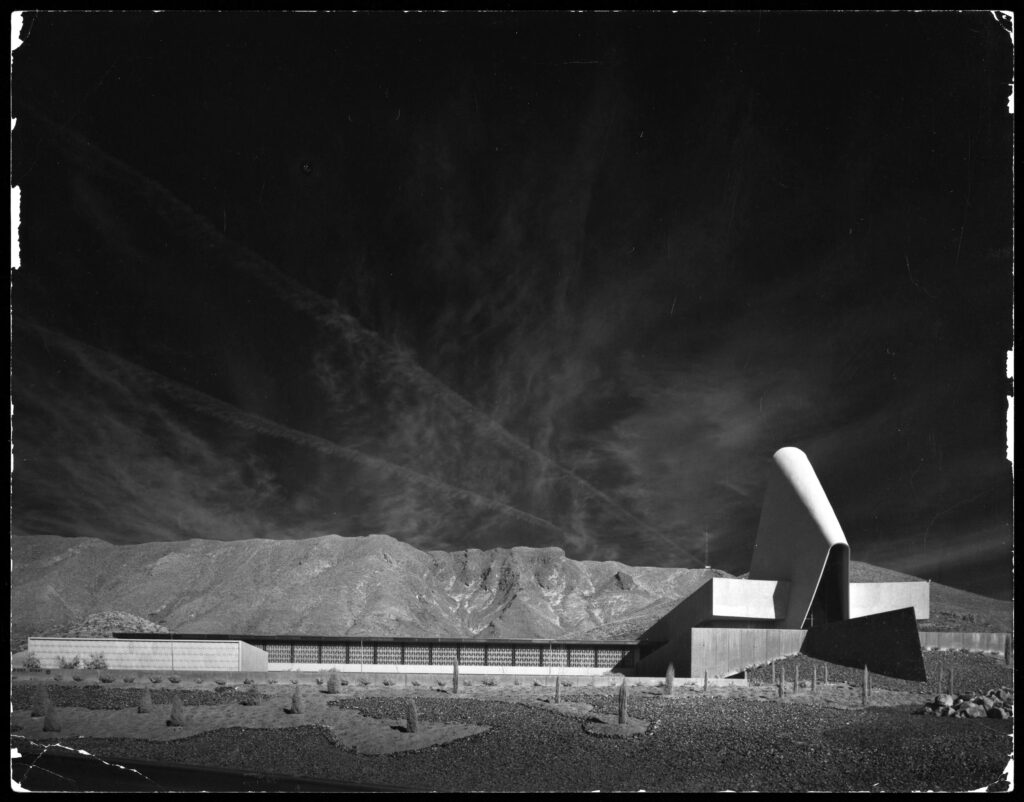
The making of El Paso’s Temple Mount Sinai
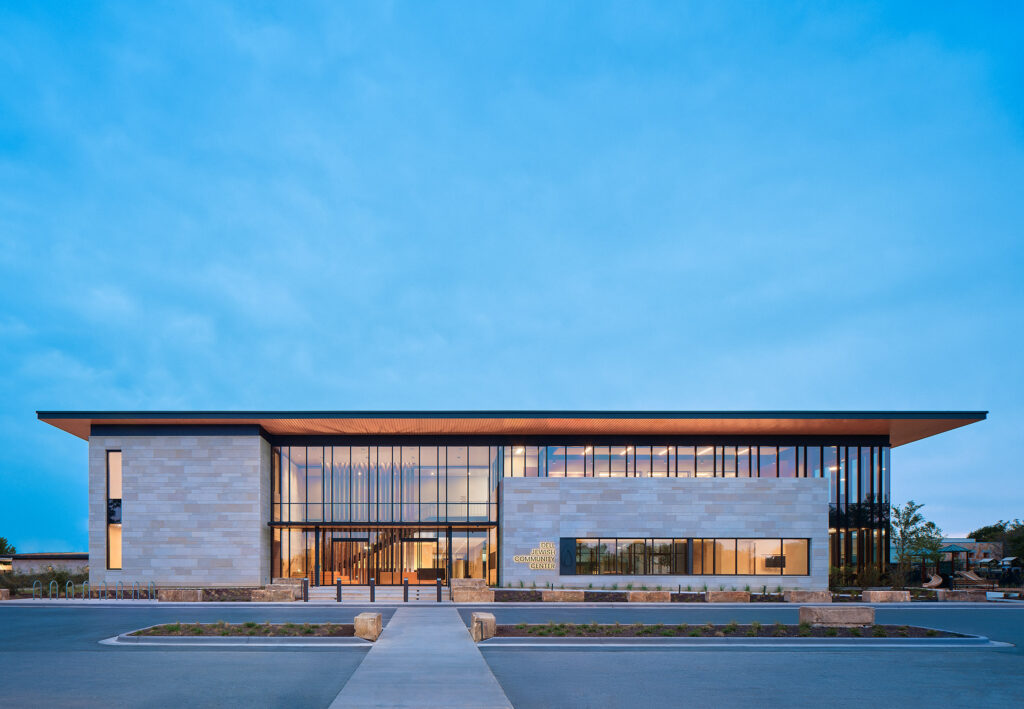
A bustling community center for Northwest Austin

Exploring new possibilities for green burial
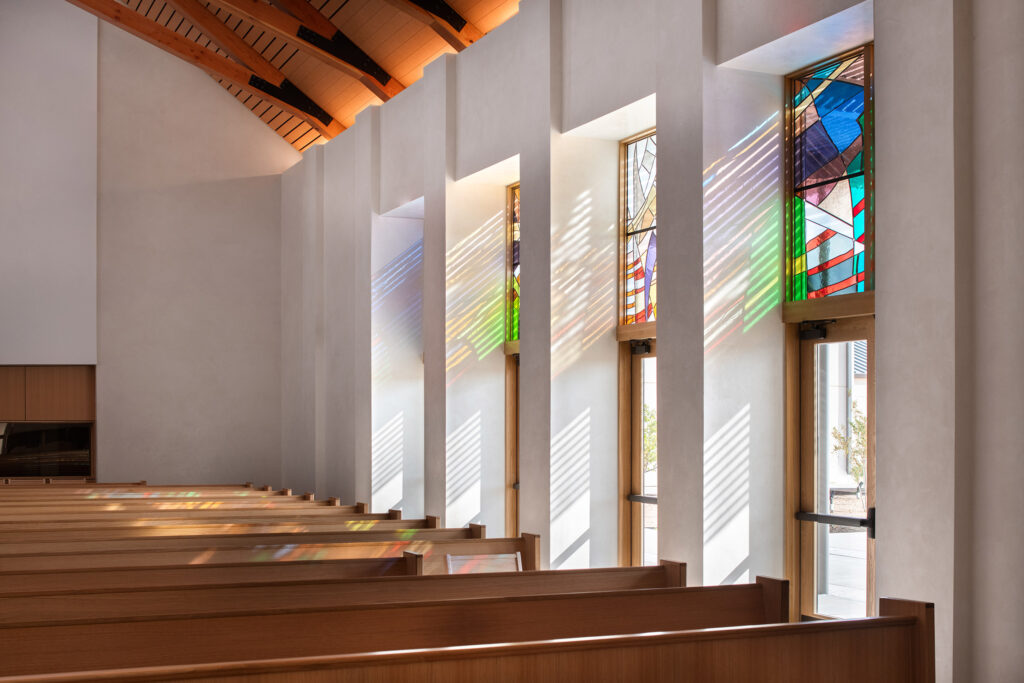
A new home for a West Texas church
The first phase of UT Dallas’s new arts complex revealed


Creating the Regenerative School
Alan Ford, FAIA, Kate Mraw, and Besty del Monte, FAIA
Oro Editions, 2024