Dec 17, 2025
As I reflect on my year serving as president of the Texas Society of Architects, I am filled with gratitude—for…


In 1923, Governor Pat Neff tasked the newly established Texas State Parks Board to travel throughout the state in search of places where Texans “might go and forget the anxiety and strife and vexation of life’s daily grind.” Although the board’s six members identified over 50 promising tracts of land, the Texas Legislature provided no funding to develop these properties into functioning state parks. It would take another decade—and the descent of the economy into the Great Depression—for circumstances to align, allowing for the creation of a system of state parks resembling the one that exists today.
The first Civilian Conservation Corps (CCC) camps in Texas were established in the summer of 1933. The stated goal of this New Deal federal relief program was to put unemployed young men (and some older World War I veterans) to work on conservation projects and other “useful public work.” In Texas, the CCC focused its efforts on developing state parks. In addition to building the rustic overlooks, cabins, and refectories the CCC is known for today, it also constructed roads, trails, and hidden infrastructure systems required of a functioning park.
The 28 state parks developed by the CCC between 1933 and 1942 formed the core of a system that now includes 89 parks, historic sites, and natural areas. Yet, even as the number of state parks has grown and their mission has evolved, one constant has been a recurring cycle where parks struggle for decades with inadequate funding before the Texas Legislature acts to provide a mechanism to pay for overdue improvements and needed acquisitions. Despite the growing popularity of state parks both during and immediately after the Second World War, state funding was minimal after federal funding (via the CCC) was eliminated. This continued until 1967, when the Texas Legislature passed a bond allowing the Texas Parks and Wildlife Department (the agency created by the 1963 merger of the State Parks Board and the Game and Fish Commission) to purchase land for new parks and make improvements to existing ones. Several decades later, in 1993, the legislature would designate a portion of the sales tax collected from the sale of sporting goods to fund state parks, although the exact portion would vary from year to year.
Even during times of limited or unpredictable financing, incremental improvements were still being made to Texas State Parks. Ford, Powell & Carson of San Antonio has been involved in several recent efforts, including a 2018 restoration of the CCC-built “Custodian’s Cottage” at Goliad State Park and a new visitor center at Mission Tejas State Park completed the following year.
And in addition to work at existing state parks, acquisitions to create new state parks have occurred as well. In 2010, the state began purchasing what would eventually become the 4,871 acres of Palo Pinto Mountains State Park. Located on former ranch land an hour’s drive west of Fort Worth, the first new state park to be added to the system in 18 years possesses all the scenic canyons, lakes, and forests expected of a state park. The layout of its amenities was designed by Texas Parks and Wildlife Department planners and reflects current visitor preferences. Individual campsites, for example, are located further away from one another to provide more privacy while accommodating the larger size of contemporary RVs. Other amenities, such as trails and fishing piers, are designed to be accessible to visitors with varying levels of mobility.
The largest building in the new park is the Kelsey Warren Visitor Center, designed by Bennett Partners of Fort Worth. Michael Bennett, AIA, has been working on the park’s design for over a decade but has been familiar with the area for much longer. He grew up in nearby Ranger, where he remembered coming across a ruined hunting lodge on a local lake. “It was built of stone with a metal roof and a large front porch and inspired our design approach to the park’s buildings,” he recalled. “The materials were locally available and easy to maintain which, in a remote location, is as important today as it was then.”
Palo Pinto Mountains State Park will open to the public next year. It was originally scheduled to open in 2023, but COVID-related shutdowns and supply chain issues complicated the construction process. Additional delays resulted from the fact that funding had to be pieced together from multiple sources over time.
In addition to the work at Texas State Parks, improvements are also underway at National Parks located in Texas. Signed into law in 2020, the Great American Outdoor Act (GAOA) provided $9.5 billion to address maintenance and repair backlogs throughout the National Park System. In 2023, a grant funded by the GAOA paid for repairs to the Espada Aqueduct, one of the sites managed by the National Park Service as part of San Antonio Missions National Historic Park. Three hundred miles to the west, work will soon begin on the new Chisos Mountains Lodge at Big Bend National Park.
Located within the rugged basin that rises from the Chihuahuan Desert, the original lodge was constructed in 1964 but was plagued by structural, functional, and accessibility issues. It will be demolished next spring and replaced by a new facility designed by Architectural Resources Group of San Francisco. The new facility will improve functionality while providing an outdoor dining area whose second floor location prevents Big Bend’s resurgent black bear population from joining restaurant guests.
Although there are no immediate plans for new National Parks in Texas, a number of new State Parks are on the horizon. Coinciding with the 100-year anniversary of the Texas State Parks Board, in 2023, voters approved a proposition creating the Centennial Parks Conservation Fund. In the coming years, the fund will invest $1 billion to acquire new land and develop it into parks.
Centennial funds will be used to develop both Post Oak Ridge State Park in Burnet and Lampasas Counties as well as Bear Creek State Park in Uvalde County. As with Palo Pinto Mountains State Park, it will take years to develop these properties into fully functional parks, but a strategy has been adopted to make these and other new acquisitions accessible in a limited capacity on a much shorter timeframe.
With larger and more predictable sources of funding secured, the Texas Parks and Wildlife Department is in a position to usher in a new era of park development in Texas. Together with the state’s National Parks, Texas State Parks will continue to play an important role in conserving the natural beauty of the state while providing its growing population with even more opportunities to escape the “strife and anxiety and vexation” that is as much a part of daily life today as it was a century ago.

Brantley Hightower, AIA, is the founding partner of HiWorks in San Antonio and the former interim editor of Texas Architect.


Housing Policy and the Quest for Shelter

A new model for neonatal care
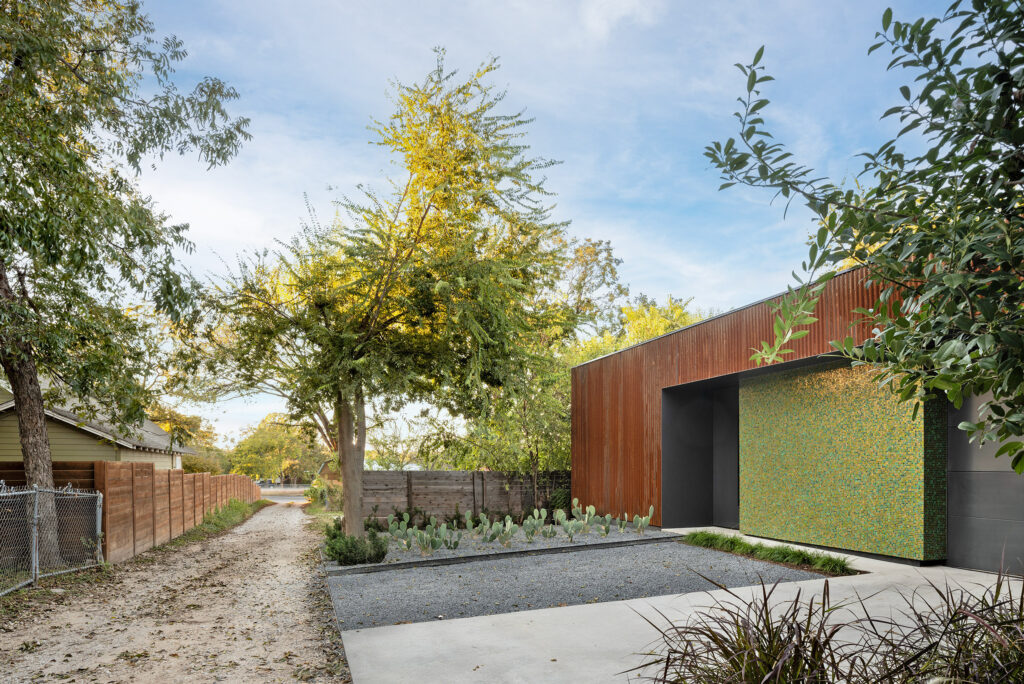
Austin’s Stealth House defies convention.
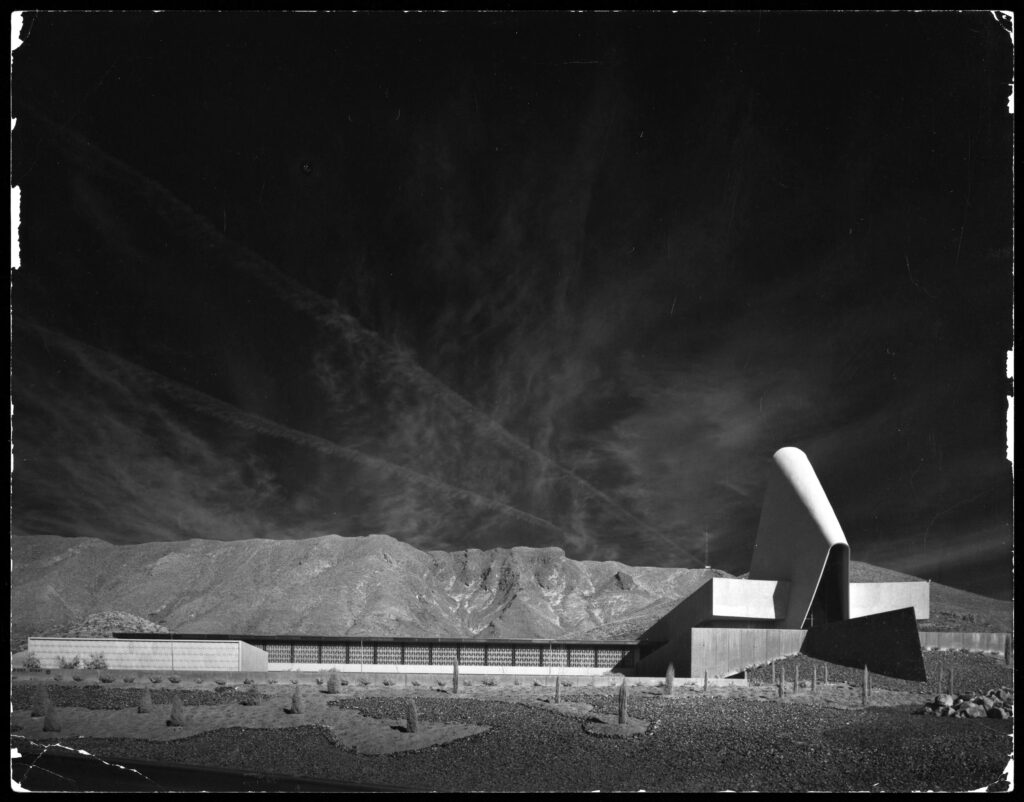
The making of El Paso’s Temple Mount Sinai
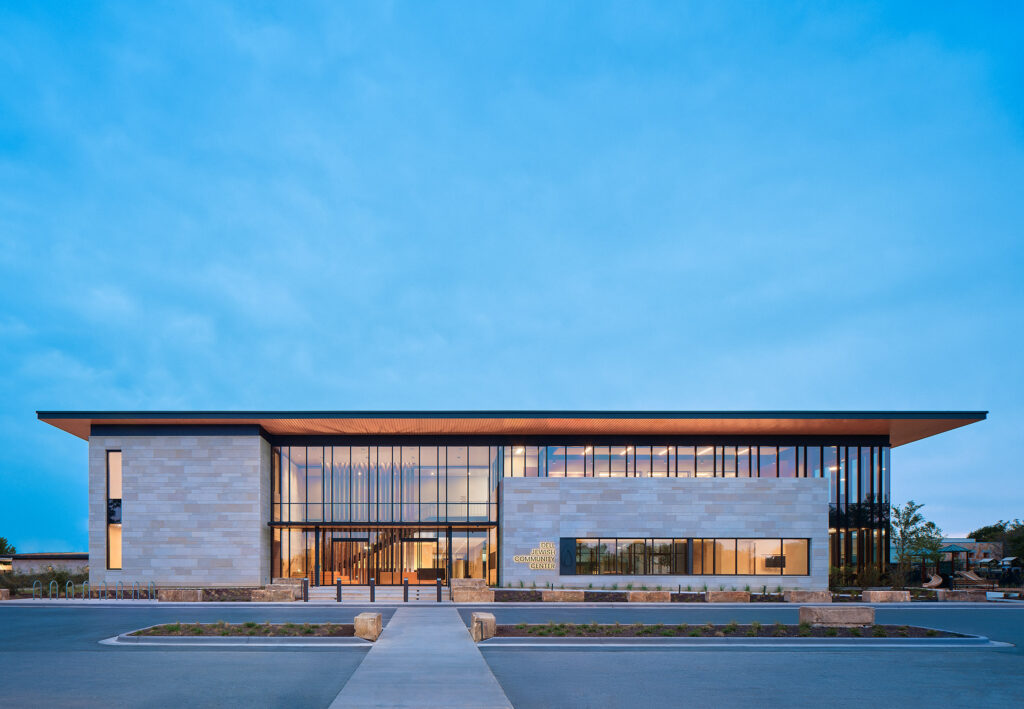
A bustling community center for Northwest Austin

Exploring new possibilities for green burial
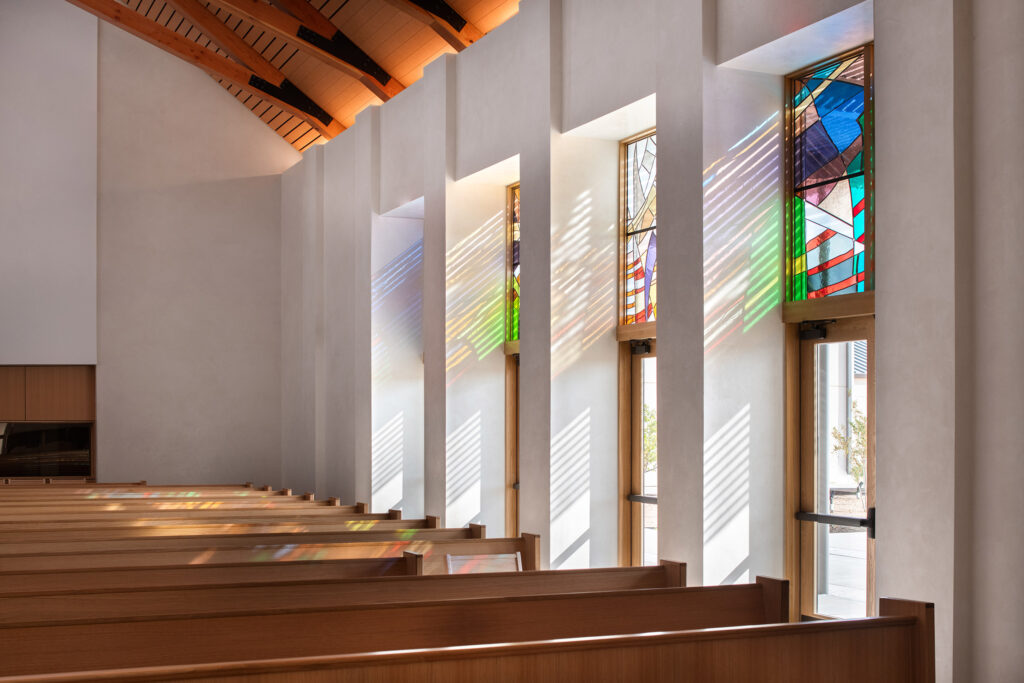
A new home for a West Texas church
The first phase of UT Dallas’s new arts complex revealed


Empathic Design: Perspectives on Creating Inclusive Spaces
Elgin Cleckley, NOMA
Island Press, 2024

Creating the Regenerative School
Alan Ford, FAIA, Kate Mraw, and Besty del Monte, FAIA
Oro Editions, 2024