Dec 17, 2025
As I reflect on my year serving as president of the Texas Society of Architects, I am filled with gratitude—for…

Austin’s Stealth House defies convention.
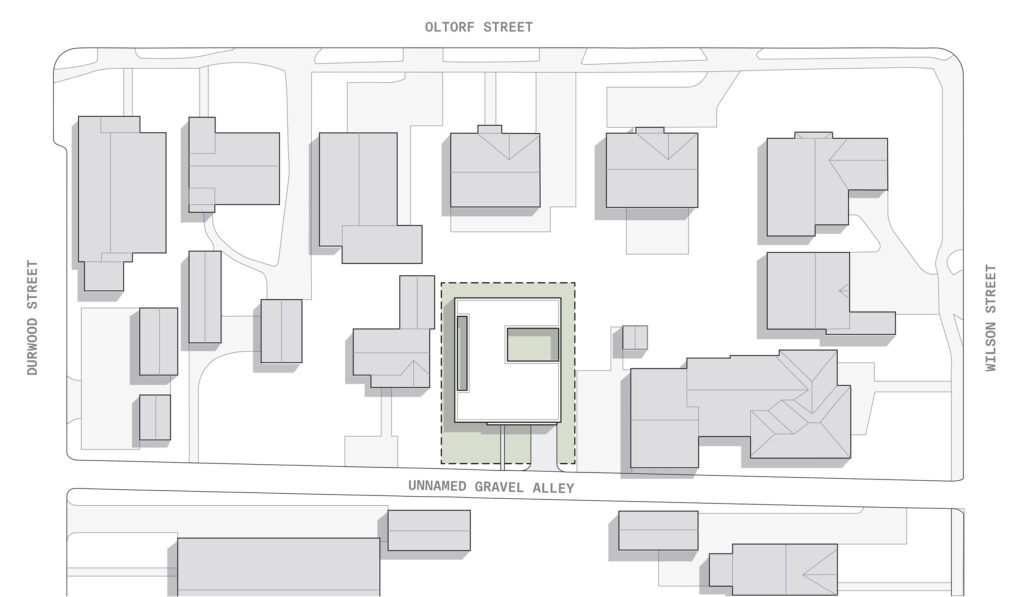
Nestled in an alleyway in Austin’s Dawson neighborhood is a tiny oasis hidden in plain sight—and that’s the idea. Designed by the owner, Scott Specht, AIA, of Specht Novak, this additional dwelling unit (ADU) pushes the boundaries of what a house can be, without broadcasting it to the world. Normally, when we think of ADUs, we think of small, vernacular structures that speak to their neighborhoods, cultivate community, and create a new kind of urbanism; the Stealth House defies these expectations. Taking inspiration from traditional courtyard house types such as the Roman domus, the Stealth House departs from any form of Austin vernacular.
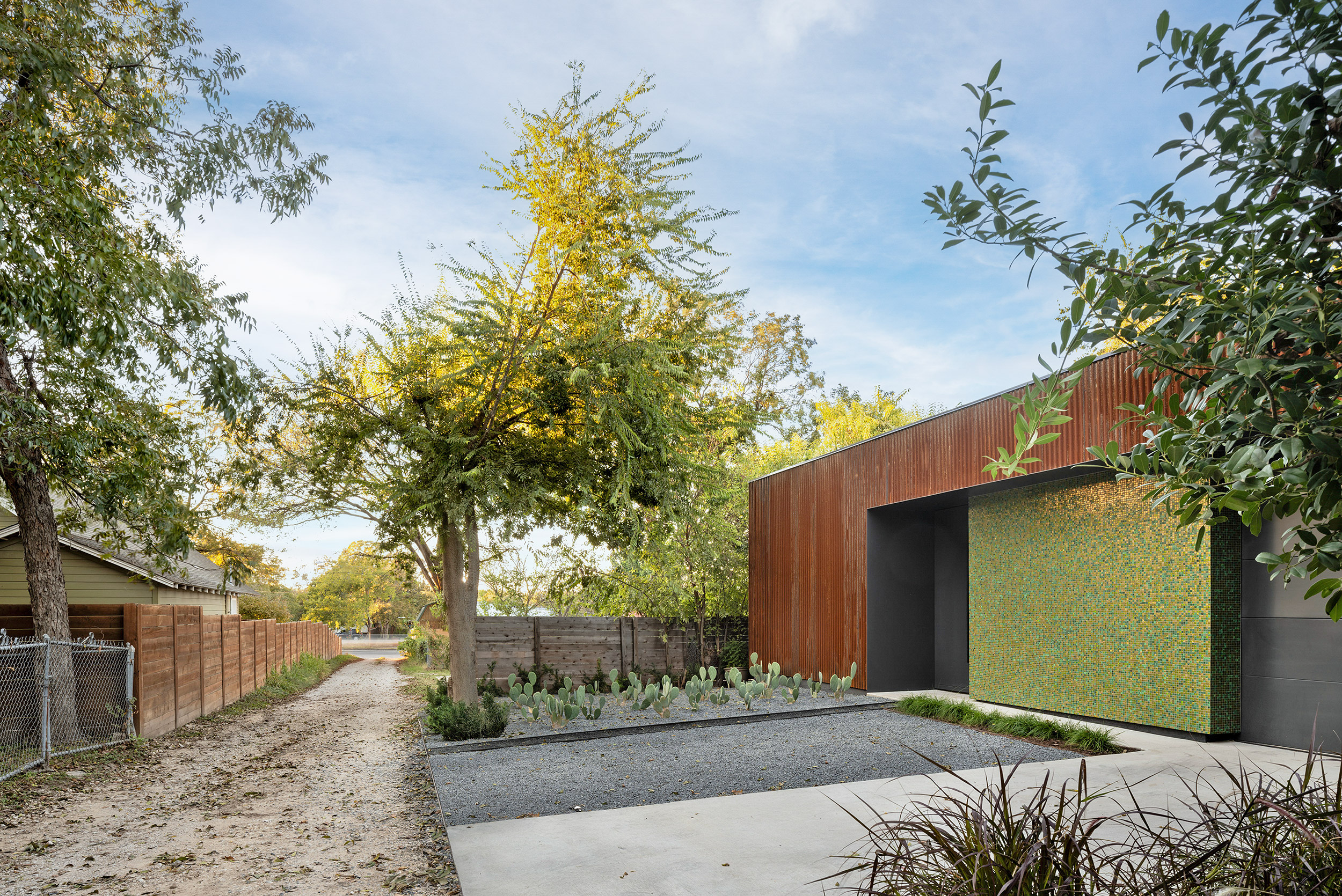
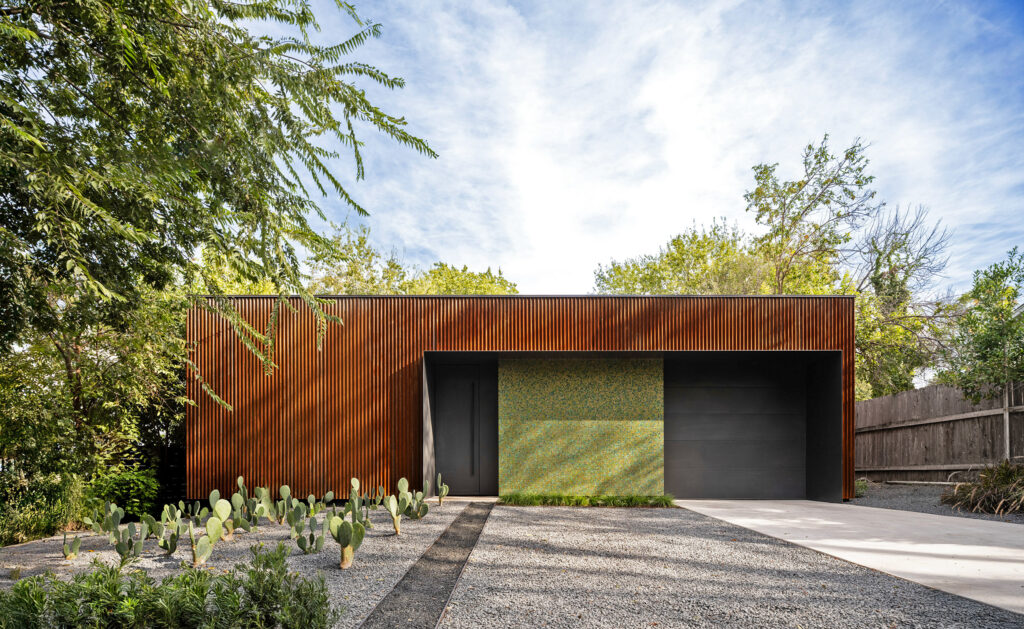
Wrapped in Cor-Ten steel, the house’s exterior is stark, with no visible windows and a facade that is completely blank, save for a garage door, front door, and small patch of shimmering Bisazza tile. Its public-facing landscaping is equally spare: a few spineless prickly pear cacti planted among gravel. You might think that such a blank, private design would rub neighbors the wrong way; however, as the name suggests, most of them didn’t even realize that the project was there—at least not until the AIA Austin Homes Tour brought a swarm of well-dressed strangers into its unnamed alley.
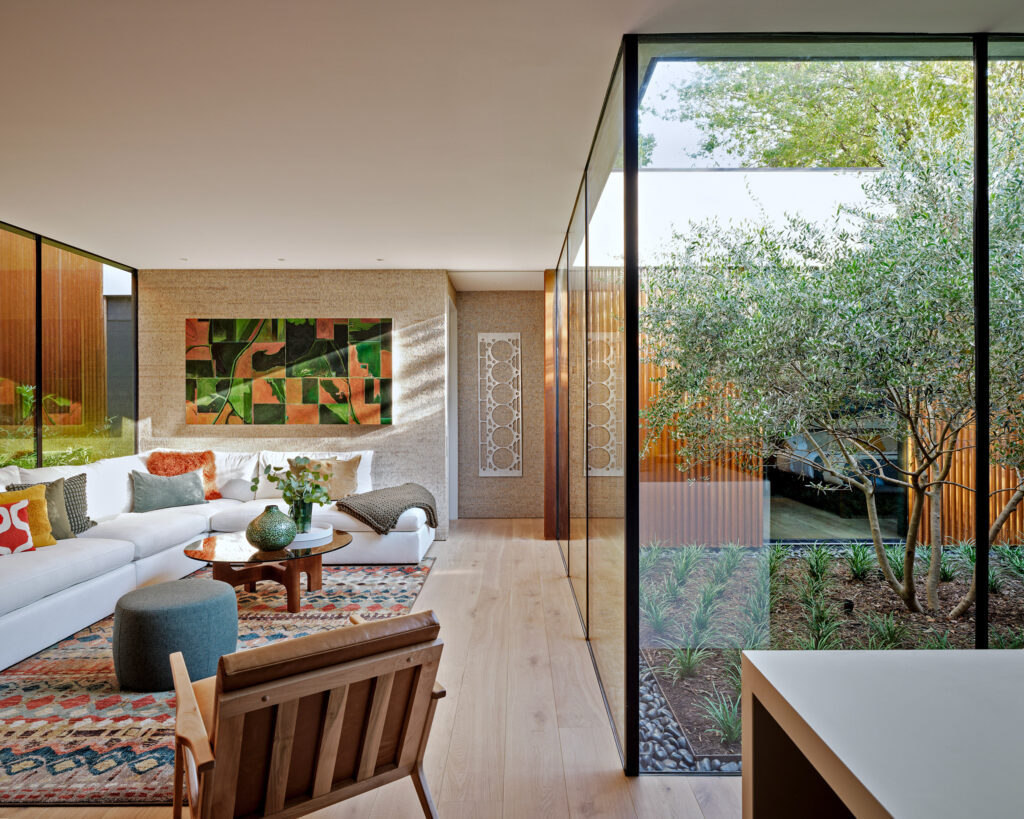
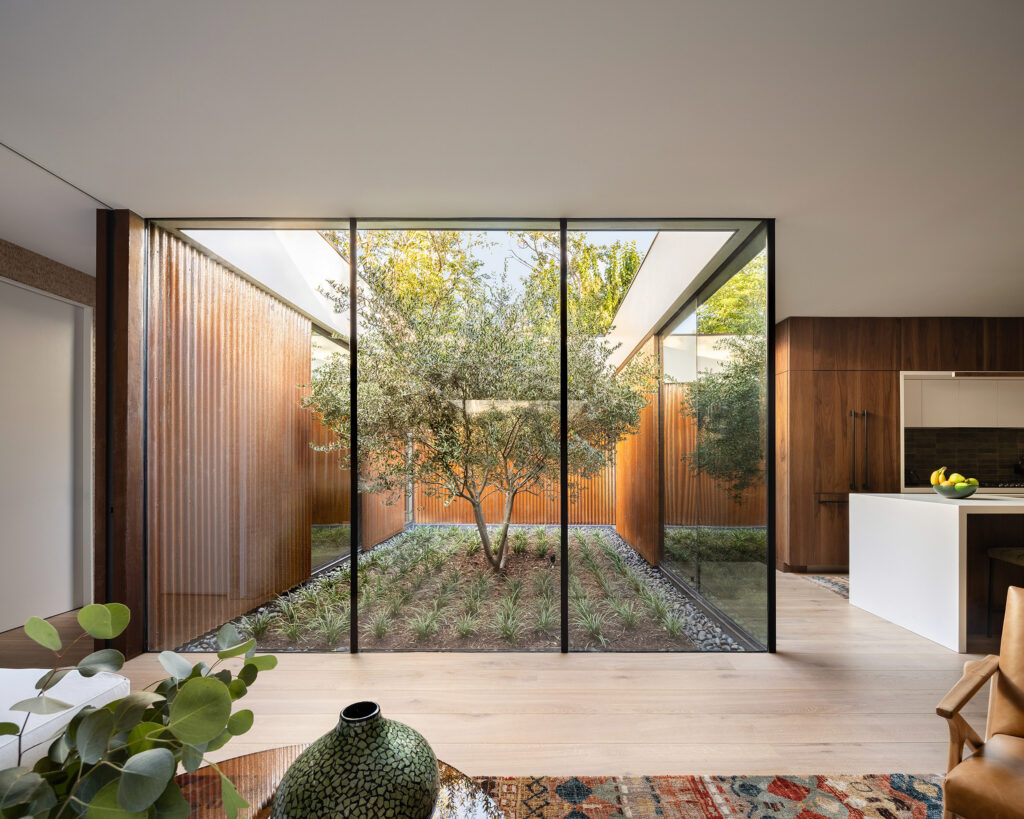
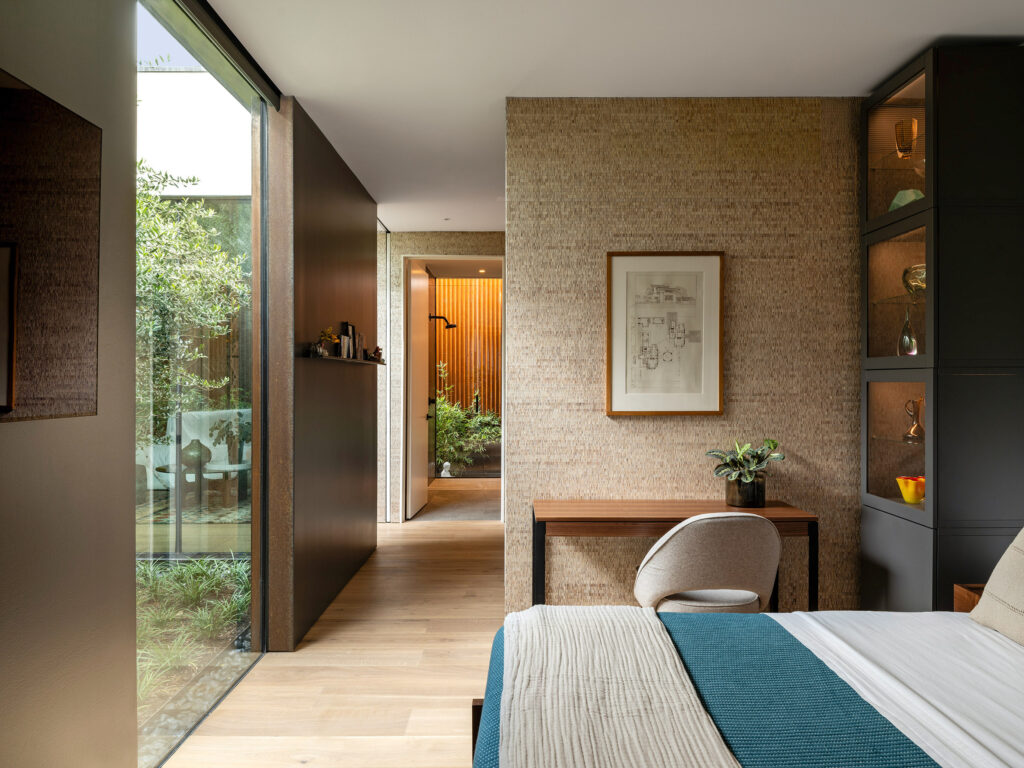
Stepping into the home, one’s impression turns from cold to serene. The moment you enter, sunlight, greenery, and natural materials flood the view, and all thought of the city’s chaos immediately evaporates. There are views to the outside, but not beyond the steel delineating the edges of the compound. These walls serve not only as curatorial and visual insulation but also acoustic. They isolate the house from its surroundings in a way that makes an inner-city sanctuary possible.
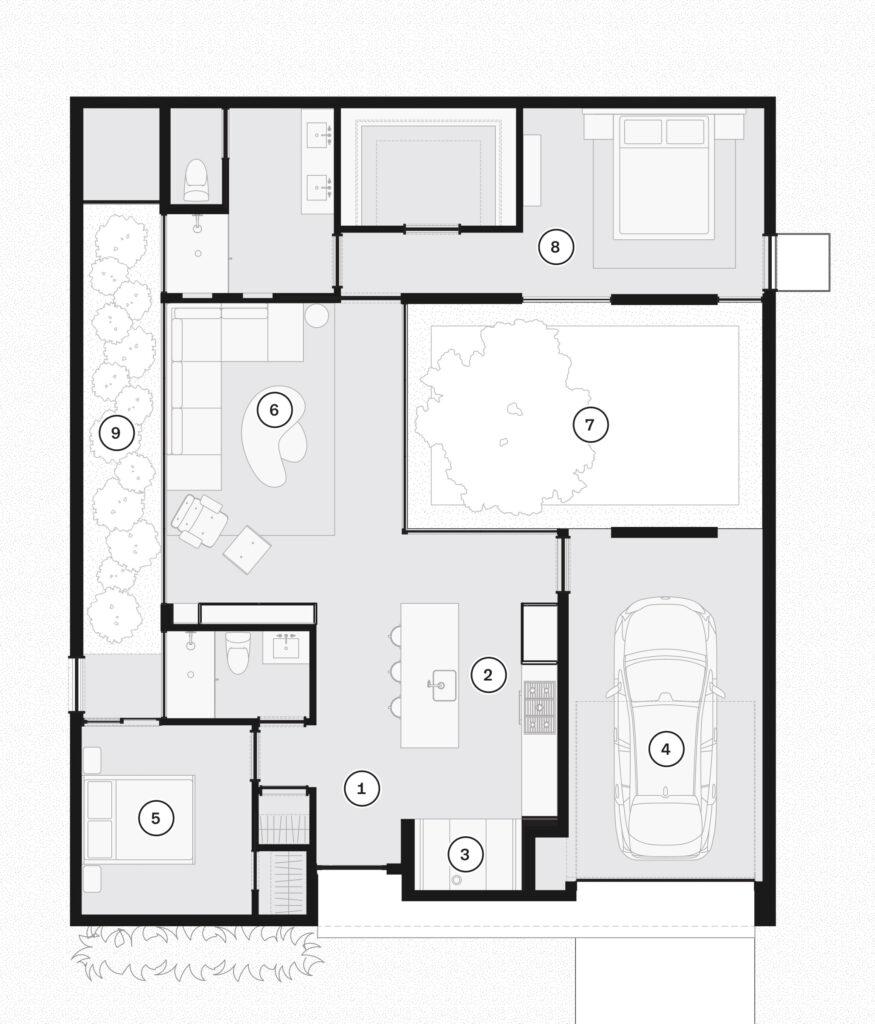
A passion project, the Stealth House steps away from the conversation surrounding urbanism, turning wholly inward to create a world unto itself. It is the introvert’s dream ADU. Built to the code limit, the house is almost exactly 1,100 sf, with an additional unconditioned 200-sf garage. Its form is a direct result of the site, with walls brought to the setback edges of the small, 3,500-sf lot and simply extruded upward. To keep under the 1,100-sf limit, pockets of outdoor space were carved from the extrusion, adding serene greenspace to the interior of the building while also allowing for some wiggle room in the tiny buildable area: although located internally within the house, these outdoor spaces did not count towards the built limit, as they are completely open to the outdoors.
The ceiling height, at nine feet throughout the house, is also the result of constraint, though in the form of budget rather than code. The extensive outdoor space surrounding the house inspired a desire for generous glazing to connect the indoors and out. Eight-foot panels were too low and restrictive and 10-foot sections were too high and expensive, thus nine-foot panels of glazing were used for all the outdoor-facing spaces, from floor to ceiling, and the rest of the house followed suit.
Remarkably, the house has two full bedrooms and bathrooms, with the bedrooms also serving as office spaces for Specht and his wife, Shiraz Bakshai, who runs an esthetician business out of the guest room. Also, surprisingly, there are no operable windows in either bedroom; instead, the nine-foot glazing continues into the bedrooms, allowing for full, unbroken views of the outside. How did this pass fire code? In each bedroom, a full-sized exterior door is concealed behind a floor-to-ceiling portrait, cleverly blending fire-code compliance with the theme of stealth. They remain completely out of view but accessible lest a fire break out during one of Shiraz’s facial spas.
With the form of the house largely set by limitations, much of the aspirational design thinking went into the finer details of the house. As with the square footage of the house, no space went to waste. Storage is built in wherever there isn’t room to sit or work. Instead of having a dining table, a dining booth with storage above was built. The primary bedroom has a desk that folds out into the space, transforming it into a quaint little office. The living room, which looks out onto two gardens—one with a beautiful olive tree—was designed around the large sectional sofa that fills much of the room. Views and natural light coming from either end of the room make it feel as though you are sitting outside during the day.

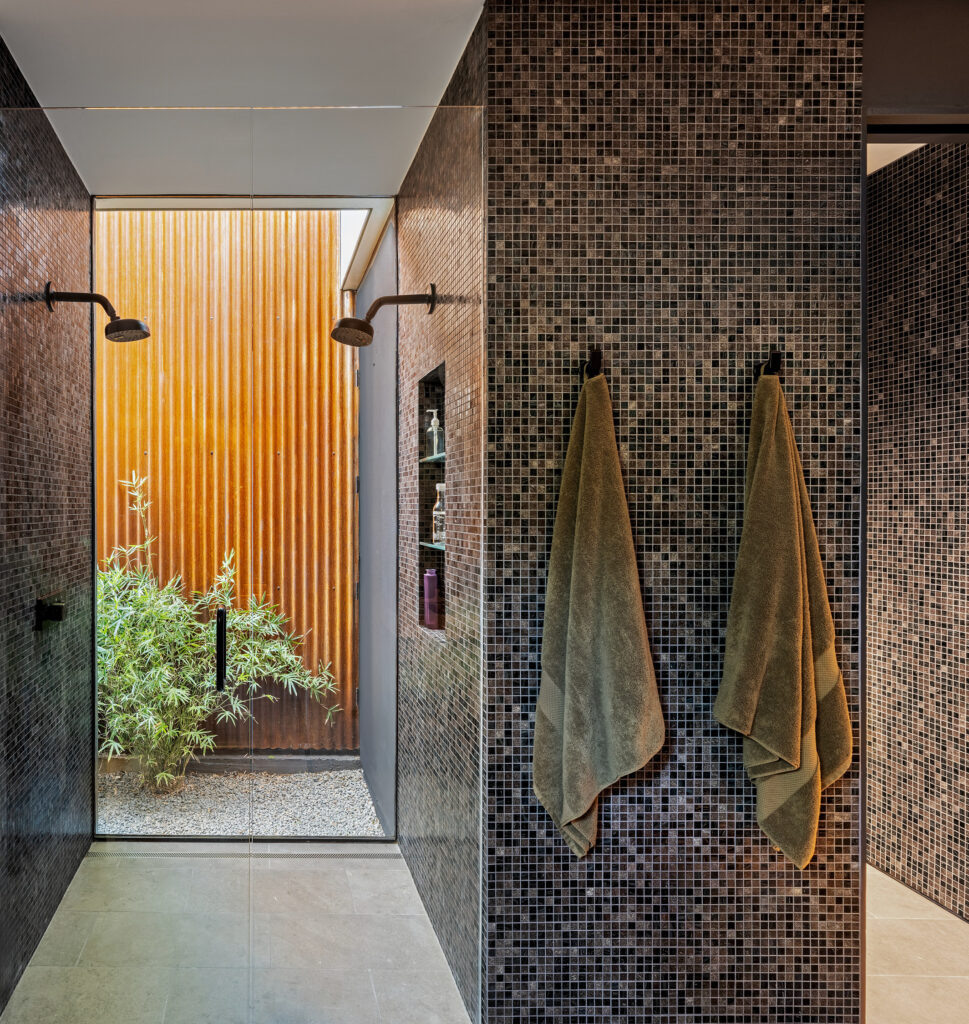
More cost-conscious decisions went into the details as well, with Specht balancing expensive details with clever thrifty ones. The walnut-veneer cabinetry for the house was all done by a friend starting their carpentry trade. Taking a chance on a friend gave Specht extra room in his budget—and allowed for one hell of a pilot project for a carpentry portfolio. Much of the art in the home was created by Scott, in an effort to both reduce costs and have a bit of fun. Likewise, with a little bit of careful modification, IKEA cabinets in the primary bedroom look completely integrated with the finer details of the rest of the home.
From top to bottom, the Stealth House radiates a calming energy. From the details to the views, it feels like an oasis unto its own, albeit a rather modestly sized one. Just a year after completion, the house has already garnered much attention and critical recognition, earning multiple design awards and even amassing approximately a quarter million views and counting on YouTube in a HomeWorthy interview. One would think that such a stark house would catch more flak given recent conversations around urbanism and the increasing prevalence of social isolation, but it seems that, when executed well, an island of a house does more to blend in that stand out.
It may not be healthy for a community to have every house designed this way, but given the site and owners’ requirements, the Stealth House accomplishes everything it set out to do. It is a successful oasis in downtown Austin, completely private and also remarkably separate from its surroundings. In the larger conversation of the profession, the Stealth House stands out as a counter to the often-oppressive droll of vernacular design. While neighborhoods do benefit from design cohesion and a shared architectural language, there are and always will be “black sheep” homes that speak in their own dialect, engaging directly with their site and ambition. Ultimately, they add texture and complexity to the urban fabric.
If you have ever found yourself walking through a city in Japan, for instance, you know this to be true. Between skyscrapers of steel and glass, it is common to find traditional Shinto wooden temples. They often have no relation to their surroundings. They exist on their own terms, left untouched by the chaos that encompasses them. And while the Stealth House is no temple, nor traditional in any sense, it occupies a Zen world of its own, broken away from the street life around it, and yet not out-of-place. It is notable that even in the inner city, on a cheap, awkward lot, designing a sanctuary is possible with the right attitude and care.

Cameron Klepac, Assoc. AIA, holds degrees in civil engineering and architecture and serves on the Publications Committee for Texas Architect. They are a yoga teacher by trade, and their favorite genre of music is Shoegaze.
Housing Policy and the Quest for Shelter

A new model for neonatal care
The making of El Paso’s Temple Mount Sinai
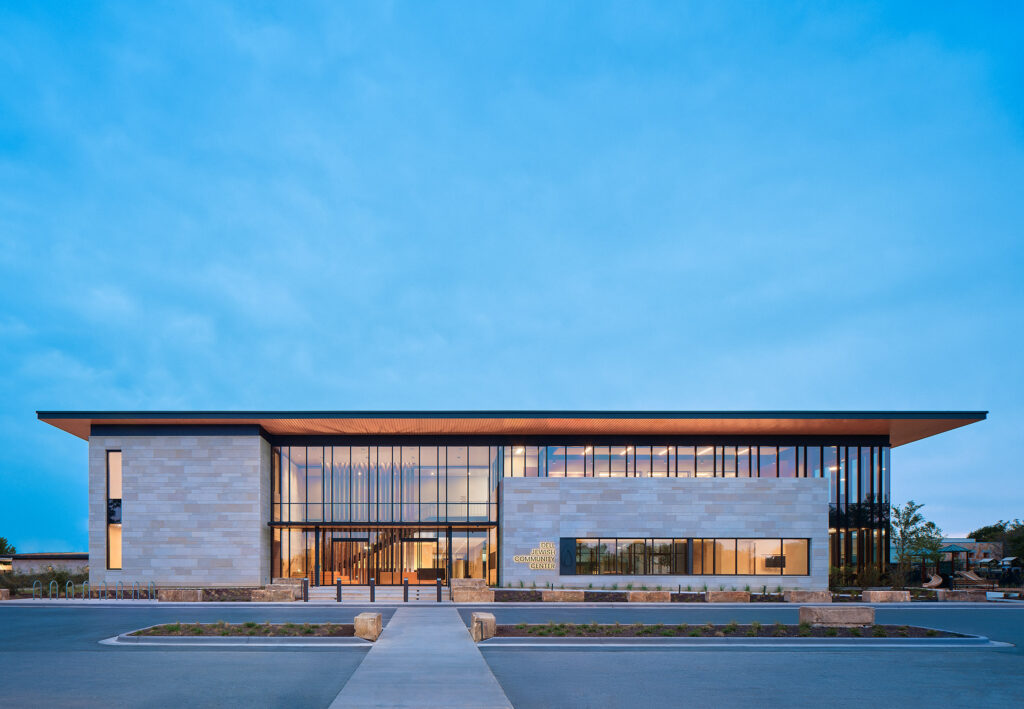
A bustling community center for Northwest Austin

Exploring new possibilities for green burial
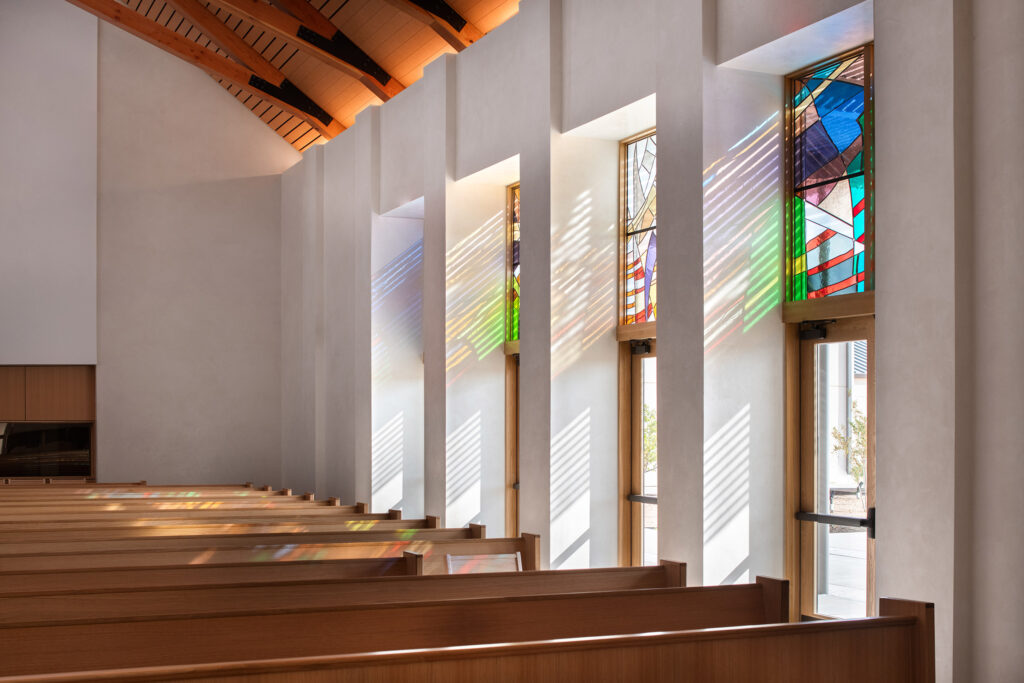
A new home for a West Texas church
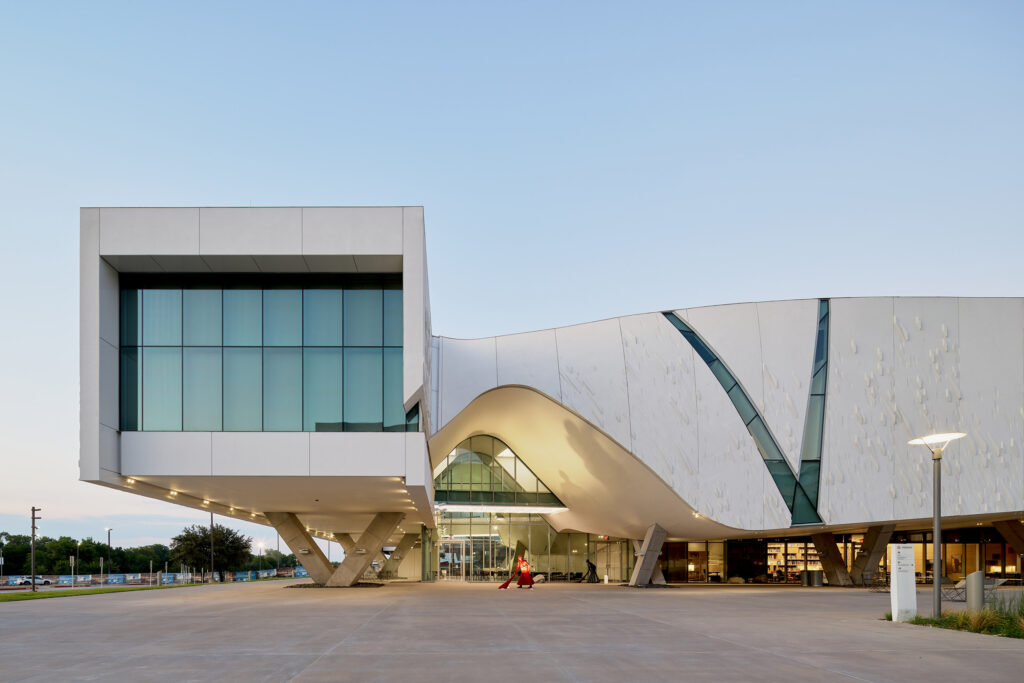
The first phase of UT Dallas’s new arts complex revealed

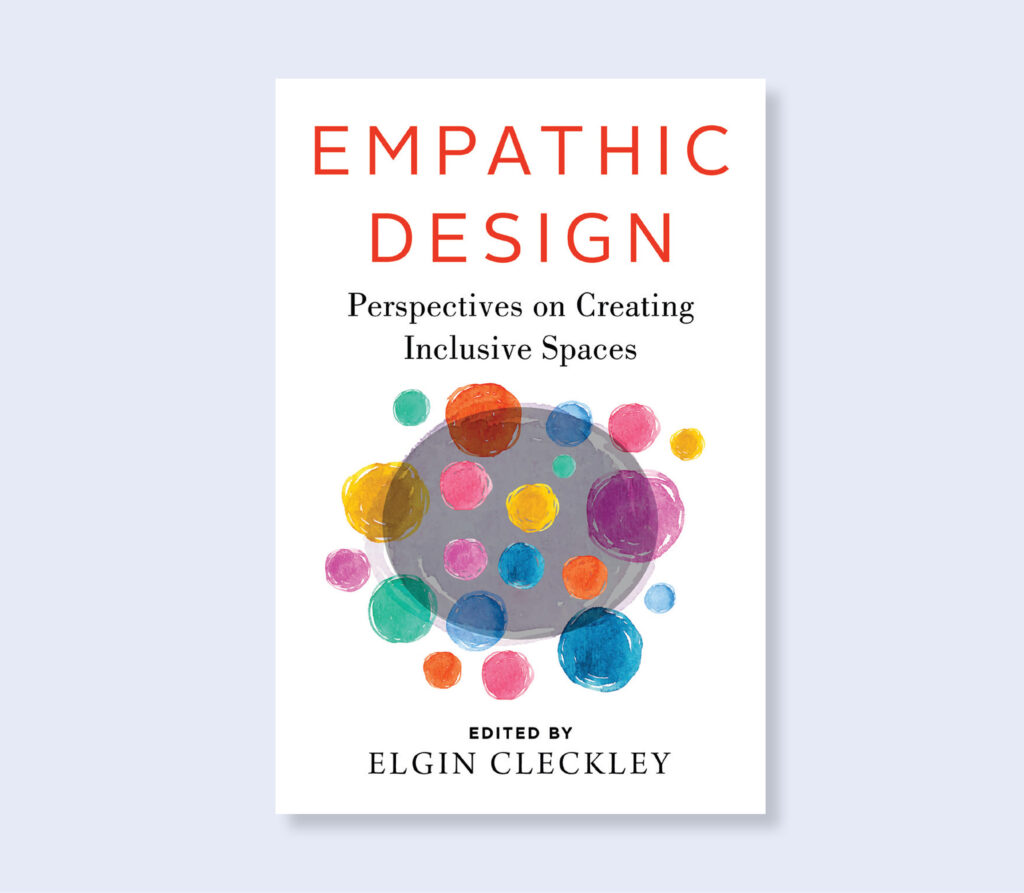
Empathic Design: Perspectives on Creating Inclusive Spaces
Elgin Cleckley, NOMA
Island Press, 2024

Creating the Regenerative School
Alan Ford, FAIA, Kate Mraw, and Besty del Monte, FAIA
Oro Editions, 2024