Jul 28, 2025
Design for a Changing Climate

Shaping the Culinary Experience
Food has long been a central thread in the fabric of human experience. Whether a quick coffee break, a casual lunch meeting, or a celebratory dinner, the rhythms of our daily lives—and our cultural milestones—are punctuated by meals. Just as the food itself tells a story, the environments in which we dine shape our sensory and emotional engagement. From upscale dining rooms to hole-in-the-wall cafés, every element—from lighting and furnishings to artwork and plating—plays a role in how we perceive a meal. Eating becomes not just a routine act of nourishment but a multisensory journey. These layered sensory components are what transform a meal into an experience, telling a story that deepens our connection to a time and place.
Across Texas, new developments are serving as fertile ground for innovative and iconic restaurants to take root. In North Texas, the town of Addison boasts more than 200 restaurants within its 4.4-square-mile urban center. It’s home to the original location of Texas de Brazil and the first US outpost of the Brazilian churrascaria Fogo de Chão. In Dallas, the Knox-Henderson neighborhood features a vibrant blend of restaurants, coffee shops, bars, and retail, whose long-standing success has sparked plans for additional expansive projects. Austin’s South Congress—particularly its new Music Lane development—remains a beloved destination for locals and visitors alike, with a lush array of boutiques, businesses, and eateries. Each of these developments has the potential to nurture restaurants that focus on immersive, guest-centered experiences.
This renewed interest in cultivating innovative eateries is perhaps most visible in budding mixed-use developments. In Houston’s Heights neighborhood, the adaptive reuse project M-K-T exemplifies this trend. Once an industrial, pebble-dashed complex, M-K-T has been transformed into a vibrant destination through the efforts of Michael Hsu Office of Architecture and Method Architecture. These firms gave the former business park structures more than a facelift—they redefined the area. Murals and artwork that pay tribute to Space City’s spirit are integrated throughout the complex, adding layers of local identity.


One of M-K-T’s recent additions is Buttermilk Baby, a diner serving American comfort food. Designed by interior firm sensitori, which focuses on creating sensory-rich spaces, the restaurant aims to immerse guests in a nostalgic yet imaginative environment. Founder Gail McCleese says: “I saw a missing layer in the industry. sensitori was born from a desire to shift [the] narrative. We blend the art and science of design to create environments that foster connection to nature, to others, and to self.”
Collaborating with New York–based firm ICRAVE and client Berg Hospitality Group, sensitori infused Buttermilk Baby with a playful twist on the 1950s soda fountain. Traditional diner elements like flashy signage, long counters, round barstools, and cushioned booths are reinterpreted through a whimsical lens. Chrome gives way to pearlescent textures, mirrored ceiling clouds, and glittering disco balls, casting a dreamlike filter over the space. Exaggerated visual motifs—a sundae sculpture, candy embedded in the bar, a carousel unicorn—animate the space with a feeling more akin to an interactive exhibit than an old-fashioned restaurant. The unicorn might even be a playful nod to the horse-drawn origins of the American diner.
Buttermilk Baby’s collaboration with Carvel, a 90-year-old soft-serve ice cream company, further connects past and future. Through this partnership, Carvel enters the Texas market—and the realm of boozy milkshakes—for the first time. For sensitori, the existing architecture of the M-K-T site, including a 1950s-style parapet, provided an ideal backdrop for the restaurant’s midcentury inspiration. Pastel tones and cloudlike swings accent the building’s exterior, continuing the theme of sensory immersion. “We imagined Buttermilk Baby as more than a destination—it’s a sensory moment designed to invite both intentional visits and spontaneous discovery.”
Through guided workshops and sensory mapping activities with the client, sensitori arrived at a design that draws on memory, emotion, and the senses. This three-tiered approach fosters both curiosity for the new and a subconscious longing for the past, encouraging guests to explore and interact with the unexpected moments the space holds. For sensitori, how a space feels is just as important as how it looks. The final design delivers an environment that feels like a wonderland—a playful escape where visitors can indulge in comforting classics and sweet treats.

Prior to collaborating on Buttermilk Baby, sensitori and Berg Hospitality also worked together on the French restaurant Annabelle Brasserie. Situated at the base of Hanover Autry Park, the high-rise apartment tower overlooking Buffalo Bayou, Annabelle Brasserie draws inspiration from both the built environment and the natural rhythms of the bayou.
The restaurant’s north facade gracefully negotiates a shift in scale and elevation—from the bayou’s pedestrian park and streetscape to the restaurant level, and upward toward the stark height of the tower above. The blue-grey paneling of the storefront creates a warmth and sense of invitation that contrasts with the tower’s expansive glass curtain wall. A terraced landscape unfurls at the café entrance, echoing the natural forms of the bayou and trails across Allen Parkway.
This harmonious composition between nature and architecture continues inside. Rich wood paneling lines the interiors and is complemented by gold accents and vintage globe post fixtures. The classic black-and-white checkerboard marble floor is juxtaposed with a lush, vibrant floral canopy suspended overhead, creating a moment of surprise—a garden blooming above the dining room. Intimacy and elegance permeate the space through details like “opera booth” seating and antique chandeliers that dangle like heirlooms from a bygone era. Paintings of flora and fauna, along with a bronze sculpture of a woman poised in quiet grace, cultivate a feeling that is at once both curated and wild.


Annabelle’s brick archways and interior windows frame views from one room into the next and ground the spatial experience with a sense of permanence. The bistro’s modern French fare, too, offers a taste of its surroundings, with vibrant leafy greens and colorful vegetables accentuating refined dishes like steak tartare and diver scallops, connecting the freshness of the space to the plate. With Buffalo Bayou skirting the horizon and the cascading verdant ceiling above, dining at Annabelle Brasserie feels like being transported to a secluded garden. It’s a setting that disguises itself as a quaint bistro beneath a contemporary tower, but it houses an unexpected encounter between architecture, nature, and the senses.
Other restaurants establish immersive experiences through their own poetic ethos. Uchi and its sister restaurants by Hai Hospitality are known for high-quality dishes deeply rooted in Japanese culinary heritage. To reflect this intention, Michael Hsu Office of Architecture (MHOA)—Hai Hospitality’s go-to designer—was tasked with translating the same sense of craftsmanship into the interior architecture. The result is a neutral yet richly layered palette, full of character and narrative. Like the food, the design employs traditional materials in ways that celebrate their natural integrity. Timber appears throughout the space, from scalloped overhead conditions at the entry to the interior lattice frames. These natural materials are chosen for their ability to age gracefully, creating a sense of evolving heritage.
Each Uchi and Uchiko location—in Austin, Dallas, Houston, and beyond—shares a common language based in natural materials while incorporating distinct interior elements by local artisans. Choosing collaborators with similar material philosophies has created a quiet, stoic atmosphere where the human touch is always evident. “Each partner brings their own artistry to the table, and we gave them room to shape the final product with us,” says Michael Hsu, FAIA, founder and principal of MHOA. “This level of attention and reverence for material and technique reflects the same care that goes into preparing each dish in the kitchen.”

At Uchiko Houston, lighting studio Warbach and sculptor Brandon Mike’s eroded cast concrete light fixtures guide visitors from the entry into the dining spaces. Reclaimed walnut floors and handcrafted seating by SRG Millwork add warmth and intimacy. Color is strategically introduced to the dining area, through the varying blues of Camille Warmington’s landscape wallcoverings and Alfredo and Vera Montenegro’s ceiling mural. These design elements orchestrated by MHOA provide traces of the human touch and human scale. As Hsu notes, “[At Uchiko Houston] … a sculpted volume … carves away space for intimacy, material layers that feel worn and warm, and collaborations with … artists and makers whose work felt textural, expressive, and rooted in process.”

Following the success of Uchi and Uchiko, Hai Hospitality and MHOA launched Loro, a genre-defying restaurant concept that blends Texas barbecue with Asian culinary traditions. Turkey breast with yuzu chutney and beef brisket with Thai herbs are just some examples of the blended flavors that the smokehouse serves. “Architecturally, the spaces draw from the informal spirit of Texas Hill Country dance halls … while also weaving in design elements rooted in Japanese craft and restraint,” according to Hsu.

This cultural intermingling is evident throughout Loro’s architecture and establishes a unique sense of familiarity. Timber trusses evoke modest local community pavilions; shou sugi ban–charred wood pays homage to Japanese traditions. Similarly, salvaged wood tables reflect Texas’s rustic aesthetic, while white-glazed terracotta pendants point toward a Japanese minimalism. Large patios and skylit interiors foster a sense of openness and interaction, aligning with both Asian and Texan dining cultures. The restaurant’s cafeteria-style seating references utilitarian, blue-collar Texas BBQ joints, while the shared plates evoke family-style Asian meals. Loro’s approach seeks the tried-and-true from the region while aiming to create something wholly new. “Across all its locations, Loro is a celebration of cultural and regional fusion on the plate and in the built environment,” Hsu concludes.

Uchi, Uchiko, and Loro all are Japanese-inspired establishments that emphasize the importance of intention in every design feature, yet each differs in the atmosphere it aims to cultivate. Uchi and Uchiko tell a story of fine artistry and intimacy; Loro infuses intrigue into a largely vernacular setting. Tradition and craftsmanship are expressed through different methods in each to curate distinct adventures—both culinary and architectural.
Another restaurant layering tradition with modernity is Musaafer, located in Houston’s Galleria shopping complex. In 2024, Musaafer earned a One Star designation with the introduction of the Michelin Guide in Texas. Designed by the New Delhi–based firm Chromed Design Studio, the restaurant incorporates architectural elements inspired by India’s diverse regional cultures, resulting in a series of distinct yet interconnected spaces: the Aangan, the Shadow Room, the Sheesh Mahal, the Patio, and the Travelers’ Room.
The Aangan, which translates to “courtyard,” symbolizes a prominent communal space in South Asian architecture. Evoking an outdoor ambiance within an interior setting, the Aangan features breeze chairs, greenery, an arcade reminiscent of Mughal architecture, and a sandstone grille–inspired balustrade positioned overhead. The ancient Indian architectural and design principles of Vastu Shastra consider the courtyard to be a significant space, where positive energy flows through freely. Reflecting this idea, the Aangan is the focal point of Musaafer, connecting the restaurant’s various areas and functions. With its white walls and slightly darker tiled floor, the Shadow Room is simple but elegant. Ornamentation is cleverly given to the room through the use of rustic Muda chairs and light fixtures that project shadow patterns resembling intricate henna designs. This minimal yet evocative environment fosters a focus on both the food and the social experience at the table.
The Sheesh Mahal, translating to “the palace of mirrors,” is a luxurious space furnished with chandeliers that reflect off the thousands of mirror mosaics lining the walls and ceiling. Historically, such rooms served as entertainment halls in royal palaces, their mirrored surfaces amplifying dance and theatrical performances held for the royal court. At Musaafer, this room offers a similarly exclusive dining experience for a select few, its location physically elevated above adjacent spaces further underscoring its palatial character. Situated on the restaurant’s balcony, the Patio introduces a more relaxed atmosphere. It features hand-painted lamps, imported ceiling fans, and daybeds that, as the restaurant’s website notes, “resemble ancient Indian beds used for midday naps.” With its dedicated bar and a view overlooking Uptown Houston, the Patio feels breezy and informal, a contrast to the opulence of its counterparts.


The final space, the Travelers’ Room, takes its name from a statue held within that represents the many cuisines and architectural forms from across India that inspired Musaafer’s concept. A wall decorated in traditional Dhokra art further underscores this diversity, the framed pictures each telling a different story of everyday life through folk motifs.
Each space acts as a microcosm of symbolism and meaning, echoing the culinary intricacy and complexity of the menu. The mishti doi, for example, is a dessert that layers a variety of textures and flavors using one main ingredient: yogurt. Presented to resemble mushrooms on a forest floor, the dish features freeze-dried yogurt “mushrooms” and a scoop of shrikhand—a traditional saffron-flavored yogurt—all atop a grass-like base of crumbled almond cake and pomegranate seeds. This sculptural reinterpretation transforms the familiar into the imaginative, offering a contemporary take on a time-honored dessert. “Musaafer” translates to “traveler”—a fitting name for a restaurant that offers a journey through both space and flavor, offering distinct experiences with each visit and every bite.
The story of food is often told through the spaces that surround it. Whether evoking nostalgia through sensory details or reframing cultural narratives through contemporary design, the careful curation of culinary spaces anchors the intangible meaning of what food represents. Time-honored means and methods that connect us to those who came before us evoke deep feelings of memory and heritage. Regardless of approach, impactful design is rooted in human experience and tactility, cultivating layered, immersive environments. The experience of eating becomes not only a necessity but a moment to savor, to share, and to return to. Designers hold the power to evoke emotional memories—or create new ones. It is their palette, in the end, that ultimately shapes our palate.
Camille Vigil is an architect in Dallas who works primarily on faith-based projects.
Tanvi Solanki, AIA, is a Houston-based architect who works with sustainable design and laboratory planning.
Design for a Changing Climate

Reimagining the Courtyard House

Modern Hospitality Meets Cultural Legacy
At the Intersection of Neuroscience and Design

Snøhetta Transposes the Borderland

Designing for Neurodiverse Students

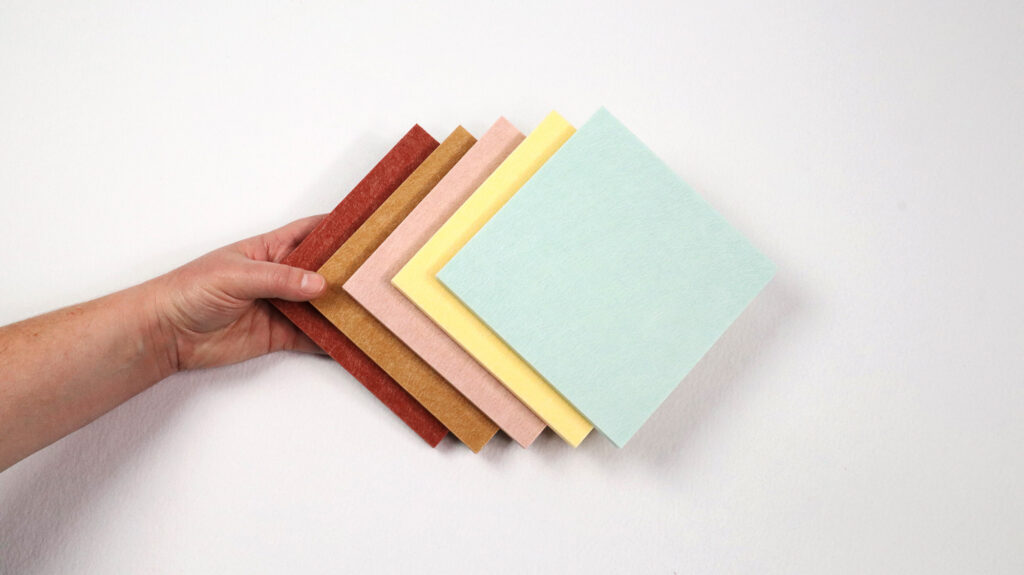
These finishes and furnishings focus on the power of color to influence mood, productivity, and overall well-being.
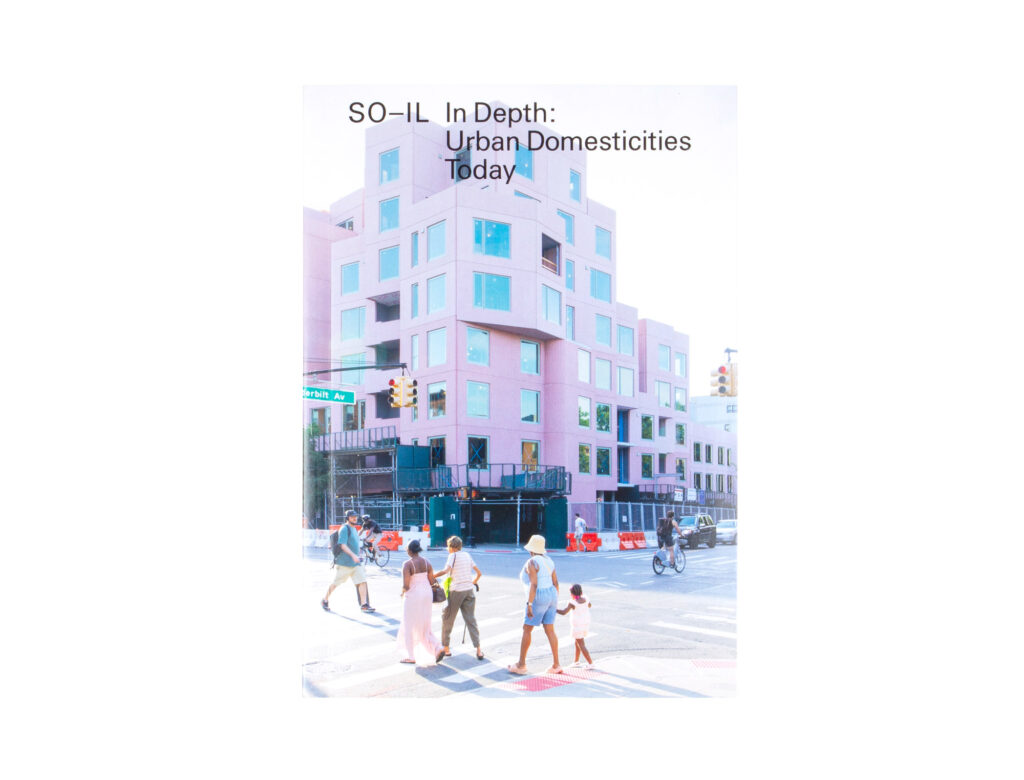
In Depth: Urban Domesticities Today
Edited by Florian Idenburg, Jing Liu, et al.
Lars Müller, 2025
Concrete Architecture
Phaidon Editors, with Sam Lubell and Greg Goldin
Phaidon, 2024